

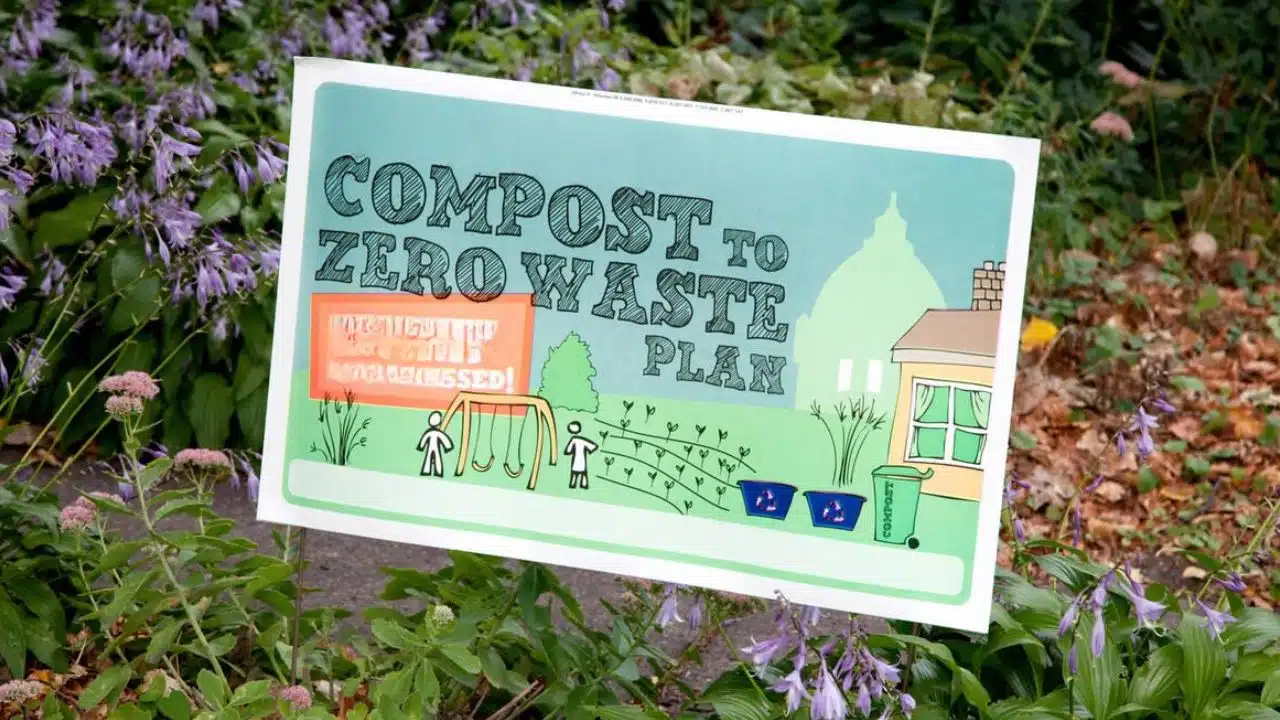
Transitioning to a zero-waste lifestyle can be one of the most impactful ways to contribute to environmental sustainability. The zero-waste movement aims to minimize waste through careful consumption, thoughtful reuse, efficient recycling, and effective composting.
While achieving zero waste may seem daunting, the goal is to get as close as possible. We can significantly reduce our environmental footprint and promote a healthier planet by adopting zero-waste principles.
This guide provides a detailed, day-by-day plan to help you transition to a zero-waste lifestyle over 25 days, offering practical steps and tips to make the journey manageable and rewarding. Whether in an urban or rural setting, this guide will help you adapt the zero-waste philosophy to your unique circumstances.
Understanding Zero Waste
What is Zero Waste?
Zero Waste is an approach to resource management that emphasizes reducing, reusing, recycling, and composting to minimize waste and protect natural resources. The goal is to eliminate as much waste as possible by making sustainable choices and rethinking our consumption habits.
Zero Waste involves shifting our mindset to consider the entire lifecycle of products, from production to disposal, and making choices that support a circular economy. This means opting for reusable items over single-use products, repairing instead of discarding, and choosing products made from sustainable materials.
By adopting zero waste principles, we can reduce our reliance on landfills and incineration, conserve natural resources, and create a more sustainable future.
Principles of Zero Waste
The principles of zero waste, popularized by Bea Johnson in her book Zero Waste Home, include refusing, reducing, reusing, recycling, and composting. Refusing involves saying no to items we do not need and preventing waste from entering our homes.
Reducing means minimizing our consumption and being mindful of the products we buy. Reusing emphasizes finding new uses for items instead of discarding them.
Recycling converts waste into reusable material, and composting involves breaking down organic waste to enrich the soil.
These principles guide us to make more sustainable choices and reduce our environmental impact. Integrating these practices into our daily lives allows us to move closer to a zero-waste lifestyle and contribute to a healthier planet.
Getting Started: The First Steps
Day 1: Evaluate Your Waste
Understanding your current waste habits is the first step towards a zero-waste lifestyle. Spend a week observing and documenting everything you throw away. This will help you identify patterns and areas where you can reduce waste.
Consider the types of waste you generate most frequently and think about alternatives. This self-assessment is crucial for setting realistic goals and making informed decisions about reducing waste. By understanding your waste habits, you can start making small, manageable changes that add up over time.
Day 2: Set Your Goals
Setting clear, achievable goals is essential for maintaining motivation on your zero-waste journey. Define what zero waste means and set specific targets for reducing waste. For example, you could eliminate single-use plastics, minimize food waste, or compost all organic materials.
Write down your goals and revisit them regularly to track your progress. Setting goals helps you stay focused and provides a sense of accomplishment as you achieve them. Remember, the goal is progress, not perfection. Celebrate your successes and learn from any challenges you encounter along the way.
Day 3: Streamline Your Possessions
Decluttering your home is a significant step towards reducing waste. Go through your belongings and separate items you no longer need or use. Donate, sell, or recycle these items instead of throwing them away.
Simplifying your possessions makes it easier to manage your household and reduces the temptation to accumulate more unnecessary items. A clutter-free home can also reduce stress and improve your overall well-being. You create a more intentional and sustainable living space by keeping only what you truly need and love.
Day 4: Create a Zero Waste Kit
Assembling a zero-waste kit is a practical way to reduce waste. Your kit should include reusable items such as water bottles, coffee cups, utensils, cloth napkins, and shopping bags. Keep this kit when you’re out and about using disposable products.
Having a zero-waste kit ready helps you make sustainable choices more conveniently and reduces the likelihood of relying on single-use items. This simple habit can significantly reduce your environmental impact over time.
Kitchen: The Heart of Zero Waste
Day 5: Inventory Your Kitchen
Take an inventory of your kitchen to identify items that contribute to waste. Look for single-use plastics, non-recyclable packaging, and disposable products. Assess the food you regularly consume and the packaging it comes in.
This step will help you understand what changes are needed to reduce kitchen waste. By being mindful of the items you bring into your kitchen, you can make more sustainable choices and reduce waste at the source. Consider switching to bulk purchases and reusable containers to minimize packaging waste.
Day 6: Shop Bulk and Package-Free
Shopping in bulk and choosing package-free options can significantly reduce waste. Find local bulk stores or markets that allow you to bring your containers. Bulk shopping reduces packaging waste and often saves money.
Start by buying staples like grains, nuts, and spices in bulk. Bringing your containers reduces waste and ensures you control the quantity of products you purchase. This approach helps you avoid overbuying and reduces food waste. Additionally, supporting bulk stores and markets encourages businesses to offer more sustainable options.
Day 7: Eliminate Single-Use Plastics
Replacing single-use plastics in your kitchen with sustainable alternatives is crucial to zero waste. Use beeswax wraps instead of plastic wrap, cloth towels instead of paper towels, and glass jars for storage instead of plastic containers.
These small changes can significantly reduce the amount of plastic waste you generate. Look for reusable products that are durable and easy to clean. Choosing sustainable alternatives reduces your reliance on single-use plastics and contributes to a healthier environment.
Day 8: Compost Food Scraps
Composting is an effective way to reduce kitchen waste and enrich the soil. Start composting your food waste by creating a compost pile or bin in your garden. If you live in an apartment, consider vermicomposting or using a small indoor compost bin.
Composting reduces landfill waste and provides valuable nutrients for your garden. It’s a simple and natural way to recycle organic materials and reduce environmental impact. By composting food scraps, you can significantly reduce the amount of waste in the landfill.
Day 9: Plan Your Meals
Meal planning helps reduce food waste and ensures you use what you buy. Plan your weekly meals, make a shopping list, and stick to it. Use leftovers creatively to minimize waste.
By planning your meals, you can avoid overbuying and ensure that all the food you purchase gets used. This not only reduces waste but also saves money and time. Consider batch cooking and freezing meals to maximize ingredients and reduce food waste.
Day 10: DIY Cleaning Supplies
Making your cleaning supplies using simple ingredients like vinegar, baking soda, and essential oils can reduce packaging waste and harmful chemicals. Homemade cleaners are effective, affordable, and better for the environment.
Experiment with different recipes to find what works best for you. By making your own cleaning products, you can reduce reliance on commercial cleaners and their plastic packaging. This simple switch can have a significant impact on reducing household waste.
Bathroom: A Zero Waste Haven
Day 11: Switch to Sustainable Personal Care Products
Replace disposable personal care products with sustainable alternatives. Use a bamboo toothbrush, shampoo bars, and a safety razor instead of plastic counterparts. These small changes can significantly reduce the amount of plastic waste generated in your bathroom.
Look for products that come in minimal or compostable packaging and are made from natural materials. Choosing sustainable personal care products reduces your environmental impact and supports eco-friendly brands.
Day 12: DIY Toiletries
Making your toiletries, such as toothpaste, deodorant, and lotion, can reduce packaging waste and allow you to control the ingredients. DIY products are often cheaper, more sustainable, and free of harmful chemicals.
Experiment with different recipes to find what works best for you. You can reduce reliance on commercial products and their plastic packaging by making your own toiletries. This simple switch can have a significant impact on lowering bathroom waste.
Day 13: Reduce Water Waste
Implement water-saving practices in your bathroom. Take shorter showers, install a low-flow showerhead, and turn off the tap while brushing your teeth. Reducing water waste not only conserves a precious resource but also lowers your utility bills.
Consider collecting rainwater for non-potable uses like watering plants or flushing toilets. Adopting water-saving habits contributes to a more sustainable lifestyle and reduces your environmental impact.
Day 14: Simplify Your Skincare Routine
Minimize the number of skincare products you use and opt for multipurpose items. Look for products with sustainable packaging and natural ingredients. Simplifying your skincare routine reduces waste and makes it easier to maintain a sustainable lifestyle.
Use natural oils like coconut or jojoba oil as moisturizers and makeup removers. Choosing sustainable skincare products reduces your environmental impact and supports eco-friendly brands.
Laundry Room: Cleaning Up Your Routine
Day 15: Use Eco-Friendly Laundry Detergent
Switch to an eco-friendly laundry detergent, or make your own. Many conventional detergents come in plastic bottles and contain harmful chemicals. Eco-friendly alternatives are better for the environment and your health.
Look for detergents that come in compostable or recyclable packaging and are free from toxic chemicals. Choosing sustainable laundry products reduces your environmental impact and supports eco-friendly brands.
Day 16: Line Dry Your Clothes
Reduce energy consumption by line drying your clothes whenever possible. Consider wool dryer balls as a natural fabric softener to reduce drying time if you use a dryer. Line drying not only saves energy but also extends the life of your clothes.
By reducing your reliance on the dryer, you lower your utility bills and reduce your carbon footprint. This simple switch can significantly reduce household waste and conserve energy.
Day 17: Use Cold Water
Washing your clothes in cold water reduces energy consumption and is gentler on fabrics. Most laundry detergents work just as well in cold water, making this an easy switch.
By using cold water, you save energy and reduce your utility bills. This simple switch can significantly reduce household waste and conserve energy.
Day 18: DIY Fabric Softener
Make your fabric softener using natural ingredients like vinegar and essential oils. DIY fabric softeners are affordable, effective, and free from harmful chemicals.
Making your fabric softener reduces your reliance on commercial products and their plastic packaging. This simple switch can significantly reduce household waste and promote a healthier environment.
Bedroom: Simplifying for Sustainability
Day 19: Declutter Your Wardrobe
Simplify your wardrobe by donating, selling, or recycling clothes you no longer wear. Adopting a minimalist approach to clothing reduces waste and makes it easier to maintain a sustainable lifestyle.
Consider creating a capsule wardrobe with versatile, high-quality pieces that can be mixed and matched. By simplifying your wardrobe, you reduce your environmental impact and create a more intentional and sustainable living space.
Day 20: Choose Natural Bedding
Opt for bedding made from organic cotton, linen, or bamboo. These materials are biodegradable and better for the environment. Natural bedding is also healthier for you and free from harmful chemicals.
Choosing sustainable bedding reduces your environmental impact and supports eco-friendly brands. This simple switch can significantly improve the sustainability of your bedroom.
Day 21: DIY Air Fresheners
Make your air fresheners using natural ingredients like essential oils and baking soda. DIY air fresheners are free from harmful chemicals and reduce packaging waste.
Making your own air fresheners reduces your reliance on commercial products and their plastic packaging. This simple switch can significantly reduce household waste and promote a healthier environment.
Day 22: Use Energy-Efficient Lighting
Replace incandescent bulbs with energy-efficient LED bulbs. LED bulbs use less energy and last longer, reducing waste and lowering utility bills.
By choosing energy-efficient lighting, you reduce your environmental impact and conserve energy. This simple switch can significantly improve the sustainability of your bedroom and contribute to a more sustainable lifestyle.
Zero Waste Outside the Home
Day 23: Bring Your Containers
Always carry reusable containers, utensils, and a water bottle when you leave the house. This reduces the need for single-use items and helps you make sustainable choices on the go.
Bringing your containers reduces your reliance on disposable products and minimizes waste. This simple habit can significantly reduce environmental impact and promote a more sustainable lifestyle.
Day 24: Support Sustainable Businesses
Choose to support businesses that prioritize sustainability and zero-waste practices. Look for restaurants, stores, and companies that use eco-friendly packaging and offer sustainable products.
By supporting sustainable businesses, you contribute to a more sustainable economy and promote environmentally friendly practices. This simple switch can significantly reduce waste and promote sustainability in your community.
Day 25: Advocate for Zero Waste
Share your zero waste journey with others and advocate for sustainable practices in your community. Educate friends, family, and colleagues about the benefits of a zero-waste lifestyle and encourage them to make sustainable choices.
Raising awareness and promoting zero-waste practices can inspire others to join the movement and positively impact the environment. This simple act can significantly create a more sustainable future for everyone.
Final thoughts
Transitioning to a zero-waste lifestyle is a journey that requires commitment, patience, and perseverance. Following the steps outlined in this guide can significantly reduce your waste and contribute to a healthier planet.
Remember, the goal is progress, not perfection. Every small change you make can positively impact the environment and inspire others to do the same. By embracing a zero-waste lifestyle, you can make a meaningful difference and help create a more sustainable future for future generations.
Keep striving towards zero waste, and celebrate your successes along the way. Together, we can build a cleaner, greener world.





















