

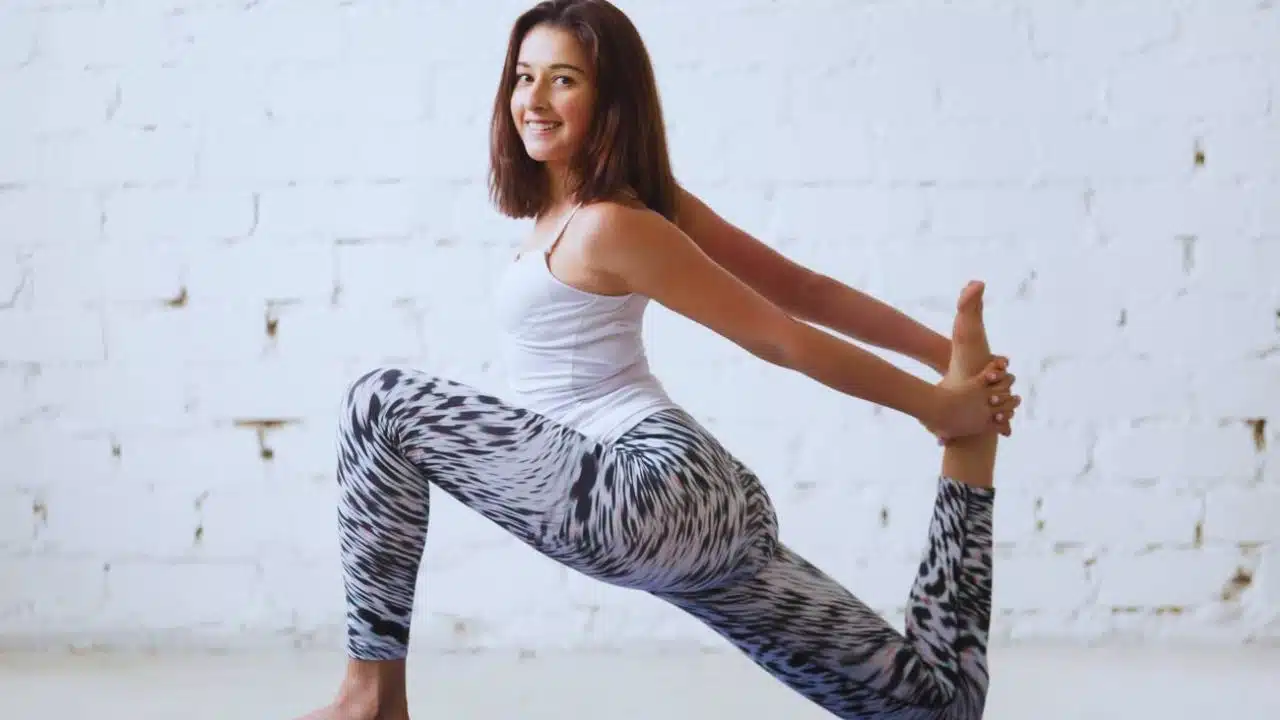
Maintaining good posture is more than just sitting up straight; it’s about positioning your body correctly whether you’re sitting, standing, or moving. Good posture aligns the body symmetrically while preserving the natural curves of the spine.
Conversely, bad posture, often characterized by slouching and forward head and shoulder positioning, can lead to musculoskeletal issues and chronic pain. This article explores the essentials of good posture in various activities, the benefits of maintaining proper posture, and effective exercises to help you improve your posture naturally.
Understanding Good Posture
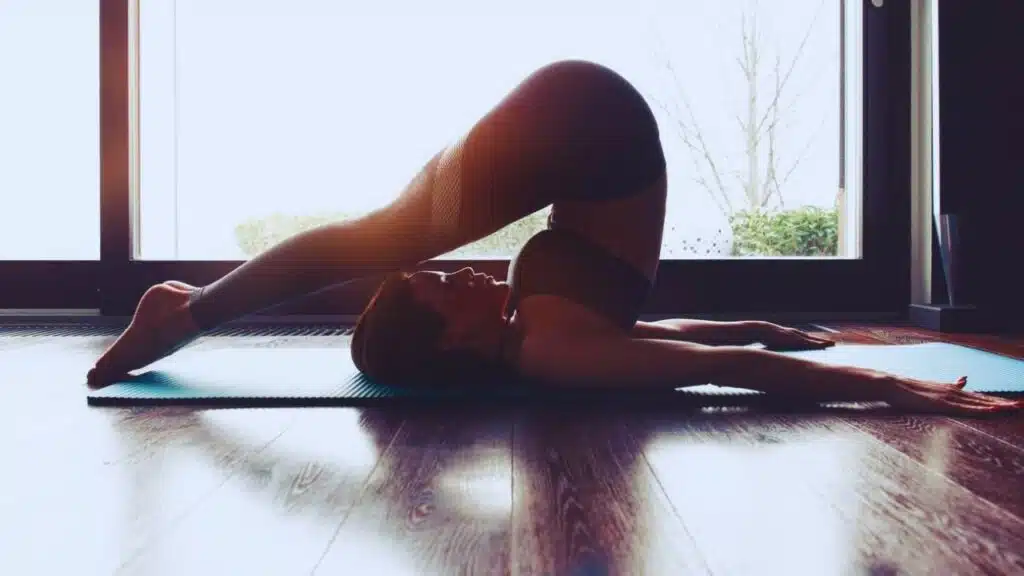
Good posture involves a balanced alignment of the body that allows for optimal movement and function. When your body deviates from this balance, it can lead to muscle strain, joint pain, and other health problems. Understanding what constitutes good posture in different activities is the first step towards improvement.
Sitting
Given that many people spend a significant portion of their day sitting, particularly those with desk jobs or students, maintaining proper sitting posture is crucial to prevent discomfort and potential long-term damage.
Proper Sitting Posture
- Spine and Pelvis: Keep the spine and body upright with the natural lumbar curve (inward curve) of the lower back maintained. The pelvis should be slightly tilted forward to reduce pressure on the spinal discs.
- Head and Neck: Ensure your head and neck are upright and aligned over the spine, with your shoulders back.
- Legs and Feet: Hips and knees should be bent at 90 degrees. Keep your feet flat on the floor and distribute your weight evenly without crossing your legs.
Tips for Improving Sitting Posture
- Use an ergonomic chair that supports the natural curve of your spine.
- Take regular breaks to stand up, stretch, and move around.
- Adjust your workstation to ensure your computer screen is at eye level.
Standing
Standing correctly helps distribute weight evenly across your body, reducing strain on your muscles and joints. This is particularly important for those who spend long periods on their feet.
Proper Standing Posture
- Head and Neck: Keep your head and neck upright and aligned over the spine with your shoulders pulled back.
- Spine and Pelvis: Maintain the natural curve of your lower back. Ensure your pelvis is level, not tilted forward or backward.
- Legs and Feet: Align your shoulders over your hips and your hips over your ankles. Bear your weight equally on both feet without leaning to one side.
Tips for Improving Standing Posture
- Wear supportive shoes that cushion your feet and provide good arch support.
- Shift your weight from one foot to the other occasionally to prevent fatigue.
- Stand with your feet hip-width apart to provide a stable base of support.
Moving
Proper posture during movement involves maintaining joint alignment and supporting your body to prevent injury and enhance efficiency.
Proper Movement Posture
- Feet and Ankles: Keep your feet and ankles in a neutral position without excessive rolling in or out.
- Knees and Hips: Ensure your knees align with your hips and ankles, avoiding inward collapse.
- Spine: Stabilize your spine to avoid excessive slouching or arching.
Tips for Improving Movement Posture
- Wear shoes that support your feet and provide adequate cushioning.
- Maintain a healthy weight to reduce stress on your joints.
- Practice mindful movement, paying attention to how your body feels and adjusting as necessary.
Exercises to Improve Posture

Incorporating specific exercises into your routine can help correct bad posture and strengthen the muscles needed to maintain good posture.
Posture Correction Stretches
- Upper Trapezius Stretch: Relieves tension in the upper back muscles.
- Levator Scapulae Stretch: Targets the side neck muscles to reduce stiffness.
- Hip Flexor Stretch: Helps open up the hips and counteracts prolonged sitting.
- Lower Back Stretch: Increases flexibility in the lower back.
Posture Correction Exercises
- Chin Tucks: Strengthen the deep cervical muscles and improve neck alignment.
- Rowing Exercises and Shoulder Blade Squeeze: Strengthen the middle trapezius, promoting a strong upper back.
- Bridges, Hip Thrusts, and Prone Leg Lifts: Strengthen the gluteus maximus, supporting proper pelvic alignment.
- Core Exercises: Strengthen the abdominals to support the lower back and maintain overall posture.
Incorporating These Exercises
- Aim to perform these stretches and exercises regularly, ideally as part of your daily routine.
- Focus on form to ensure you are targeting the correct muscle groups and not overstraining.
- Consider working with a physical therapist or trainer to develop a personalized posture improvement plan.
Benefits of Better Posture
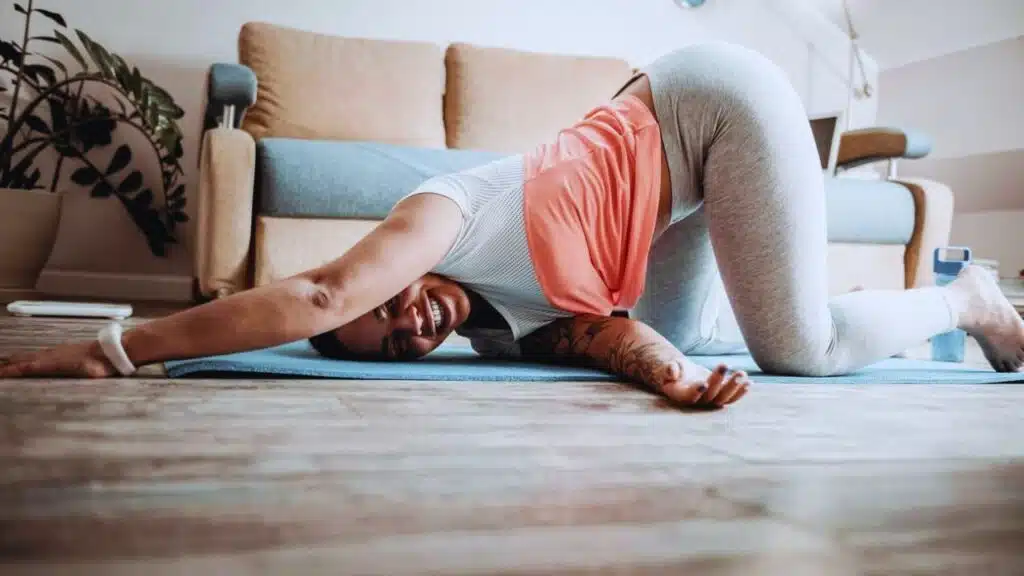
Maintaining good posture offers numerous health benefits, including:
- Reduced Pain: Alleviates strain on muscles and joints, reducing the likelihood of pain and discomfort.
- Improved Mobility: Enhances your ability to move efficiently and comfortably.
- Increased Confidence: Good posture can boost your self-esteem and the way you are perceived by others.
- Prevention of Long-term Issues: Reduces the risk of developing chronic musculoskeletal problems.
Common Postural Problems
- Upper Crossed Syndrome: Characterized by forward head and rounded shoulders, leading to neck and upper back pain.
- Lower Crossed Syndrome: Involves an anterior pelvic tilt and increased lumbar curve, often causing lower back pain.
By understanding and correcting these issues, you can significantly improve your overall quality of life.
Summary
Proper posture in sitting, standing, or moving involves keeping your head and neck aligned over your spine, with your shoulders, back, and hips balanced and symmetrical. Poor posture can lead to joint and muscle problems and injuries, but many cases of bad posture can be corrected with stretches and exercises.
For severe cases, consult your healthcare provider, as bad posture resulting from neuromuscular disorders may require additional interventions like splinting, bracing, or surgery.
By being mindful of your posture and incorporating these tips and exercises, you can improve your posture naturally, leading to better health and well-being.





















