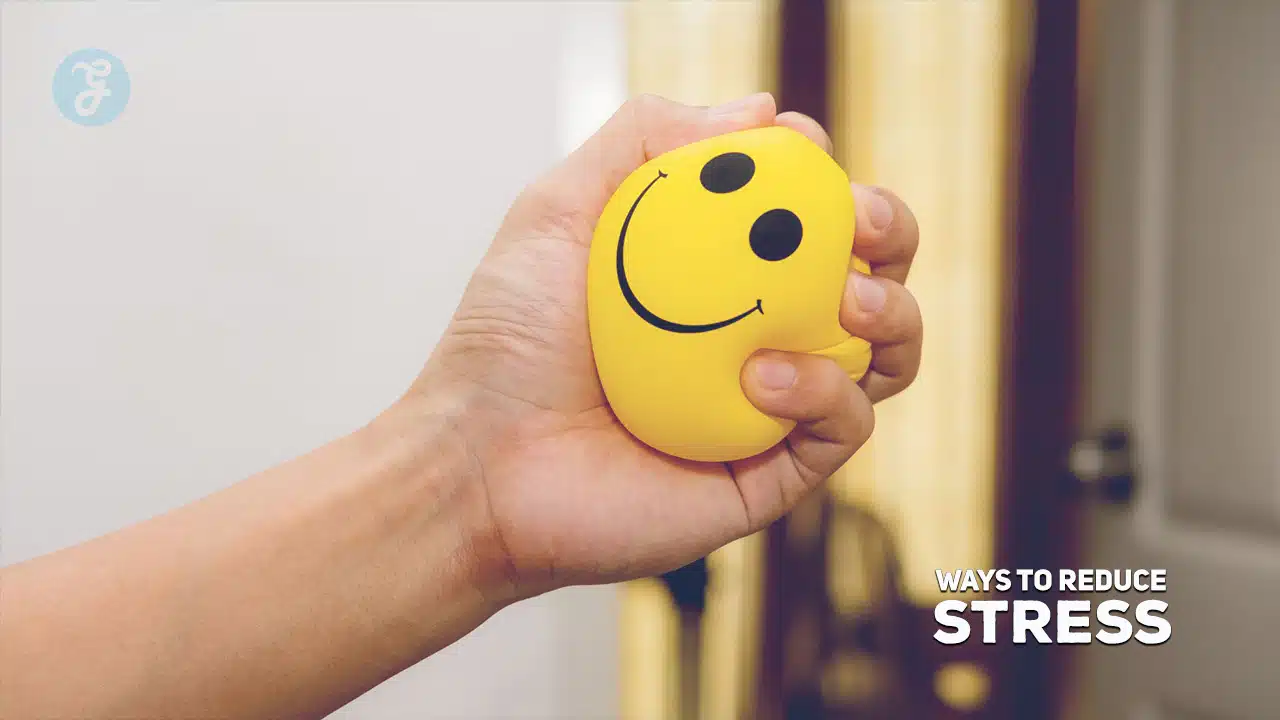
We could all use less stress in our lives. Between everyday work stress, maintaining relationships, navigating social engagements, and wrangling the kids, there’s more than enough stress.
Luckily, there are ways to ease your stress levels if you set your mind to it. Clinical psychologist Adam Borland, PsyD, explains how stress works and healthy ways we can help manage stress before it gets out of control.
Understanding how stress affects us and learning practical management methods can significantly improve our quality of life. This article will explore ten simple yet effective ways to reduce stress and enhance your overall well-being.
Understanding Stress
Stress is your body’s response to a challenge or demand. Everyone experiences stress, which can trigger various events, from minor daily hassles to significant changes like a divorce or job loss.
The stress response includes physical components like an elevated heart rate and blood pressure, thoughts and personal beliefs about the stressful event, and emotions, including fear and anger.
“Although we often think of it as being negative, stress can also come from positive changes in your life, like getting a promotion at work or having a new baby,” says Dr. Borland. Recognizing the sources of stress in your life is the first step toward managing it effectively.
Handling Stress in Healthy Ways

Stress serves an essential purpose — it enables us to respond quickly to threats and avoid danger. But, lengthy exposure to stress may lead to mental health difficulties like anxiety and depression or increased physical health problems.
“A large body of research suggests that increased stress levels interfere with your ability to deal with physical illness,” says Dr. Borland. “While no one can avoid all stress, you can work to handle it in healthy ways that increase your potential to recover.” Developing healthy coping mechanisms is crucial to maintaining both mental and physical health.
1. Eat and Drink to Optimize Your Health
Some people try to reduce stress by drinking alcohol or overeating. These actions may seem to help at the moment but actually may add to stress in the long run.
Caffeine also can compound the effects of stress. Consuming a healthy, balanced diet can help combat stress. Eating plenty of fruits, vegetables, lean proteins, and whole grains pgives your bodythe nutrients it needs to function correctly and manage stress more effectively.
Staying hydrated by drinking plenty of water is also essential, as dehydration can increase stress levels. You can better equip yourself to handle stressful situation by fueling your body with the right nutrients by fueling your body with the proper nutrients.
Additionally, avoiding excessive sugar and processed foods can prevent energy crashes and mood swings, which can exacerbate stress.
2. Exercise Regularly
In addition to having physical health benefits, exercise is a powerful stress reliever. Consider non-competitive aerobic exercise, strengthening with weights, or movement activities like yoga or Tai Chi, and set reasonable goals for yourself.
Aerobic exercise has been shown to release endorphins — natural substances that help you feel better and maintain a positive attitude. Regular physical activity can help reduce stress hormones and improve your overall mood.
Even short bursts of exercise, such as a brisk walk, can significantly affect how you feel. Making exercise a regular part of your routine can help you build resilience against stress.
Aim for at least 30 minutes of moderate exercise most days of the week to reap the benefits. Besides, exercise can also improve sleep quality, which is crucial for stress management.
3. Stop Using Tobacco and Nicotine Products
People who use nicotine often refer to it as a stress reliever. However, nicotine places more stress on your body by increasing physical arousal and reducing blood flow and breathing.
Plus, it can worsen chronic pain, so if you’re experiencing prolonged tension and body aches, smoking won’t help. Quitting smoking and avoiding nicotine can improve your body’s ability to cope with stress and reduce health risks associated with tobacco use.
Nicotine creates a temporary, misleading sense of relaxation. However, nicotine also increases physical stress on the body by raising heart rate and blood pressure. Over time, this can lead to more severe health problems, such as heart disease.
Seek support from friends, family, or professional programs to help you quit nicotine for good.
4. Study and Practice Relaxation Techniques
Taking the time to relax daily helps manage stress and protect your body from its effects. You can choose from various techniques, such as deep breathing, guided imagery, progressive muscle relaxation, and mindfulness meditation.
Many online and smartphone apps guide these techniques. Although some require purchase costs, many are available free of charge. Practicing relaxation techniques regularly can help you manage stress more effectively. Deep breathing exercises, for instance, can help calm your mind and reduce physical tension.
Mindfulness meditation involves focusing on the present moment and accepting it without judgment. This practice can help you break the cycle of stress by reducing anxiety about the past and future.
Progressive muscle relaxation involves tensing and slowly releasing each muscle group, which can help alleviate physical stress and promote a sense of calm.
5. Reduce Triggers of Stress

If you’re like most people, your life may be filled with too many demands and too little time. For the most part, these demands are the ones we’ve chosen.
But you can free up time by practicing time-management skills like asking for help when appropriate, setting priorities, pacing yourself, and reserving time to take care of yourself. Identifying and reducing stress triggers can help you manage your workload and reduce unnecessary stress.
Learn to say no to tasks that are not essential and delegate responsibilities when possible. Breaking larger tasks into smaller, manageable steps can also prevent feeling overwhelmed. Creating a balanced schedule that includes time for work, leisure, and self-care is critical to maintaining a healthy stress level.
6. Examine Your Values and Live by Them
The more your actions reflect your beliefs, the better you’ll feel, no matter how busy your life is. Use your values when choosing your activities. “Considering the stressful demands and responsibilities we face daily, it’s important to engage in activities that align with our values and speak to us on a personal level,” encourages Dr. Borland.
Aligning your actions with your values can provide a sense of purpose and reduce stress. When your daily activities reflect your core beliefs, you’re more likely to feel satisfied and less stressed.
Identify what is most important to you, such as family, health, or personal growth, and ensure that your actions and decisions align with these values.
7. Assert Yourself
It’s OK to say “no” to demands on your time and energy that’ll place too much stress on you. You don’t always have to meet the expectations of others. Being assertive and setting boundaries can help you manage stress and protect your well-being.
Learning to assert yourself effectively can reduce overwhelming feelings and help you maintain control over your schedule and commitments. Assertiveness involves expressing your needs and desires confidently and respectfully.
It’s essential to communicate clearly and stand up for your rights while also considering the rights and needs of others. Practicing assertiveness can improve your relationships and reduce conflicts, which are familiar sources of stress.
8. Set Realistic Goals and Expectations
It’s also OK — and healthy — to realize you can’t be 100% successful at everything simultaneously. Be mindful of the things you can control and work on accepting the things that you can’t control.
Setting realistic goals and expectations for yourself can help you manage your stress more effectively and avoid unnecessary pressure.
Focus on what you can achieve and celebrate your accomplishments, no matter how small they may seem. Break down significant goals into smaller, achievable tasks to prevent feeling overwhelmed.
Recognize that setbacks are a normal part of progress and use them as opportunities to learn and grow. By setting achievable goals and adjusting your expectations, you can reduce stress and improve your overall sense of well-being.
9. Sell Yourself to Yourself
When you’re feeling overwhelmed, remind yourself of what you do well. There are ways you can build a healthy sense of self-esteem.
Positive self-talk and affirmations can help you stay motivated and focused on your strengths. Recognize your achievements and give yourself credit for your hard work.
Building a positive self-image can help you cope with stress more effectively and boost your confidence—practice self-compassion by treating yourself with kindness and understanding, especially during challenging times.
Celebrate your successes and remind yourself of your capabilities. Developing a solid sense of self-worth can enhance your resilience and help you navigate stressful situations more easily.
10. Try Biofeedback
This behavioral technique helps you learn stress reduction skills by providing information about muscle tension, heart rate, and other vital signs as you attempt to relax. It’s used to gain control over certain bodily functions that cause stress and physical pain.
Biofeedback can help you learn how your body responds in stressful situations and how to cope better. If a headache, such as a migraine, begins slowly, many people can use biofeedback to stop the attack before it becomes full-blown.
Biofeedback can be a valuable tool for managing stress and improving overall health. During a biofeedback session, sensors are attached to your body to monitor physiological functions.
With the help of a trained therapist, you can learn techniques to control these functions and reduce stress. Regular biofeedback training can lead to long-term improvements in stress management and overall health.
Takeaways
Stress is an inevitable part of life, but it doesn’t have to control you.
Incorporating these ten simple strategies into your daily routine can reduce stress and improve your overall well-being. Remember that managing stress is ongoing, and finding what works best for you is essential.
With commitment and practice, you can develop healthy habits that help you navigate life’s challenges with greater ease and resilience.
Prioritizing self-care and stress management can lead to a happier, healthier, and more balanced life.