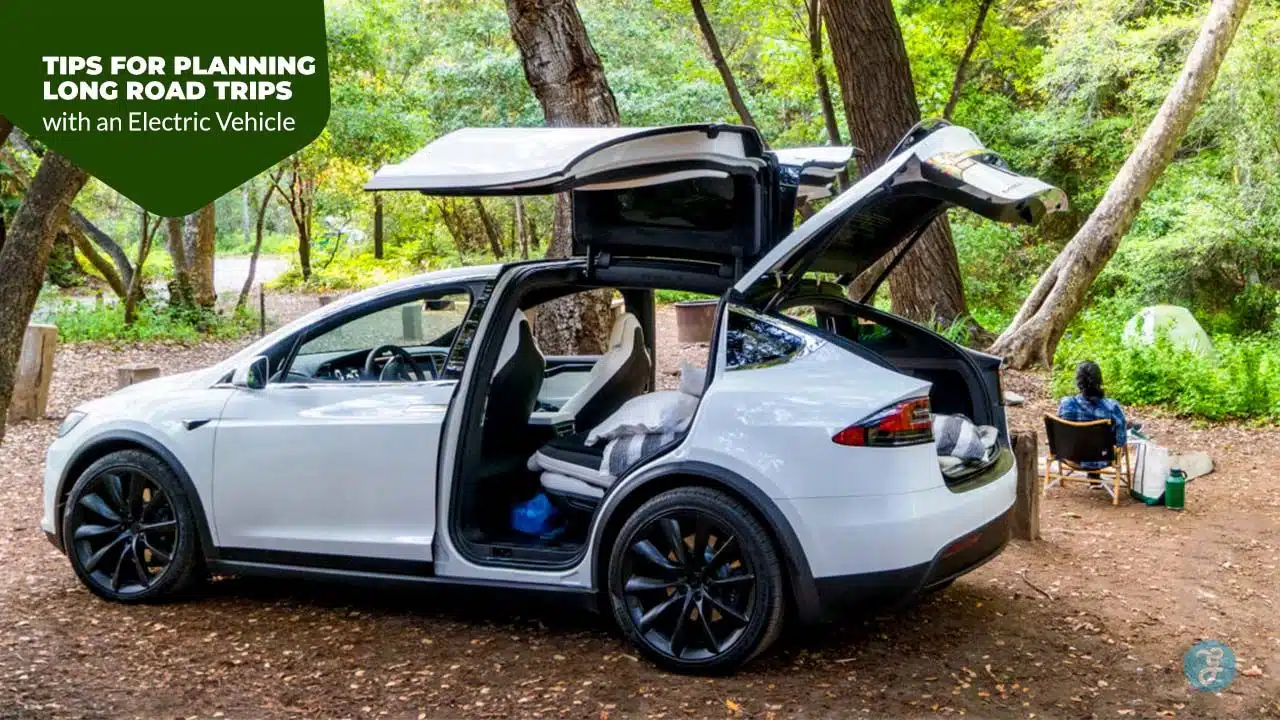
Planning a road trip can be exciting, but when it involves an electric vehicle (EV), some unique considerations come into play. From managing charging stops to optimizing range, careful preparation ensures a smooth journey.
These tips for planning road trips with electric vehicles will guide you through the process, making your adventure not only feasible but also enjoyable and eco-friendly. With the growth of charging infrastructure and the continuous improvement of EV technology, there’s no reason your road trip dreams can’t become a reality.
This guide is packed with practical advice to help you embark on your EV journey with confidence.
Understanding the Unique Challenges of EV Road Trips
Before diving into the tips, it’s essential to understand what makes EV road trips unique:
- Limited Charging Infrastructure: While the number of charging stations is growing, they aren’t yet as ubiquitous as gas stations, especially in rural areas.
- Longer Charging Times: EVs take more time to charge than traditional cars take to refuel.
- Weather Impact: Temperature extremes can affect battery performance, reducing range significantly.
- Range Anxiety: The fear of running out of charge before finding a station can be stressful.
With these challenges in mind, let’s explore how you can overcome them.
7 Game-Changing Tips for Planning Road Trips with Electric Vehicles
Explore seven essential strategies to make your electric vehicle road trips stress-free and enjoyable. From planning charging stops to maximizing battery efficiency and finding EV-friendly accommodations, these practical tips will prepare you for an unforgettable eco-friendly journey.
1. Map Out Charging Stations Along Your Route (Expanded)
Before hitting the road, research and plan your charging stops. Use apps like PlugShare or A Better Routeplanner to locate chargers along your route. Prioritize fast chargers for efficiency and always have a backup plan in case a station is out of service. These tips for planning road trips with electric vehicles ensure you’re never caught off guard.
How to Plan Charging Stops
- Use EV-specific apps to map out charging stations along your route.
- Check for station reviews, real-time availability, and compatibility with your vehicle.
- Prioritize fast chargers on highways for quicker top-ups.
Popular EV Charging Apps:
| App Name | Key Features | Availability |
| PlugShare | Maps all public chargers, reviews, and filters for fast chargers. | Global |
| A Better Routeplanner | Calculates optimal routes with charging stops tailored to your EV make and model. | Global |
| ChargePoint | Provides details on charging stations, mobile payments, and real-time status updates. | North America, Europe |
| EVgo | High-speed chargers along major highways in the US; payment integration with major EV brands. | United States |
Key Considerations for Planning Stops:
- Distance Between Stations: Ensure you have a station within every 50-100 miles.
- Backup Options: Always identify alternate stations in case your primary choice is out of service.
Pro Tip: Familiarize yourself with your vehicle’s charging connector type (e.g., CCS, CHAdeMO) to ensure compatibility with chargers.
2. Plan for Extra Time for Charging (Expanded)
Unlike filling up a gas tank, charging an EV takes time. Factoring in charging breaks is critical for maintaining your schedule and making the most of your journey.
Charging Speed by Level:
| Charging Level | Charging Speed | Ideal Use Case |
| Level 1 | 3-5 miles of range per hour | Overnight at home or in emergencies. |
| Level 2 | 20-30 miles of range per hour | Hotels, workplaces, and shopping malls. |
| DC Fast Charger | 60-80% charge in 30-60 minutes | Long road trips and highways. |
How to Utilize Charging Breaks:
- Explore Local Attractions: Look for nearby parks, museums, or scenic spots.
- Plan Meals Strategically: Choose restaurants close to charging stations.
- Rest and Recharge: Use the downtime to stretch, relax, or nap.
Tips to Reduce Charging Downtime:
- Start your trip with a full charge from home.
- Combine charging stops with planned breaks for sightseeing or meals.
- Use high-speed chargers whenever available.
Pro Tip: Charging from 10% to 80% is usually faster than charging to 100%. Plan to stop charging once you reach 80%, unless you’re staying overnight.
3. Optimize Your EV’s Range (Expanded)

Driving efficiently and taking steps to extend your EV’s range can make a significant difference on a long road trip.
Driving Habits to Conserve Battery:
- Maintain a Consistent Speed: Avoid sudden accelerations or high speeds.
- Use Cruise Control: This reduces unnecessary energy usage.
- Avoid Heavy Loads: Minimize weight by packing only essentials.
Weather Considerations:
- In cold weather, precondition your car while it’s plugged in to avoid using battery power for heating.
- In hot weather, park in shaded areas and use window shades to keep the interior cool.
Range Boosting Practices:
| Practice | Impact on Range |
| Drive at moderate speeds | Improves efficiency by 10-20%. |
| Use regenerative braking | Recaptures energy, boosting range by 5-10%. |
| Avoid prolonged idling | Conserves energy. |
Pro Tip: Regularly check tire pressure and alignment to ensure optimal performance.
4. Know Your EV’s Capabilities and Limitations (Expanded)
Understanding your electric vehicle’s capabilities is essential for planning effectively. Every EV has unique specifications that influence its performance on long trips.
Key Specs to Know About Your EV:
- Battery Range: Maximum distance your vehicle can travel on a full charge.
- Charging Compatibility: Types of chargers your vehicle supports.
- Efficiency: How range changes with speed, terrain, and weather conditions.
Weather’s Effect on Battery Performance:
| Condition | Impact on Range |
| Mild Weather | Minimal impact. |
| Cold Temperatures | Range may decrease by 20-30%. |
| Hot Temperatures | Range may decrease by 5-10%. |
Pro Tip: Use your EV’s trip planner feature (if available) to simulate driving scenarios and adjust your plans accordingly.
5. Utilize Energy-Saving Features (Expanded)
Most modern EVs come with advanced energy-saving features that can help you travel longer distances on a single charge.
Energy-Saving Features Explained:
| Feature | Function |
| Eco Mode | Reduces power output for acceleration. |
| Regenerative Braking | Converts braking energy into battery charge. |
| Cabin Preconditioning | Conditions the car while plugged in to save energy. |
Additional Ways to Save Energy:
- Limit the use of heated seats and steering wheels.
- Close windows to reduce aerodynamic drag at high speeds.
- Avoid unnecessary accessories that consume power (e.g., extra lights).
Pro Tip: Use EV-specific navigation apps to find the most energy-efficient routes.
6. Prepare for Emergencies (Expanded)
Even with the best planning, unexpected situations can occur. Preparing for these scenarios ensures you stay safe and stress-free.
Comprehensive Emergency Checklist:
| Item | Purpose |
| Portable EV Charger | Emergency charging in remote areas. |
| First-Aid Kit | Handle minor injuries. |
| Multi-Tool Kit | Basic car repairs. |
| Power Bank | Charge essential devices. |
Pro Tip: Always share your trip details with a trusted contact and check weather conditions along your route.
7. Choose Accommodations with EV Charging (Expanded)
Stay at hotels or lodgings that offer EV charging to start your day with a full battery. Platforms like Booking.com and Airbnb allow you to filter for properties with chargers. Incorporating these tips for planning road trips with electric vehicles makes overnight stays more convenient and stress-free.
Best Platforms to Find EV-Friendly Lodging:
| Platform | How to Find EV Charging Options |
| Booking.com | Use filters for properties with charging facilities. |
| Airbnb | Search for listings with “EV charger” in amenities. |
| Expedia | Hotels with EV charging listed in details. |
Tips for Booking EV-Friendly Accommodations:
- Confirm charger type and availability with the property before booking.
- Look for accommodations close to major routes for easier accessibility.
Pro Tip: Use apps like PlugShare to find hotels near high-speed chargers.
Takeaway
Embarking on a road trip with an electric vehicle offers a unique and rewarding travel experience. With sustainability at its core, an EV journey allows you to explore new places while minimizing your environmental impact. By implementing these tips for planning road trips with electric vehicles, you can transform potential challenges into opportunities for adventure.
From mapping charging stations to optimizing energy efficiency and preparing for emergencies, thoughtful planning ensures a smooth and enjoyable trip. Remember, every journey is a chance to learn, grow, and adapt. With the right tools and mindset, your EV road trip can be as exhilarating as it is eco-friendly. So gear up, embrace the freedom of the road, and let your next adventure leave a positive mark on the planet. Safe travels!