
Picking the wrong platform can quietly cost you 10% or more of every paid subscription, forever. For most writers, beehiiv is the best of the newsletter platforms for paid subscriptions: a 0% platform cut, a built-in ad network, and a usable free plan.
Below, you’ll find a take-home pay chart for all nine, plus the hidden fees nobody mentions.
Quick Comparison: Newsletter Platforms for Paid Subscriptions
Here’s the number that matters most: what each platform keeps from your paid revenue. The chart uses one example, 500 readers paying $10 a month, or $5,000 a month.
| Platform | Platform Cut | Cut on $5,000/mo | Plan Cost to Charge Readers | Best For |
| beehiiv | 0% | $0 | Paid plan (Lite and up) | Growth plus ads |
| Ghost(Pro) | 0% | $0 | From $29/mo, billed yearly | Owning everything |
| Substack | 10% | $500 | Free | Discovery |
| Kit | 3.5% + 30¢ per sale (processing included) | About $325 total | Free up to 10,000 subs | Selling products too |
| Buttondown | 0% | $0 | $9/mo add-on + base plan | Minimal writers |
| MailerLite | 0% | $0 | Paid plan | Budget all-rounder |
| WordPress.com | 0–10% by plan | 0–500 | Free to Commerce | Existing WP sites |
| Patreon | 10% (new pages) | $500 | Free | Multi-format creators |
| Memberful | 4.9% (Standard) | $245 | $49/mo | Paywall on your own site |
Key takeaway: Except for Kit, Stripe’s card fee still comes on top, roughly 2.9% + 30¢ per US card charge. On a $10 subscription, that’s about $0.59 every month.
How to Choose Newsletter Platforms for Paid Subscriptions
Most reviews rank newsletter platforms for paid subscriptions by features. That’s backward. The fee model decides more of your income than any editor or template.
Answer these three questions first:
- How much will you earn? Under about $300 a month in paid revenue, a free platform with a percentage cut is often cheaper. Above that, flat-fee tools usually win.
- Where will new readers come from? If you need discovery, a network like Substack’s matters. If you bring your own audience, it matters less.
- Can you leave with your paying readers? Platforms that connect to your own Stripe account make moving paid subscribers far easier.
The 9 Best Newsletter Platforms for Paid Subscriptions
1. beehiiv: Best Overall
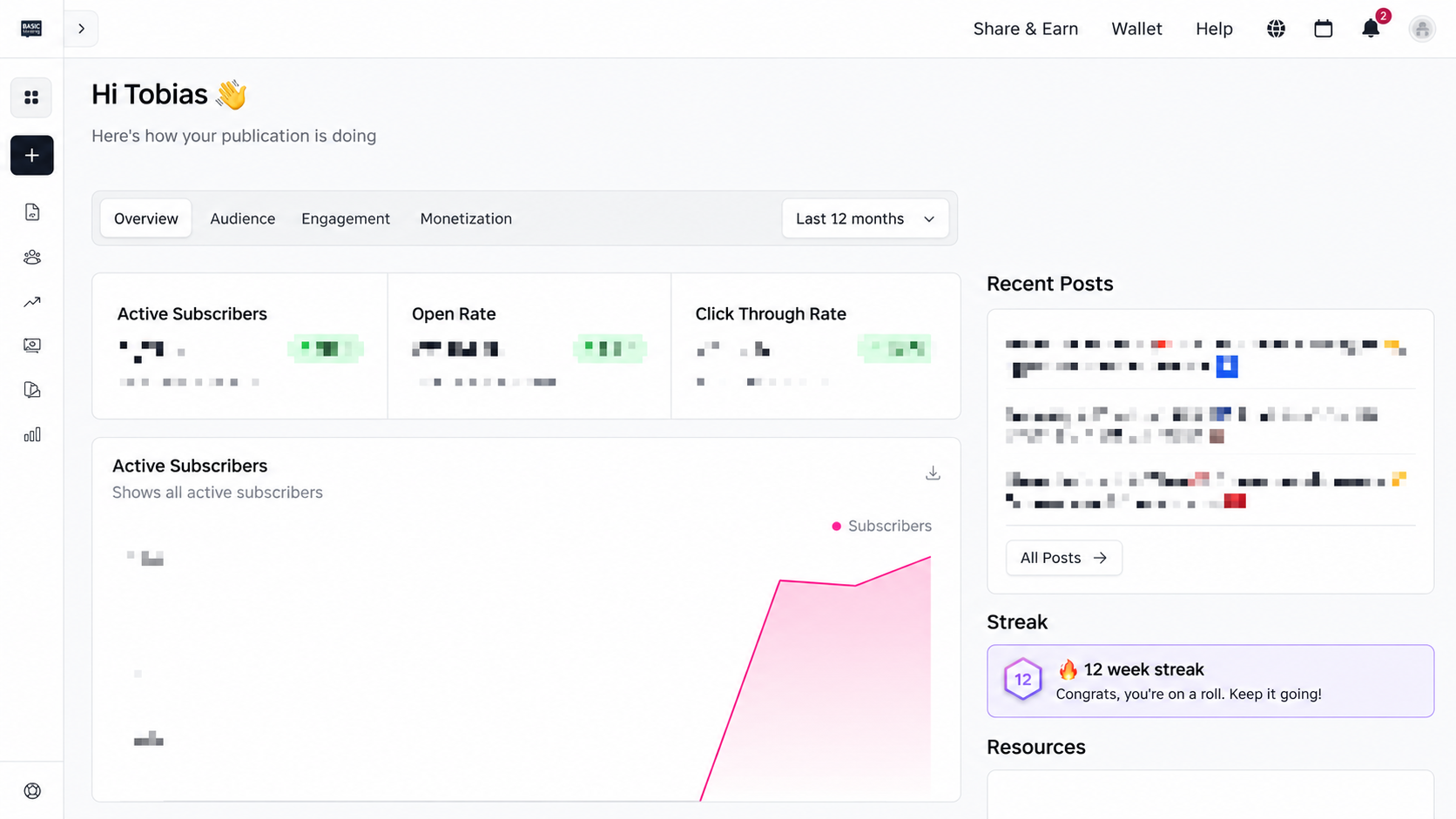
beehiiv takes 0% of your paid subscription revenue. You pay a monthly plan and Stripe’s processing fee, and that’s it. The free plan covers up to 2,500 subscribers with unlimited sends.
Here’s the catch: you can’t charge readers on the free plan. In October 2026, beehiiv renamed its plans to Free, Lite, Pro, and Enterprise, and paid subscriptions start on Lite. Prices scale with your list size, so use the slider on the pricing page before you budget.
The best part? Among newsletter platforms for paid subscriptions, few match its extra income tools. The ad network and Boosts can pay you even before readers start paying.
Cons:
- Pricing climbs with your total subscriber count, free readers included. A big free list raises your bill even if few people pay.
- Removing beehiiv branding has required the higher plan, which annoys writers who want a clean look early.
Who Should Skip This: Writers who will never earn enough to cover a monthly plan. Start free on Substack or Kit instead.
2. Ghost(Pro): Best for Owning Everything
Ghost is open source, run by a nonprofit foundation, and takes 0% of your membership revenue. It gives you a full website, not just a newsletter, with custom themes and real SEO control.
Now, you might be wondering about the cheap Starter plan. Ghost removed paid memberships from Starter in 2025. To charge readers on newsletter platforms for paid subscriptions like Ghost, you need a publisher, from $29 a month billed yearly for up to 1,000 members.
Cons:
- Publisher pricing rises with your member count, free and paid together. Growth costs money even when readers don’t pay.
- There’s no built-in discovery network. You bring every reader yourself.
Who Should Skip This: Brand-new writers with no audience yet who need help getting found.
3. Substack: Best for Discovery
Substack is free to start and takes 10% of paid revenue. Add Stripe’s card fee and a 0.7% billing fee, and a web subscription costs you about 13.6% plus 30¢.
The truth is, writers stay for the network. Notes, recommendations, and the app send real readers to newsletters that would never find them through search alone.
Cons:
- The 10% never drops, no matter how big you get. At $5,000 a month, that’s $6,000 a year.
- Since August 2025, iOS app subscriptions go through Apple. Readers pay more, and Apple pays Substack up to 45 days after the month ends, so your money arrives late.
Who Should Skip This: Writers already earning a few thousand dollars a month who don’t need help with discovery.
4. Kit: Best for Selling Products Too
Kit, formerly ConvertKit, lets you charge readers even on its free plan, which covers up to 10,000 subscribers. Every sale costs 3.5% plus 30¢, with card processing included.
That makes Kit unusual among newsletter platforms for paid subscriptions. Its real strength is automation: tags, welcome sequences, and funnels that sell ebooks or courses next to your paid letter.
Cons:
- The fee applies to every sale on every plan, so it never goes away as you grow.
- The interface is built for marketers. Writers who just want to publish often find it fussy.
Who Should Skip This: Pure writers who don’t sell products and want a simple publishing tool.
5. Buttondown: Best for Minimalist Writers
Buttondown is small, fast, and writer-friendly, with a Markdown editor and no tracking clutter. It’s free for your first 100 subscribers, and paid subscriptions are a $9-a-month add-on with a 0% cut.
Picture this: you open a plain editor, type in Markdown, hit send, and nothing gets in your way. That’s the whole appeal.
Cons:
- Features come as separate add-ons, so the bill grows as you switch things on.
- No discovery network and fewer design options than beehiiv or Ghost.
Who Should Skip This: Writers who want a polished magazine-style website.
6. MailerLite: Best Budget All-Rounder
MailerLite takes 0% commission on paid newsletters and connects to your own Stripe account. You also get landing pages, digital product sales, and automations in one place.
On the flip side, the free plan got much smaller. In June 2026, it dropped to 250 subscribers, and you need a paid plan to charge readers.
Cons:
- Paid newsletters live on landing pages and sites, so setup takes more steps than Substack.
- It’s an email marketing tool first. There’s no reader network or social feed.
Who Should Skip This: Writers who want a “publish and go” experience with zero setup.
7. WordPress.com Newsletter: Best for Existing WordPress Sites
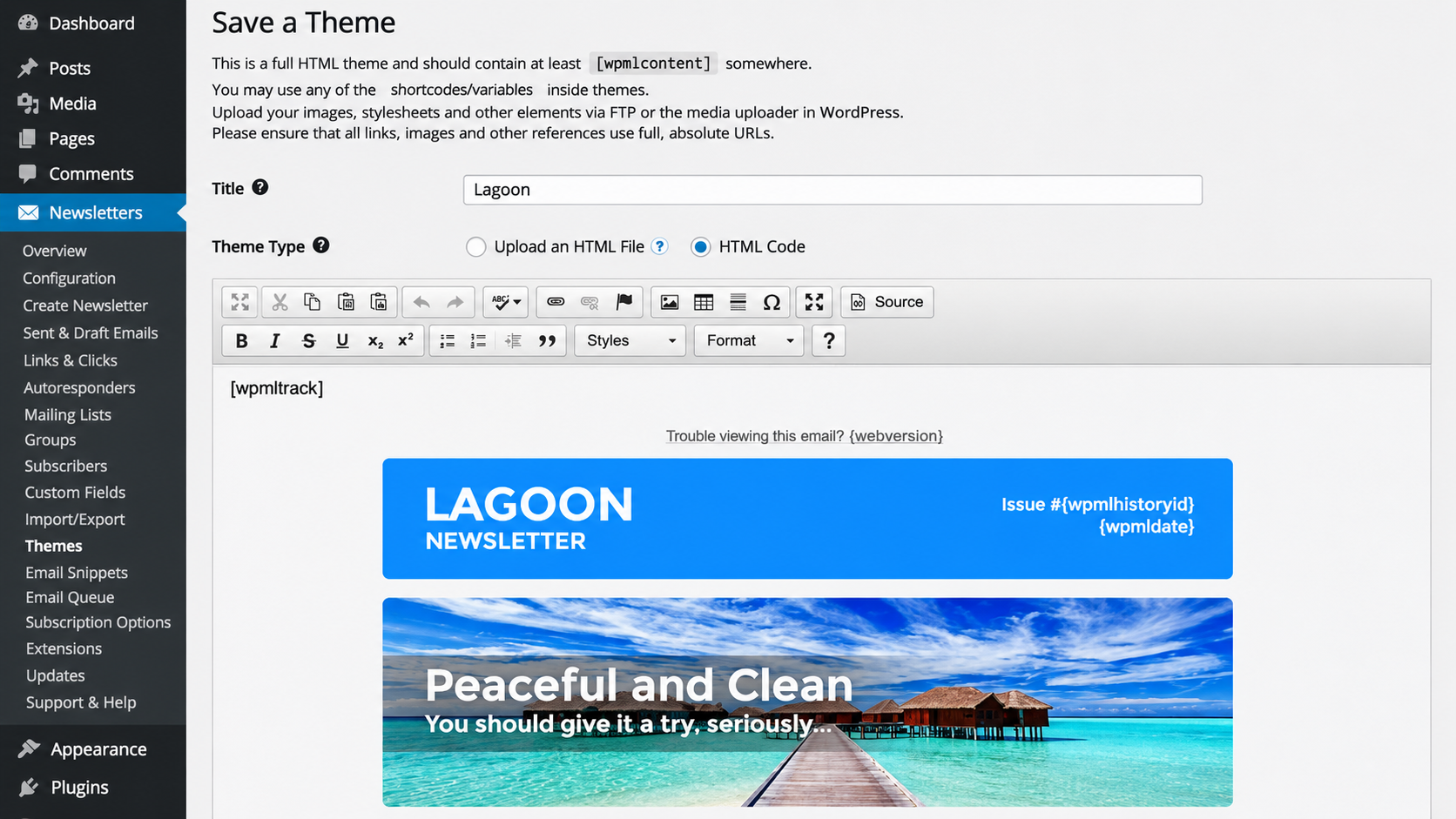
If your blog already runs on WordPress.com, you can add a paid newsletter without moving anything. The fee starts at 10% on the free plan and drops as you upgrade, down to 0% on the top plan.
Bottom line: it’s one of the few newsletter platforms for paid subscriptions where paying more for your plan cuts the revenue fee.
Cons:
- The full WordPress dashboard is heavy for someone who only wants to send emails.
- If your paid plan lapses, the fee jumps back to 10%.
Who Should Skip This: Writers starting from scratch who don’t need a full website.
8. Patreon: Best for Multi-Format Creators
Patreon works when your newsletter is one part of a bigger offer: video, audio, community, and merch. Creators who published their page after August 4, 2025, pay a 10% platform fee, plus about 2.9% + 30¢ in processing.
Here’s the catch: iOS purchases go through Apple’s in-app system with a 30% fee. Apple also pushed Patreon to move all creators onto in-app billing by November 2026.
Cons:
- Your newsletter lives inside Patreon’s app and inbox, not in a branded email product.
- Fees stack fast on iOS, and moving fans off Patreon later is harder than leaving a Stripe-based platform.
Who Should Skip This: Writers whose only product is the newsletter.
9. Memberful: Best for Adding a Paywall to Your Own Site
Memberful, owned by Patreon, adds memberships to a site you already run, often WordPress. The free starter plan takes 10%. The standard plan costs $49 a month plus a 4.9% fee.
It’s the pick when the newsletter is an add-on to an existing site or podcast, not the main product.
Cons:
- You still pay a percentage, even on the paid plan. That’s rare among newsletter platforms for paid subscriptions in this price range.
- Email sending is basic, so many users pair it with another email tool.
Who Should Skip This: Anyone starting a standalone newsletter from zero.
The Hidden Fees Most Reviews Skip
That brings us to the biggest mistake people make: comparing only the headline percentage. Newsletter platforms for paid subscriptions all sit on top of other fees.
- Stripe processing. About 2.9% + 30¢ per US card charge. On a $5 subscription, the 30¢ alone is 6%.
- Stripe Billing. Some platforms pass on a 0.7% recurring billing fee.
- Apple’s in-app cut. Subscriptions bought inside iOS apps can carry a 15–30% Apple fee or a higher price for readers.
- List-size pricing. Flat-fee platforms charge more as free readers grow.
Bottom line: Annual plans dodge eleven of twelve 30¢ charges. Offer a yearly price. Big difference.
Substack vs. Flat-Fee Platforms: Where’s the Break-Even?
At $29 a month for Ghost Publisher, you break even with Substack’s 10% at about $290 a month in paid revenue. Below that, Substack’s “free” is cheaper. Above it, the flat fee wins, and the gap grows every month.
Picture this: you hit 500 paid readers at $10. Substack keeps $500 a month. A flat-fee plan might cost under $100. That’s over $4,000 a year back in your pocket.
One more tip: protect the accounts that hold your money. Turn on two-factor authentication for your newsletter platform and Stripe logins.
Frequently Asked Questions (FAQs)
beehiiv, Ghost, Buttondown, and MailerLite take 0%. You still pay for Stripe processing and a monthly plan.
Is Substack free?
It’s free to publish. Once readers pay, Substack keeps 10% plus Stripe fees.
Can I move paid subscribers from Substack to another platform?
Yes, in most cases. Platforms that use your own Stripe account can usually carry paying subscribers over without making readers sign up again.
Many writers start at $5 to $10 a month, with a yearly discount. Yearly plans also cut per-charge card fees.
Do I need a big list before charging?
No. But a common rule of thumb is that only a small share of free readers convert, so grow the free list first.
Final Thoughts
The best newsletter platforms for paid subscriptions are the ones whose fees fit your stage. Start on Substack or Kit if you have no audience yet, then move to beehiiv or Ghost once paid revenue clears about $300 a month.
Whatever you pick, connect your own Stripe account, offer a yearly plan, and run the take-home math before you launch. Do it once. Save money every month.