


In today’s fast-paced world, understanding finances is not just an advantage—it’s a necessity. For youngsters, mastering the basics of managing money early on can set them up for a future of financial security and independence. The ability to manage personal finances effectively can affect a young adult’s credit score, career choices, lifestyle, and overall well-being. This article will explore why it’s so important for young people to master their finances early and provide actionable tips to help them get started.
1. Financial Literacy Sets the Foundation for Future Security
Financial literacy—the knowledge of how money works and how to manage it—lays the groundwork for future success. From a young age, understanding how to budget, save, and invest can help individuals avoid common financial pitfalls. Many young adults face significant challenges when they enter the workforce or begin their education, and those without financial knowledge are more likely to make poor decisions, such as accumulating high-interest debt or failing to save for the future.
Mastering finances early allows individuals to understand the importance of compound interest, the basics of investing, and how to manage debt. These lessons can help avoid future financial struggles, such as the burden of student loans or living paycheck to paycheck.
2. Building Good Financial Habits Early
The habits people form in their younger years can stay with them for life. When it comes to personal finance, establishing good habits early on can lead to long-term benefits. Simple practices, like paying bills on time, budgeting, saving a portion of income, and avoiding unnecessary debt, can have a huge impact on financial health.
Young people who begin practicing financial discipline early are better equipped to handle larger financial responsibilities, such as mortgages, car loans, and retirement savings. This helps them stay on track even when faced with the temptation of overspending or making impulsive purchases.
By instilling habits like these, youngsters can set themselves on a trajectory toward financial stability that will serve them throughout their adulthood.
3. Understanding Debt and How to Manage It
One of the most significant financial challenges that young people face is the ability to manage debt. Whether it’s credit card debt, student loans, or car payments, understanding how debt works and the impact it can have on one’s financial future is crucial. Young adults who don’t understand how to handle debt can easily fall into cycles of high-interest borrowing, which can be difficult to break free from.
For example, many students graduate from college with substantial student loan debt. Learning how to manage these loans, including understanding options for loan forgiveness or ways to refinance student loans, can help mitigate the financial strain that often comes with a hefty student debt burden. Refinancing student loans is a great option for students who want to lower their interest rates and improve their financial outlook.
Debt management is not just about avoiding it, but also about understanding how to use it responsibly. For example, using a credit card can be beneficial if it’s paid off in full each month, but carrying a balance can quickly lead to high-interest charges that can spiral out of control.
4. Empowering Youngsters to Make Informed Financial Decisions
In today’s world, young adults are constantly bombarded with financial decisions—whether it’s picking a credit card, choosing the best savings account, or deciding between different types of investments. Without a solid understanding of financial principles, it can be difficult to make informed choices. This lack of knowledge can lead to costly mistakes, like choosing high-fee financial products or investing in speculative ventures that end up losing money.
By learning how money works, youngsters are better prepared to assess financial opportunities, identify potential risks, and avoid scams. They can confidently navigate financial products, like student loans, savings accounts, credit cards, and insurance, and choose what best suits their needs and goals.
Education is key. Resources such as online finance courses, workshops, and books can provide valuable knowledge that helps them make well-informed decisions.
5. The Importance of Saving and Investing Early
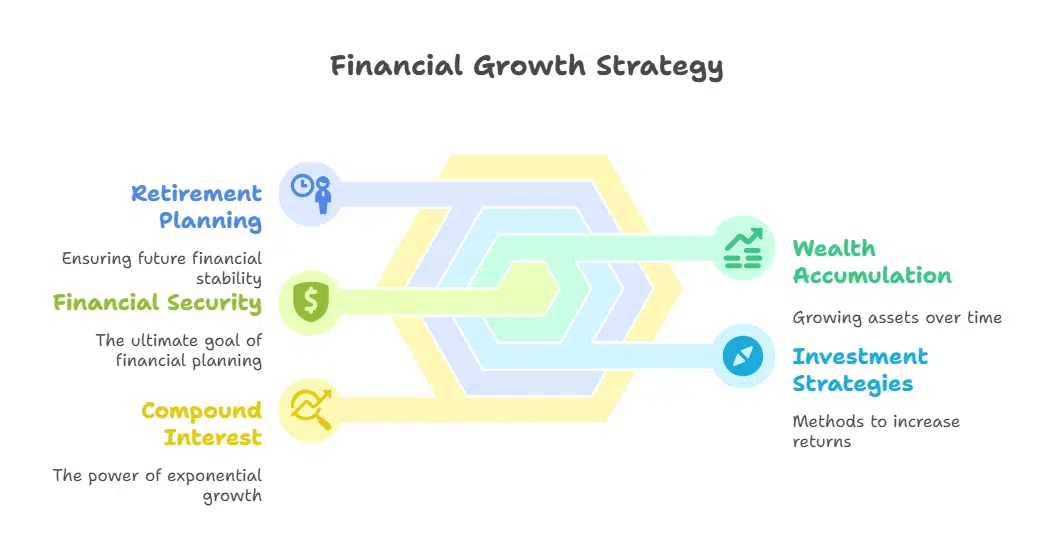
Saving and investing early on can have a huge impact on a young person’s financial future. Compound interest is one of the most powerful tools available when it comes to growing wealth. The earlier someone starts saving and investing, the more time their money has to grow.
Youngsters who understand the basics of investing in stocks, bonds, and mutual funds have the potential to build substantial wealth over time. By learning how to create an investment portfolio that aligns with their goals, they can take advantage of long-term growth and maximize their returns. Even small, regular contributions to an investment account can add up over time.
Additionally, understanding the importance of saving for retirement from a young age can help ensure that young adults don’t face financial stress later in life. Tools like employer-sponsored retirement plans and individual retirement accounts (IRAs) can help them put money aside for the future, where it will grow tax-deferred or tax-free.
6. A Lifelong Skill That Increases Financial Confidence
Financial mastery is not just about numbers—it’s about the confidence that comes from knowing that you can manage your money effectively. When young people understand how to budget, save, and invest, they feel more in control of their financial futures. This sense of control can reduce stress and anxiety about money, which is a significant contributor to mental health issues in adults.
Moreover, being financially independent is a source of pride and can open doors to opportunities such as starting a business, investing in real estate, or pursuing personal passions without the burden of financial uncertainty. Confidence in managing finances allows young people to make decisions that align with their values and goals, without fear of making mistakes or falling into debt traps.
7. Financial Education Resources for Youngsters
There are many resources available to help young people learn about finance. Schools, community programs, and even online platforms offer a wealth of materials on everything from budgeting to investing. Websites like Investopedia provide comprehensive articles, tutorials, and guides that can help individuals understand various financial concepts.
Young people can also benefit from financial apps and tools that make managing money easier. Budgeting apps, savings calculators, and investment platforms can provide hands-on experience in financial management.
Conclusion
Mastering finances at an early age is a crucial step in achieving long-term financial success and independence. By understanding the basics of budgeting, saving, debt management, and investing, young people can make more informed decisions and avoid costly financial mistakes. The skills and habits they develop now will set them up for a future of financial security and confidence, giving them the freedom to pursue their goals without the stress of financial uncertainty. It’s never too early to start learning about finances, and the earlier they begin, the better prepared they will be for the future.






















