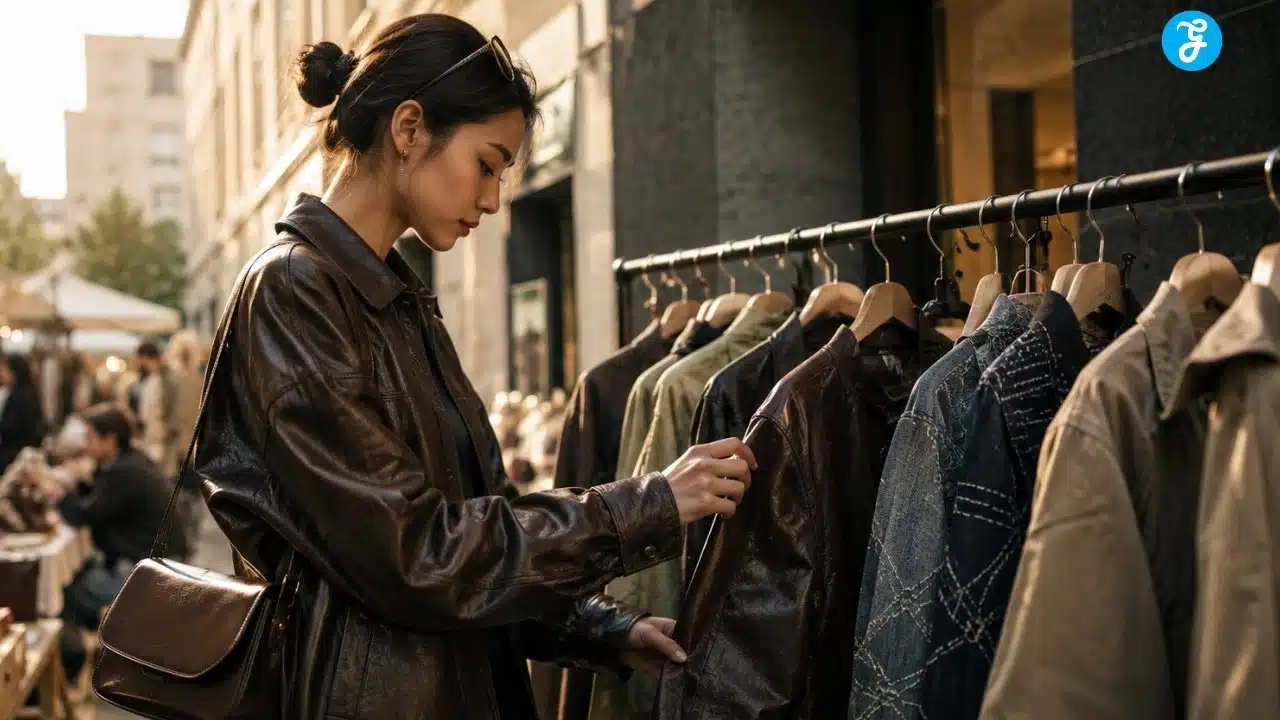
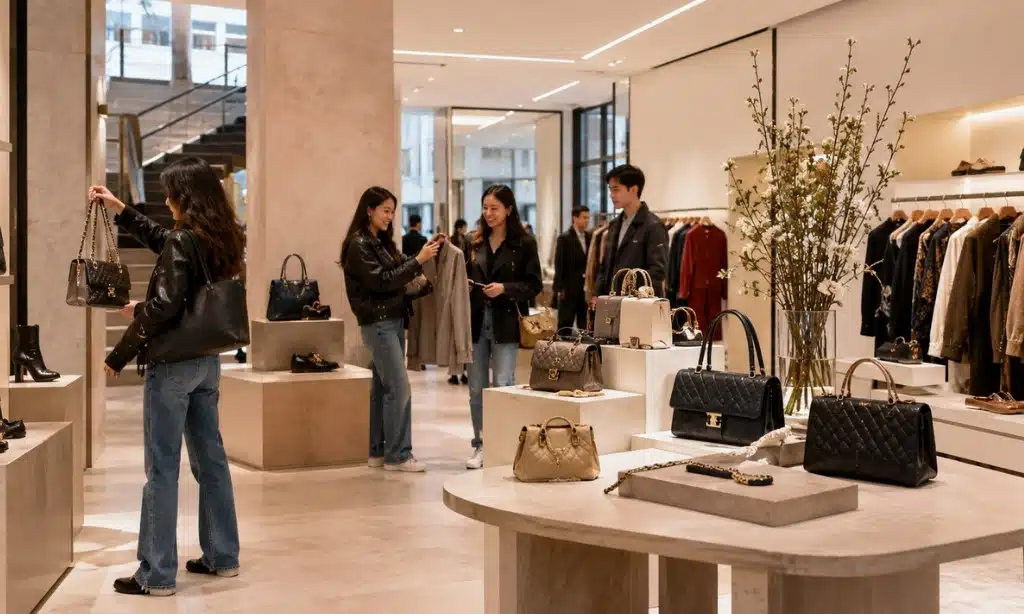
Imagine a pristine flagship store on Fifth Avenue. The air is sterile. The floors are polished to a mirror finish. Dozens of identical leather bags sit on pedestals. This used to be the pinnacle of aspiration. But in 2026, the energy has shifted elsewhere. The real crowd is gathering for a curated vintage drop or hitting refresh on a furniture flipping reveal. This surge in interest has propelled the luxury resale market into a global powerhouse. Led by a massive Gen Z luxury resale boom, the thrill is no longer in the transaction. It is in the discovery.
We are witnessing the death of newness. The prestige once attached to a factory seal is fading fast. Today, a brand-new item can sometimes feel less distinctive than a rare, well-kept piece that reflects both taste and environmental awareness. The ultimate flex is now the find. It might be a rare 1990s archival piece or a perfectly repaired heirloom. These objects carry a story. They signal that the owner has the taste to choose quality and the ethics to reject waste. Luxury has been decoupled from the assembly line. It is now defined by rarity, authenticity, and longevity.
This shift has a name: underconsumption core. It is the defining aesthetic of the decade. It moves past the loud logos of the last century. Instead, it celebrates the beauty of a life lived with less. It is about keeping what you have and choosing what you add with extreme care. In an age exhausted by excess, owning something old and keeping it beautiful is the new high status signal. Luxury is no longer about being the first to own something. It is about being the one who keeps it forever. This is how a new generation is quietly rewriting the rules of the world.
The Strategic Shift Within the Luxury Resale Market
In 2026, the global luxury resale market is estimated at about $41.6 billion, up from roughly $37.9 billion in 2025. This represents a nearly 10 percent year-over-year climb. Buying a designer item is no longer just a retail purchase. It has become a sophisticated entry into a thriving circular economy.
Why a Handbag Is the New Blue Chip Stock
For the modern shopper, a closet is essentially a portfolio. Nearly half of all luxury buyers now check the potential resale value before they swipe their cards. They treat a rare handbag or a limited-edition timepiece like a stock or a bond. The goal is to own an item that holds its value or even appreciates over time. This investor mindset has transformed the Gen Z luxury resale boom from a fleeting trend into a permanent economic pillar. Some buyers now look for ‘investment pieces’ that may retain value over time, though luxury resale items remain less liquid and less predictable than traditional investments.
From Survival Thrifting to the Strategic Flex
Inflation fatigue has changed how we view a bargain. Constant economic pressure has made traditional retail prices feel like a burden. Recent Deloitte survey data found that 48% of Gen Zs and 46% of millennials do not feel financially secure. This reality has rebranded frugality. What was once a survival tactic is now a sign of intelligence. Thrifting is a strategic flex that proves the shopper is too smart to pay a 400 percent markup for something new. It shows a level of financial discipline that has become a high status trait in its own right.
The Primary-Secondary Loop and Retail Disruption
The boundary between old and new has officially dissolved. A significant 58 percent of high-income shoppers now prefer authenticated secondhand goods over something off the rack. This has created a “Primary-Secondary” loop that keeps money moving within the circular market. Traditional retail cycles are struggling to keep up. When a buyer can find a pristine, authenticated version of a “sold out” item online for a better price, the traditional storefront loses its power. This shift is forcing brands to rethink their entire production model to stay relevant in an age of underconsumption core.
The Visual Language of Underconsumption Core
A new look is dominating social feeds, but it lacks the gloss of previous years. It focuses on the beauty of a life already lived. This aesthetic values the character found in used objects over the perfection of something fresh out of a box. It is a quiet movement that celebrates having just enough.
The Beauty of the Well-Worn Object
The visual markers of underconsumption core are distinct and tactile. Think of a leather boot that has been resoled three times. Picture a pair of vintage jeans featuring visible sashiko stitching to mend a tear.
On TikTok and Instagram, “non-haul” videos are going viral. Instead of showing off bags of new clothes, creators show the items they have owned for a decade. They show nearly empty lipstick tubes and panned makeup palettes. This content celebrates the “finish” rather than the “purchase.” It proves that the item was actually useful enough to be used up.
Rejecting the Ghost of Influencer Hauls
The loud, performative consumption of the 2010s has lost its charm. Younger shoppers are actively rejecting the “fast fashion haul” culture that once defined the internet. There is a growing sense of fatigue toward the endless cycle of “unboxing” videos. Gen Z sees through the staged excess. They view massive collections of cheap, identical items as a sign of poor taste and environmental neglect. By stepping away from this noise, they are reclaiming their autonomy from the constant pressure of the trend cycle.
Intentionality and the Capsule Wardrobe
For many, owning less is a path to mental clarity. About 62% of millennial and Gen Z shoppers now evaluate purchases based on long-term utility rather than impulse. They ask if a piece will work in five years before they buy it today. This mindset has turned the “capsule wardrobe” into a major status symbol. A small, curated collection of high-quality pieces represents more than just style. It signals a disciplined mind and a clear set of values. In 2026, the real luxury is not having a walk-in closet full of clothes. It is having a small rail of perfect items that reflect exactly who you are. This is the heart of the Gen Z luxury resale boom. It is a shift from owning everything to owning only what matters.
The Tech and Trust Revolution
Technology has traditionally been the enemy of exclusivity, but in 2026, it is the primary protector of it. The surge in the luxury resale market is no longer held back by the fear of sophisticated fakes. Instead, silicon and software have built a new wall of trust that makes buying a pre-owned bag as secure as walking into a boutique.
AI and the End of the Counterfeit Crisis
The biggest hurdle for the Gen Z luxury resale boom was always the “superfake.” Today, platforms like The RealReal have significantly reduced that risk through AI-supported and expert-led authentication. Its Athena AI system had 35% of items fully flowing through the workflow by the end of Q1 2026, with The RealReal targeting nearly 50% by year-end. This technology uses high-resolution imaging and massive data sets to spot microscopic inconsistencies that the human eye might miss. By automating the authentication of high-volume items, AI has removed the friction and the risk. This shift has turned the secondary market into a transparent, verified environment where quality is a guarantee. While The RealReal leads with automation, global giants like Vestiaire Collective have scaled their ‘Trust Report’ initiatives, and eBay has expanded its Authenticity Guarantee to include high-tech verification for watches and jewelry, creating a unified front against the counterfeit trade.
The Rise of Wardrobe Rentals and Access
The global fashion rental market is estimated to reach about $2.84 billion in 2026 as consumers prioritize access over accumulation.
Subscription-based models and peer-to-peer platforms are booming. They allow users to enjoy the high-status feel of a designer gown or a rare accessory for a fraction of the retail price. This model feeds into the underconsumption core philosophy. It allows for variety without the ethical or financial burden of permanent possession.
The Right to Repair as a Badge of Honor
Repairing an item has moved from a sign of necessity to a symbol of character. The “Right to Repair” movement is flourishing across global cities. In 2026, about 68 percent of luxury companies offer official repair or refurbishment services. Fixing a cracked phone screen or visible mending on a luxury knit is now a badge of honor. It shows that the owner values craftsmanship over disposability. A well-placed stitch or a professionally restored leather finish signals a deep, personal connection to an object. It is a quiet rejection of the “use and discard” culture that once dominated the industry.
Ethics as the New Luxury Logo
In 2026, the most expensive thing you can wear is your conscience. The focus of the luxury resale market has shifted from the visible brand name to the invisible impact of the purchase. A generation raised on climate data is now using their spending power as a form of activism.
Climate Anxiety as a Consumer Filter
For many young adults, the dread of a warming planet has turned into a practical checklist. Research shows strong sustainability intent among younger shoppers, with many Gen Z consumers saying they want higher-quality or more sustainable alternatives to fast fashion.

They do not just want a beautiful product. They want a clean history. This shift has made “pre-loved” items the default choice for the ethically minded. Choosing secondhand is no longer about settling for less. It is a deliberate move to lower your personal carbon footprint. It is a way to opt out of the waste cycle while still participating in high-quality style.
The Era of Brand Accountability
Traditional luxury houses are finally playing catch up. To stay relevant, major names like Gucci and Patagonia have launched their own official resale and repair platforms. They realize that they can no longer ignore the Gen Z luxury resale boom. If a brand does not help its customers keep their items in circulation, it risks being seen as part of the problem. Brands are now expected to take responsibility for the entire lifespan of what they create. This level of accountability is the new standard for luxury in 2026. It has moved beyond a marketing slogan into a core business requirement.
Choosing Unscripted Transparency
The era of over-polished, perfect advertising is coming to an end. Today, consumers demand a raw and unscripted look at how things are made. They want to see the workshop, the repair process, and the real people behind the brand. This demand for transparency is a key pillar of underconsumption core. People value a brand that admits to its flaws and shows a path toward improvement. They are looking for honesty over perfection. A scuffed heel or a faded fabric tells a story that no glossy billboard can replicate. In 2026, truth is the ultimate status symbol.
The Expansion Into the Digital Home
The resale revolution has moved from the closet to the living room. Younger homeowners are turning their backs on mass-produced pieces that fall apart within a year. They are looking for solid wood and unique shapes that stand the test of time. This shift is turning home decor into a statement of both skill and sustainability.
The Rejection of Fast Furniture
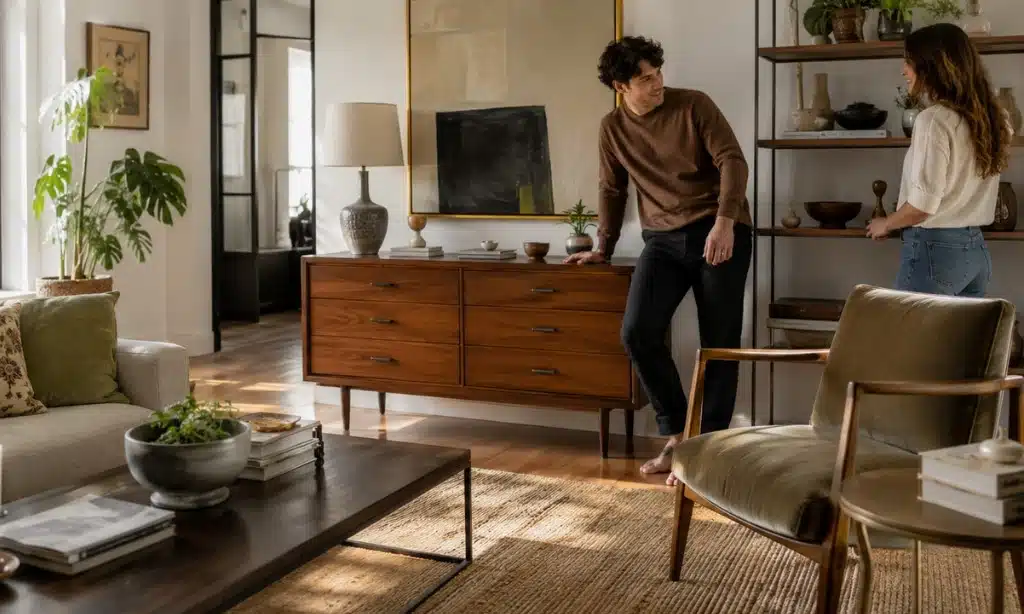
Furniture flipping has become a dominant creative outlet in 2026. People are rescuing mid-century dressers from landfills and restoring them with modern finishes. This is a direct strike against the “fast furniture” industry. Consumers are tired of cardboard backing and plastic veneers. They want weight and history. By investing in vintage pieces, they are creating homes that feel permanent and grounded. It is a practical application of underconsumption core that turns a living space into a gallery of saved objects.
Curating a Thrifty Digital Identity
In a world driven by algorithms, individuality is hard to find. Everyone sees the same ads and the same trendy interiors. Gen Z uses thrifted finds to break this cycle of sameness. A one-of-a-kind lamp or a handwoven rug from the luxury resale market becomes a digital signal. It tells their followers that they have the patience to search and the eye to curate. This is how they build a digital persona that feels authentic rather than bought. They are not just decorating a room. They are signaling a refusal to be predictable. In 2026, the ultimate home flex is owning something that nobody else can simply click and buy.
The New Rules of Aspiration
- Investment Over Impulse: Modern closets are becoming more strategic. By prioritizing resale value and long-term use, consumers are helping turn fashion into an estimated $41.6 billion luxury resale market. For many buyers, each purchase is no longer just a short-term expense. It is a carefully chosen item that may retain value over time.
- Verification as the Trust Anchor: Proprietary AI tools and blockchain-linked Digital Product Passports are becoming important signals of trust. Verified provenance now helps reduce counterfeit anxiety and gives buyers more confidence in secondary transactions.
- Longevity as the Ultimate Flex: Visible mending, once seen as a sign of necessity, is now becoming a high-status aesthetic. The “Right to Repair” movement elevates storied objects and shows that an item’s history can be just as valuable as factory-newness.
- Radical Intentionality: “Underconsumption core” rewards the discipline of refusal. Status is increasingly tied to the “non-haul,” where the real flex is a curated life shaped by fewer, better, and longer-lasting choices.
- Conscience as Currency: Sustainability is becoming the new luxury logo. For many young shoppers, a product’s lifecycle, repairability, and environmental transparency now play a major role in how prestige is judged. Ethical alignment is becoming one of the decade’s most powerful status signals.
The New Elite: Curating a Life of Intent
The era of relentless excess is over. We have entered the age of intent. The cultural momentum has shifted away from the conveyor belt of newness and toward a more thoughtful way of living. In 2026, the luxury resale market is not just a place to shop. It is a place where values are put into practice. The Gen Z luxury resale boom has proven that young consumers are no longer interested in being passive buyers. They are curators. They are investors. They are the new guardians of quality.
This transition marks a fundamental change in what we find aspirational. Status used to be about how much you could accumulate. Today, it is about how much you can afford to leave on the shelf. The most influential people of this decade are not the ones with the largest collections. They are the ones with the most discipline. They embrace underconsumption core by choosing one perfect, storied object over a dozen disposable ones. They find power in saying no to the noise of the trend cycle.
True wealth is now measured by the depth of a story rather than the height of a price tag. The new “Top 1%” are those who curate their lives with the most intention and the least waste. They value the visible mend over the hidden flaw. They understand that a life lived with less is often a life lived with more meaning.
Picture a young professional at a high-end gala in New York. They are surrounded by high fashion and bright lights. But they are not wearing something from this season’s runway. They are proudly sporting a vintage blazer with a visible, beautiful sashiko repair on the sleeve. In 2026, that stitch is the ultimate status symbol. It tells the world that the wearer has taste, history, and a future. It is the final word on what it means to live well in a changing world.
Frequently Asked Questions (FAQs) on Luxury Resale Market
How do I verify if a resale platform’s AI is actually reliable?
In 2026, reliability is measured by “multi-modal verification.” Look for platforms that combine proprietary systems like The RealReal’s Athena or Entrupy with human expert oversight. Top-tier services now offer “Authenticity Guarantees” backed by financial bonds; if an item is later proven counterfeit, the platform provides a a refund or buyer protection if the item is later proven counterfeit.
Which luxury items currently offer the highest “investment yield” in 2026?
Beyond the classic Hermès Birkin, the 2026 market is seeing stronger interest in rare archival pieces, limited-edition releases, and sustainable luxury collaborations. Some vintage collections from the late 1990s and early 2000s, often grouped under the “Y2K Archive” trend, have shown strong resale appreciation. However, performance varies widely by brand, rarity, condition, cultural relevance, and buyer demand.
Can underconsumption core actually hurt the resale value of my items?
Surprisingly, no. Underconsumption core celebrates “visible mending” and “patina.” In the current secondary market, a high-end leather bag with professional, aesthetic repairs or a “well-loved” character often sells faster than a sterile, unused piece. Buyers are seeking “storied objects,” meaning proof of maintenance (repair receipts) can actually maintain a higher price floor than a neglected “new-in-box” item.
How do digital IDs and NFC chips work in the resale process?
Many luxury houses now embed NFC chips or link items to blockchain-based Digital Product Passports. When reselling, you simply scan the item with a smartphone to transfer the “digital deed” to the new owner. This provides an immutable chain of custody, effectively ending the “counterfeit anxiety” for high-stakes transactions in the luxury resale market.