

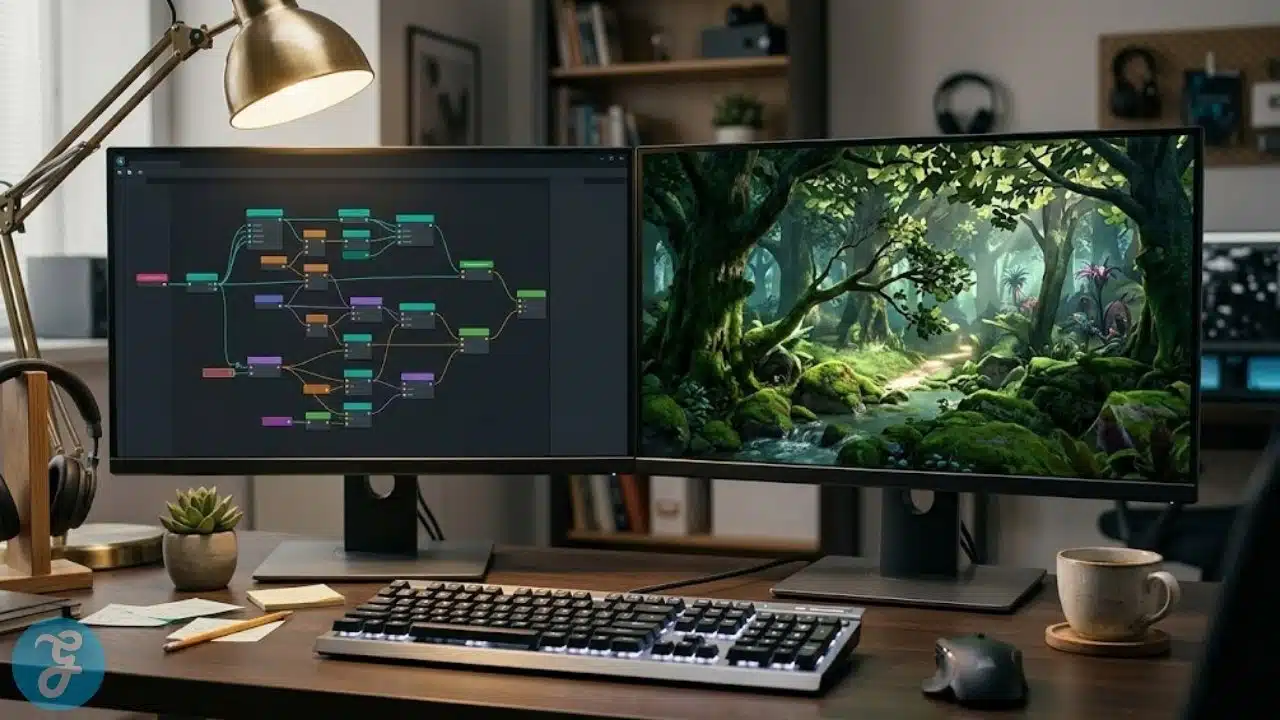
The barrier to entry for game development has transitioned from a fortified wall to a welcoming open door, thanks to a radical shift in how we build digital worlds. While the industry giants once dominated the landscape with monolithic proprietary software, the rise of specialized Game Engines from agile SMEs is now fueling a creator economy valued at over $1.5 billion in 2025. Today, a single developer can deploy a complex multiplayer experience from their living room using AI-native tools and “no-code” platforms that were previously unimaginable.
This democratization of development isn’t just a trend; it’s a structural shift in the global gaming market, which is projected to expand significantly through 2035 as these specialized engines become the backbone of both entertainment and the emerging industrial metaverse. Identifying which platform aligns with a specific creative vision requires understanding the technical filters used to categorize these modern building blocks.
Our Selection Criteria
Selecting the leading engine providers in the United States involved a rigorous assessment of how these platforms address the modern bottlenecks of game production. We focused on the following specific performance metrics:
-
Democratization Potential: The inclusion of AI-native, low-code, or no-code features that allow non-programmers to build high-quality games.
-
Infrastructure Depth: For backend-focused engines, we looked at the robustness of live-service features, including matchmaking, telemetry, and monetization.
-
Deployment Speed: How quickly a platform allows a developer to move from a conceptual prompt to a live, playable, and publishable product.
-
Market Resilience: Companies that have demonstrated strong growth, successful funding rounds, or widespread adoption within the creator community by early 2026.
These criteria ensure that the following list represents the actual cutting edge of the American software development landscape.
Top 10 SMEs Specializing in Game Engines
The following US-based organizations are currently redefining the limits of interactive software. Here is our curated breakdown of the independent specialists leading the charge in the evolution of modern development tools.
Understanding the difference between a visual engine and a backend engine is critical for any studio planning a long-term live-service project.
1. Pragma
Headquarters: Culver City / Los Angeles, California
Website: pragma.gg
Email: press@pragma.gg
Pragma serves as the “brain” for modern multiplayer titles, functioning as a specialized backend game engine. While other platforms focus on how pixels look, Pragma focuses on how players interact, managing the massive logistical weight of matchmaking, account systems, and live operations. It is a critical piece of infrastructure for studios that want to build “forever games” without spending years developing their own internal server architecture.
Best Feature/For:
-
Live-service multiplayer and social games that require enterprise-grade matchmaking and monetization systems.
Why We Chose It:
-
It is a leading backend engine that covers everything from telemetry to analytics in a single package.
-
The platform allows studios to focus on gameplay while Pragma handles the complex “plumbing” of online services.
Things to consider:
-
This is not a visual builder; you will still need a frontend engine like Unity or Unreal for rendering and physics.
As artificial intelligence moves from a gimmick to a foundational tool, new platforms are emerging to automate the heavy lifting of asset creation.
2. Jabali AI
Headquarters: Los Altos, California
Website: jabali.ai
Email: business@jabali.ai
Jabali AI is an AI-native engine designed to completely democratize the game creation process through a no-code platform. By leveraging large-scale generative models, it allows users to describe their game mechanics and worlds in plain language, which the engine then translates into functional logic and assets. It represents the “no-code” future where the speed of thought is the only limitation to production.
Best Feature/For:
-
Rapid prototyping and no-code game creation for developers who want to bypass traditional programming languages.
Why We Chose It:
-
It is one of the first AI-native engines built specifically to lower the technical barrier for new creators.
-
The platform’s focus on democratizing creation aligns with the massive growth of the UGC (User Generated Content) market.
Things to consider:
-
As an AI-native platform, the level of granular, “pixel-perfect” control may be less than what traditional C# or C++ engines provide.
For developers bridging the gap between traditional gaming and decentralized web features, infrastructure must be open and adaptable.
3. Beamable
Headquarters: Boston area, Massachusetts
Website: beamable.com
Email: support@beamable.com
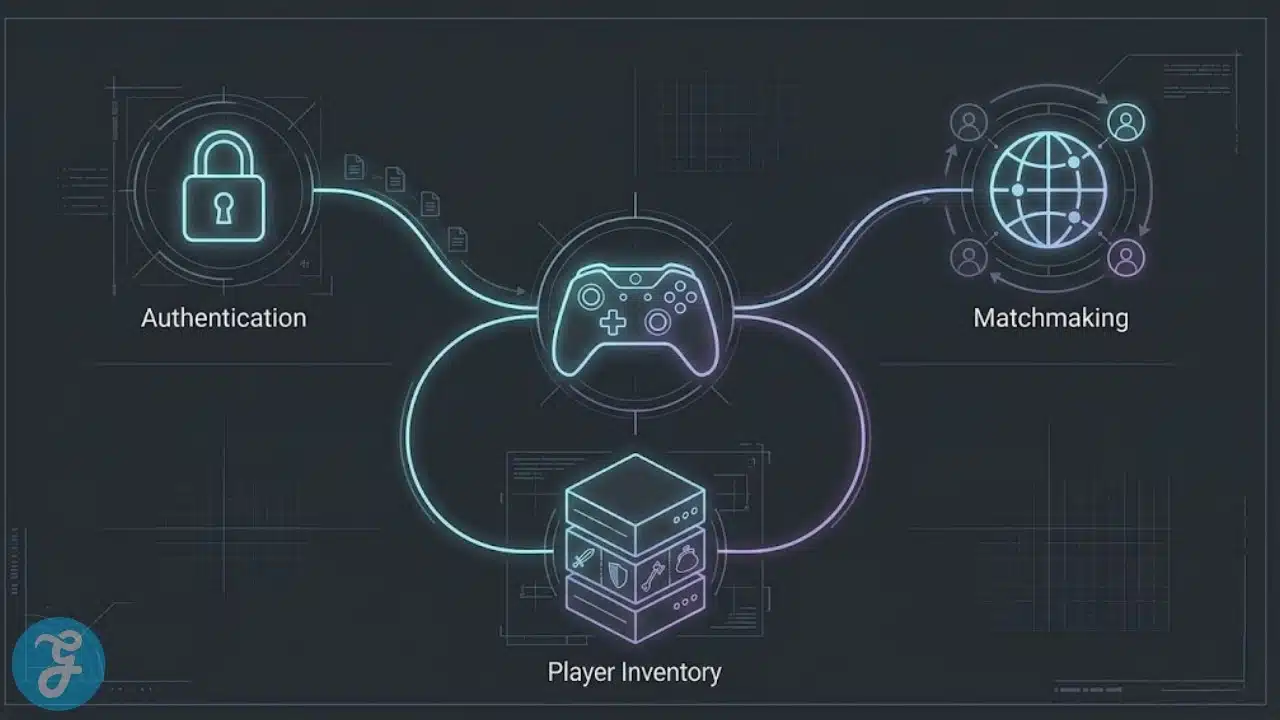
Beamable operates as an open game server and live-services platform that integrates directly into existing development environments. It specializes in the “metagame”—everything from player inventory and commerce to GenAI and Web3 integrations. By providing a unified interface for commerce and social features, it allows developers to build virtual worlds that are economically viable and highly engaging from day one.
Best Feature/For:
-
Online games and virtual worlds that require sophisticated commerce, inventory management, and Web3-ready features.
Why We Chose It:
-
It provides a highly accessible live-services platform that includes player authentication and advanced analytics.
-
Their focus on GenAI and Web3 shows a forward-thinking approach to the next decade of gaming technology.
Things to consider:
-
Developers must ensure their project’s economic model aligns with Beamable’s commerce-heavy feature set.
The rise of the “Metaverse” is driven by platforms that allow players to become the developers themselves within a shared universe.
4. Manticore Games / Core Platform
Headquarters: San Mateo, California
Website: manticoregames.com
Email: Support portal available via website
Manticore Games is the architect behind Core, a massive UGC game-construction platform built on the power of Unreal Engine. It functions as both an engine and a publishing portal, allowing users to build and explore interactive worlds within minutes. By handling the publishing and hosting automatically, it turns game development into a social, collaborative experience similar to high-end social media.
Best Feature/For:
-
Creators and hobbyists who want to build, publish, and host games within a pre-existing social ecosystem.
Why We Chose It:
-
The platform significantly reduces the complexity of multiplayer networking and cloud hosting for creators.
-
It leverages Unreal Engine’s visual power while simplifying the interface for non-technical users.
Things to consider:
-
Games built on Core are typically locked to the Core ecosystem and cannot be exported as standalone console or mobile apps.
Building for the browser requires a specific type of optimization to ensure high-performance multiplayer on low-end hardware.
5. Spatial
Headquarters: New York, New York
Website: spatial.io
Email: Contact form available via website
Spatial has transitioned from a simple meeting tool into a powerful Unity-powered creator toolkit for cross-platform experiences. It allows developers to use professional-grade C# scripting to build complex multiplayer games that run natively in a web browser or on mobile. Its primary strength is its ability to monetize these experiences through integrated virtual economies, making it a favorite for brands and indie social-game developers.
Best Feature/For:
-
Unity developers looking to publish high-quality, cross-platform multiplayer games that run instantly in the browser.
Why We Chose It:
-
The toolkit allows for professional C# scripting, offering more depth than standard drag-and-drop builders.
-
It provides one of the most streamlined routes for building and monetizing social gaming experiences.
Things to consider:
-
Because it is Unity-powered, your development team will still need a foundational knowledge of Unity’s workflow.
Virtual universes are shifting from static rooms to dynamic, creator-led economies where users own the space.
6. Pocket Worlds / Highrise Studio
Headquarters: Austin, Texas
Website: pocketworlds.com
Email: Support request available via website
Pocket Worlds is the driving force behind the Highrise virtual universe, a mobile-first social world where users can build their own games and environments. Highrise Studio provides the engine and tools necessary for creators to build immersive experiences for millions of active users. It focuses heavily on “social-first” game design, where the engine’s features prioritize avatar interaction and virtual item economies.
Best Feature/For:
-
Developers targeting the mobile social-gaming market and virtual avatar economies.
Why We Chose It:
-
They have successfully built a massive, creator-led social universe with a highly active internal marketplace.
-
The engine is specifically optimized for high-concurrency social interaction on mobile devices.
Things to consider:
-
Development is centered around the Highrise platform, making it a “closed” engine suited for its specific social ecosystem.
The most exciting frontier of game development is the transition toward browser-based deployment that requires zero downloads.
7. Rosebud AI
Headquarters: San Francisco, California
Website: rosebud.ai
Email: Contact via community portal on website
Rosebud AI is a cutting-edge “AI game creator” that aims to turn natural language into playable software. It allows users to describe characters, environments, and mechanics, which the engine then builds into 2D or 3D browser games. It is specifically designed for instant deployment, allowing creators to share a link to their playable game on social media as easily as sharing a photo.
Best Feature/For:
-
Rapidly deploying 2D, 3D, and browser games using AI-assisted asset and logic generation.
Why We Chose It:
-
It is a pioneer in the “instant deployment” market, focusing on the friction-less sharing of web games.
-
The platform’s AI-driven approach significantly cuts down on the time required for asset modeling and animation.
Things to consider:
-
The platform is currently optimized for browser-based experiences, which may not suit those looking for high-end VR or 4K console performance.
Simplified visual scripting is the secret sauce behind the most successful hyper-casual mobile titles.
8. Buildbox
Headquarters: West Hollywood, California
Website: buildbox.com
Email: support@buildbox.com
Buildbox is the industry leader in the “drag-and-drop” no-code movement. It was built from the ground up to allow anyone to create professional-quality 2D and 3D games without touching a single line of code. Its interface is designed around visual logic “nodes,” making it an essential tool for rapid prototyping in the hyper-casual mobile game market where speed to market is everything.
Best Feature/For:
-
Hyper-casual mobile games and non-programmers who want a purely visual development environment.
Why We Chose It:
-
It is the most established drag-and-drop game builder, with a massive library of successful mobile titles.
-
The “Smart Asset” system allows creators to drop pre-coded behaviors into their games instantly.
Things to consider:
-
Advanced developers may find the lack of direct coding access restrictive for highly unique game mechanics.
Real-time collaboration is becoming a requirement as remote work becomes the standard for global game development teams.
9. Mirror Engine
Headquarters: Miami, Florida
Website: mirrorengine.io
Email: legal@mirrorengine.io
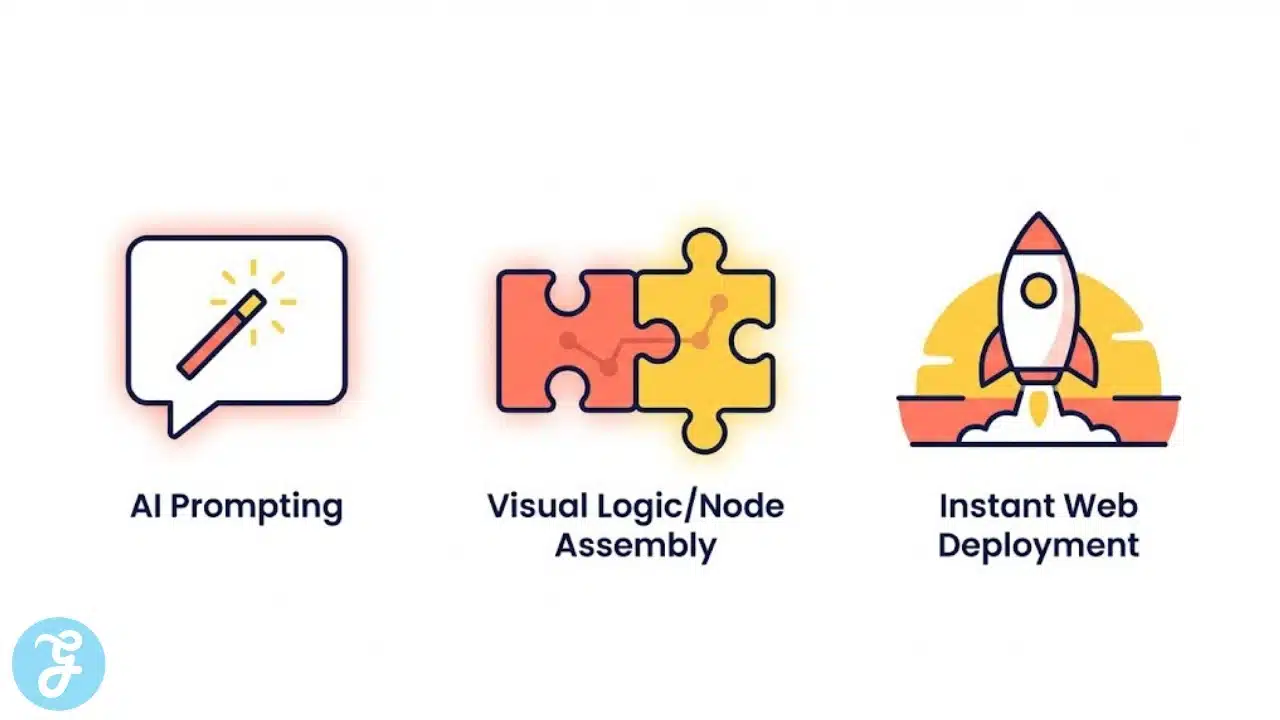
Mirror Engine is a modern, all-in-one platform that focuses on real-time collaboration and next-gen rendering. It uses TypeScript for scripting, which is a massive advantage for web developers transitioning into the gaming sector. The engine includes built-in multiplayer, asset management, and publishing tools, designed to act as a single, unified workspace for distributed teams building high-performance web and desktop games.
Best Feature/For:
-
Distributed teams and web developers who want a TypeScript-native engine with built-in real-time collaboration.
Why We Chose It:
-
It integrates multiplayer and collaborative features directly into the core engine rather than as an add-on.
-
The TypeScript scripting language makes it highly accessible to the massive global community of web developers.
Things to consider:
-
As a newer engine, the community-driven plugin ecosystem is still growing compared to older platforms.
The final evolution of game development is the “plain English” engine, where the AI acts as your primary engineer.
10. CodeWisp
Headquarters: San Francisco, California
Website: codewisp.ai
Email: legal@codewisp.ai
CodeWisp is a Y Combinator-backed AI platform that represents the absolute cutting edge of “prompt-to-game” technology. It allows users to build and publish web games using plain-English prompts, handling everything from the physics to the UI design automatically. It is built for a generation of creators who prioritize the “idea” and “vision” over the traditional technical hurdles of software engineering.
Best Feature/For:
-
Building and publishing web games almost instantly using natural language prompts.
Why We Chose It:
-
It is at the forefront of the generative AI revolution, specifically focusing on the “prompt-to-game” workflow.
-
The platform is backed by YC, indicating a strong technical foundation and potential for rapid scaling in the 2026 market.
Things to consider:
-
The “prompt-based” nature of development means the results can sometimes be unpredictable, requiring iterative prompting to get the exact result.
Comparing the technical focus of these engines helps highlight which platform is right for your specific project scale.
An Overview Of Game Engines
The American landscape of specialized engines is divided into two primary camps: those that handle what the player sees (Visual/AI Creation) and those that handle what the game does (Backend/Live Services). Selecting a provider from this list depends on where your studio’s technical gap lies.
Overview Comparison Table
The following data provides a snapshot of how these SMEs differentiate themselves in the 2026 interactive software market.
| Engine / SME | Primary Technical Focus | Scripting / Logic Style | Key Marketplace Niche |
| Pragma | Backend/Online Logic | Technical Backend | Live-Service Multiplayer |
| Jabali AI | AI-Native Creator | Plain English AI | No-Code Prototyping |
| Beamable | Live-Services Meta | Unity/C# Integration | Virtual World Commerce |
| Manticore Games | UGC Platform | Lua / Visual Editor | Social Game Creation |
| Spatial | Cross-Platform Web | C# Scripting | Brand & Social Web Games |
| Pocket Worlds | Mobile Social World | Visual/Avatar-Based | Mobile Avatar Economy |
| Rosebud AI | AI Browser Games | Prompt-to-Game | Instant Web Deployment |
| Buildbox | No-Code Drag-and-Drop | Node-Based Visual | Hyper-Casual Mobile |
| Mirror Engine | Collaborative Web | TypeScript | Real-Time Team Dev |
| CodeWisp | Prompt-to-Game | Plain English AI | Hyper-Fast Web Publishing |
Evaluating these diverse creative tools naturally leads to our primary recommendations for specific developmental needs.
Our Top 3 Picks and Why?
Narrowing down the field highlights three developers making exceptional contributions to the game engine landscape. Pragma is our top pick for infrastructure, as its robust backend engine is essential for the longevity of any multiplayer project. Spatial stands out for Unity developers, offering the most professional and scalable route to publishing in the browser. Finally, Buildbox remains our gold standard for no-code development, providing the most proven and accessible path for first-time creators to enter the mobile market.
Understanding the massive growth of these specialized engines requires looking at the broader economic context of the American tech industry.
Why are Game Engines Booming in the USA
The United States leads the development of specialized engine technology because it sits at the intersection of the world’s most advanced AI research (Silicon Valley) and the most mature gaming markets (Los Angeles). In 2026, the demand for Game Engines is no longer limited to entertainment; industries like real estate, healthcare, and education are now using these engines to build high-fidelity simulations. American SMEs have pivoted faster than international legacy giants to integrate “agentic AI” and “no-code” interfaces, ensuring that the next wave of the $1.5 billion engine market is built on US-developed infrastructure.
What’s their secret sauce?
The “secret sauce” of American engine SMEs is their focus on “integration-first” design. Rather than trying to be everything to everyone, companies like Beamable and Pragma design their software to snap into existing pipelines (like Unity or Unreal) like LEGO blocks. This modular approach allows developers to pick and choose the best specialized tools for their specific project, rather than being locked into a single, restrictive ecosystem.
Concluding this analysis requires a look at the future of these platforms and the potential hurdles that creators might face.
The Algorithmic Director: Reflections on the Future of Building
The rapid transition toward AI-native and no-code Game Engines is undeniably exciting, but it brings with it a complex set of “uncomfortable” truths. As we move through 2026, we are entering an era where the “Algorithmic Director” will do most of the heavy lifting. While this democratizes creation, it also threatens to flood the market with “AI-slop” games that are technically functional but lack a distinct human soul or mechanical innovation.
The future of the engine market isn’t just about who can build the fastest prompt-to-game tool; it’s about who can provide the best “human-in-the-loop” interface. The SMEs that will win the next decade are those that use AI to remove the drudgery of coding (like bug fixing and networking) while leaving the creative levers firmly in the hands of the artist. My doubt remains that we may lose the “happy accidents” of traditional coding that often lead to new genres, but the depth of tools like Spatial and Pragma gives me hope that we are simply trading the shovel for a backhoe—the work is faster, but the architect is still human.
To further clarify the implementation of these specialized building tools, addressing common industry questions is essential.
Frequently Asked Questions (FAQs) About Game Engines
What is a “Backend” Game Engine?
A backend engine doesn’t handle graphics or movement; it handles the “server-side” logic. This includes keeping track of player levels, handling payments, and making sure 100 players can stay synchronized in a single match without lag.
Can I build a professional game without knowing how to code?
Yes. Engines like Buildbox and Jabali AI are specifically designed for no-code creation. While they have some limitations in terms of highly unique custom mechanics, they are more than capable of producing professional, commercially successful mobile and web games.
Why are so many new engines browser-based?
The browser is the most accessible platform in the world. By building games that run instantly via a URL (like those made with Rosebud AI or Spatial), developers can bypass the friction of app store downloads and reach a global audience instantly.
Is TypeScript a good language for game engines?
Yes, especially for web-based engines like Mirror Engine. TypeScript is a more secure and structured version of JavaScript, making it very popular for developers who want to build high-performance games that run smoothly on the web.
What is UGC in the context of game engines?
UGC stands for User-Generated Content. Platforms like Manticore Games’ Core are built entirely around UGC, where the “game” is actually a collection of thousands of smaller games built by the players themselves using the engine’s built-in tools.





















