
Maintaining a slim figure doesn’t mean starving yourself or feeling deprived all day. In fact, eating smart can help you feel full longer and prevent overeating.
By choosing the right foods and making a few lifestyle changes, you can enjoy your meals and still achieve your health goals. Let’s explore some effective ways to eat less and feel full longer for a slimmer while feeling satisfied.
1. Start Your Day with Protein-Rich Breakfast

People often refer to breakfast as the most important meal of the day. Eating a breakfast high in protein, like eggs, Greek yogurt, or a smoothie with protein powder, can help you stay full for longer periods.
Protein helps reduce hunger hormones and keeps your energy levels stable, preventing cravings later in the day. Including fiber-rich foods like whole grain toast or berries can also boost satiety and provide sustained energy.
2. Stay Hydrated Throughout the Day
Drinking plenty of water is essential for feeling full. Sometimes, our bodies confuse thirst with hunger, leading to unnecessary snacking. Drinking a glass of water before meals can also help reduce the amount of food you eat by making you feel fuller.
Herbal teas and water-rich foods like cucumbers and watermelon are also great options for staying hydrated. Try to carry a water bottle with you to remind yourself to drink throughout the day.
3. Choose High-Fiber Foods
Foods high in fiber take longer to digest, helping you stay full for longer. Include plenty of fruits, vegetables, whole grains, and legumes in your meals. Fiber-rich foods like oats, beans, apples, and carrots not only help you feel full but also promote good digestion, keeping you healthy and energized.
Foods like oatmeal and flaxseeds, which contain soluble fiber, particularly help you feel full by forming a gel-like substance in your digestive system.
4. Eat Slowly and Mindfully
Taking time to eat your meals slowly allows your body to register when it’s full. It takes about 20 minutes for your brain to get the signal that you’ve had enough to eat. Eating mindfully—savoring each bite, putting your fork down between bites, and avoiding distractions like TV—can help you enjoy your food more and prevent overeating.
Mindful eating also helps you become more aware of your hunger and fullness cues, making it easier to stop eating when you’re satisfied rather than stuffed.
5. Include Healthy Fats in Your Diet
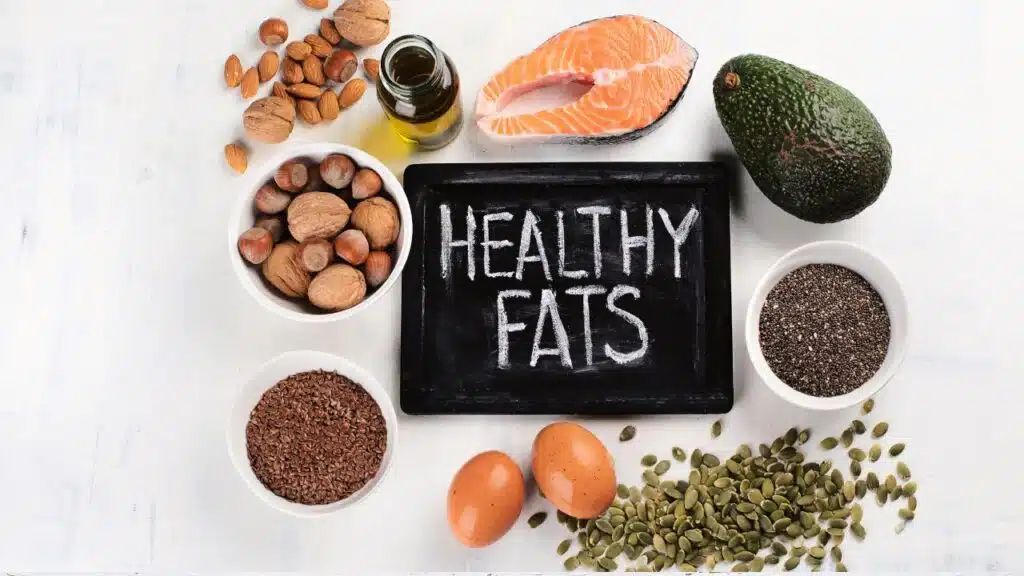
Healthy fats are key to feeling satisfied after meals. Foods like avocados, nuts, seeds, and olive oil provide essential fats that help you feel full and reduce the urge to snack between meals.
Adding a small portion of healthy fats to each meal can make a big difference in how satisfied you feel. For example, adding a drizzle of olive oil to your salad or a handful of nuts to your yogurt can help you stay full for longer.
6. Opt for Smaller Plates
Using smaller plates can trick your brain into thinking you’re eating more than you actually are. This simple visual trick can help control portions without making you feel deprived.
When your plate looks full, your brain is more likely to be satisfied, even if the portion is smaller. Additionally, try to serve your meals in individual portions rather than eating directly from a large container, which can lead to overeating.
7. Avoid Sugary Foods and Drinks
Sugary foods and drinks cause blood sugar levels to spike and then crash, leading to increased hunger and cravings. Instead, choose complex carbohydrates like whole grains, which provide a steady release of energy and help you feel full longer.
If you crave something sweet, go for fruit, which has natural sugars and fiber to keep you satisfied. You can also try pairing fruit with a source of protein, like apple slices with peanut butter, to help keep your blood sugar stable.
8. Eat More Soup and Salads
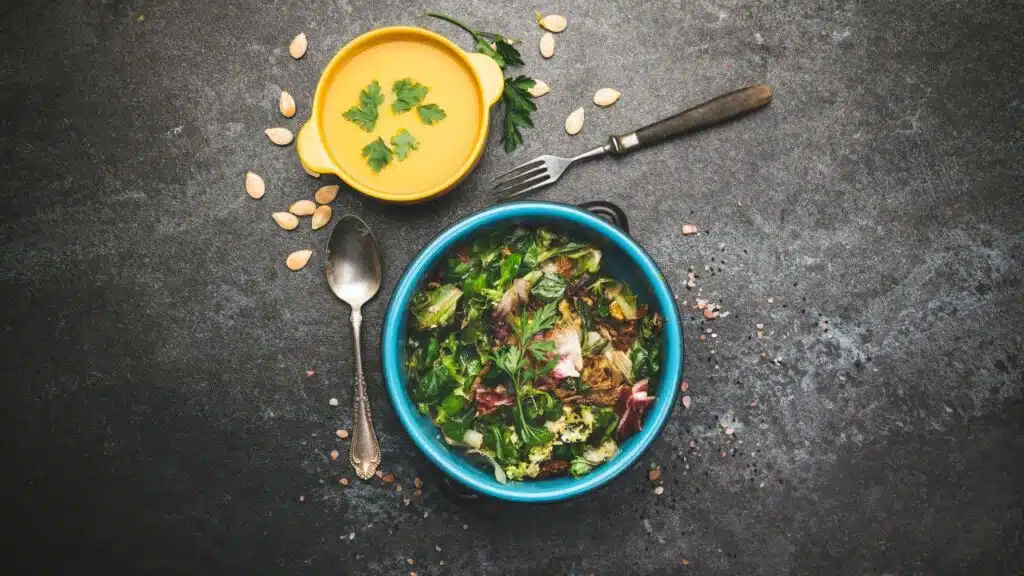
Starting your meal with a low-calorie vegetable soup or a salad can help you eat less during the main course. Soups and salads are high in water and fiber, which can fill you up without adding many calories. Just be mindful of high-calorie dressings or toppings that can add unnecessary calories.
Opt for broth-based soups instead of creamy ones, and choose vinaigrette dressings or use lemon juice to keep your salad light and healthy.
9. Plan Your Meals and Snacks
Planning your meals and snacks ahead of time can prevent impulsive eating and help you make healthier choices. When you know what you’re going to eat, you’re less likely to grab unhealthy, high-calorie foods.
Keep healthy snacks like nuts, fruit, or yogurt on hand to avoid reaching for chips or candy when you get hungry. Meal prepping on weekends can also save time during busy weekdays and help ensure you have nutritious options readily available.
10. Get Enough Sleep
Sleep plays a crucial role in regulating hunger hormones. Lack of sleep can increase the hormone ghrelin, which makes you feel hungry, while decreasing leptin, the hormone that signals fullness. Aim for 7-8 hours of quality sleep each night to help control your appetite and maintain a healthy weight.
Establishing a regular sleep routine and creating a relaxing bedtime environment can improve the quality of your sleep and support your weight management goals.
11. Limit Processed Foods
Processed foods are often high in unhealthy fats, sugar, and salt, which can make you crave more food shortly after eating. Stick to whole, unprocessed foods as much as possible.
Fresh fruits, vegetables, lean proteins, and whole grains are more filling and provide the nutrients your body needs to function well. Reading food labels and choosing options with minimal added ingredients can help you make healthier choices.
12. Manage Stress Levels

Stress can lead to emotional eating, where you eat not because you’re hungry but to cope with emotions. Finding healthy ways to manage stress, such as practicing yoga, meditation, or even taking a walk, can help reduce emotional eating.
When you feel calm, you’re more likely to make healthier food choices. Deep breathing exercises and hobbies like painting or gardening can also be effective in managing stress and reducing the urge to eat for comfort.
13. Incorporate More Vegetables into Your Meals
Vegetables are low in calories and high in volume, making them perfect for adding bulk to your meals without adding too many calories. Incorporate vegetables like leafy greens, bell peppers, zucchini, and cauliflower into your dishes to make them more filling.
You can add extra veggies to omelets, stir-fries, or pasta dishes to increase the portion size while keeping the calorie count low. The fiber and water content in vegetables help you feel full and satisfied.
14. Don’t Skip Meals
Skipping meals might seem like a good way to cut calories, but it can actually lead to overeating later in the day. When you skip a meal, you’re more likely to feel extremely hungry and make poor food choices when you finally eat.
Instead of skipping meals, aim to eat balanced meals at regular intervals to keep your hunger in check. Eating smaller, balanced meals every 3-4 hours can help keep your metabolism active and prevent overeating.
Conclusion
Eating less while feeling full longer is all about making smarter choices and being mindful of your habits. By including protein, fiber, and healthy fats in your diet, staying hydrated, incorporating more vegetables, and managing stress, you can control your hunger and maintain a slim figure without feeling deprived.
Remember, small changes can lead to big results over time, so start with one or two tips and gradually build healthier habits that work for you. Consistency is key—focus on making sustainable changes that you can maintain for the long term.