
Workplace stress is a common issue faced by professionals worldwide. According to the American Institute of Stress, about 83% of workers in the U.S. suffer from work-related stress, which can lead to serious health and productivity challenges.
The good news is that there are actionable strategies to manage stress at work effectively and improve your overall well-being. This article provides detailed, practical advice to help you combat workplace stress and thrive in your professional life.
Understanding Work Stress
Work stress occurs when the demands of your job exceed your ability to cope. It can stem from tight deadlines, high workloads, or conflicts with colleagues. Long-term exposure to stress can lead to physical and mental health issues like anxiety, depression, and heart disease.
Here are some common causes of work stress:
| Cause | Example |
| High workloads | Multiple projects with overlapping deadlines |
| Lack of control | Micromanagement or limited decision-making power |
| Job insecurity | Fear of layoffs or unstable job roles |
| Workplace conflicts | Difficult relationships with colleagues or bosses |
| Inadequate support | Lack of resources or guidance from management |
By identifying the causes of stress, you can take targeted actions to address them.
Why Managing Work Stress Is Crucial
Managing work stress is essential for maintaining a healthy work-life balance, improving mental health, and increasing productivity. Prolonged stress not only affects your health but also your relationships and job performance.
Benefits of Managing Stress:
- Enhanced Focus: Reduces distractions and increases efficiency.
- Better Health: Lowers the risk of chronic illnesses like hypertension.
- Improved Relationships: Encourages positive interactions with colleagues and loved ones.
- Higher Job Satisfaction: Makes work more enjoyable and fulfilling.
Proven Strategies to Manage Stress at Work Effectively
Managing workplace stress is not just about surviving the daily grind; it’s about thriving. By applying strategies to manage stress at work effectively, you can achieve better health, increased productivity, and improved job satisfaction.
1. Prioritize and Organize Tasks
Time management is a powerful tool for reducing stress. When you prioritize and organize your tasks, you gain clarity and control over your workload.
Tips to Organize Tasks:
- Use a Task List: Write down tasks and rank them by importance.
- Break Down Projects: Divide large projects into smaller, manageable steps.
- Use Productivity Tools: Apps like Trello or Asana can help you stay on track.
- Set Deadlines: Assign realistic deadlines to avoid procrastination.
| Tool | Features |
| Trello | Visual task boards for project tracking |
| Asana | Task assignment and progress tracking |
| Google Calendar | Schedule planning and reminders |
2. Set Boundaries and Learn to Say No
Overcommitting can lead to burnout. Setting boundaries ensures you’re not overwhelmed by excessive responsibilities.
How to Set Boundaries:
- Communicate Clearly: Let colleagues know your availability.
- Learn to Say No: Politely decline tasks that exceed your capacity.
- Establish Work Hours: Avoid working beyond your scheduled time.
- Delegate Tasks: Share responsibilities when possible.
Example phrases to say no effectively:
- “I’d love to help, but I’m currently focused on priority tasks.”
- “Can we revisit this after my current project is completed?”
3. Maintain a Healthy Work-Life Balance
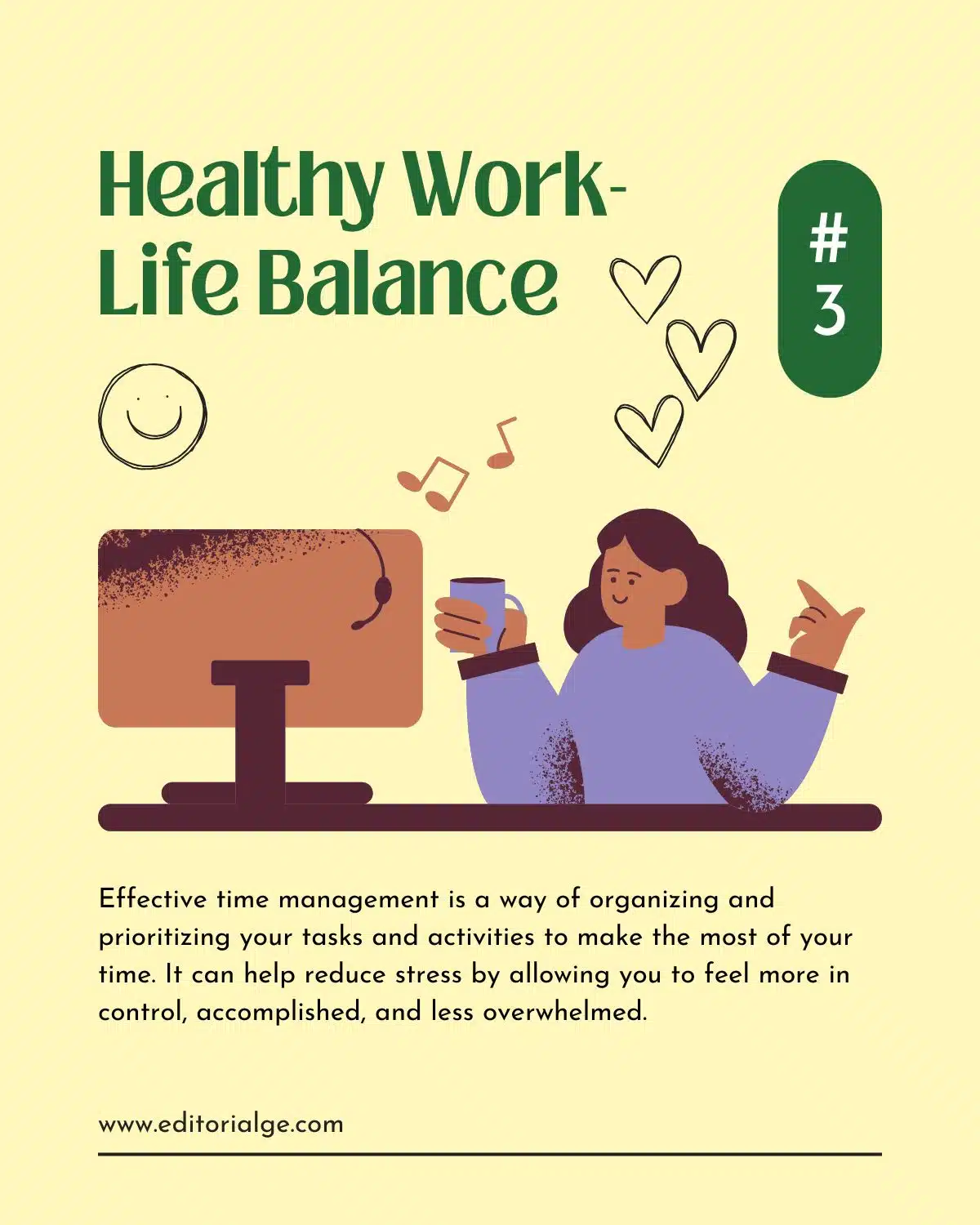
A balanced lifestyle ensures you can recharge and avoid excessive stress from work.
Tips for Work-Life Balance:
- Set Priorities: Focus on what truly matters in your personal and professional life.
- Schedule Downtime: Reserve time for hobbies, family, and self-care.
- Disconnect: Avoid work-related emails after hours.
- Seek Flexibility: If possible, discuss flexible working hours with your employer.
| Activity | Benefit |
| Hobbies | Enhances creativity and relaxation |
| Exercise | Boosts energy and reduces stress |
| Family Time | Strengthens emotional connections |
| Vacations | Provides mental and physical rejuvenation |
4. Practice Mindfulness and Meditation
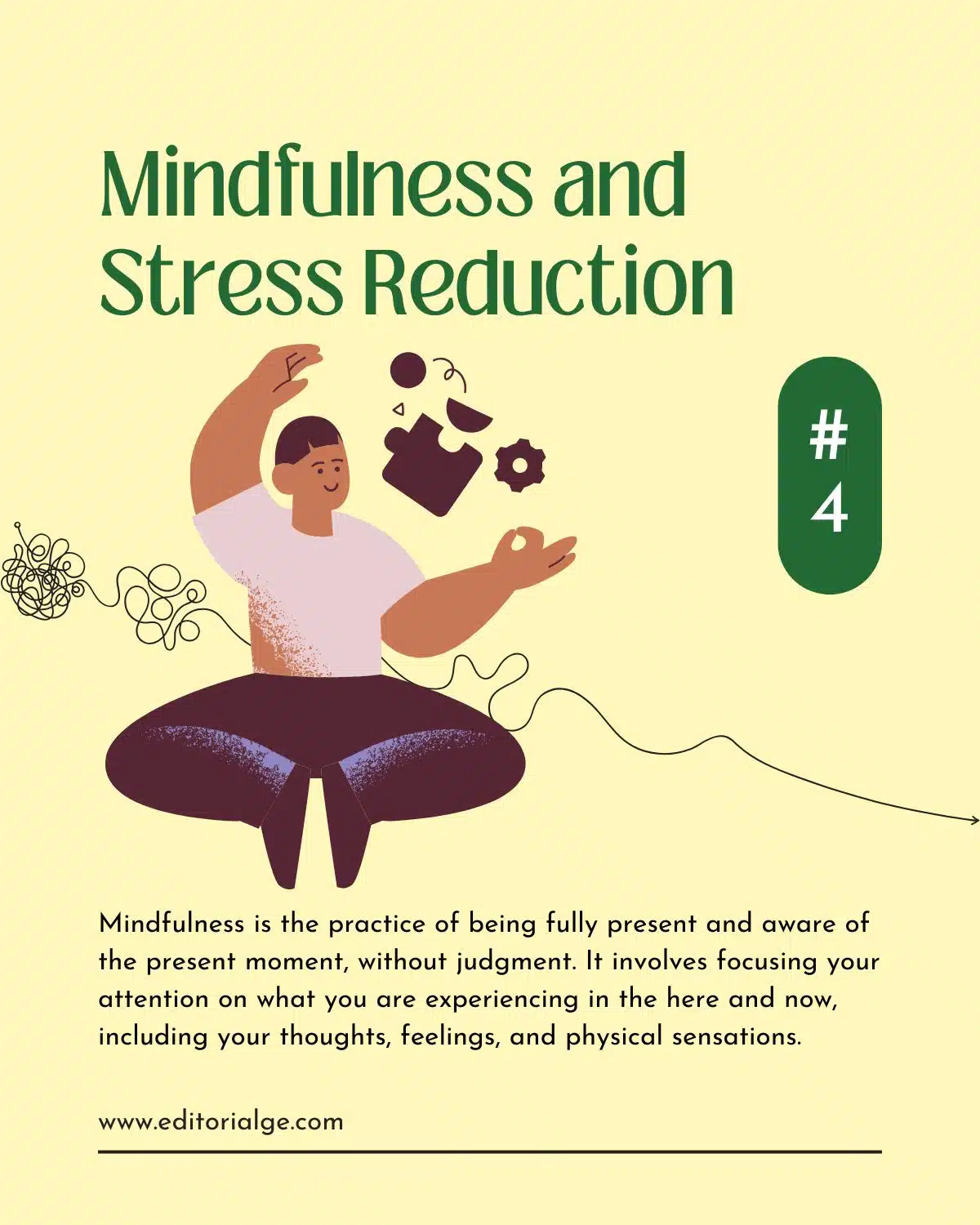
Mindfulness is a proven method to reduce stress by focusing on the present moment. Meditation helps calm your mind and improves resilience to stress.
Steps to Practice Mindfulness:
- Take Deep Breaths: Spend 2-3 minutes focusing on your breath.
- Use Guided Meditations: Apps like Headspace and Calm are great for beginners.
- Be Present: Focus on the task at hand without distractions.
- Reflect: Spend a few minutes daily reviewing positive moments.
| App | Key Features |
| Headspace | Guided meditations for stress and sleep |
| Calm | Mindfulness exercises and relaxation tips |
| Insight Timer | Free meditations for various needs |
5. Address Workplace Triggers
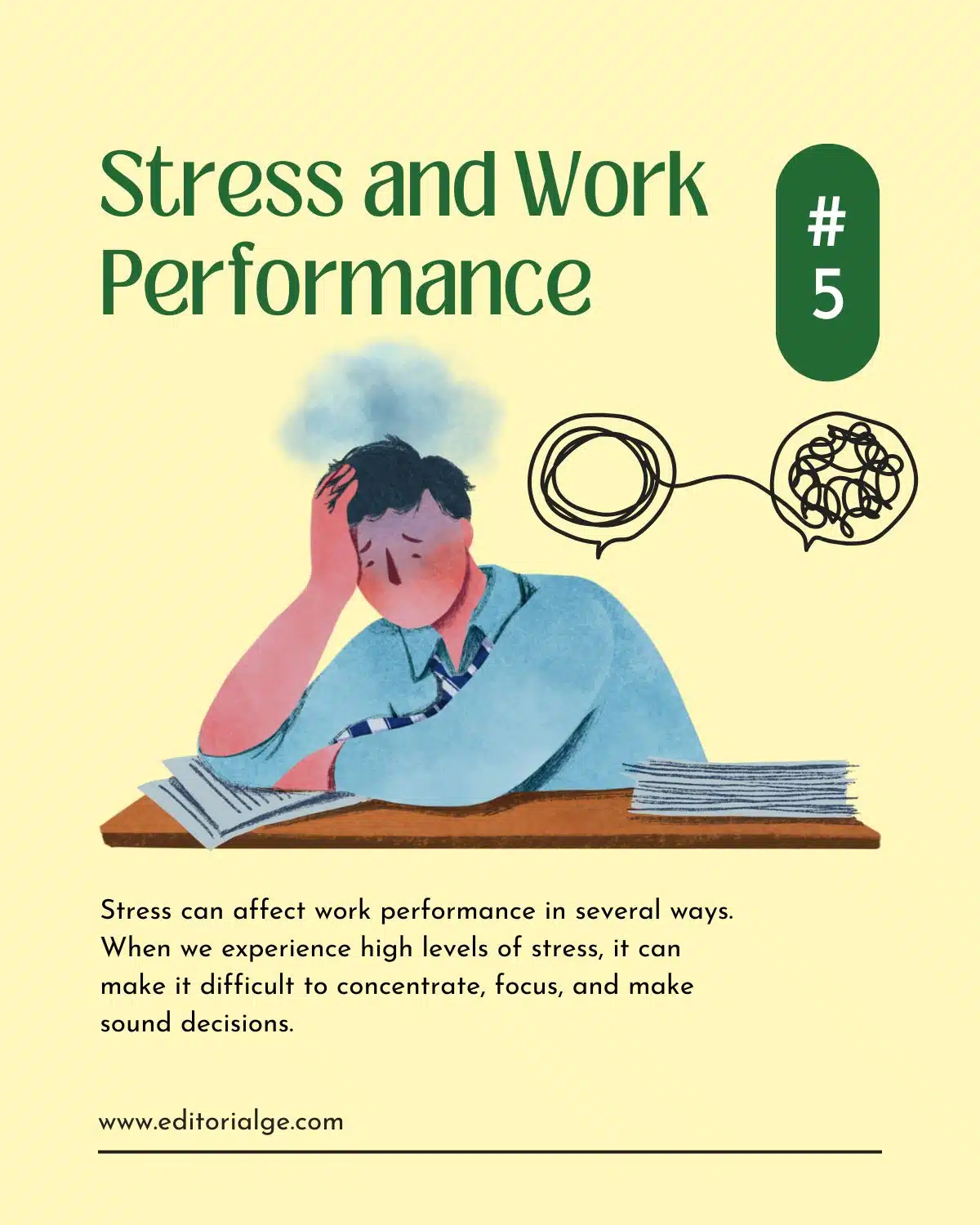
Identifying and addressing the sources of stress can significantly improve your work environment.
Steps to Address Triggers:
- Identify Triggers: Keep a journal of stressful situations.
- Discuss Concerns: Talk to your manager about workplace improvements.
- Propose Solutions: Offer constructive ideas for changes.
| Trigger | Solution |
| Tight Deadlines | Request realistic timelines |
| Lack of Resources | Propose investments in tools or training |
| Office Conflicts | Mediate discussions with HR |
6. Stay Physically Active
Regular exercise releases endorphins, which are natural stress relievers.
Simple Exercises for Busy Professionals:
- Desk Stretches: Stretch your arms, neck, and shoulders.
- Walking Meetings: Combine work discussions with a walk.
- 5-Minute Workouts: Do quick routines during breaks.
- Yoga: Practice simple poses to reduce tension.
| Exercise | Stress-Relief Benefit |
| Walking | Improves mood and circulation |
| Stretching | Reduces muscle tension |
| Yoga | Promotes relaxation and flexibility |
| Cardio | Boosts energy and mental clarity |
7. Seek Social Support
Building strong relationships at work can help you navigate stressful situations more effectively.
Ways to Build Support:
- Connect with Colleagues: Share experiences and solutions.
- Join Support Groups: Participate in workplace wellness initiatives.
- Talk to a Mentor: Seek advice from experienced professionals.
| Support Option | Description |
| Mentorship | Guidance and professional development |
| Peer Groups | Shared experiences and collective solutions |
| Professional Help | Access to counselors or therapists |
8. Focus on Positive Thinking
A positive mindset can transform how you perceive and handle stress.
Techniques for Positive Thinking:
- Practice Gratitude: Reflect on things you’re thankful for daily.
- Use Affirmations: Repeat phrases like “I can handle this challenge.”
- Reframe Challenges: View obstacles as opportunities for growth.
- Avoid Negative Self-Talk: Replace criticism with encouragement.
9. Take Regular Breaks
Short breaks can help you reset and recharge, reducing mental fatigue.
Break Ideas:
- Pomodoro Technique: Work for 25 minutes and take a 5-minute break.
- Step Outside: Get fresh air and sunlight.
- Hydrate: Drink water and eat a healthy snack.
- Stretch: Loosen up tight muscles.
| Break Type | Benefit |
| Physical Breaks | Relieve tension and improve circulation |
| Mental Breaks | Boost focus and creativity |
| Social Breaks | Foster stronger workplace relationships |
10. Seek Professional Help When Needed
If stress becomes unmanageable, consider seeking professional support.
Options for Professional Help:
- Therapists: Provide strategies for stress management.
- Counselors: Offer career-specific guidance.
- Online Resources: Use platforms like BetterHelp for virtual therapy sessions.
| Resource | Description |
| BetterHelp | Affordable online therapy |
| Employee Assistance | Workplace mental health support |
| Crisis Hotlines | Immediate help for urgent situations |
Takeaways
Stress at work is inevitable, but it doesn’t have to control your life. By implementing these strategies to manage stress at work effectively, you can create a healthier, more balanced professional life. Start with small changes today and watch as they positively impact your well-being and productivity.
Which strategy resonates most with you? Share your thoughts in the comments!