

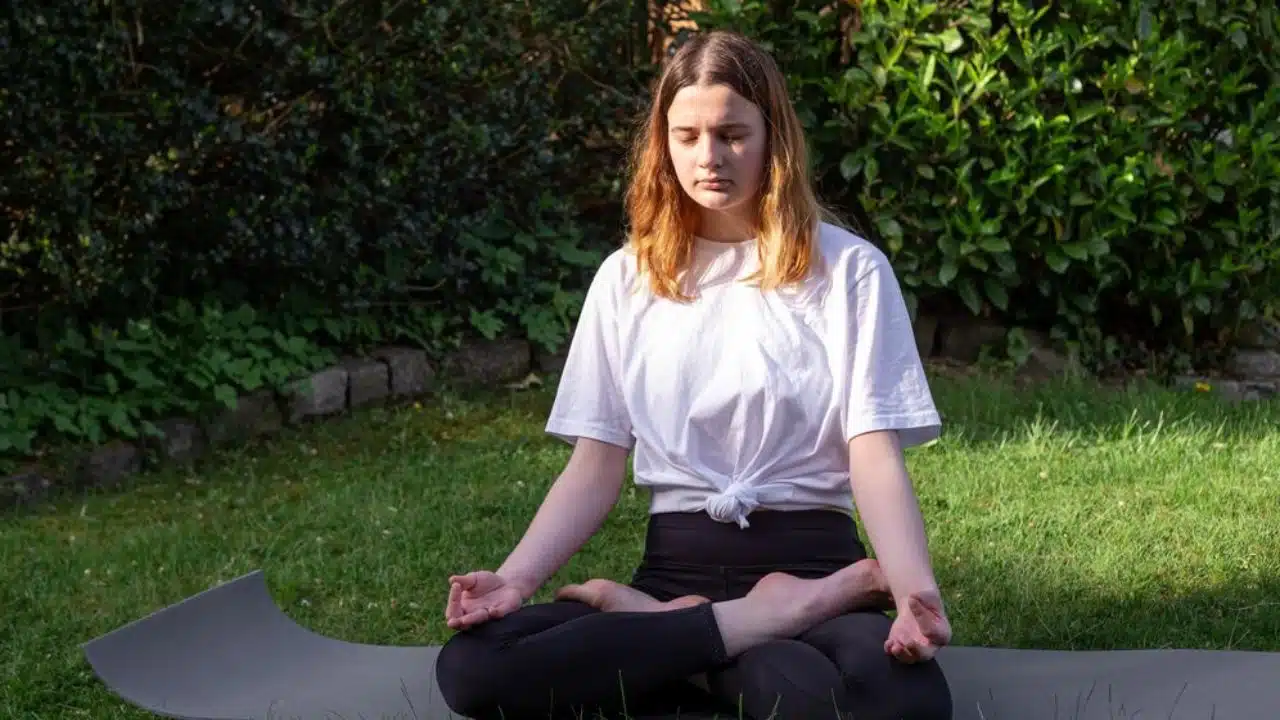
Mindfulness is a practice that helps you focus your attention so that you become fully aware of the experience you’re having in the present moment. In our fast-paced world, it’s easy to get caught up in the chaos of daily life, often leading to stress, anxiety, and a lack of focus.
Many people assume that mindfulness requires long periods of meditation, but this is not the case. Short mindfulness exercises, which can be easily incorporated into your daily routine, offer numerous benefits.
This article explores 20 mindfulness exercises you can do in 5 minutes or less, making it easier than ever to bring mindfulness into your life.
1. Mindfulness Check-In
This exercise is a great way to take a moment to check in with yourself, notice how you’re feeling, and determine what you need right now. It’s a simple and effective practice that helps you become more aware of your current state without judgment.
To do this exercise, sit comfortably, close your eyes, or soften your gaze. Focus on your breath, noticing how the air flows in and out of your body.
Focus inward and ask yourself, “How am I doing today?” Pay attention to any thoughts, feelings, or physical sensations that arise. The goal is not to change anything but to observe what is present in the moment.
After acknowledging your state, ask yourself, “What do I need right now?” Whether an answer comes to mind or not, it’s okay. Finally, take three deep breaths to complete the check-in and slowly return your focus to your surroundings.
This exercise can be done anytime, making it a convenient tool for maintaining mindfulness throughout the day.
2. The Mindfulness Anchor Exercise
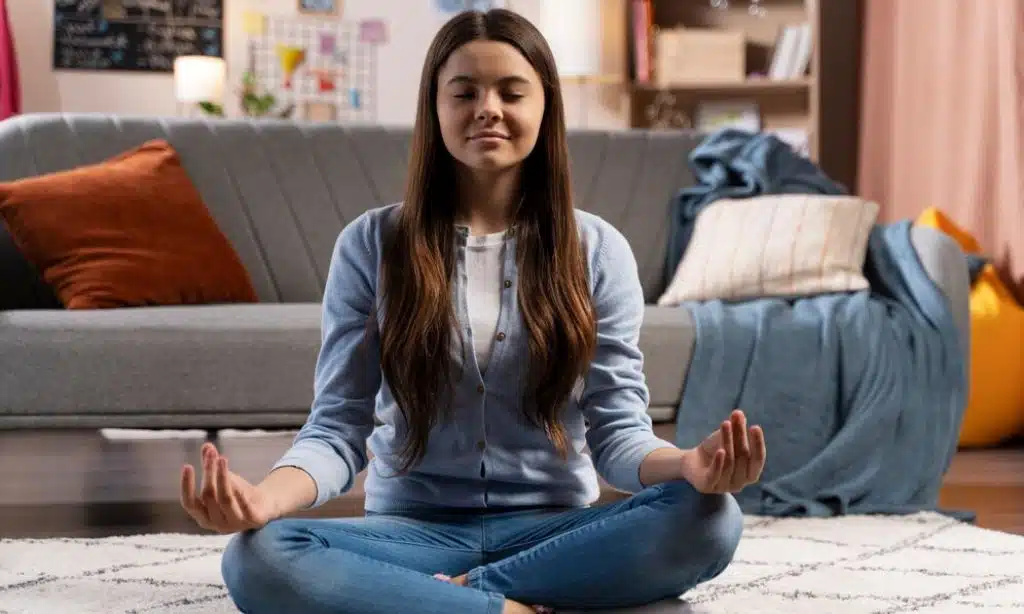
The mindfulness anchor exercise is ideal for integrating mindfulness into your daily routine, especially if traditional meditation seems challenging. It involves linking mindfulness to everyday activities, creating an ‘anchor’ that reminds you to be present.
Choose daily activities such as brushing your teeth, making coffee, or tying your shoelaces. Each time you perform this activity, pause and breathe consciously three times. Continue with the task, focusing on it entirely.
Whenever your thoughts drift, gently bring your attention back to what you’re doing. This exercise helps cultivate mindfulness without requiring additional time, as it seamlessly fits into your existing routine.
Practicing this exercise regularly can make mindfulness a natural part of your day, enhancing your overall awareness and presence.
3. Mindfulness Meditation to Feel Connected to Your Body
Connecting with your body through mindfulness meditation can be done anywhere, even while standing. This exercise is perfect for moments you need to feel grounded and present.
Stand upright, focus on your breath, and place your feet firmly on the ground. Feel the connection between your feet and the earth. Slowly shift your weight to the right, left, forward, and backward, maintaining balance.
Pay attention to the sensations in your body as you move. This exercise helps you feel more connected to your body and enhances your awareness of physical sensations and balance. It’s beneficial when you can’t sit down or need a quick way to center yourself.
4. Breathing Exercises for Calmness and Relaxation
Breathing exercises are a simple yet powerful way to activate your parasympathetic nervous system and promote relaxation. This exercise helps calm your mind and body, making it ideal for stressful situations.
Sit comfortably and close your eyes. Take slow, deep breaths, inhaling through your nose and exhaling slowly through your mouth. Try to extend your exhalations slightly longer than your inhalations.
Repeat this process five to ten times. Focusing on your breath helps divert your attention from stressors and brings you into the present moment. This exercise can be done anywhere, anytime you need a quick way to relax and reset.
5. The 5-4-3-2-1 Exercise
The 5-4-3-2-1 exercise is a grounding technique that helps bring you back to the present moment by engaging your senses. It’s particularly effective if you tend to overthink or get easily swept up in your thoughts.
To practice this exercise, look around and identify five things you can see, four things you can feel, three things you can hear, two things you can smell, and one thing you can taste.
This sensory awareness shifts your focus from your thoughts to your immediate environment, helping you feel more grounded and connected. You can also adapt this exercise by focusing on colors or other visual elements around you.
6. Loving-Kindness Meditation
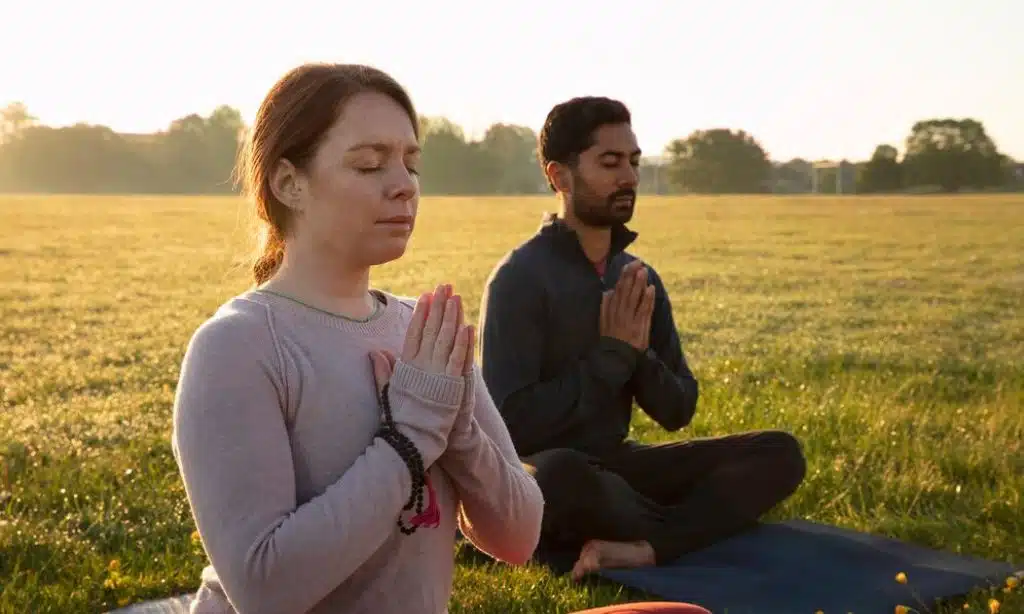
Loving-kindness meditation cultivates feelings of unconditional love and kindness towards yourself and others. It’s a powerful exercise for enhancing emotional well-being.
Find a comfortable seated position and imagine yourself bathed in warm, radiant sunlight. Feel this light filling you with love and kindness. Silently repeat phrases like, “May I be happy. May I be healthy? May I feel peace.”
Gradually extend these wishes to others, including loved ones, acquaintances, and strangers. This practice fosters compassion and a sense of connection, promoting positive emotions and reducing negative ones. It’s a gentle yet profound way to nurture kindness within yourself and towards others.
7. Mindful Hand Awareness
Mindful hand awareness is a simple exercise that helps shift your focus from your thoughts to your physical sensations. Start by clenching your fists tightly for five seconds, then release and notice how your hands feel.
Pay close attention to the sensations in your hands, focusing on the contrast between tension and relaxation. Repeat this process, clenching and releasing, and observe the sensations.
This exercise helps you become more aware of your body and can be particularly grounding when you feel overwhelmed or distracted. It’s a quick and effective way to bring mindfulness into your day.
8. Music Appreciation
Music appreciation is a delightful way to practice mindfulness by focusing on the emotional and sensory experience of listening to music. Choose one of your favorite songs and listen to it attentively.
Pay attention to how the music makes you feel, the emotions it evokes, and any memories it brings up. Focus on the different elements of the music, such as the melody, rhythm, and lyrics.
Allow yourself to fully immerse in the experience, savoring the existing feelings and sensations. This exercise enhances your enjoyment of music and deepens your emotional awareness and connection to the present moment.
9. Game of Fours
The game of fours is a simple exercise that encourages you to notice four things you usually overlook in your daily life. This practice helps you become more aware of your surroundings and appreciate the small details.
Use your senses to identify four different things. For example, notice the scent of your shampoo, the bright flowers you pass on your walk to work, the laughter of children playing, and the taste of your next home-cooked meal.
This exercise shifts your focus from autopilot mode to a state of mindful awareness, helping you find joy and appreciation in everyday moments.
10. A Gratitude Journal
A gratitude journal is a powerful practice for cultivating mindfulness and positive emotions. Each day, write down ten new things you’re thankful for. Be specific about your experiences, such as a long hug from a loved one or a delicious meal you enjoyed.
This exercise helps you focus on the positive aspects of your life and fosters a sense of appreciation and contentment. Over time, maintaining a gratitude journal can shift your mindset towards positivity and increase your overall well-being. It’s a simple yet transformative practice that can be done in just a few minutes daily.
11. Body Scan Meditation
Body scan meditation is a relaxing exercise that helps you become more aware of your body and reduce stress. Lie on your back with your legs extended and arms at your sides.
Slowly and deliberately focus on each part of your body, starting from your toes and moving up to your head. Notice any sensations, emotions, or thoughts associated with each part of your body.
This exercise promotes relaxation and a deeper connection with your physical self. It’s beneficial for unwinding at the end of the day or anytime you need a moment of calm.
12. Sitting Meditation
Sitting meditation is a structured practice that helps you focus on your breath and achieve a state of relaxation. Sit comfortably with your back straight, feet flat on the floor, and hands in your lap.
Breathe through your nose and concentrate on your breath as it moves in and out of your body. If physical sensations or thoughts interrupt your meditation, note the experience and gently return your focus to your breath.
This exercise can be done for a few minutes daily to cultivate mindfulness and enhance your ability to stay present and focused.
13. Walking Meditation

Walking meditation is a mindful practice that involves focusing on the experience of walking. Find a quiet place and begin to stroll. Be aware of the sensations of standing and the subtle movements that keep your balance.
Pay attention to each step, noticing how your feet contact the ground and how your body moves. This exercise helps you stay present and can be a refreshing way to incorporate mindfulness into your day. It’s particularly beneficial for those who find it challenging to sit still for traditional meditation.
14. Sensory Walk
A sensory walk is a mindfulness exercise that engages your senses while walking. Pay attention to the sounds around you as you walk, such as birds chirping or leaves rustling.
Notice the physical sensations, like the wind on your skin or the feeling of your feet hitting the ground. Identify different smells, whether it’s the scent of flowers or fresh air.
Observe the colors and details in your surroundings. This exercise helps you stay present and appreciate the world, enhancing your overall well-being and connection to your environment.
15. Eating Mindful Meals
Eating mindful meals involves using mealtime to practice mindfulness by focusing on the sensory experience. Start by paying attention to your food’s smell, taste, and texture. Take small bites and chew slowly, savoring each bite.
Notice how the food feels in your mouth and any changes in texture or flavor as you chew. Between bites, take a sip of water and appreciate the released flavors. This exercise helps you fully enjoy your meals and appreciate your understanding of mindful eating habits.
16. Mindful Breathing
Mindful breathing is a quick and easy exercise that helps you focus on your breath and calm your mind. Sit down, take a deep breath, and close your eyes. Focus on your breath as it moves in and out of your body.
Notice the sensation of the air. Entering your nostrils and filling your lungs, then exiting through your mouth. Continue to breathe naturally, paying attention to each breath.
This exercise can be done for a minute or more whenever you need to relax and reset. It’s a simple yet effective way to practice mindfulness and reduce stress.
17. Mindfulness with a Favorite Object
Using a favorite object to practice mindfulness helps you focus your attention and stay present. Hold an object, like a pen or a stone, and examine it closely. Notice its texture, color, and weight.
Pay attention to how it feels in your hand and any other details that come to mind. This exercise helps you become more aware of your surroundings and develop a deeper appreciation for the simple things in life.
It’s a quick and effective way to practice mindfulness, especially if you feel overwhelmed or distracted.
18. Listening Mindfully
Listening mindfully involves paying full attention to the sounds around you without judging or labeling them. Sit quietly and focus on the ambient noise, such as birds chirping, cars passing, or the hum of appliances.
Notice the different layers of sound and how they interact. This exercise helps you stay present and connect more deeply with your environment. It’s a simple yet powerful way to practice mindfulness, enhancing your ability to focus and appreciate the world.
19. Mindful Stretching
Mindful stretching is an exercise that helps you connect with your body and mind through gentle movements. Stand up and stretch your arms overhead. Pay attention to how your body feels as you stretch and release.
Notice the sensations in your muscles and any areas of tension or relaxation. Focus on your breath as you move, inhaling as you stretch and exhaling as you release.
This exercise can be done anytime you need a quick break or want to feel more connected to your body. It’s a simple and effective way to practice mindfulness and promote physical well-being.
20. Positive Affirmations
Positive affirmations are a powerful way to boost your mood and focus on positive thoughts. Sit comfortably and repeat positive affirmations like, “I am calm. I am in control. I am capable.”
Focus on the meaning of the words and how they make you feel. This exercise helps shift your mindset towards positivity and can be done anytime you need a mental boost. It’s a quick and effective way to practice mindfulness, enhancing your overall well-being and confidence.
Takeaways
Mindfulness is not just about meditation; it’s about being fully present in the moment. The 20 short mindfulness exercises presented here are designed to fit seamlessly into your daily routine, helping you manage stress, improve mental clarity, and enhance overall well-being.
These exercises are easy to practice anywhere and anytime, making mindfulness accessible to everyone, regardless of your busy schedule.
By incorporating these simple yet powerful techniques into your life, you can experience the profound benefits of mindfulness, leading to a more balanced, focused, and peaceful state of mind.






















