


Are you feeling overwhelmed by work? You’re not alone. Many people struggle to balance their work and personal lives, especially with the rise of remote work. It can feel like there is no separation between the office and home, leading to stress and burnout. But, achieving a balanced work-life schedule is possible with the right strategies. This article will provide practical tips to help you effectively manage your professional and personal life.
Balancing work and personal life has become a significant challenge in today’s fast-paced world. The lines between work and home have blurred, especially with the rise of remote work, making it harder for individuals to disconnect and recharge.
A balanced work-life schedule is essential for maintaining physical and mental health, fostering strong relationships, and achieving long-term career success. In this article, we will explore what work-life balance means and why it is essential and provide practical tips to help you achieve a harmonious balance between your professional and personal life.
What Does Work-Life Balance Mean?
Work-life balance is maintaining a healthy equilibrium between professional responsibilities and personal activities. It involves managing time and energy to fulfill work commitments and personal interests while ensuring adequate self-care.
A healthy work-life balance allows individuals to engage in activities that bring joy and relaxation, fostering overall well-being.
Characteristics of a Healthy Work-Life Balance
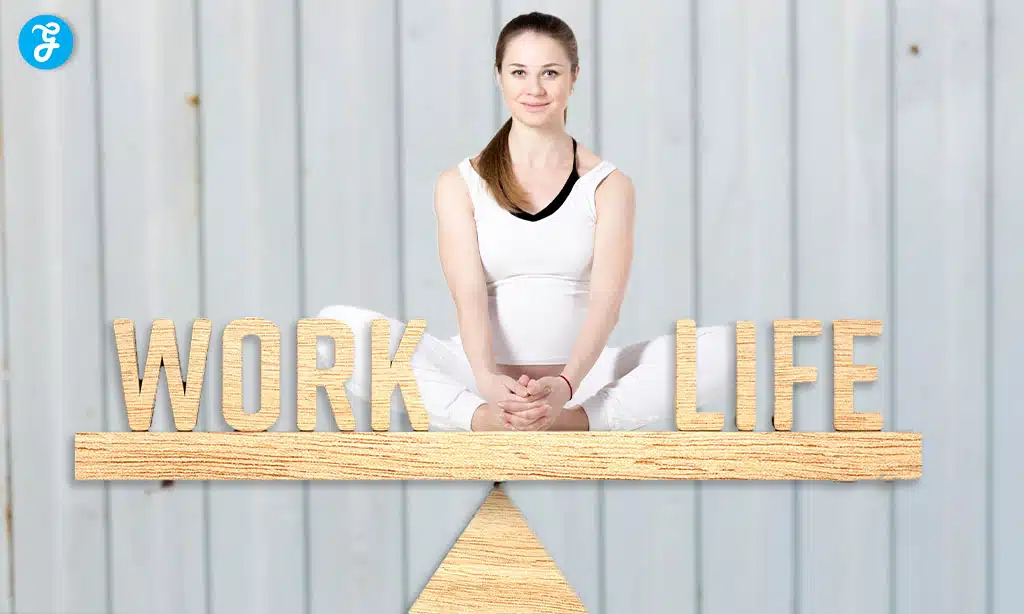
- Setting Boundaries: Establish clear boundaries between work and personal life by defining specific working hours and separating work-related tasks from individual activities.
- Time Management: Efficiently organize and prioritize tasks to allocate enough time for work responsibilities and personal pursuits.
- Stress Management: Implement strategies to manage stress levels, such as practicing mindfulness, engaging in regular physical activity, and taking breaks when needed.
- Flexibility: Adapt and adjust your schedule to accommodate unforeseen circumstances or personal needs without jeopardizing work commitments.
Why Is Work-Life Balance Important?
Just like a balanced diet is crucial for physical health, a balanced work-life schedule is essential for mental and emotional well-being. Engaging in various activities and resting can enhance productivity, creativity, and happiness.
Overworking, on the other hand, can lead to burnout, fatigue, and stress-related health issues. Therefore, maintaining a work-life balance is beneficial for employees and employers, as it can lead to increased productivity and reduced turnover rates.
Negative Consequences of Poor Work-Life Balance
- Burnout: Chronic stress from overworking can lead to physical, mental, and emotional exhaustion.
- Reduced Productivity: Working long hours without adequate rest can decrease productivity and increase the likelihood of mistakes.
- Health Issues: Poor work-life balance is associated with a higher risk of stroke, anxiety, depression, and other health problems.
- Strained Relationships: Neglecting personal relationships due to excessive work commitments can lead to isolation and conflict.
What Is an Unhealthy Work-Life Balance?
An unhealthy work-life balance occurs when work precedes personal life, leading to negative consequences for an individual’s well-being.
Signs of an unhealthy work-life balance include constant overwork, neglected personal relationships, burnout, lack of self-care, and strained relationships with family and friends.
Characteristics of an Unhealthy Work-Life Balance
- Constant Overwork: Regularly working long hours, including weekends and holidays, without sufficient time for rest.
- Neglected Personal Life: Sacrificing personal relationships, hobbies, and leisure activities due to excessive work demands.
- Burnout: Experiencing physical, mental, and emotional exhaustion from chronic stress and work-related pressure.
- Lack of Self-Care: Failing to prioritize self-care activities, such as exercise, adequate sleep, and leisure time, results in deteriorating physical and mental health.
- Strained Relationships: Experiencing difficulties maintaining healthy relationships with family, friends, and loved ones due to work-related commitments.
Signs of an Unbalanced Work-Life Dynamic
Recognizing the signs of poor work-life balance is the first step towards rectifying it. Here are some common signs that indicate an unbalanced work-life dynamic:
- Constantly Thinking About Work: It may indicate an unbalanced work-life dynamic if you find it difficult to stop thinking about work when you’re not working.
- Neglecting Personal Relationships: If your relationships with family and friends suffer from work commitments, it may indicate poor work-life balance.
- Feeling Physically and Mentally Drained: Unexplained aches, fatigue, and lack of energy can be signs of burnout and poor work-life balance.
- Lack of Interest in Personal Activities: If you no longer find joy in activities you once enjoyed, it may be a sign that work is taking over your life.
- Outsourcing Personal Tasks: Relying heavily on outsourcing personal tasks because you don’t have time to do them yourself can indicate an unbalanced work-life schedule.
- Struggling to Take Time Off: If you find it challenging to take time off when you’re sick or need a break, it may be a sign of poor work-life balance.
- Dreading Your Job: If you can’t imagine doing your job for the rest of your life, it may be a sign that your work-life balance needs adjustment.
- Feeling Like You Should Be Doing Something Else: Constantly feeling like you should be doing something else, even when relaxing, can indicate poor work-life balance.
How to Improve Work-Life Balance

Improving work-life balance requires intentionality and a willingness to make changes. Here are 12 practical tips to help you achieve a balanced work-life schedule:
- Plan Ahead: Combine work with leisure, social, or fitness activities. For example, take virtual meetings while walking or invite a friend to work with you.
- Embrace Your Brain’s Natural Rhythms: Use productivity hacks like the Pomodoro timer to work in short, focused bursts and block out distractions.
- Set Time Blocks for Different Tasks: Designate specific times for checking messages, taking meetings, and doing mentally intensive work.
- End Work at a Certain Time: Set a specific time to end work each day and stick to it. Power down work-related devices and schedule activities afterward to help enforce this boundary.
- Use Technology to Help You Unplug: Use apps to block distracting websites during work hours and block work tools after hours.
- Take Lunch Breaks: Enjoy lunch with colleagues to break up your day and refresh your mind.
- Take Time Off: Use your vacation days and take time off when needed, even for mental health days or staycations.
- Practice Mindfulness: Engage in mindfulness techniques like meditation or breath awareness to stay attuned to your emotions and physical sensations.
- Engage in Hobbies: Find activities you love outside of work to help you disconnect and recharge.
- Reevaluate Your Work: If your work feels unrelated to your interests and passions, consider changing your job or how you do it.
- Communicate with Your Manager: Talk to your manager about your workload and priorities to help manage expectations and reduce stress.
- Seek Professional Help: Work with a coach or therapist if you feel overwhelmed or stuck in achieving work-life balance.
Tips for Managers to Support Employees’ Work-Life Balance
Managers play a crucial role in fostering a healthy work-life balance for their employees. Here are seven ways managers can support their team’s work-life balance:
- Encourage Employees to Unplug: Remind your team to disconnect from work during vacations and after work hours.
- Create Opportunities for Social Connection: Organize virtual happy hours, birthday parties, and other social events to help employees connect and unwind.
- Educate Employees on Benefits: Inform employees about their benefits, including sick leave and PTO, and encourage them to use them.
- Check-In with Employees: Regularly discuss their well-being and identify signs of overwhelm or burnout.
- Set a Positive Example: Demonstrate a healthy work-life balance by taking breaks, setting boundaries, and prioritizing self-care.
- Be Mindful of Company Culture: Avoid normalizing an “always-on” culture and clarify that after-hours messages don’t require immediate responses.
- Respect Working Hours: Avoid scheduling meetings outside of regular working hours and encourage employees to end work at a designated time each day.
Finding Work-Life Balance While Working Remotely
Working remotely presents unique challenges for maintaining a work-life balance. Here are some tips to help you find and maintain balance while working from home:
- Create a Dedicated Workspace: Designate a specific area in your home for work to help separate work from personal life.
- Establish a Routine: Create a daily routine that includes regular work hours, breaks, and time for personal activities.
- Take Breaks: Schedule regular daily breaks to rest and recharge.
- Set Boundaries: Communicate your work hours to family members and housemates to minimize interruptions.
- Unplug After Work: Consciously disconnect from work-related devices and activities after work hours.
- Stay Active: Incorporate physical activity into your daily routine to boost energy and reduce stress.
- Stay Connected: Make an effort to connect with colleagues and friends through virtual meetings and social events.
Takeaways
A balanced work-life schedule is essential for maintaining physical and mental well-being, fostering strong relationships, and attaining long-term career success. By prioritizing high-quality,
You can create a harmonious balance between work and personal life by engaging in varied activities and focusing on your specific needs.
Always consult with your manager or a professional coach when making significant changes to your work-life balance to ensure it meets your unique requirements.
By implementing these strategies and making informed choices, you can provide yourself with the work-life balance needed to thrive professionally and personally.





















