In today’s fast-paced world, weight loss has become a priority for many people. While the promise of losing weight quickly might seem appealing, it’s crucial to do it in a way that doesn’t jeopardize your health.
Sustainable weight loss isn’t about extreme diets or rigorous exercise regimes. It’s about making smart, healthy choices that can help you shed those pounds without risking your well-being.
This guide will explore 20 scientifically backed tips to help you lose weight fast while ensuring it’s safe and healthy.
1. Prioritize Protein at Every Meal
Protein is often called the “building block of life” because it’s involved in almost every bodily function. When it comes to weight loss, protein has an exceptional role.
It helps you feel fuller, reduces cravings, and boosts your metabolism through a process called thermogenesis, where your body burns calories to digest and metabolize protein.
- How Much Protein Do You Need? Aim for 20-30 grams of protein per meal for optimal fat loss. This might look like a chicken breast, a serving of fish, or a couple of eggs with a handful of nuts.
- Types of Protein to Include: Lean meats (chicken, turkey), fish (salmon, tuna), eggs, Greek yogurt, legumes, and plant-based proteins like tofu and tempeh.
- Additional Benefits: Protein also helps preserve muscle mass as you lose weight, which is crucial because muscle burns more calories than fat.
2. Eat Fiber-Rich Foods
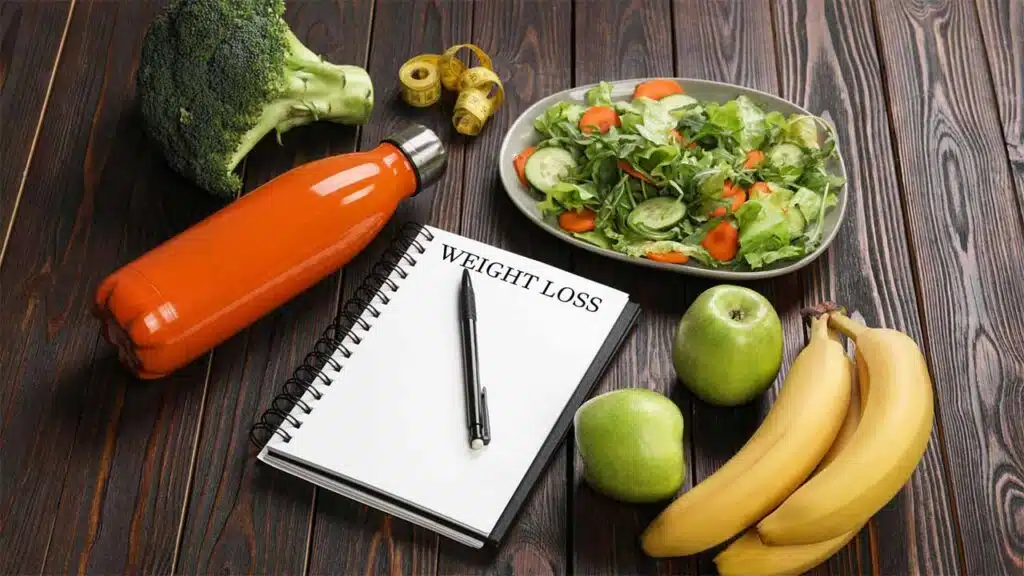
Fiber is your digestive system’s best friend when it comes to weight loss. Not only does it keep you regular, but it also helps keep you fuller for longer periods, which prevents overeating.
- Types of Fiber: There are two main types: soluble and insoluble. Soluble fiber, found in oats, nuts, seeds, beans, and some fruits, helps absorb water and slow digestion. Insoluble fiber, found in whole grains and vegetables, adds bulk to the stool and promotes regular bowel movements.
- Daily Recommendation: Aim for at least 25-30 grams of fiber per day. You can get this from 1-2 servings of vegetables per meal, whole grains like quinoa and barley, and fruits like apples and berries.
- Additional Benefit: Studies show that fiber can reduce belly fat and improve metabolic health.
3. Drink More Water
Water is essential for every function in your body, and staying hydrated plays a significant role in weight loss. It boosts metabolism, helps with digestion, and can even reduce hunger.
- Hydration & Weight Loss: Drinking water before meals can act as a natural appetite suppressant, helping you eat less. One study showed that drinking water 30 minutes before a meal resulted in 44% more weight loss over 12 weeks compared to those who didn’t drink water.
- How Much Water Should You Drink? The general recommendation is to drink at least 8-10 glasses of water per day, but if you’re active, you might need more.
- Pro Tip: If plain water feels too boring, add a slice of lemon or cucumber for a refreshing twist. Green tea and herbal teas also count toward your daily fluid intake.
4. Avoid Sugary Beverages
One of the quickest ways to derail your weight loss efforts is by consuming sugary beverages. Drinks like soda, sweetened coffee, fruit juices, and energy drinks are packed with hidden calories that offer no nutritional value.
- Caloric Impact: Just one can of soda contains around 150 calories, most of which come from sugar. Drinking several of these per day can add up to significant weight gain over time.
- Alternative Choices: Opt for water, herbal teas, black coffee, or sparkling water with a splash of lime instead.
- Pro Tip: Be mindful of “healthy” drinks like flavored waters or smoothies, which can still contain high amounts of sugar.
5. Practice Portion Control
Portion sizes have increased dramatically over the past few decades, and it’s easy to overeat without even realizing it. Practicing portion control is one of the most effective ways to ensure you’re not consuming more calories than necessary.
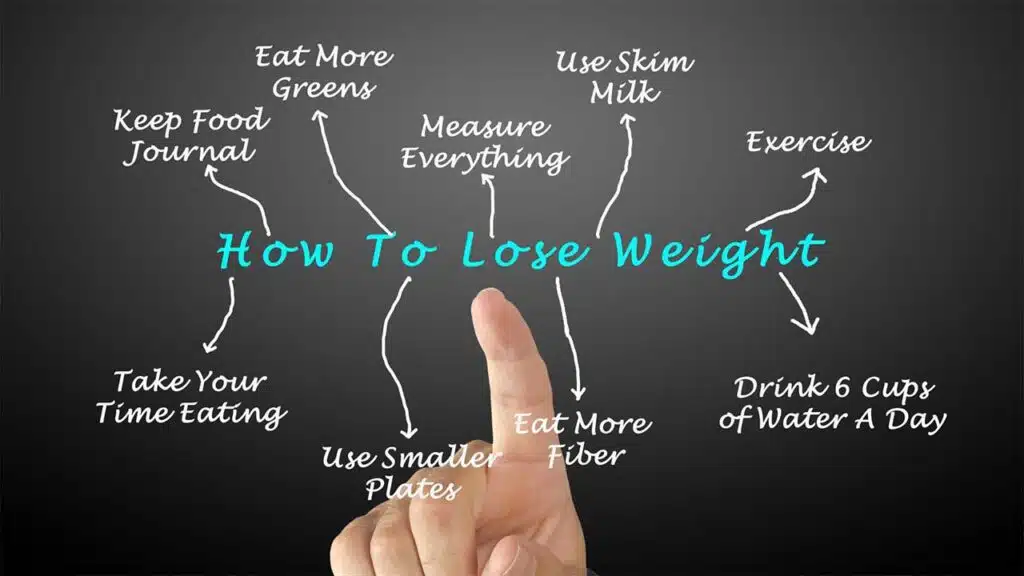
- How to Control Portions: Use smaller plates and bowls to trick your brain into thinking you’re eating more than you are. Pay attention to serving sizes on food labels and measure your portions, especially when you’re starting out.
- Pro Tip: Avoid eating straight from the package. Instead, portion out a serving to help control calorie intake.
- Mindful Eating: Slow down while eating and chew thoroughly. This gives your brain time to signal when you’re full, preventing overeating.
6. Engage in Strength Training
Strength training is crucial for weight loss because it helps build lean muscle mass, which burns more calories even at rest. Unlike cardio, which primarily burns calories during the workout, strength training has a lasting effect on your metabolism.
- Key Exercises: Focus on compound movements that work multiple muscle groups, like squats, deadlifts, push-ups, and lunges. Resistance bands, kettlebells, and body-weight exercises can be effective, especially for beginners.
- Pro Tip: Incorporate strength training into your routine at least 3-4 times a week. As you gain strength, gradually increase the weight or resistance to continue challenging your muscles.
- Additional Benefit: Strength training helps prevent muscle loss during weight loss, which keeps your metabolism running efficiently.
7. Incorporate High-Intensity Interval Training (HIIT)
High-Intensity Interval Training (HIIT) is an excellent way to burn fat in a short amount of time. This type of workout alternates between short bursts of intense exercise and recovery periods, making it efficient for calorie burning.
- Why HIIT Works: HIIT elevates your heart rate quickly and keeps your metabolism revved up for hours after your workout through a phenomenon called excess post-exercise oxygen consumption (EPOC), also known as the “afterburn” effect.
- Pro Tip: A typical HIIT session can be as short as 20-30 minutes, making it ideal for those with busy schedules. You can alternate between exercises like sprinting, burpees, jumping jacks, and cycling.
8. Get Enough Sleep
Sleep plays an essential role in weight loss. A lack of sleep affects hunger-regulating hormones like ghrelin and leptin, increasing hunger and reducing feelings of fullness.
- Impact of Sleep Deprivation: Studies have shown that people who get less than 7 hours of sleep per night tend to gain more weight over time.
- How to Improve Sleep Quality: Create a bedtime routine, reduce screen time before bed, and ensure your bedroom is dark, quiet, and cool to improve sleep quality.
- Pro Tip: Aim for 7-8 hours of sleep every night, and try to maintain a consistent sleep schedule, even on weekends.
9. Cut Back on Refined Carbs
Refined carbohydrates, such as white bread, pastries, and sugary cereals, are stripped of their nutrients and can cause rapid spikes in blood sugar. This leads to increased hunger and cravings shortly after eating.
- How Refined Carbs Affect Weight: The rapid digestion of refined carbs leads to insulin spikes, encouraging fat storage, especially in the belly area.
- Alternative Choices: Replace refined carbs with whole grains such as quinoa, brown rice, oats, and whole wheat bread.
- Pro Tip: Avoid processed foods whenever possible, as they are often hidden sources of refined carbs.
10. Manage Stress Levels
Stress is often an overlooked factor in weight gain. When you’re stressed, your body releases cortisol, a hormone that increases appetite and encourages fat storage, particularly around the abdomen.
- Stress-Eating Cycle: Many people turn to comfort foods (which are usually high in sugar and fat) when they are stressed, which can lead to weight gain.
- Stress-Relief Techniques: Incorporate activities like yoga, meditation, deep breathing exercises, and regular physical activity into your routine to help manage stress.
- Pro Tip: Take regular breaks throughout the day and make time for hobbies and activities that bring you joy and relaxation.
11. Eat More Healthy Fats
Contrary to popular belief, eating fat doesn’t make you fat. Healthy fats are vital for satiety, hormone regulation, and nutrient absorption. Including them in your diet can prevent you from overeating.
- Best Sources of Healthy Fats: Avocados, olive oil, nuts, seeds, and fatty fish like salmon and mackerel.
- How to Use Healthy Fats: Use olive oil in your salads, add avocado to your sandwiches, and snack on a handful of almonds or walnuts between meals.
- Pro Tip: Avoid trans fats found in processed foods, as they have been linked to weight gain and various health issues.
12. Plan Your Meals in Advance
Meal planning helps you control portion sizes, make healthier food choices, and avoid last-minute unhealthy food decisions.
- Benefits of Meal Planning: When you plan your meals, you’re less likely to resort to processed foods or takeout, which are often higher in calories and low in nutrition.
- How to Start: Spend time on weekends preparing meals for the week ahead. Cook in bulk and store meals in individual portions.
- Pro Tip: Use meal planning apps to track your grocery shopping and ensure you’re sticking to healthy choices.
13. Be Consistent with Your Eating Schedule
Eating at consistent times each day helps regulate your body’s metabolism and prevents overeating. Skipping meals or eating at irregular intervals can lead to energy dips and hunger, resulting in binge eating later in the day.
- How to Maintain a Schedule: Plan your breakfast, lunch, and dinner at the same time every day, with snacks in between if necessary.
- Pro Tip: Stick to 3 main meals with 1-2 healthy snacks in between. Avoid long gaps between meals to maintain steady energy levels.
14. Keep a Food Diary
Keeping a food journal is one of the most effective ways to track your calorie intake and ensure you’re staying on track with your weight loss goals. It helps increase awareness of what and how much you are eating.
- Why It Works: Studies show that people who log their food intake lose more weight than those who don’t.
- Pro Tip: Use apps like MyFitnessPal or LoseIt to track your meals, snacks, and even beverages. Include details like portion sizes and how you feel after eating to understand your hunger cues.
15. Try Intermittent Fasting
Intermittent fasting (IF) is a popular eating pattern where you cycle between periods of eating and fasting. This can help reduce your calorie intake naturally without having to focus on restricting foods.
- Popular IF Methods: The 16/8 method (fast for 16 hours and eat within an 8-hour window) and the 5:2 method (eat normally for 5 days and restrict calories for 2 days) are two common approaches.
- Why It Works: Intermittent fasting helps reduce insulin levels, improves metabolic health, and increases fat burning.
- Pro Tip: Start with a 12-hour fast and gradually work your way up to a longer fasting window.
16. Reduce Calorie Intake in a Healthy Way
Cutting calories is necessary for weight loss, but it’s important to do it in a healthy way. Drastically slashing your calorie intake can lead to nutrient deficiencies and loss of muscle mass.
- Healthy Calorie Deficit: Aim for a deficit of 500-600 calories per day, which can lead to a safe weight loss of about 1-2 pounds per week.
- Pro Tip: Instead of focusing solely on cutting calories, prioritize nutrient-dense foods like fruits, vegetables, lean proteins, and whole grains.
17. Avoid Late-Night Snacking
Late-night snacking often involves eating high-calorie, low-nutrient foods. Your body’s metabolism slows down at night, which means these extra calories are more likely to be stored as fat.
- How to Stop Late-Night Eating: Set a “kitchen curfew” and stop eating 2-3 hours before bedtime. If you feel hungry at night, opt for a low-calorie snack like a piece of fruit or a small handful of nuts.
- Pro Tip: Drinking herbal tea or a glass of water in the evening can help curb late-night cravings.
18. Practice Mindful Eating
Mindful eating involves being fully present during your meals, focusing on the taste, texture, and experience of eating. This helps prevent overeating and allows you to enjoy your food more.
- How to Eat Mindfully: Chew slowly, savor each bite, and pay attention to your body’s hunger and fullness signals. Avoid distractions like TV or scrolling through your phone while eating.
- Pro Tip: Try eating in silence for a meal or two to fully experience the flavors and textures of your food.
19. Include More Low-Calorie, High-Volume Foods
Filling your plate with low-calorie, high-volume foods like vegetables, fruits, and broth-based soups can help you eat more while still losing weight. These foods are high in water and fiber, which help keep you full.
- Best Choices: Leafy greens, cucumbers, zucchini, berries, and cauliflower. Soups and salads make excellent meal starters that can prevent overeating during the main course.
- Pro Tip: Start each meal with a big salad or a vegetable-based soup to curb hunger and reduce overall calorie intake.
20. Don’t Rely on Fad Diets
Fad diets often promise quick results but are usually unsustainable and can lead to nutrient deficiencies or rebound weight gain once the diet is stopped.
- Why Fad Diets Fail: These diets often focus on extreme restriction, which can lead to cravings, mood swings, and a lack of essential nutrients.
- Pro Tip: Instead of chasing quick fixes, focus on making small, sustainable changes to your eating and exercise habits that you can maintain in the long term.
Conclusion
Losing weight quickly and safely is not just about following the latest diet trends or punishing yourself with endless hours at the gym.
It’s about making mindful, sustainable changes to your lifestyle that can be maintained over the long term.
Each of the 20 tips we’ve discussed plays a vital role in creating a balanced approach to weight loss, helping you shed pounds while keeping your health and well-being intact.
A key takeaway is that fast weight loss doesn’t have to be dangerous if done correctly. Prioritizing whole, nutrient-dense foods, staying hydrated, getting enough sleep, and managing stress are all pillars of a healthy weight loss journey.
It’s also essential to embrace flexibility. You don’t need to be perfect every day—consistency is what will help you achieve your goals. There will be days when you might slip up, but don’t let that discourage you. Weight loss is a marathon, not a sprint.