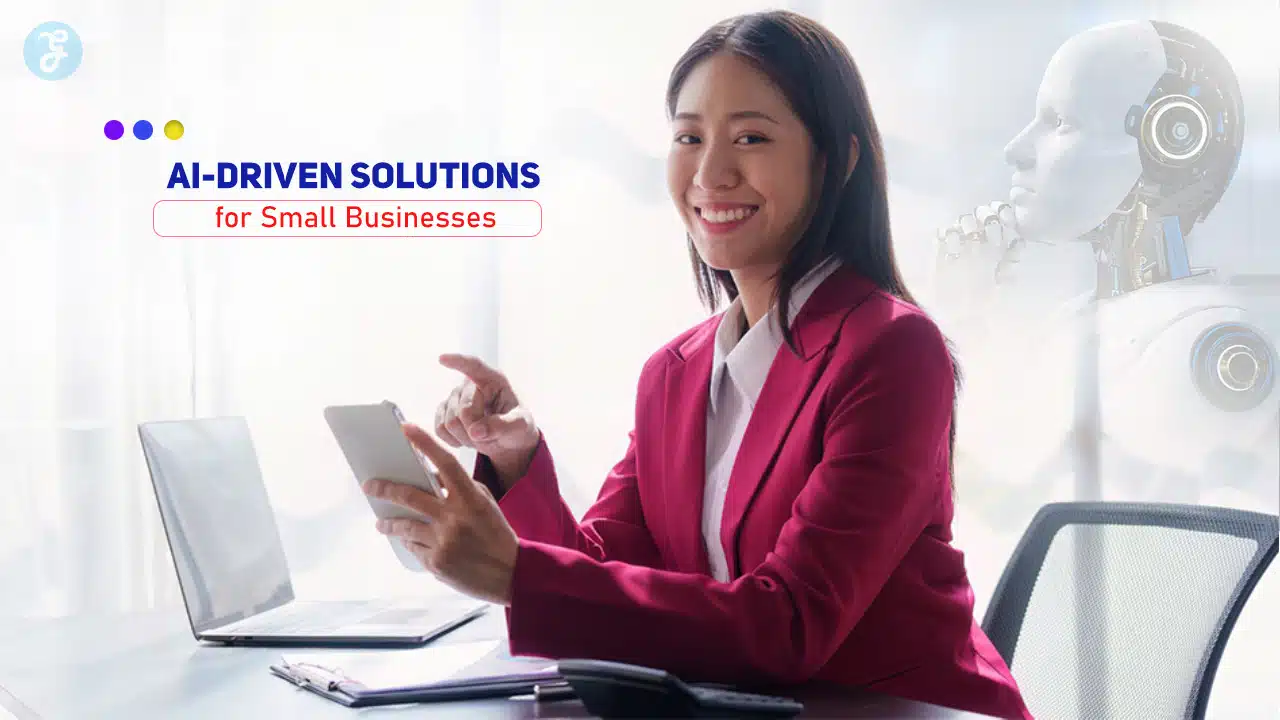
The rapid evolution of artificial intelligence (AI) has created unprecedented opportunities for small businesses to streamline operations, enhance customer experiences, and compete with larger companies.
AI-driven solutions offer small business owners the ability to automate tasks, improve decision-making, and optimize their workflows, often at a lower cost than traditional methods.
By leveraging AI, small businesses can boost productivity, save time, and reduce expenses—enabling them to focus on scaling their operations and achieving long-term growth.
This guide will dive into 10 AI-driven solutions that small businesses can adopt, providing practical insights into how AI can transform daily operations and increase profitability.
Why AI-Driven Solutions Are Crucial for Small Businesses?
Small businesses often face unique challenges, such as limited resources, tight budgets, and the need to wear multiple hats. AI can provide significant relief by automating repetitive tasks, offering data-driven insights, and helping businesses make more informed decisions.
Unlike larger enterprises, small businesses may not have the luxury of entire teams dedicated to marketing, customer service, or IT support—but AI tools can fill those gaps efficiently and affordably.
In addition to enhancing operational efficiency, AI tools can improve the customer experience, optimize marketing efforts, and provide real-time data for more accurate forecasting.
Whether you’re looking to enhance communication, streamline inventory management, or improve customer engagement, AI offers scalable solutions that fit any business size.
Top AI-Driven Solutions for Small Businesses
These 10 AI-driven solutions offer practical, cost-effective tools that small businesses can use to enhance their operations, streamline workflows, and drive growth.
1. AI-Powered Chatbots for Customer Service
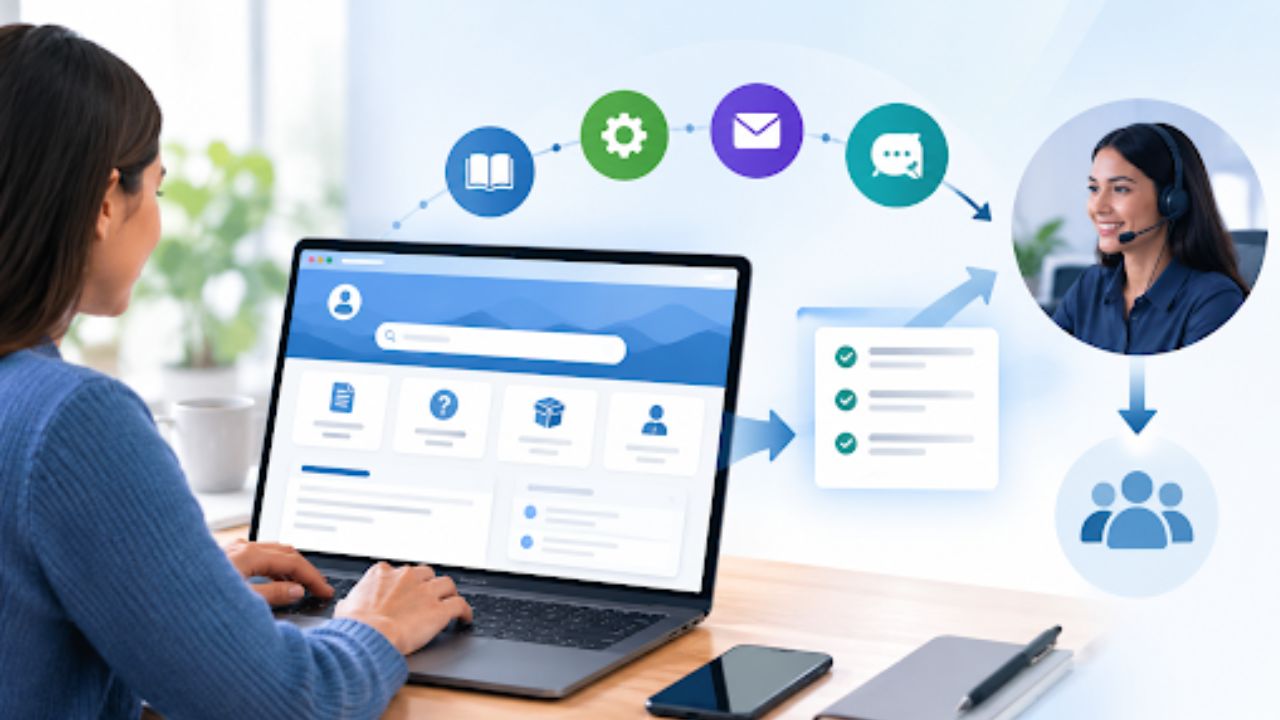
One of the most immediate and impactful ways AI can benefit small businesses is through AI-powered chatbots.
These automated tools can handle common customer inquiries, provide instant responses, and assist with troubleshooting around the clock, even when your team is unavailable.
By leveraging natural language processing (NLP), chatbots can understand and respond to customer questions in real time, offering a seamless experience.
Chatbots can be integrated into websites, social media platforms, and messaging apps like Facebook Messenger or WhatsApp.
For small businesses, this means offering better customer service without needing a full-time support team.
Chatbots can manage FAQs, schedule appointments, and provide order status updates—reducing workload and enhancing customer satisfaction.
2. Automated Email Marketing Tools
Email marketing remains one of the most effective channels for engaging with customers, but manually managing campaigns can be time-consuming.
AI-powered email marketing tools like Mailchimp or Constant Contact automate the process by helping businesses send targeted messages at the right time.
These tools use AI algorithms to segment customer lists, personalize emails, and optimize sending times for higher engagement rates.
AI also allows for dynamic content generation, where emails can be customized based on customer behavior, preferences, and interactions with your brand.
By automating your email marketing efforts, you can increase the effectiveness of your campaigns, generate more leads, and improve customer retention—all while saving valuable time.
3. AI-Driven Social Media Management
Social media plays a crucial role in brand awareness and customer engagement, but managing multiple platforms can be overwhelming for small business owners.
AI-driven social media management tools like Hootsuite or Buffer simplify the process by automating content scheduling, monitoring engagement, and even suggesting optimal posting times.
These tools use AI to analyze audience behavior, track trends, and recommend the best strategies for increasing reach and engagement.
Additionally, AI-powered analytics provide insights into which content performs best, allowing businesses to refine their social media strategies over time.
With AI, small businesses can maintain an active social media presence with minimal effort and maximize their online visibility.
4. Predictive Analytics for Sales Forecasting
AI-driven predictive analytics tools help small businesses make data-informed decisions by analyzing historical sales data and forecasting future trends.
These tools use machine learning algorithms to identify patterns in customer behavior, sales cycles, and market conditions, enabling businesses to predict demand more accurately.
For small businesses, this means better inventory management, smarter pricing strategies, and more effective marketing campaigns.
Predictive analytics can also help identify potential risks, such as declining customer interest or upcoming market shifts, allowing businesses to take proactive measures.
Tools like HubSpot or Salesforce offer integrated AI-driven sales forecasting features that can significantly improve business outcomes.
5. AI for Personalized Customer Experiences
In today’s competitive market, customers expect personalized experiences.
AI can help small businesses meet this demand by analyzing customer data and delivering tailored content, product recommendations, and offers.
Personalization tools like Dynamic Yield or Optimizely use AI to create customized user journeys based on factors such as browsing history, purchase behavior, and demographic information.
With AI, small businesses can deliver more relevant marketing messages, recommend products that customers are more likely to buy, and enhance the overall shopping experience.
This personalized approach can lead to higher customer satisfaction, increased sales, and stronger loyalty.
6. AI-Powered Inventory Management
Efficient inventory management is critical for small businesses, especially those dealing with physical products.
AI-powered inventory management systems use machine learning algorithms to track stock levels, predict demand, and automate reordering processes.
These systems can analyze sales trends, seasonal patterns, and customer behavior to ensure that you always have the right amount of stock on hand—minimizing overstocking and avoiding stockouts.
AI-driven tools like TradeGecko or QuickBooks Commerce provide real-time insights into inventory levels and automate many of the tedious aspects of inventory management.
This not only saves time but also reduces operational costs and improves cash flow.
7. AI-Enhanced Hiring and Recruitment
Hiring the right talent is a challenge for small businesses, but AI can simplify the recruitment process by streamlining candidate screening, assessing qualifications, and matching applicants to job requirements.
AI-driven recruitment tools like HireVue and Zoho Recruit use machine learning to analyze resumes, conduct preliminary interviews, and even assess candidate responses to ensure the best fit for your business.
These tools can significantly reduce the time spent reviewing applications and help small businesses make faster, data-driven hiring decisions.
By eliminating biases and automating routine tasks, AI helps businesses build stronger teams while improving the candidate experience.
8. Automated Bookkeeping and Financial Management
Managing finances is one of the most time-consuming aspects of running a small business, but AI-powered accounting tools like QuickBooks and Xero make it easier than ever.
These platforms automate tasks such as invoicing, expense tracking, and financial reporting, reducing the likelihood of human error and streamlining your bookkeeping processes.
AI-driven accounting systems also provide real-time insights into your business’s financial health, allowing you to monitor cash flow, track spending patterns, and forecast future expenses.
By automating these tasks, small business owners can focus more on strategic decision-making and less on administrative burdens.
9. AI-Driven Content Creation and Optimization
Content marketing is essential for attracting and retaining customers, but creating high-quality content consistently can be challenging for small businesses with limited resources.
AI-driven content creation tools like Jasper (formerly Jarvis) or Writesonic can assist with writing blog posts, product descriptions, social media posts, and even email campaigns.
These tools use AI algorithms to generate content ideas, suggest improvements, and ensure that your messaging is optimized for SEO.
Additionally, AI-powered platforms can analyze audience engagement with your content and provide recommendations for improving future performance.
With AI, small businesses can maintain a robust content marketing strategy without the need for a large team of writers.
10. AI-Based Cybersecurity Solutions
Cybersecurity is a growing concern for small businesses, which are increasingly becoming targets for cyberattacks.
AI-driven cybersecurity solutions offer advanced protection by detecting suspicious activity, identifying vulnerabilities, and responding to threats in real time.
AI-based tools like Darktrace or Norton Security use machine learning to analyze network behavior, flagging any anomalies that could indicate a potential breach.
For small businesses that lack dedicated IT departments, AI-powered cybersecurity systems provide automated, around-the-clock protection, ensuring that sensitive data and systems remain secure.
This proactive approach to cybersecurity reduces the risk of attacks and protects your business from costly breaches and data loss.
Conclusion
AI-driven solutions are revolutionizing the way small businesses operate, offering tools that improve efficiency, reduce costs, and drive growth.
From customer service chatbots to automated financial management, AI has the potential to transform every aspect of your business.
These 10 AI-driven solutions provide practical ways to streamline your operations, enhance customer experiences, and make smarter, data-driven decisions.
By adopting AI-powered tools, small businesses can compete more effectively, manage their resources efficiently, and focus on scaling their operations.
Whether you’re looking to improve marketing efforts, optimize inventory, or secure your business from cyber threats, AI offers scalable, cost-effective solutions that can lead to long-term success.