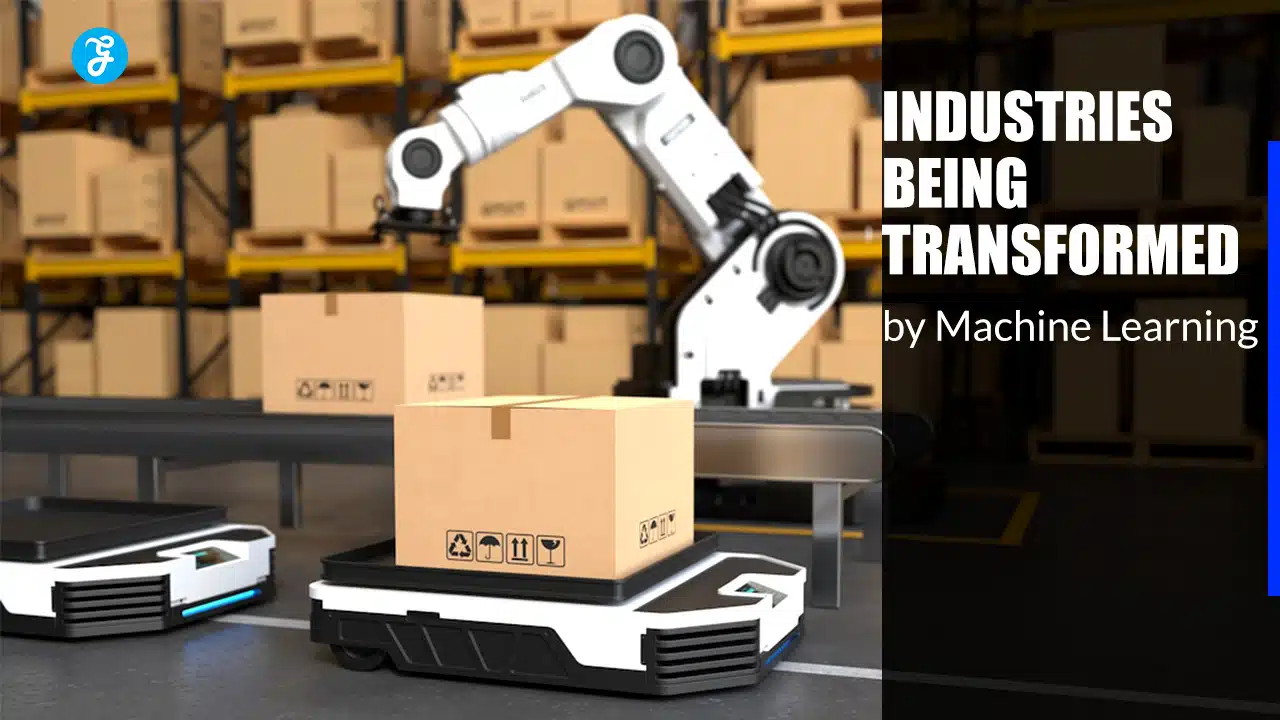
Machine learning (ML) is reshaping industries by enhancing processes, improving decision-making, and personalizing customer experiences.
This technology enables organizations to analyze vast amounts of data, extract valuable insights, and automate complex tasks.
Below, we explore seven key industries that are undergoing significant transformation due to machine learning.
1. Healthcare
Diagnostics and Predictive Analytics
Machine learning algorithms have revolutionized diagnostics in healthcare by enabling more accurate and faster disease detection. For instance:
- Medical Imaging:
ML models, particularly convolutional neural networks (CNNs), are used to analyze medical images, such as X-rays, MRIs, and CT scans.
These algorithms can detect anomalies such as tumors or fractures, often with greater accuracy than human radiologists.
Studies show that AI systems can reduce false positives and negatives, leading to better patient outcomes.
- Predictive Analytics:
Machine learning techniques can analyze patient data and identify risk factors for diseases.
By integrating data from electronic health records (EHRs), along with social determinants of health and genetic information, ML models can predict disease outbreaks and individual patient risks, allowing for preventive measures and targeted interventions.
But an AI-powered EHR goes a step further by enabling continuous analysis and delivering timely insights that enhance clinical decision-making.
Personalized Medicine
Personalized medicine tailors medical treatment to the individual characteristics of each patient. Machine learning enhances this approach by:
- Genomic Data Analysis:
ML algorithms can analyze large datasets of genomic information to identify genetic markers associated with specific diseases.
This enables the development of targeted therapies that are more effective for particular patient subgroups.
- Treatment Response Prediction:
By examining historical data on treatment outcomes, machine learning can help predict how patients will respond to specific therapies, leading to more informed decisions regarding treatment plans and improved patient outcomes.
Drug Discovery
The traditional drug discovery process is lengthy and expensive, often taking over a decade and costing billions. Machine learning accelerates this process through:
- Virtual Screening:
ML algorithms can screen millions of chemical compounds to predict their effectiveness against specific biological targets.
Platforms like Atomwise utilize deep learning to identify potential drug candidates, significantly reducing the time and cost involved in the early stages of drug discovery.
- Clinical Trial Optimization:
Machine learning can enhance clinical trial designs by identifying suitable patient populations and predicting potential outcomes based on historical data.
This results in more efficient trials, faster approvals, and quicker access to new therapies.
Predictive Modeling in Public Health
Machine learning models play a crucial role in public health by forecasting disease trends and enabling proactive interventions. For example:
- Epidemiological Modeling:
ML algorithms can analyze various data sources, including mobility data, weather patterns, and social media activity, to predict the spread of infectious diseases.
This capability allows public health officials to allocate resources effectively and implement timely interventions.
- Resource Allocation:
During public health emergencies, machine learning can help optimize resource allocation, such as vaccine distribution, by identifying areas with the greatest need based on predictive models.
2. Finance
Fraud Detection
Fraud prevention is a critical concern for financial institutions. Machine learning enhances fraud detection through:
- Real-Time Transaction Analysis:
ML algorithms analyze transaction data in real-time, identifying unusual patterns that may indicate fraudulent activity.
Techniques such as anomaly detection and clustering help flag potentially suspicious transactions for further investigation.
- Behavioral Analytics:
By understanding normal customer behavior, machine learning can distinguish between legitimate transactions and potential fraud.
This approach reduces false positives, ensuring that legitimate transactions are processed smoothly.
Algorithmic Trading
In the fast-paced world of finance, machine learning has transformed trading strategies:
- Data-Driven Decision Making:
Algorithmic trading systems use machine learning to analyze vast amounts of market data, news, and social media sentiment.
By identifying patterns and trends, these systems can make informed trading decisions in milliseconds.
- Risk Management:
Machine learning algorithms can assess market risks by analyzing historical data and predicting future price movements.
This helps traders optimize their portfolios and manage risk more effectively.
Credit Scoring and Risk Assessment
Traditional credit scoring models often rely on limited data. Machine learning improves this process by:
- Enhanced Credit Scoring:
By considering a wider range of data points, including payment history, social media activity, and transactional data, ML algorithms can provide a more comprehensive assessment of an individual’s creditworthiness.
- Dynamic Risk Assessment:
Machine learning models can continuously learn from new data, allowing financial institutions to adjust their risk assessments in real-time.
This approach helps to identify emerging risks and adapt lending strategies accordingly.
Customer Service Automation
Machine learning enhances customer service in the finance sector through:
- Chatbots and Virtual Assistants:
Financial institutions employ AI-driven chatbots to handle customer inquiries, provide account information, and assist with transactions.
These bots use natural language processing (NLP) to understand and respond to customer queries, improving response times and reducing operational costs.
- Personalized Financial Advice:
Machine learning can analyze a customer’s financial behavior and preferences, providing tailored recommendations for investments, savings, and spending.
This personalized approach enhances customer satisfaction and loyalty.
3. Retail

Inventory Management
Machine learning optimizes inventory management by enabling retailers to:
- Demand Forecasting:
ML algorithms analyze historical sales data, seasonal trends, and external factors (like economic indicators and weather patterns) to predict product demand.
Accurate forecasting helps retailers maintain optimal stock levels, reducing the risk of overstock or stockouts.
- Automated Reordering:
Some retailers utilize machine learning systems that automatically trigger reorders based on predicted demand.
This approach streamlines inventory management and enhances supply chain efficiency.
Personalized Shopping Experiences
Machine learning enables retailers to create personalized shopping experiences through:
- Recommendation Systems:
Retail giants like Amazon and Netflix use machine learning algorithms to analyze customer behavior and preferences.
By providing personalized product recommendations based on past purchases and browsing history, retailers can significantly increase conversion rates.
- Dynamic Website Customization:
ML algorithms can analyze real-time user data to customize website layouts, product displays, and promotional offers based on individual customer preferences, enhancing user engagement and sales.
Dynamic Pricing
Machine learning allows retailers to implement dynamic pricing strategies, which involve:
- Price Optimization:
ML algorithms analyze competitor pricing, demand fluctuations, and consumer behavior to adjust prices in real-time.
This approach helps retailers maximize revenue and competitiveness.
- Promotional Strategy Development:
By analyzing customer responses to previous promotions, machine learning can help retailers design more effective marketing campaigns that resonate with target audiences.
Sentiment Analysis
Machine learning is increasingly used for sentiment analysis in retail:
- Social Media Monitoring:
Retailers can analyze social media conversations to gauge public sentiment toward their brands and products.
By understanding customer opinions, retailers can adapt their strategies and respond to emerging trends.
- Product Review Analysis:
Machine learning algorithms can process and analyze product reviews, extracting insights about customer satisfaction, common complaints, and desired features.
This feedback informs product development and marketing strategies.
4. Manufacturing
Predictive Maintenance
Predictive maintenance is a game-changer in manufacturing, helping companies to:
- Reduce Downtime:
Machine learning algorithms analyze data from sensors and equipment to predict when machines are likely to fail.
By scheduling maintenance before failures occur, manufacturers can minimize downtime and avoid costly repairs.
- Extend Equipment Lifespan:
By identifying patterns that lead to equipment wear and tear, machine learning can help manufacturers optimize maintenance schedules, extending the lifespan of critical machinery.
Quality Control
Machine learning enhances quality control processes by:
- Automated Inspections:
ML models can analyze images from production lines to identify defects or deviations from quality standards.
Automated inspections ensure consistent quality and reduce the likelihood of faulty products reaching customers.
- Process Optimization:
By analyzing production data, machine learning can identify inefficiencies and suggest adjustments to manufacturing processes, improving overall quality and productivity.
Supply Chain Optimization
Machine learning plays a crucial role in supply chain management by:
- Demand Prediction:
ML algorithms forecast demand for products by analyzing historical sales data, seasonality, and market trends.
This information helps manufacturers optimize inventory levels and reduce excess stock.
- Logistics Optimization:
Machine learning can improve logistics operations by analyzing transportation data, optimizing routes, and predicting delivery times.
This leads to reduced shipping costs and improved customer satisfaction.
Production Planning
Machine learning assists in production planning by:
- Resource Allocation:
By analyzing historical data and real-time information, machine learning can optimize resource allocation, ensuring that production schedules align with demand and capacity.
- Scenario Simulation:
Manufacturers can use machine learning to simulate various production scenarios, helping them make informed decisions about scheduling, resource management, and capacity planning.
5. Transportation
Autonomous Vehicles
The transportation industry is undergoing a revolution with the development of autonomous vehicles, driven by machine learning:
- Sensor Data Processing:
Autonomous vehicles rely on ML algorithms to process data from cameras, radar, and LIDAR sensors.
These systems enable the vehicles to recognize obstacles, navigate complex environments, and make real-time driving decisions.
- Safety Enhancements:
Machine learning improves vehicle safety by enabling advanced driver-assistance systems (ADAS), such as automatic emergency braking, lane-keeping assistance, and adaptive cruise control.
These features enhance safety and reduce accident rates.
Route Optimization
Logistics and transportation companies utilize machine learning for route optimization:
- Dynamic Route Planning:
Machine learning algorithms analyze traffic patterns, weather conditions, and delivery schedules to determine the most efficient routes for deliveries.
This results in reduced fuel consumption and improved delivery times.
- Fleet Management:
ML can optimize fleet management by analyzing vehicle performance data, predicting maintenance needs, and allocating resources effectively, enhancing operational efficiency.
Demand Prediction
Machine learning helps transportation companies anticipate demand:
- Ride-Sharing Optimization:
Companies like Uber and Lyft use ML algorithms to predict peak demand times and allocate drivers accordingly.
This ensures that supply meets demand, reducing wait times for customers.
- Public Transport Scheduling:
Public transportation agencies can utilize machine learning to analyze ridership patterns and optimize schedules, improving service efficiency and customer satisfaction.
Maintenance Scheduling
Predictive maintenance is also critical in the transportation sector:
- Vehicle Health Monitoring:
Machine learning algorithms analyze data from vehicle sensors to monitor health and performance.
This proactive approach allows transportation companies to schedule maintenance before breakdowns occur, minimizing operational disruptions.
6. Telecommunications
Network Optimization
Telecommunications companies leverage machine learning to optimize their networks:
- Traffic Management:
ML algorithms analyze network traffic patterns to allocate bandwidth efficiently, ensuring optimal performance during peak usage times.
This reduces latency and enhances user experiences.
- Fault Detection:
Machine learning can detect network anomalies and predict potential failures, enabling telecom providers to address issues proactively before they impact service.
Customer Churn Prediction
Telecom providers use machine learning to identify customers at risk of churning:
- Behavioral Analysis:
By analyzing customer usage patterns and service interactions, ML algorithms can identify indicators of dissatisfaction.
This enables companies to implement targeted retention strategies, such as personalized offers or improved service.
- Customer Segmentation:
Machine learning allows telecom companies to segment customers based on behavior and preferences, enabling tailored marketing campaigns that resonate with specific groups.
Fraud Prevention
Machine learning enhances fraud prevention efforts in telecommunications:
- Real-Time Monitoring:
ML algorithms analyze call patterns and usage data to detect fraudulent activities, such as SIM card cloning or subscription fraud.
This real-time monitoring helps mitigate losses and protect customers.
- Risk Scoring:
By assessing customer behavior and historical data, machine learning can assign risk scores to accounts, helping telecom providers prioritize investigations into potentially fraudulent activities.
Enhanced Customer Support
Telecom companies utilize machine learning to improve customer support:
- Chatbots and Virtual Assistants:
AI-driven chatbots can handle routine inquiries, troubleshoot issues, and guide customers through service processes.
These bots use natural language processing (NLP) to understand and respond to customer queries effectively.
- Predictive Customer Service:
Machine learning can analyze customer data to anticipate issues and proactively reach out to customers, improving satisfaction and loyalty.
7. Energy
Predictive Maintenance in Energy Grids
Machine learning plays a crucial role in maintaining the reliability of energy grids:
- Failure Prediction:
ML algorithms analyze data from sensors deployed throughout the energy grid to predict equipment failures.
By scheduling maintenance before failures occur, utilities can ensure uninterrupted service.
- Condition Monitoring:
Real-time monitoring of equipment health through machine learning enables utilities to identify potential issues and optimize maintenance schedules, reducing operational costs.
Energy Consumption Forecasting
Machine learning is essential for predicting energy consumption patterns:
- Smart Meter Data Analysis:
By analyzing data from smart meters, ML algorithms can forecast energy demand based on historical usage patterns, weather conditions, and economic factors.
This helps utilities manage energy production more effectively.
- Load Balancing:
Predictive models enable utilities to balance energy loads across the grid, ensuring a stable supply of energy and preventing blackouts during peak demand periods.
Integration of Renewable Energy
Machine learning facilitates the integration of renewable energy sources into the grid:
- Renewable Energy Forecasting:
ML algorithms can predict energy output from renewable sources, such as solar and wind, based on weather data.
This helps utilities balance supply and demand, reducing reliance on fossil fuels.
- Grid Resilience:
By analyzing real-time data, machine learning enhances the resilience of smart grids, allowing them to adapt to fluctuations in energy supply and demand.
Smart Grid Management
Smart grids leverage machine learning for efficient energy management:
- Real-Time Data Analysis:
Machine learning analyzes real-time data from various sources, including consumers and producers, to optimize energy distribution and consumption.
- Demand Response Programs:
Machine learning can identify opportunities for demand response, where consumers adjust their energy usage based on pricing signals.
This approach helps balance supply and demand, reducing strain on the grid.
Conclusion
Machine learning is a transformative force across multiple industries, driving innovation, improving efficiency, and enhancing customer experiences.
From healthcare to energy, organizations that embrace machine learning technologies are better equipped to navigate the complexities of today’s data-driven landscape.
As technology continues to evolve, the potential applications of machine learning will expand, creating new opportunities and challenges across sectors.
By leveraging data and analytics, businesses can make informed decisions, streamline operations, and foster sustainable growth.
In summary, machine learning is not merely a trend; it is a fundamental shift in how industries operate and serve their customers.
As we look to the future, the ongoing integration of machine learning into various domains promises to reshape our world in profound ways, driving progress and innovation across all sectors.