As climate change becomes a growing concern, sustainable practices are no longer optional—they are essential for businesses and property owners.
Green certifications help commercial properties meet rigorous environmental standards, ensuring efficiency, sustainability, and improved occupant well-being.
Achieving green certifications offers more than environmental benefits. These certifications can enhance property value, reduce operational costs, attract eco-conscious tenants, and ensure compliance with government regulations.
Below are 10 green certifications every commercial property should aim for, with detailed information to help you choose the best path toward sustainability.
1. LEED (Leadership in Energy and Environmental Design)
LEED is the gold standard for green building certifications worldwide. Developed by the U.S. Green Building Council (USGBC), it evaluates properties across several categories, including energy efficiency, indoor air quality, water conservation, and sustainable materials.
Why It’s Important
- Marketability: LEED certification enhances a property’s reputation, making it more appealing to tenants and investors.
- Increased ROI: LEED-certified buildings save on operational costs through energy and water efficiencies.
- Healthier Workspaces: Improved indoor air quality enhances employee productivity and satisfaction.
Levels of Certification
LEED offers four levels based on points earned: Certified, Silver, Gold, and Platinum.
Example
The Empire State Building in New York achieved LEED Gold certification after retrofitting with energy-efficient windows, improved HVAC systems, and LED lighting, reducing energy consumption by 38%.
How to Achieve It
- Conduct an energy audit and retrofit systems for efficiency.
- Install energy-saving appliances, LED lighting, and water-efficient fixtures.
- Use sustainable building materials like recycled steel and low-VOC paints.
2. Energy Star Certification
Energy Star, managed by the U.S. Environmental Protection Agency (EPA), recognizes buildings that perform in the top 25% for energy efficiency compared to similar properties.
Why It’s Important
- Cost Savings: Energy-efficient systems significantly reduce utility bills.
- Environmental Impact: Lowers greenhouse gas emissions by optimizing energy consumption.
Key Metrics
Properties must achieve a score of 75 or higher on the Energy Star scale to qualify.
Example
A Chicago high-rise achieved Energy Star certification by installing advanced HVAC controls and upgrading insulation, reducing energy costs by $200,000 annually.
How to Achieve It
- Upgrade to Energy Star-rated appliances, windows, and HVAC systems.
- Implement smart energy management systems to monitor and reduce usage.
3. BREEAM (Building Research Establishment Environmental Assessment Method)
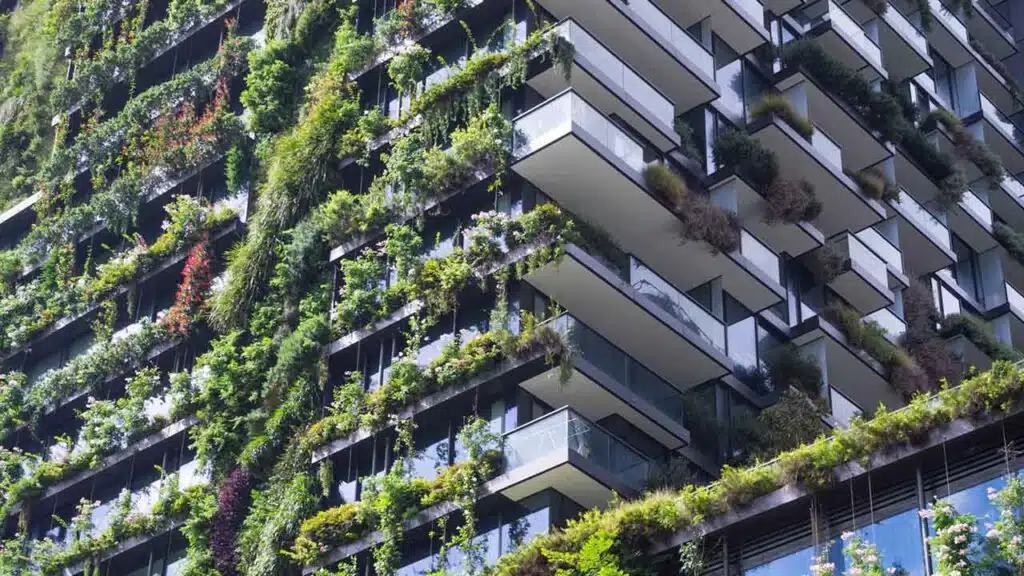
BREEAM, a UK-based certification, evaluates buildings for their environmental performance and sustainability, covering design, construction, and operation.
Why It’s Important
- Global Appeal: Widely recognized internationally, making it ideal for multinational companies.
- Comprehensive Assessment: Includes lifecycle impact, from construction materials to end-of-life disposal.
Assessment Areas
Categories include energy, water, pollution, transportation, materials, and health and well-being.
Example
The Bloomberg European Headquarters in London earned a BREEAM Outstanding rating, incorporating rainwater harvesting, natural ventilation, and high-performance glass.
How to Achieve It
- Incorporate renewable energy sources like solar panels.
- Design with water-saving technologies such as low-flow fixtures.
- Prioritize recycled and locally sourced construction materials.
4. WELL Building Standard
The WELL Building Standard emphasizes human health and wellness in the built environment. It assesses elements like air, water, light, nourishment, fitness, comfort, and mental well-being.
Why It’s Important
- Employee Retention: Promotes a healthier work environment, leading to improved morale and productivity.
- Competitive Edge: Attracts tenants and businesses prioritizing employee well-being.
Example
The PNC Tower in Pittsburgh achieved WELL certification for incorporating ergonomic workspaces, biophilic design, and advanced air filtration systems.
How to Achieve It
- Install high-performance air and water filtration systems.
- Design spaces with natural light, greenery, and wellness zones.
- Offer on-site amenities like gyms and healthy dining options.
5. Green Globes Certification
Green Globes, offered by the Green Building Initiative (GBI), is a cost-effective alternative to LEED. It evaluates properties on energy efficiency, water conservation, and indoor environmental quality.
Why It’s Important
- Flexible Assessment: Accommodates projects of various sizes and budgets.
- Reduced Costs: Certification is typically more affordable than other standards.
Example
A retail complex in Texas earned Green Globes certification by reducing water usage by 50% through efficient irrigation systems and low-flow fixtures.
How to Achieve It
- Optimize energy systems with smart building technologies.
- Use sustainable materials like reclaimed wood or recycled concrete.
6. Fitwel Certification
Fitwel focuses on improving the health and well-being of building occupants. It evaluates features that encourage physical activity, healthy eating, and mental wellness.
Why It’s Important
- Attracts Tenants: Ideal for companies prioritizing employee wellness.
- Increases Productivity: Healthier environments lead to better work outcomes.
Example
A Dallas co-working space earned Fitwel certification by installing fitness centers, ergonomic furniture, and healthy vending machines.
How to Achieve It
- Design staircases and walking paths to encourage physical activity.
- Provide healthy food options and filtered water stations.
7. Living Building Challenge
The Living Building Challenge sets a high bar, requiring buildings to generate more energy than they consume and positively impact the environment.
Why It’s Important
- Restorative Design: Focuses on regenerative practices rather than mere sustainability.
- Innovation Leadership: Demonstrates cutting-edge environmental responsibility.
Example
The Frick Environmental Center in Pittsburgh achieved Living Building status by integrating solar panels, rainwater harvesting, and zero-waste operations.
How to Achieve It
- Implement renewable energy systems like wind or solar.
- Use composting and recycling programs to achieve zero waste.
8. NABERS (National Australian Built Environment Rating System)
NABERS measures energy, water, waste, and indoor environmental performance. Though rooted in Australia, it’s increasingly used by multinational firms.
Why It’s Important
- Performance Benchmarking: Helps track and improve environmental efficiency over time.
- Global Recognition: Adds credibility for businesses with international operations.
Example
An office park in Melbourne improved its NABERS rating by installing rainwater tanks and motion-sensor lighting systems.
How to Achieve It
- Install energy-efficient lighting and HVAC systems.
- Regularly monitor resource usage with advanced metering systems.
9. GRESB (Global Real Estate Sustainability Benchmark)
GRESB assesses real estate portfolios based on environmental, social, and governance (ESG) criteria, focusing on corporate sustainability practices.
Why It’s Important
- Investor Confidence: Provides transparent data on sustainability performance.
- Portfolio Value: Enhances the attractiveness of real estate investments.
Example
A U.S. real estate investment trust improved its GRESB score by adopting energy-efficient systems across multiple properties.
How to Achieve It
- Align property operations with ESG goals.
- Regularly report sustainability initiatives and improvements.
10. Passive House Certification
Passive House Certification focuses on creating buildings that achieve significant energy savings through high-efficiency designs.
Why It’s Important
- Cost-Effective: Reduces heating and cooling costs by up to 90%.
- Comfort: Ensures consistent indoor temperatures with minimal energy use.
Example
A commercial office in New York earned Passive House certification by installing airtight windows, advanced insulation, and energy recovery ventilators.
How to Achieve It
- Use passive solar designs to capture and retain heat.
- Install high-performance insulation and energy-efficient HVAC systems.
Wrap Up
Achieving green certifications for commercial property is a powerful step toward creating sustainable, efficient, and profitable buildings. Certifications like LEED, Energy Star, and WELL are more than accolades—they’re investments in a greener future, better tenant satisfaction, and increased market value.
As environmental awareness continues to shape the real estate industry, now is the time to pursue these certifications. Which certification will your property aim for first?