

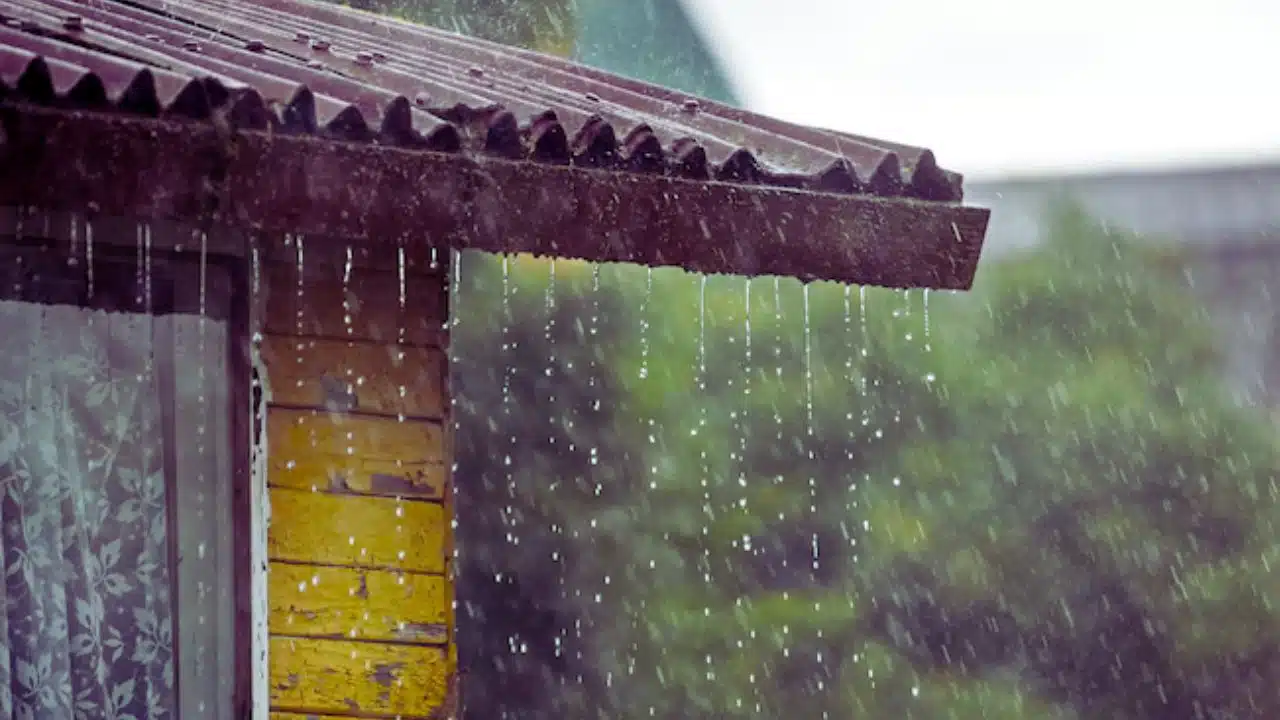
Rainwater is a precious natural resource freely available for collection and use. In parts of the world with a municipal water supply, it is easy to neglect the water that falls from the skies.
However, rising water rates and fears of water scarcity are causing many householders to consider the benefits of rainwater harvesting for their properties.
Collecting rainwater for household use can make homes and communities more sustainable and reduce pressure on the municipal water supply. This article explains rainwater harvesting and shares 15 key benefits of this water collection technique.
Rainwater Harvesting: A Simple and Effective Water Solution
Rainwater harvesting involves collecting and storing rainwater at home or in industry. People harvest rainwater using anything from a simple container to a sophisticated installation that channels water into dedicated cisterns.
Rather than being absorbed into the ground or becoming surface run-off, rainwater is directed using sloped surfaces, channels, and gravity into the storage location. The roof provides a large surface area for intercepting and channeling rain for most properties.
Uses of Harvested Rainwater
Collected rainwater can be used for various daily activities that require water. Depending on location and infrastructure, rainwater can be utilized for drinking water, laundry, personal care, household cleaning, toilet flushing, irrigation, gardening, and replenishment of reservoirs and groundwater supplies.
15 Rainwater Harvesting Benefits
1. Free Resource:
Rainwater collection is free wherever it is allowed. You may have to pay for water that comes in a bottle or out of a tap, but when it comes to rainwater, this essential natural resource is 100% free anywhere on Earth. Some regions have water rights regulations, but generally, if it drops out of the sky, it’s yours!
2. Simple to Implement:
The principles of collecting rainwater are simple and can be replicated anywhere in the world. A basic rainwater system exploits gravity and the flow of water to channel water that flows off a sloped surface into a storage vessel.
Simple rainwater collection systems worldwide use roofs and other slanted surfaces and even an ‘upturned umbrella’ design to collect rainfall efficiently for later use. A collection system does not have to be sophisticated or expensive to do a great job of harvesting rain.
3. High Yield:
The amount of rainwater you can harvest shouldn’t be underestimated. For every inch of rain you receive, you can collect 550 gallons of rainwater for every 1,000 square feet of rainwater collection surface area you have available.
The collected rainwater can substantially boost your household’s water resilience if you live in a temperate region with moderate rainfall or have a monsoon or harmattan season.
4. Reduces Mains Water Use:
Collecting rainwater reduces reliance on a mains water supply to meet your household’s water needs. The average American family can use as much as 300 gallons of water daily, with 70% of this water used indoors.
Collected rainwater provides a water source that offsets this volume. Stored rainwater can immediately be used for outdoor uses like watering plants and washing cars. It may be plumbed in to supplement the domestic water supply for laundry and toilet flushing.
5. Globally Applicable:
Precipitation can be harvested for use in the most extreme environments on earth, and for many populations, it is an essential method for accessing water. Sub-surface desert water harvesters can collect precipitation and surface run-off water in desert environments while preventing stored water from evaporating.
Micro catchment systems like these have been used in semi-arid and arid regions to provide water for wildlife and can even feed long-term underground water storage.
In icy environments, where households do not have a mains water supply, snow is routinely collected in containers and heated for household use.
6. Cost Savings:
Accessing water from a municipal water supply costs money, with many countries instituting water meters to measure and bill water consumption. In the United States, the EPA reports that a family can expect to pay at least $1,000 annually to water companies for the water they use.
Monitoring water consumption has proved to be an excellent incentive for reducing water use. Rainwater collection can help by instantly providing families with an unmetered water supply that can be used to minimize billed water consumption.
An efficient rainwater harvesting system can save homeowners as much as 40 to 50% of their water bill.
7. Energy Conservation:
If rainwater harvesting were routine, there would be a massive decrease in demand for municipal water supplies. This would also reduce the energy consumption required to draw, treat, and deliver mains water to homes.
This more renewable water source also requires zero energy for collection and storage, furthering its environmental benefits.
8. Reduces Groundwater Demand:
Many countries worldwide find they can ease the demand for precious groundwater supplies by using rainwater collection systems. Iraq is a relatively arid country that has implemented rainwater conservation projects to safeguard its groundwater, which forms about 14% of its water supply.
With the support of UN Aid, local environmental scientists are installing rainwater collection systems using ponds and dams to protect the deep aquifers that take a long time to be replenished.
9. Drought Resilience:
If you’ve experienced your water company instituting a hosepipe ban during long, hot summers, you will understand the benefit of having an independent water supply on your property. Water collected during periods of wet weather can prove invaluable in drought, where it can be freely used to water a garden.
Many gardeners maintain a rainwater collection system for this reason. The stored water can be used to support irrigation systems and, in agricultural settings, ensure that livestock and plants can be sustained in hot, dry periods.
10. Reduces Stormwater Erosion:
Stormwater is a massive environmental problem, causing up to $2.2 billion of damage in urban areas alone. Uncontrolled and undirected surface run-off from storms is a major cause of flooding, property damage, soil and land erosion, and harm to aquatic life.
Proactive integration of rainwater harvesting in the design of buildings could massively impact this global problem.
Routinely including robust rainwater collection systems in urban architecture, towns, and cities could prevent the damage associated with stormwater and recover valuable water resources for residents.
11. Drinking Water Source:
Though rainwater is not potable naturally, it can be collected and treated to provide households with drinking water. This is an ideal solution for remote properties that may not have access to a mains water supply and want to maximize their natural water sources.
On-site water filtration and treatment systems for rain, well, or spring water add significantly to the cost of a rainwater harvesting system.
12. Supports Water Self-Sufficiency:
A reliable, clean water supply is essential for consistent off-grid living. Many properties that are not mains connected may have a spring or well available, but they may not be able to meet household demand fully.
By adding rainwater harvesting, households can establish a genuinely independent water supply. People can maintain a rainwater store to sustain a household until it rains again.
A rainwater collection system that can collect enough water requires professional design and installation to ensure adequate surface area to catch rainfall.
13. Soft Water Benefits:
A popular benefit of rainwater is that it does not contain the hardness that can affect mains water. Water hardness is due to magnesium and calcium salts in the groundwater drawn for municipal water supplies.
Complex water build-ups cause limescale, damaging appliances like washing machines and dishwashers. Rainwater has no hardness and is ideal for laundry and other uses where water softness is valuable.
Many people in challenging water areas actively collect rainwater because of its softness and use it for car washing, laundry rinses, and watering plants.
14. Scalable Systems:
Rainwater collection systems are infinitely scalable and can be sufficiently large to meet some or all of a household’s water requirements.
The world’s most extensive rainwater harvesting system in Karnataka, India, collects as much as 4 billion liters of rainwater from a network of collection systems on school rooftops.
15. Property Value Increase:
A high-specification rainwater collection system can increase property value. Eco-friendly modifications are increasingly attractive to prospective buyers, providing tangible benefits like solar panels or wood-burning stoves.
Summary
Rainwater harvesting offers numerous benefits, making it a sustainable water management practice that can be implemented on various scales.
From simple rain barrels to comprehensive systems, harvesting rainwater can significantly reduce reliance on municipal water supplies, save money, and contribute to environmental conservation.
As awareness of eco-friendly practices grows, rainwater harvesting becomes an essential strategy for households and communities aiming for sustainability and self-sufficiency. By harnessing the natural resource of rainwater, we can ensure a more resilient and environmentally responsible future.






















