


Living an eco-friendly lifestyle doesn’t have to be a daunting task that requires drastic changes. Even minor adjustments can significantly reduce your environmental impact and promote sustainability.
As our awareness of environmental issues grows, more people are looking for ways to make their daily routines greener. Simple swaps, such as using reusable bags instead of plastic or opting for non-toxic cleaning products, can make a substantial difference.
This article explores 10 practical and straightforward eco-friendly swaps anyone can incorporate into life. These changes benefit the environment, contribute to your overall well-being, and even save you money in the long run.
By making these minor adjustments, you can create a healthier planet for future generations. Let’s dive into these ten eco-friendly swaps to help you lead a more sustainable and fulfilling life.
1. Bamboo Toothbrushes

Switching from a plastic toothbrush to a bamboo toothbrush is an easy and effective way to reduce environmental impact. Traditional plastic toothbrushes contribute to the growing problem of plastic waste, as they are not biodegradable and can take hundreds of years to decompose.
On the other hand, bamboo toothbrushes are made from sustainable and biodegradable materials. Bamboo is a fast-growing plant that requires no pesticides and minimal water, making it an environmentally friendly resource.
You can maintain your dental hygiene routine by choosing a bamboo toothbrush while significantly reducing your plastic waste. These toothbrushes often come with biodegradable packaging, further minimizing your environmental footprint. Bamboo toothbrushes can be composted, ensuring they return to the earth naturally.
This simple swap benefits the planet and encourages the production and use of sustainable materials. This change can inspire others to consider eco-friendly alternatives in their daily lives, contributing to a broader movement towards sustainability.
2. Reusable Shopping Bags
Reusable shopping bags are a practical and eco-friendly alternative to single-use plastic bags. Single-use plastic bags are one of the most common forms of plastic waste, often ending up in landfills and oceans, where they can harm wildlife and take centuries to decompose.
Investing in reusable shopping bags made from durable materials like cotton, canvas, or recycled plastic can significantly reduce the amount of plastic waste you generate. These bags are designed to be used multiple times and can carry more weight than typical plastic bags, making them a convenient choice for shopping trips.
Many reusable bags are foldable and compact, allowing you to keep a few in your car or purse for impromptu shopping. This small change can make a big difference in reducing plastic pollution and promoting a sustainable lifestyle.
Additionally, many stores offer incentives or discounts for customers who bring their bags, providing an added financial benefit to this eco-friendly practice.
3. Stainless Steel Water Bottles
Ditching disposable plastic water bottles in favor of reusable stainless steel water bottles is a straightforward way to reduce plastic waste and support environmental sustainability. Disposable plastic bottles contribute significantly to plastic pollution, with millions ending up in landfills and oceans yearly.
Stainless steel water bottles are a durable, long-lasting alternative that can be reused countless times. They are free from harmful chemicals like BPA, found in some plastics, making them a healthier choice for drinking water.
These bottles also maintain the temperature of your beverages, keeping water cold or hot for extended periods. Investing in a stainless steel water bottle helps the environment and saves money in the long run, as you won’t need to purchase bottled water regularly.
You can stay hydrated throughout the day without contributing to plastic waste by carrying your water bottle. This small change can substantially impact the planet, promoting a culture of reuse and sustainability.
4. Beeswax Wraps
Replacing plastic cling wrap with beeswax wraps is an excellent way to reduce single-use plastic waste in your kitchen. Beeswax wraps are made from cotton fabric infused with beeswax, jojoba oil, and tree resin, making them a reusable and biodegradable alternative to plastic wrap.
They can be used to cover bowls, wrap sandwiches, or store leftovers, providing a versatile solution for food storage. Beeswax wraps are easy to clean with cold water and mild soap, and they can last up to a year with proper care.
When they reach the end of their lifespan, they can be composted, unlike plastic wrap, which takes hundreds of years to break down. This swap not only reduces plastic waste but also supports the use of natural, sustainable materials.
Beeswax wraps come in various sizes and designs, adding a touch of creativity to your kitchen. This change can decrease your reliance on single-use plastics and contribute to a more sustainable lifestyle.
5. Cloth Napkins
Swapping disposable paper napkins for cloth napkins is a simple yet effective way to reduce paper waste and enhance your dining experience. Cloth napkins, made from organic cotton, linen, or other sustainable fabrics, can be washed and reused countless times, making them a more eco-friendly option.
They are more absorbent and durable than paper napkins, providing better functionality during meals. Cloth napkins also add a touch of elegance to your table setting, making everyday meals feel more special.
Choosing cloth over paper reduces the demand for paper production, which involves cutting down trees and consuming large amounts of water and energy. This switch benefits the environment and saves money in the long run, as you won’t need to purchase disposable napkins continually.
Cloth napkins can be easily cleaned with regular laundry, making them a convenient and sustainable choice for any household. Embracing this small change can lead to a significant reduction in waste and promote a more sustainable lifestyle.
6. Compostable Phone Cases
Most phone cases are made from plastic, which is not biodegradable and contributes to environmental pollution. Compostable phone cases from biodegradable materials like plant-based plastics or bamboo are better alternatives.
These cases provide the same level of protection for your phone but will break down naturally when disposed of. By choosing a compostable phone case, you can reduce your environmental impact and support using sustainable materials. This switch is significant given the high turnover rate of smartphones and accessories.
As technology advances, many people upgrade their phones regularly, leading to an accumulation of plastic cases. Compostable phone cases help mitigate this problem by offering a sustainable option that returns to the earth naturally.
They are available in various designs and colors, ensuring you don’t have to compromise on style or functionality. This eco-friendly choice supports the broader movement towards reducing plastic waste and promoting environmental sustainability.
7. Eco-Friendly Cleaning Products
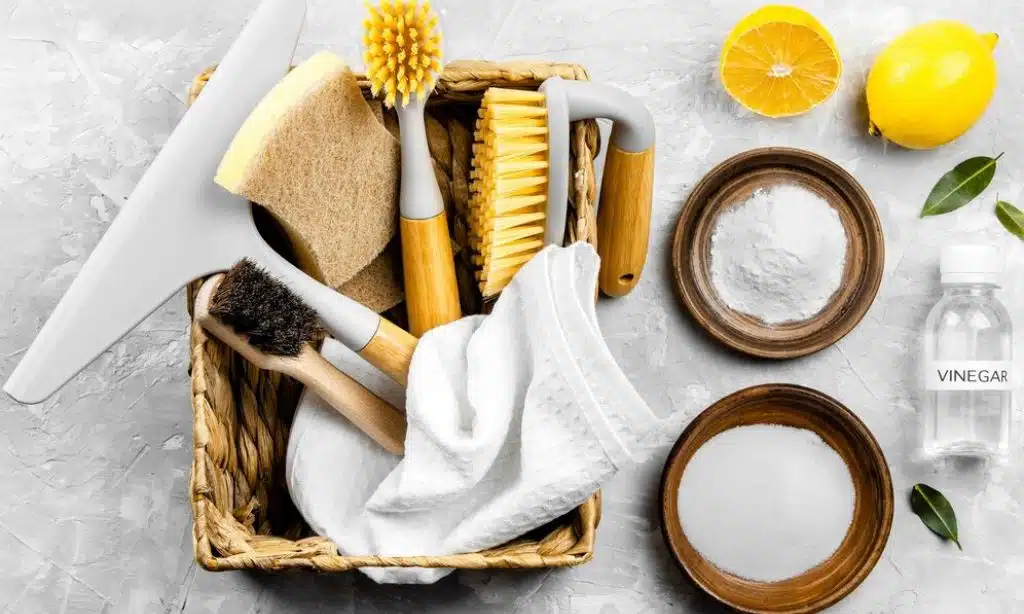
Many conventional cleaning products contain harsh chemicals that can harm the environment and your health. Switching to eco-friendly cleaning products made from natural ingredients like vinegar, baking soda, and lemon juice can reduce exposure to toxins and minimize environmental pollution.
Look for plant-based formulas in recyclable or refillable packaging to reduce your ecological footprint further. Eco-friendly cleaning products are as effective as traditional ones and safer for your home and the planet. They help reduce the release of harmful chemicals into the air and waterways, protecting wildlife and ecosystems.
These products often come with pleasant natural scents, enhancing the cleaning experience. This switch allows you to maintain a clean and healthy home while supporting environmental sustainability. This simple change promotes a healthier lifestyle and contributes to the planet’s well-being, making it a win-win for both you and the environment.
8. Reusable Coffee Cups
Disposable coffee cups are a significant source of waste, as they are often not recyclable due to their plastic lining. Bringing your reusable coffee cup to your favorite cafe is an easy way to reduce this waste.
Many coffee shops offer discounts to customers who bring their cups, making it a win-win for your wallet and the planet. Reusable coffee cups come in various materials, including stainless steel, glass, and bamboo, providing plenty of options to suit your preferences.
These cups are designed to keep your beverages hot or cold for longer, enhancing your coffee-drinking experience. By choosing a reusable cup, you can significantly reduce the number of disposable cups in landfills.
This small change can make a big difference in reducing waste and promoting a culture of reuse. It’s a simple yet impactful way to contribute to environmental sustainability while enjoying your daily coffee.
9. Solar-Powered Outdoor Lights
Traditional outdoor lights can consume a lot of electricity, contributing to higher energy bills and increased carbon emissions. Solar-powered outdoor lights harness the power of the sun to provide energy-efficient lighting for your garden, patio, or pathway.
These lights are easy to install, require no wiring, and automatically turn on at dusk. By switching to solar-powered lights, you can reduce energy consumption and create a more sustainable outdoor space.
Solar lights are available in various styles and designs, allowing you to choose options that complement your outdoor decor. They are also a cost-effective solution, eliminating the need for electricity and reducing maintenance costs.
This eco-friendly swap benefits the environment and enhances the aesthetic appeal of your outdoor areas. By utilizing renewable energy, you contribute to reducing greenhouse gas emissions and support the transition towards a more sustainable energy system.
10. DIY Cleaning Solutions
Making your cleaning solutions using simple ingredients like vinegar, baking soda, and essential oils is a cost-effective and eco-friendly alternative to store-bought cleaners. DIY cleaning solutions are free from harsh chemicals, reduce plastic packaging waste, and are easy to make.
For example, a mixture of vinegar and water can clean windows and surfaces, while baking soda can be used in sinks and tubs. Essential oils add a pleasant scent and can provide additional cleaning benefits. You can ensure a safer and more sustainable home environment by making your own cleaning products.
This approach allows you to control ingredients, avoiding potential allergens and toxins. DIY cleaning solutions are effective and budget-friendly, offering a practical way to reduce your environmental impact.
This simple change promotes a healthier lifestyle and contributes to environmental sustainability, making it an ideal choice for eco-conscious individuals.
Why Swap to an Eco-Friendly Lifestyle
Reduces Environmental Footprint: Adopting eco-friendly habits helps lower your overall impact on the environment, which is crucial for combating climate change and conserving natural resources.
Decreases Pollution and Waste: Sustainable choices minimize the amount of pollution and waste produced, protecting ecosystems and wildlife.
Preserve Biodiversity: Reducing plastic use and chemical pollutants helps protect various species and habitats, promoting biodiversity.
Improves Health: Using non-toxic products and consuming organic, plant-based foods reduces exposure to harmful chemicals and pesticides, leading to better health outcomes.
Economic Benefits: Investing in reusable items and energy-efficient appliances can lead to significant savings over time compared to buying single-use products and paying high utility bills.
Supports Sustainable Businesses: Choosing eco-friendly products supports companies prioritizing environmental responsibility, encouraging more businesses to adopt sustainable practices.
Promotes Healthier Living: Sustainable practices often involve healthier choices, such as reducing meat consumption and avoiding chemical-laden products.
Encourages Positive Market Shifts: Consumer demand for eco-friendly products drives companies to innovate and create more sustainable options.
Ensures a Sustainable Future: Adopting eco-friendly habits ensures that future generations can access clean air, water, and natural resources, creating a healthier planet for all.
Takeaways
Making small, eco-friendly changes in your daily life can have a significant positive impact on the environment. These ten simple swaps from bamboo toothbrushes to DIY cleaning solutions are easy to implement and promote sustainability.
Each change reduces waste, conserves resources, and promotes a more sustainable lifestyle. By adopting these practices, you can inspire others to do the same, creating a ripple effect that benefits the planet.
Remember, every small action adds up to make a big difference. Start with one or two swaps and gradually incorporate more into your routine. We can make a positive environmental change, ensuring a healthier planet for future generations.





















