Listen to the Podcast:
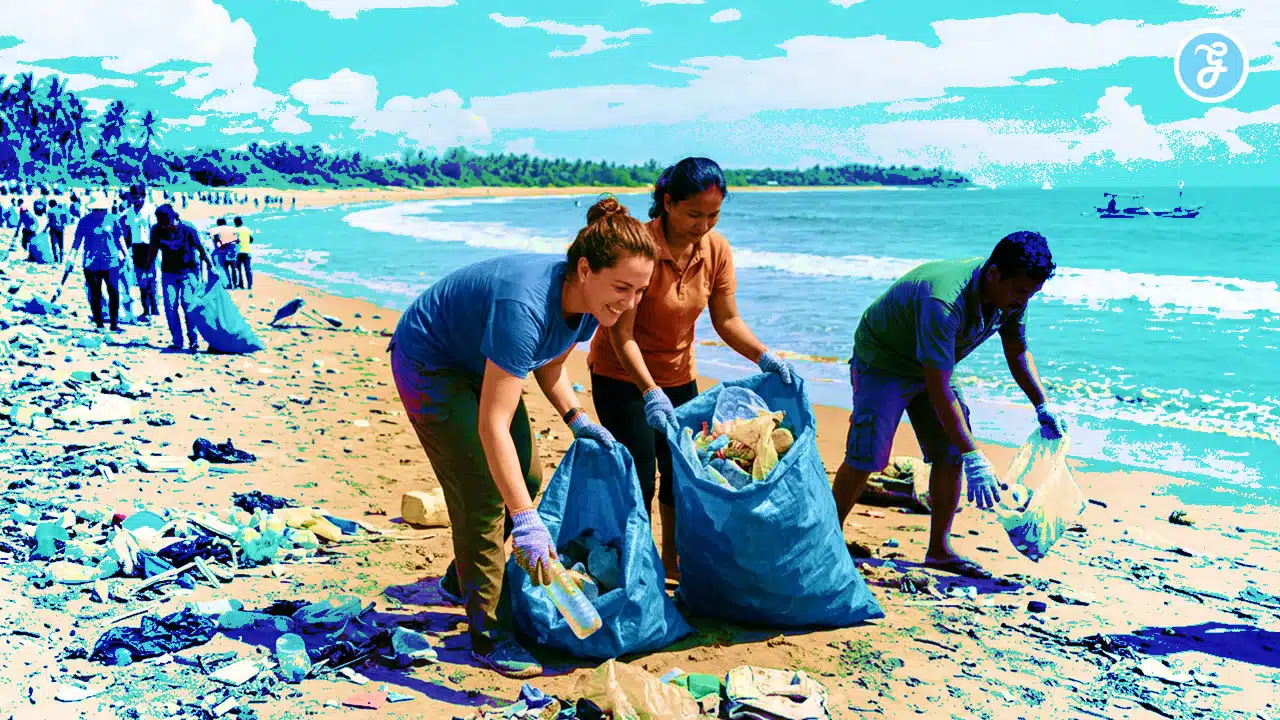
Monday, a UN group met in Paris to work on what is meant to be a landmark treaty to stop plastic pollution around the world. However, there isn’t much agreement yet on what the end result should be.
The Intergovernmental Negotiating Committee for Plastics is in charge of making the first international, legally binding deal on plastic pollution, including in the marine environment. This is the second of five talks that need to happen before the end of 2024 for the negotiations to be finished.
At the first meeting, which took place in Uruguay six months ago, some countries wanted global rules, others wanted national answers, and others wanted both.
Experts say that because the time frame for treaty negotiations is so short, it’s very important that choices about the goals and scope of the text, like what kind of plastics it will focus on, are made in this second session. But it’s easier to say than to do. Over 2,000 people from nearly 200 countries, including government officials and observers, have come to the meeting at UNESCO, the U.N. office for culture in Paris.
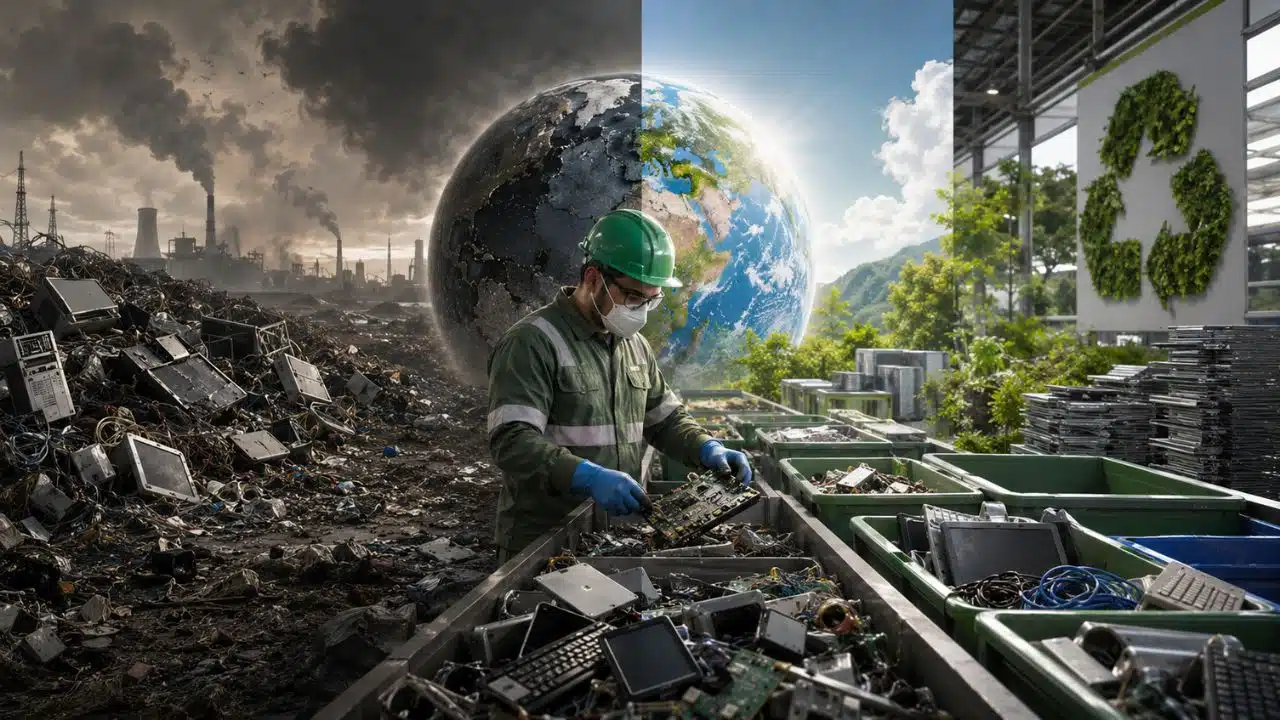
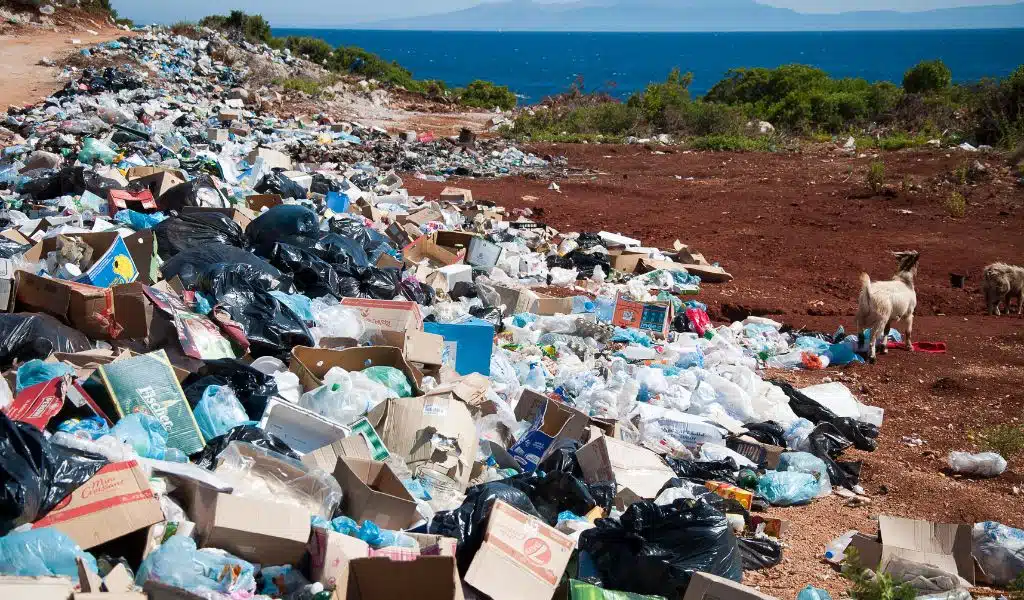
The United Nations Environment Program said in April that people make more than 430 million tons of plastic every year, and two-thirds of that is short-lived goods that end up in the ocean and often end up in the food chain. According to the Organization for Economic Cooperation and Development, the amount of plastic garbage made around the world will almost triple by 2060. About half of it will end up in landfills, and less than a fifth will be recycled.
The so-called “high ambition coalition” of countries, led by Norway and Rwanda, wants the treaty to focus on people’s health and the environment. It could do this by putting limits on plastic production and putting restrictions on some of the chemicals used to make plastic. The group is committed to a global, legally binding plan to stop plastic pollution by the year 2040. It says that this is needed to protect human health and the environment, as well as to help recover biodiversity and slow down climate change.
On the other hand, the scope of the treaty could be narrowed to deal with plastic waste and increase recycling, as some of the countries that make plastic and sell oil and gas want. Most plastic is made from fossil fuels. The United States, Saudi Arabia, and China are among the countries that support this idea. The U.S. delegation in Uruguay said that national plans would help countries figure out which types and sources of plastic pollution are the most important. A plastic trash treaty that puts recycling first is also what a lot of plastics and chemical companies want.
The International Council of Chemical Associations, the World Plastics Council, the American Chemistry Council, and other companies that make, use, and recycle plastics say they want a deal to stop plastic pollution while “keeping the benefits of plastics for society.” They call themselves “global partners for plastics circularity.” They say that modern plastics are used all over the world to make important and often life-saving goods. Many of these products are important for a future with less carbon emissions and more sustainability.
The American Chemistry Council’s vice president of plastics, Joshua Baca, said that countries are so different. “A one-size-fits-all method won’t work, be fair, or be easy to put into place. Instead, the deal should call for national action plans. This is the best way to get rid of plastic pollution in each country.
The International Pollutants Elimination Network, or IPEN, wants a deal that limits the use of chemicals that are bad for people’s health and the environment that are used to make plastic.
“It would be a failure for this treaty to focus on plastic waste, because to solve the crisis, you have to look at how plastic is made, including the extraction of fossil fuels and the use of toxic chemicals,” said Dr. Tadesse Amera, co-chair of the network.
Bjorn Beeler, the international leader for IPEN, said that countries need to come up with a plan by the end of this week for writing a first draft of the treaty text so that it can be discussed at the third meeting.
He said, “If there’s no text to negotiate, all you’re doing is talking about ideas.” “Then, based on the schedule, we could be looking at a failure soon.”