

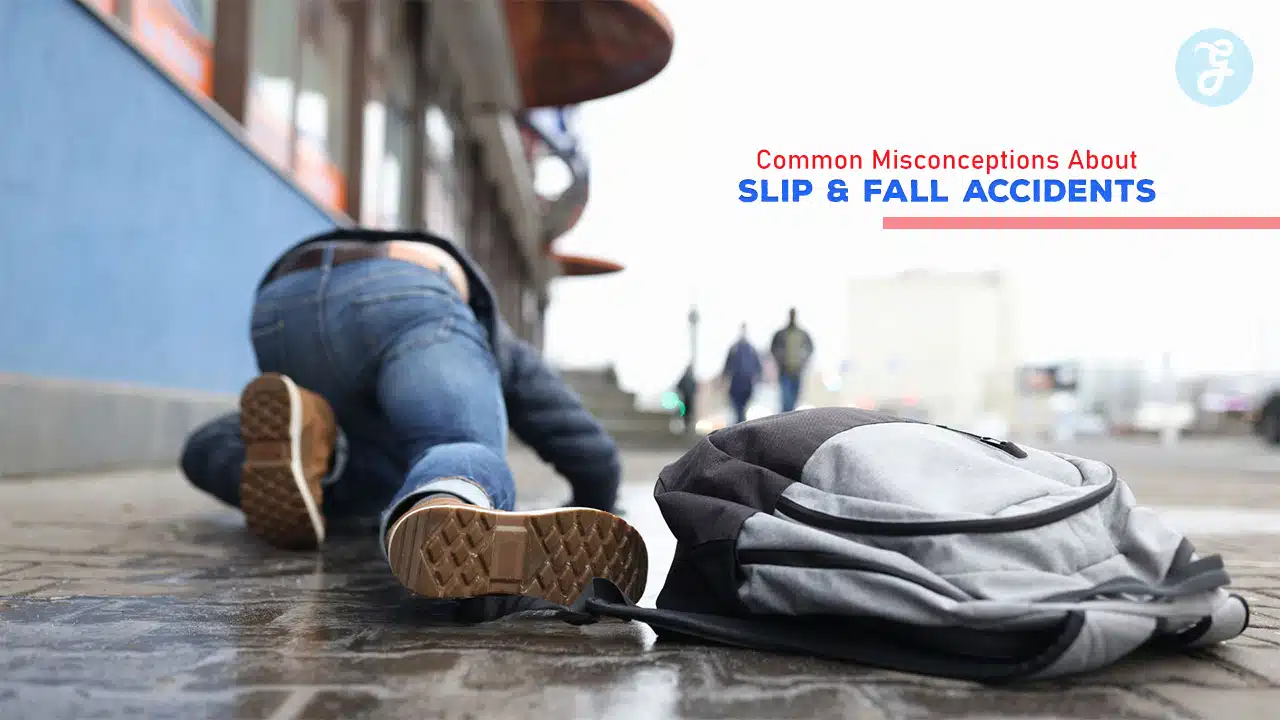
Slip and fall accidents happen often. Many people think they know how these cases work. But there are lots of wrong ideas out there. These myths can stop people from getting help when they need it.
You have rights if you slip and fall, even if you don’t know it. This article will clear up some common mix-ups about these accidents. We’ll look at seven wrong ideas many folks have. Knowing the truth can help you if you ever get hurt in a slip and fall.
1. Victim’s Own Negligence Always Disqualifies Claims
Many people think they can’t file a slip-and-fall claim if they were partly at fault. This isn’t true. Your own actions don’t automatically disqualify you from seeking compensation.
Most states use a system called comparative negligence. This means you can still pursue a claim even if you were partially responsible for your accident.
Your compensation might be reduced based on your level of fault. For example, if you’re found responsible for 20% of the damages, you could still recover 80% of the damages.
It’s important to remember that property owners have a duty to keep their premises safe. Even if you weren’t paying full attention, they might still be liable if they failed to address known hazards.
Don’t assume you have no case just because you think you made a mistake. A skilled attorney can evaluate the facts and help determine if you have a valid claim.
2. All Slip and Fall Injuries Are Minor
Many people think slip and fall accidents only cause small bruises or scrapes. This is not true. These accidents can lead to serious injuries.
Broken bones are common in slip and fall cases. You might break an arm, leg, or hip when you fall. These injuries can take months to heal.
Head injuries are another risk. You could get a concussion or more severe brain trauma from hitting your head during a fall. These injuries can have long-lasting effects on your health.
Back and spinal cord injuries can happen too. A bad fall might damage your spine, causing pain or even paralysis in some cases.
Older adults face higher risks in slip-and-fall accidents. Their bones may be more fragile, leading to worse injuries. Falls are a major cause of injuries for seniors.
Some injuries from falls don’t show up right away. You might feel fine at first, but pain or other symptoms can appear days later. This is the reason it’s crucial to visit a doctor after a fall.
Slip-and-fall accidents can also cause long-term problems. You might need ongoing medical care or physical therapy. Some people can’t work for a while after a serious fall.
3. You Need to Have Witnesses to Win

Many people think you can’t win a slip-and-fall case without witnesses. This isn’t true. While witnesses can be helpful, they’re not always necessary.
You can still build a strong case without eyewitnesses. Photos of the hazard, your injuries, and the accident scene can be powerful evidence. Medical records and expert testimony can also support your claim.
Security camera footage can be very useful if available. It may show the accident and the conditions that caused it. Your own detailed account of what happened is also important evidence.
Sometimes, witnesses may not remember details accurately or may not have seen the full incident. In these cases, other types of evidence can be more reliable.
If you do have witnesses, their statements can strengthen your case. But don’t worry if there aren’t any. You can still prove your claim with other evidence.
Remember, each case is unique. The specific evidence needed depends on the details of your accident. A lawyer can help you gather the right evidence to support your claim.
4. You Can’t Sue If You Were Trespassing
Many people think you can’t sue if you get hurt while trespassing. This isn’t always true.
The law is more complex than that. Property owners still have some duties to trespassers.
You might be able to sue if the owner knew trespassers often came onto the property. This is called “anticipated trespassing.”
Owners must warn about hidden dangers they know about. For example, if there’s a deep hole on the property,.
Children who trespass may have more legal protection. The law recognizes that kids might not understand the risks.
If an owner deliberately sets traps to hurt trespassers, that’s illegal. You could sue in this case.
Each situation is different. The details matter a lot.
It’s best to talk to a lawyer if you’re hurt while trespassing. They can tell you if you have a case.
Remember, trespassing is still against the law. It’s always safer to stay off private property unless invited.
5. All Property Owners Have the Same Duty of Care
You might think all property owners have the same responsibilities when it comes to keeping their premises safe. This is not true. The duty of care varies based on who is visiting the property.
Property owners owe different levels of care to invitees, licensees, and trespassers. Invitees are people invited onto the property for business purposes. They get the highest level of protection.
Licensees are social guests or people allowed on the property for their own purposes. They receive a moderate level of care. Trespassers generally get the least protection, but property owners still can’t create dangerous traps.
The specific duties also change based on the type of property. A store owner has different obligations than a homeowner. Public spaces like parks have their own set of rules too.
State laws play a big role in defining these duties. What’s required in one state may not apply in another. This is why it’s important to know your local laws if you’re involved in a slip-and-fall case.
6. Settlement Amounts Are Always Low

Many people think slip-and-fall settlements are always small. This isn’t true. Settlement amounts can vary a lot.
Some settlements are quite large. They can range from $10,000 to $50,000 or more. The exact amount depends on your case details.
Serious injuries often lead to higher payouts. If you need a lot of medical care or miss work, you might get more money.
Your economic losses play a big role. These include medical bills and lost wages. Non-economic damages like pain and suffering also count.
The type of injury affects the settlement too. A broken bone could cost $15,000 to $100,000. More severe injuries may receive even more.
Remember, each case is unique. Your settlement will depend on the specific facts of your accident. Don’t assume it will be low just because it’s a slip-and-fall case.
7. Insurance Always Covers All Medical Expenses
Many people believe insurance will pay for all their medical bills after a slip-and-fall accident. This is not always true. Insurance policies often have limits and deductibles.
You may need to pay some costs out of pocket. For example, you might have copays for emergency room visits or ambulance rides. These can add up quickly.
Insurance may not cover all types of treatments you need. Some therapies or specialized care might be excluded from your policy. You could end up paying for these yourself.
There are also cases where insurance denies claims. They might say your treatment wasn’t necessary or related to the accident. This can leave you with unexpected bills.
It’s important to review your insurance policy carefully. You should know what it covers before an accident happens. This can help you avoid surprises later on.
Don’t assume insurance will handle everything. You may need to fight for coverage or seek other ways to pay your medical expenses after a slip and fall.
Understanding Slip and Fall Accidents

Slip-and-fall accidents can happen anywhere, anytime. They often lead to injuries and legal issues. Let’s look at what causes these accidents and the types of injuries they can cause.
Common Causes of Slip and Fall Accidents
Many things can make you slip and fall. Wet floors are a big problem. They’re often found in stores, restaurants, and public buildings. Uneven surfaces can trip you up too. This includes cracked sidewalks or poorly maintained stairs.
Bad lighting makes it hard to see dangers. Clutter in walkways is another risk. Loose carpets or rugs can catch your foot. In winter, ice and snow create slippery conditions outside.
Some places don’t put up warning signs for hazards. This leaves you unaware of risks. Poor building design can also lead to falls. Things like sudden changes in floor level are dangerous.
Injuries Resulting from Slip and Fall Accidents
Slip-and-fall accidents can hurt you in many ways. Broken bones are common, especially in older people. You might break a hip, arm, or wrist when you try to catch yourself.
Head injuries can be very serious. Even a mild concussion needs medical care. Spine and back injuries can cause long-term pain. They might limit your ability to work or enjoy life.
Cuts and bruises are less severe but still painful. Sprains and strains, especially in ankles and wrists, are frequent. Some people suffer from ongoing neck or shoulder pain after a fall.
In rare cases, internal injuries can occur. These might not show symptoms right away. This is the reason it’s crucial to visit a doctor after any fall.
Legal Responsibilities and Liabilities
Property owners and managers have important legal duties to keep their premises safe. Understanding these responsibilities and how to prove negligence is key for anyone involved in a slip-and-fall case.
Property Owner Liability
Property owners must keep their spaces safe for visitors. This means fixing dangers or warning about them. Owners need to check for hazards regularly. They should clean up spills quickly. Putting up warning signs helps, but doesn’t always protect them from liability.
If someone gets hurt, the owner might be responsible. This depends on why the person was there. Customers get the most protection. Social guests have some rights too. Even trespassers have limited protections in some cases.
Proving Negligence in Slip and Fall Cases
To win a slip-and-fall case, you must show the owner was negligent. This means proving four things:
- The owner had a duty to keep the property safe
- They didn’t meet this duty
- This failure caused your fall
- You were hurt because of the fall
You need evidence to back up your claim. Take photos of where you fell. Get contact information from witnesses. Save any medical records related to your injury.
Time is important in these cases. Report the accident right away. See a doctor soon after. This helps link your injuries to the fall.
Steps to Take After a Slip-and-Fall Accident
Quick action after a slip and fall can protect your health and legal rights. Gathering evidence and getting medical care are crucial first steps.
Gathering Evidence
Take photos of the accident scene right away. Snap pictures of any hazards that caused your fall, like wet floors or uneven pavement. Get shots of your injuries too. Write down what happened while it’s fresh in your memory. Note the date, time, and exact location.
Ask for the names and contact information of any witnesses. Their statements could be important later. Report the incident to the property owner or manager. Ask them to make an official accident report. Keep the clothes and shoes you wore during the fall. Don’t wash them – they might be useful evidence.
Seeking Medical Attention
See a doctor as soon as possible after your fall. Some injuries might not show symptoms right away. A medical exam creates a record of your injuries. This can be key for any future legal claims.
Follow your doctor’s advice carefully. Go to all follow-up appointments. Keep records of all medical care and costs. Save receipts for medications and any items you need for recovery, like crutches or bandages. If you miss work due to your injuries, keep track of lost wages.
Don’t ignore small aches or pains. They could be signs of more serious issues. Be honest with your doctor about all your symptoms.
Final Thoughts
Understanding the realities behind slip-and-fall accidents is crucial for protecting your rights and navigating the legal landscape effectively.
Misconceptions can lead to missed opportunities for compensation or even prevent you from seeking help when you need it most. By debunking these common myths, you can better prepare yourself for any potential accidents and ensure that you take the necessary steps to safeguard your health and legal interests.
Armed with accurate information, you’ll be better equipped to handle the complexities of slip-and-fall cases and secure the justice you deserve.

























