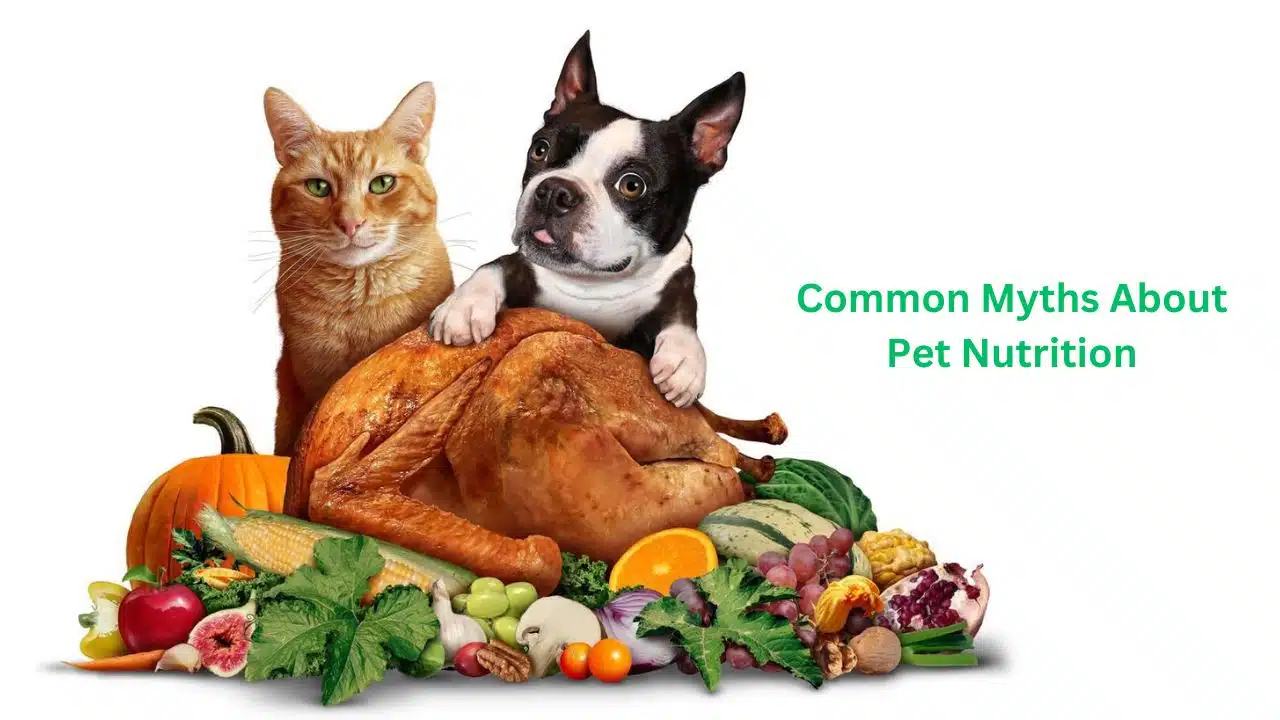
Pet nutrition is a topic filled with myths and misconceptions that can easily confuse pet owners. Understanding the truth behind these myths can significantly improve the health and well-being of your pets. This article debunks ten common myths about pet nutrition to help you make informed decisions about your pet’s diet.
When caring for our furry friends, nutrition is a crucial aspect that can determine their overall health and longevity. However, pet nutrition is rife with myths and misconceptions that can mislead even the most well-intentioned pet owners.
From believing that certain foods are inherently better to thinking that pets can eat the same diet throughout their lives, these myths can sometimes do more harm than good.
In this article, we will explore and debunk ten common myths about pet nutrition to help you make better-informed choices for your pets. With accurate information, you can ensure your pets receive the best diet to keep them happy and healthy.
1. Can Dogs Eat Cat Food? Can Cats Eat Dog Food?
It’s a common misconception that dogs and cats can interchange their diets. While a few canned formulas are available that meet the nutritional needs of both species, most pet foods are designed specifically for dogs or cats.
Cats require more protein and fat than dogs and have specific requirements for additional taurine. Dogs that overeat cat food are at risk of weight gain and even pancreatitis. Conversely, cats that eat dog food may suffer from nutritional deficiencies, particularly in taurine, which is crucial for their health.
It’s essential to understand that these dietary needs are based on the biological differences between the two species. For instance, cats are obligate carnivores, meaning they need a meat-rich diet to thrive.
On the other hand, dogs are more omnivorous and can handle a more varied diet. However, their nutritional balance must still be maintained to avoid health issues.
Key Points:
- Cats need more protein and fat than dogs.
- Taurine is essential for cats but not present in dog food.
- Overconsumption risks: Dogs may gain weight or develop pancreatitis; cats may suffer from nutritional deficiencies.
2. Are the Best Foods Those by Veterinarians?
Many people believe that pet foods sold by veterinarians are the best available. However, large brands often marketed in veterinary offices may derive more protein from grains or grain by-products like corn gluten meal, brewer’s rice, and wheat than from high-quality meat sources.
These formulas can contain poultry by-products, which include less desirable parts such as feet and beaks, making them a lower-quality source of protein. When looking for the best food for your pet, prioritize those with named meat meals like chicken or lamb meal listed before any grains.
Being an informed consumer and reading the ingredient labels carefully is essential. Ingredients are listed in order of weight, so the first few items are crucial indicators of the food’s overall quality.
Additionally, considering the brand’s transparency about sourcing and manufacturing processes can guide you toward better choices for your pet’s diet.
Key Points:
- Vet-sold brands may not always be high quality.
- Look for named meat meals as primary ingredients.
- Avoid grains and by-products in the first few ingredients.
3. Does Dry Pet Food Clean Your Pet’s Teeth?
A widespread myth is that dry pet food helps clean your pet’s teeth. In reality, dogs and cats have pointed teeth designed for biting and tearing meat. When they eat kibble, they often swallow it whole or shatter it, which does not clean their teeth effectively.
Kibble can contribute to dental problems when pieces get stuck between teeth, promoting bacterial growth. Healthy teeth start with a natural diet, healthy chews, and regular brushing.
Dental health is critical for overall well-being, as poor dental hygiene can lead to other serious health problems, including heart disease and infections. Therefore, regular dental check-ups and cleanings are also recommended to ensure your pet’s teeth and gums remain healthy.
Key Points:
- Kibble doesn’t clean teeth effectively.
- Dental problems can arise from kibble particles.
- Better dental health through natural diets, chews, and brushing.
4. Do Pets Need Life Stage Appropriate Diets?
Life-stage diets, like those for puppies, kittens, and senior pets, were created more as a marketing tool than a necessity. While puppies and kittens need more food for their size than adults, they do not require specially formulated diets.
A high-quality, varied diet is best. Senior pets, while needing fewer calories as they slow down, still benefit from excellent nutrition to keep their immune systems strong and their joints healthy.
Feeding a high-quality, varied diet remains crucial throughout a pet’s life. It is also essential to monitor their weight and adjust portions as needed to prevent obesity, which can lead to numerous health issues.
Key Points:
- Marketing tool more than necessity.
- A varied, high-quality diet is best.
- Senior pets need excellent nutrition despite fewer calories.
5. Are Table Scraps and Other “People Foods” Bad for Your Pet?
Many pet owners believe feeding table scraps and “people’s food” harms pets. However, healthy leftovers can be an excellent supplement to your pet’s diet. The key is to ensure the food is healthy for them, such as meat, steamed vegetables, and grains.
Avoid giving pets junk food or toxic foods, like onions, grapes, and raisins. Moderation and balance are essential; any additional food should not cause your pet to gain excess weight.
It’s also a great way to reduce food waste and ensure that your pet gets a variety of nutrients from different sources. Always consult your vet before making significant changes to your pet’s diet.
Key Points:
- Healthy leftovers can supplement the diet.
- Avoid junk food and toxic items.
- Moderation and balance are crucial.
6. Can Pets Only Eat Food Labeled as “Complete and Balanced”?
Pet food companies often perpetuate the myth that pets should only eat food labeled as “complete and balanced.” While providing a balanced diet is essential, it doesn’t mean every meal has to meet specific nutritional standards.
Variety is vital to a healthy pet diet, just like humans. Feeding a mix of commercially prepared foods and healthy toppers or fresh foods can provide a broad range of nutrients.
Supplements can also help fill any nutritional gaps. It’s crucial to remember that over-reliance on one type of food can lead to dietary deficiencies or imbalances over time. A diverse diet can help mitigate these risks and improve overall health.
Key Points:
- Variety is vital to a healthy diet.
- A balanced diet doesn’t mean every meal must be perfect.
- Supplements can fill nutritional gaps.
7. Is Feeding Raw Food Dangerous Due to the Risk of Salmonella and E. Coli?
Feeding raw food to pets is often feared due to the potential risk of Salmonella and E. Coli. However, dogs and cats have a much shorter and more acidic digestive tract than humans, which helps them process raw foods more safely.
Commercially prepared raw foods also undergo measures to control unwanted bacteria. Handling raw pet food properly, such as washing hands and utensils thoroughly, can mitigate risks, making raw feeding a viable option for many pet owners.
It’s also beneficial to source high-quality raw food from reputable suppliers who adhere to strict safety standards.
Key Points:
- Pets can handle raw food because they have shorter, more acidic digestive tracts.
- Commercial raw foods are often safely prepared.
- Proper hygiene mitigates risks.
8. Are High Protein Diets Hard on Your Pet’s Kidneys, Especially as They Age?
A myth perpetuated by poor-quality food manufacturers is that high-protein diets are hard on pets’ kidneys. In truth, high-protein animal diets are essential and healthy, even for aging pets.
The problem arises with high plant protein diets from soy and corn, which pets cannot properly digest. Quality meat proteins support your pet’s health, while plant proteins can strain their organs.
Always choose pet foods where the primary protein sources are named meat meals or quality meat. Proper protein intake is vital for maintaining muscle mass and overall health in pets of all ages.
Key Points:
- Animal proteins are healthy for pets.
- Plant proteins can strain organs.
- Choose quality meat proteins for better health.
9. Is Ash Content Important in Cat Food?
Concerns about ash content in cat food arose from past beliefs that ash contributed to Feline Lower Urinary Tract Disease (FLUTD). However, it is now understood that the formulation of the diet, particularly the pH level, is more critical.
High protein diets that create more acidic urine are better for cats than those high in grains, which can lead to more alkaline urine and struvite crystals.
Ensuring proper hydration and stress reduction also play significant roles in preventing FLUTD. Diet formulation should focus on overall nutrient balance rather than just ash content.
Key Points:
- Diet pH level is more critical than ash content.
- High-protein diets create more acidic urine, which benefits cats.
- Hydration and stress reduction are crucial.
10. Is Changing Formulas or Brands of Pet Foods Hard on Your Pet’s Digestion?
Many pet owners hesitate to change their pet’s food due to fears of digestive upset. However, a healthy pet can handle a varied diet without issues. Feeding the same food for extended periods can lead to sensitivities or allergies.
Variety in the diet provides a broader range of nutrients and can prevent food sensitivities.
Digestive enzymes and probiotics can help pets transition between different foods smoothly, maintaining a healthy digestive system. Introducing new foods gradually can also minimize any potential digestive issues.
Key Points:
- Healthy pets can handle varied diets.
- The same food for long periods can cause sensitivities.
- Variety and supplements promote healthy digestion.
Wrap up
Understanding the truth behind common pet nutrition myths can significantly benefit your pet’s health and well-being. By prioritizing high-quality, varied diets and focusing on your pet’s needs rather than marketing claims, you can ensure your furry friends enjoy a healthy and balanced diet.
Always consult your veterinarian when making significant changes to your pet’s diet to ensure it meets their unique nutritional requirements. By debunking these myths and making informed choices, you can give your pets the nutrition they need to thrive.