Every medical procedure involving anesthesia carries inherent risks, and the role of an anesthesiologist is pivotal in ensuring patient safety. However, the administration of anesthesia is not without its potential pitfalls, and patients should be aware of the hidden dangers associated with anesthesia errors.
This article will take a more detailed look into the risks, empowering patients to engage in informed discussions with their healthcare providers and advocate for their safety.
Understanding Anesthesia
Anesthesia is a delicate balance—a carefully managed state induced to allow medical procedures without causing undue pain or distress. It involves medications that induce three main components: sedation, analgesia (pain relief), and muscle paralysis.
Achieving this delicate balance requires precision, vigilance, and thorough knowledge on the part of the anesthesia team.
Common Anesthesia Errors
The administration of anesthesia is delicate, orchestrated to achieve the fine balance between rendering patients unconscious for medical procedures and ensuring their safety. However, this intricate process is not without potential dangers. Speak with a medical malpractice lawyer for more information about the damages you can collect due to the following anesthesia errors.
Below are some common anesthesia errors that can compromise patients’ well-being.
Medication Dosage Errors
One of the critical aspects of administering anesthesia is achieving the right dosage tailored to each patient’s unique characteristics. Anesthesia providers must calculate and administer precise amounts to induce unconsciousness and manage pain effectively. Dosage errors, whether an overdose or underdose, can lead to severe consequences.
Overdosing may result in complications such as respiratory distress, cardiac issues, or even a risk of overdose-related death. On the flip side, underdosing may lead to a patient regaining consciousness during a procedure and experiencing pain, stress, and emotional trauma.
Failure to Monitor Vital Signs
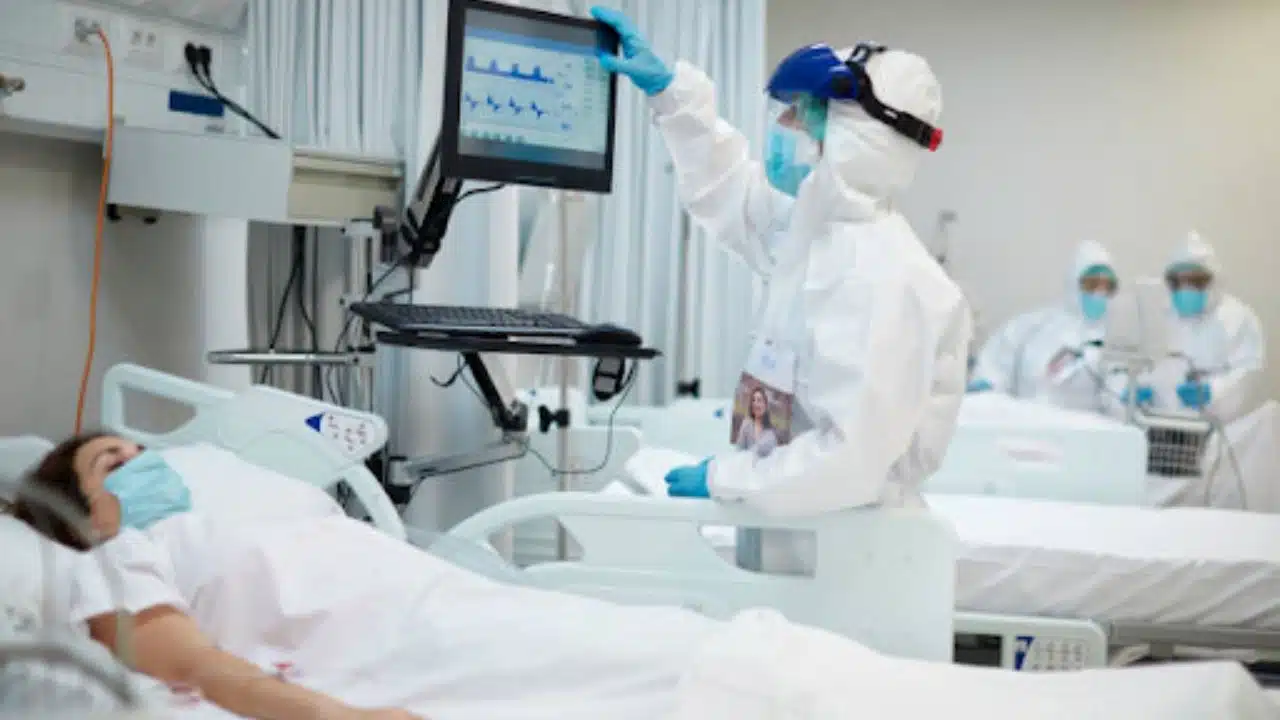
Continuous monitoring of a patient’s vital signs during surgery is paramount. Anesthesia affects heart rate, blood pressure, and respiratory function. Inadequate monitoring or misinterpretation of these vital signs can lead to delayed responses to emerging issues, jeopardizing patient safety.
Inadequate Preoperative Assessment
Thorough preoperative assessment is crucial for tailoring anesthesia plans to individual patient needs. Failure to consider factors like medical history, allergies, or concurrent medications can heighten the risk of complications. Anesthesia providers must conduct comprehensive evaluations to identify potential red flags.
Communication Breakdown
Effective communication is paramount in any healthcare setting, and the administration of anesthesia is no exception. Anesthesia providers must communicate clearly and thoroughly with the entire surgical team, including surgeons, nurses, and other healthcare professionals.
Communication breakdowns can lead to misunderstandings about the patient’s medical history, allergies, or the anesthesia plan. Such misunderstandings may contribute to errors in dosage, medication administration, or other aspects of anesthesia, jeopardizing patient safety.
Equipment Failures
Anesthesia relies on sophisticated equipment to administer and monitor the delivery of anesthesia agents. Equipment failures, such as malfunctioning vaporizers, ventilators, or monitoring devices, pose a significant risk to patient safety. Regular equipment checks and maintenance are essential to prevent technical issues during surgical procedures.
Anesthesia providers must be well-trained in troubleshooting and responding swiftly to equipment malfunctions to minimize potential patient harm. Rigorous attention to equipment reliability is a critical component of safe anesthesia practices.
Preventing Anesthesia Errors
While patients may not directly control the administration of anesthesia, being informed and proactive can contribute to a safer experience:
1. Open Communication
Establish open communication with the anesthesia team. Share your complete medical history, including any past allergies or adverse reactions to anesthesia. Clear communication enhances the anesthesia team’s ability to tailor their approach to your needs.
2. Advocate for Monitoring
Inquire about the monitoring protocols during your procedure. Understanding how your vital signs will be tracked can give you confidence in the anesthesia team’s commitment to your safety.
3. Seek Clarity on Postoperative Care
Anesthesia-related effects can linger postoperatively. Ensure you clearly understand the expected recovery process and any potential side effects. Promptly report any unusual symptoms to your healthcare team.
4. Stay Informed About Risks
Educate yourself about common anesthesia errors and their potential consequences. While rare, awareness empowers you to recognize signs of a problem and seek immediate attention if necessary.
Always Put Yourself First When It Comes To Medical Malpractice
The administration of anesthesia is a critical aspect of modern medical care, and while errors are rare, understanding the potential risks is vital. Patients can improve their safety and well-being during medical anesthesia by fostering open communication with healthcare providers and malpractice attorneys.