


Pets are beloved members of our families, bringing us companionship, joy, and unconditional love. As pet owners, it’s our responsibility to ensure their well-being and prevent health issues that can disrupt their lives.
Just like humans, pets can face various health problems that, if left untreated, can significantly affect their quality of life.
From obesity and dental issues to arthritis and skin allergies, being aware of these common health concerns allows us to take preventive steps, ensuring our furry friends lead healthy and fulfilling lives.
In this article, we’ll explore 12 common health issues that affect pets, the symptoms to watch for, and effective ways to prevent them. Whether you have a dog, cat, or another type of pet, these insights will help you provide the best care possible.
1. Obesity
Obesity is a widespread issue affecting pets, particularly in dogs and cats. It’s defined as an excessive accumulation of body fat that can lead to serious health complications, including diabetes, joint pain, and heart disease. Overfeeding, insufficient exercise, and poor diet choices are frequently the causes of obesity in pets.
Signs and Symptoms of Obesity
- Excessive body weight
- Difficulty in moving or getting up
- Shortness of breath
- Reduced stamina during exercise
Prevention Tips for Obesity
| Prevention Strategy | Description |
| Control Portion Sizes | Feed according to veterinarian guidelines to prevent overfeeding. |
| Provide Regular Exercise | Engage in daily walks, playtime, and activities to burn excess calories. |
| Choose Nutrient-Dense Food | Opt for quality pet food that provides balanced nutrition without unnecessary fillers. |
| Monitor Weight Regularly | Check your pet’s weight periodically to track changes and address issues early. |
Maintaining a healthy weight is critical for preventing obesity-related complications and prolonging your pet’s lifespan.
2. Dental Disease
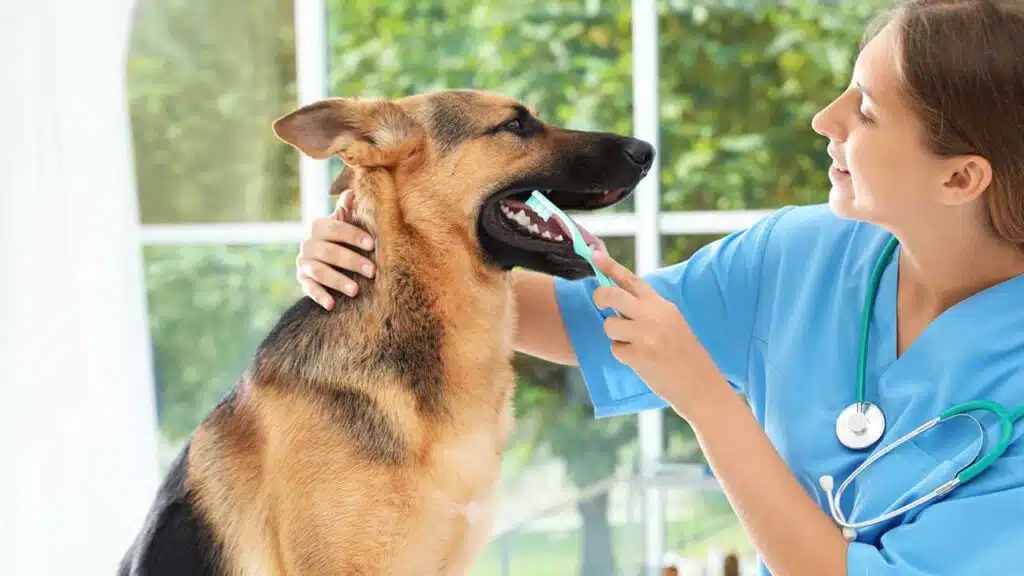
Dental disease is one of the most common health issues in adult pets, affecting up to 80% of dogs and 70% of cats by age three.
The condition ranges from mild gingivitis to severe periodontal disease, which can cause tooth loss and infections. Poor dental hygiene, plaque buildup, and a lack of dental care can lead to painful and costly complications.
Signs and Symptoms of Dental Disease
- Bad breath
- Swollen or bleeding gums
- Difficulty eating or chewing
- Drooling and pawing at the mouth
Prevention Tips for Dental Disease
| Prevention Strategy | Description |
| Brush Teeth Regularly | Use pet-safe toothpaste and brush 2-3 times per week to remove plaque. |
| Offer Dental Chews | Provide dental chews that help reduce plaque and tartar buildup. |
| Professional Cleanings | Schedule dental cleanings with your veterinarian for thorough plaque removal. |
| Use Dental Water Additives | Add vet-approved dental additives to water to promote oral hygiene. |
Consistent dental care can prevent painful infections and improve your pet’s overall health.
3. Parasites (Fleas, Ticks, and Worms)
Parasites are a persistent problem for pets, especially for those who spend time outdoors. Common parasites include fleas, ticks, and intestinal worms, which can cause itching, discomfort, anemia, and other serious health issues.
Without preventive measures, these parasites can be easily transmitted to humans and other pets in the household.
Signs and Symptoms of Parasite Infestation
- Frequent scratching or biting at the skin
- Visible fleas or flea dirt on the coat
- Diarrhea, vomiting, or visible worms in feces
- Pale gums (in cases of severe infestation)
Prevention Tips for Parasites
| Prevention Strategy | Description |
| Use Preventive Medications | Apply flea, tick, and worm preventives as your veterinarian advises on a regular basis. |
| Maintain Clean Living Spaces | Wash bedding and vacuum regularly to reduce fleas and ticks. |
| Inspect Pets After Outdoor Activities | Check for ticks, especially around ears and underbelly, after walks. |
| Schedule Deworming | Follow a regular deworming schedule to protect against intestinal parasites. |
Prevention and regular checks can help protect your pet from the discomfort and complications associated with parasite infestations.
4. Skin Allergies and Dermatitis
Skin allergies and dermatitis are common in pets, particularly in dogs. Food, environmental allergens, and contact with particular materials are just a few of the factors that can cause allergic reactions. These reactions can cause intense itching, leading to scratching, redness, and even hair loss.
Signs and Symptoms of Skin Allergies
- Excessive scratching or licking
- Red, inflamed skin or rashes
- Hair loss in affected areas
- Chronic ear infections
Prevention Tips for Skin Allergies
| Prevention Strategy | Description |
| Use Hypoallergenic Products | Bathe pets with hypoallergenic shampoos to prevent skin irritation. |
| Eliminate Known Allergens | If possible, identify and remove allergens like certain foods or fabrics. |
| Provide Omega-3 Supplements | Omega-3 fatty acids can improve skin health and reduce inflammation. |
| Regular Grooming | Brushing your pet’s coat removes allergens and reduces skin irritation. |
Preventing and managing skin allergies involves identifying triggers and maintaining a clean, allergen-free environment.
5. Arthritis and Joint Problems
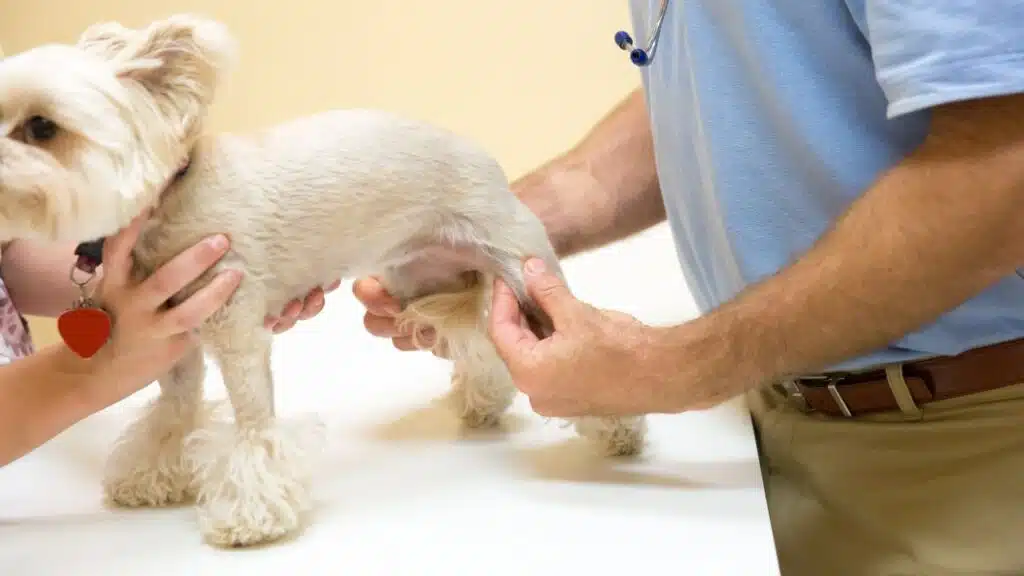
Arthritis and other joint issues, such as hip dysplasia, are common in older pets and certain large-breed dogs. These conditions cause inflammation, stiffness, and pain in the joints, reducing mobility and affecting your pet’s quality of life. While arthritis is more common in senior pets, young pets may also experience joint issues due to genetic predisposition.
Signs and Symptoms of Arthritis
- Limping or reluctance to move
- Stiffness, especially after resting
- Difficulty climbing stairs or jumping
- Reduced interest in physical activities
Prevention Tips for Arthritis
| Prevention Strategy | Description |
| Maintain Ideal Weight | Excess weight strains joints, so keeping your pet fit is crucial. |
| Provide Joint Supplements | Glucosamine and chondroitin supplements help maintain joint health. |
| Low-Impact Exercise | Swimming and short walks are beneficial without over-straining the joints. |
| Invest in Orthopedic Bedding | Orthopedic beds support joints and reduce discomfort in resting pets. |
Proactive measures like a healthy weight and joint support can delay arthritis onset and enhance mobility in aging pets.
6. Ear Infections
Ear infections are common in pets, particularly in breeds with floppy ears, like Cocker Spaniels and Basset Hounds. Moisture buildup in the ear canal frequently causes these infections, which can be due to bacteria, yeast, or allergies.
Signs and Symptoms of Ear Infections
- Shaking the head or tilting it to one side
- Red, inflamed ears with a foul odor
- Scratching or rubbing the ears
- Discharge from the ear canal
Prevention Tips for Ear Infections
| Prevention Strategy | Description |
| Clean Ears Regularly | Use a vet-approved solution to clean your pet’s ears weekly. |
| Dry Ears After Baths and Swimming | Moisture in the ear can lead to infections, so dry thoroughly after water activities. |
| Check for Allergies | Manage allergies that can cause itching and secondary infections. |
| Avoid Over-Cleaning | Cleaning too frequently can irritate the ear canal, so follow vet recommendations. |
Regular ear care and cleaning can prevent infections, especially in pets with a higher risk of ear issues.
7. Urinary Tract Infections (UTIs)
Urinary tract infections are common in both cats and dogs, especially females. UTIs occur when bacteria enter the urinary tract, causing inflammation and discomfort. Left untreated, UTIs can lead to more severe kidney or bladder infections.
Signs and Symptoms of UTIs
- Frequent urination or straining
- Blood in urine
- Painful or uncomfortable urination
- Licking of the genital area
Prevention Tips for UTIs
| Prevention Strategy | Description |
| Encourage Hydration | Fresh, clean water helps flush out bacteria and prevents dehydration. |
| Regular Potty Breaks | Allow pets frequent opportunities to urinate to reduce bacterial buildup. |
| Maintain Litter Box Hygiene | For cats, keep the litter box clean to reduce the risk of bacterial infections. |
| Feed a Balanced Diet | Proper nutrition supports urinary tract health, especially in cats prone to UTIs. |
Keeping your pet hydrated and ensuring regular bathroom breaks can significantly reduce the risk of UTIs.
8. Gastrointestinal Issues
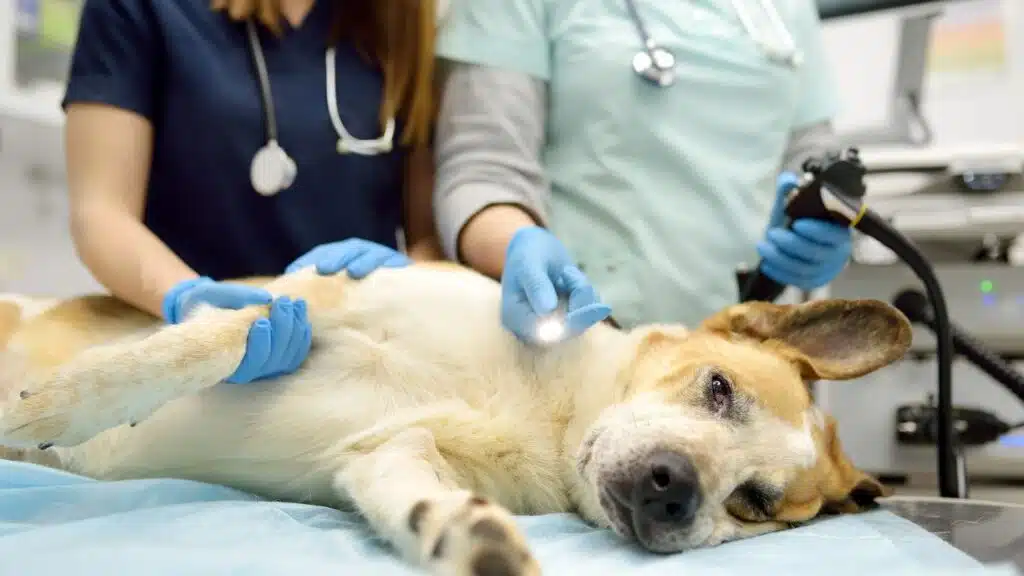
Infections, dietary changes, or the consumption of harmful substances can all cause digestive problems in pets. Common symptoms include vomiting, diarrhea, and a decrease in appetite. GI issues can affect pets of any age but are particularly common in pets with sensitive stomachs or dietary intolerance.
Signs and Symptoms of GI Issues
- Vomiting and diarrhea
- Loss of appetite or excessive thirst
- Abdominal pain or bloating
- Lethargy or discomfort
Prevention Tips for Gastrointestinal Health
| Prevention Strategy | Description |
| Feed a Consistent Diet | Sudden dietary changes can upset digestion, so make transitions gradually. |
| Avoid Human Foods | Many human foods can be toxic to pets; stick to pet-safe treats and food. |
| Prevent Access to Foreign Objects | Keep harmful items, including plants and chemicals, out of reach. |
| Regular Deworming | Parasites can cause GI issues, so ensure regular deworming. |
A consistent diet and preventive care help maintain a healthy digestive system, reducing the risk of GI issues.
9. Respiratory Issues
Infections, environmental factors, or allergens can be the cause of respiratory conditions like kennel cough in dogs and feline asthma in cats. These conditions may cause difficulty breathing, coughing, or wheezing, especially in pets with pre-existing respiratory sensitivities.
Signs and Symptoms of Respiratory Issues
- Coughing, sneezing, or wheezing
- Difficulty breathing
- Nasal discharge
- Fatigue or reluctance to exercise
Prevention Tips for Respiratory Health
| Prevention Strategy | Description |
| Vaccinate Against Infections | Ensure your pet receives vaccines for common respiratory illnesses. |
| Limit Exposure to Smoke and Dust | Keep your home free from smoke and strong fragrances. |
| Avoid High-Stress Situations | Stress can exacerbate respiratory conditions, so keep your pet calm. |
| Keep Environment Clean | Regularly clean bedding and areas to reduce dust and allergens. |
A clean, low-stress environment and up-to-date vaccinations protect your pet from respiratory issues.
10. Diabetes
Diabetes in pets, particularly older or overweight animals, occurs when the body can’t regulate blood sugar effectively. Symptoms include excessive thirst, frequent urination, and weight loss. While diabetes is more common in dogs than cats, it can affect both species and requires careful management.
Signs and Symptoms of Diabetes
- Increased thirst and urination
- Weight loss despite normal eating habits
- Fatigue and decreased energy
- Vomiting (in severe cases)
Prevention Tips for Diabetes
| Prevention Strategy | Description |
| Maintain a Healthy Weight | Obesity is a significant risk factor for diabetes, so weight control is vital. |
| Provide a Balanced Diet | Avoid high-carbohydrate diets that can lead to blood sugar spikes. |
| Regular Exercise | Physical activity supports insulin function and prevents weight gain. |
| Monitor for Early Symptoms | Early detection allows for better management of diabetes symptoms. |
Proper diet and weight control are the most effective ways to reduce the risk of diabetes in pets.
11. Cancer
Cancer is one of the leading causes of death in pets, especially older animals. Certain breeds are predisposed to specific types of cancer, including lymphoma, osteosarcoma, and skin cancer. While not all cases are preventable, early detection can improve treatment outcomes.
Signs and Symptoms of Cancer
- Unexplained lumps or bumps
- Loss of appetite or weight
- Persistent sores or bleeding
- Lethargy and reluctance to exercise
Prevention Tips for Cancer
| Prevention Strategy | Description |
| Regular Vet Check-Ups | Routine exams help detect abnormal growths or symptoms early. |
| Limit Exposure to Carcinogens | Avoid exposing pets to smoke, pesticides, and harmful chemicals. |
| Consider Spaying/Neutering | Spaying or neutering reduces the risk of certain cancers. |
| Provide a Nutritious Diet | A diet rich in antioxidants can support the immune system. |
Regular check-ups and a healthy environment can help reduce cancer risks and improve detection.
12. Eye Infections and Vision Problems
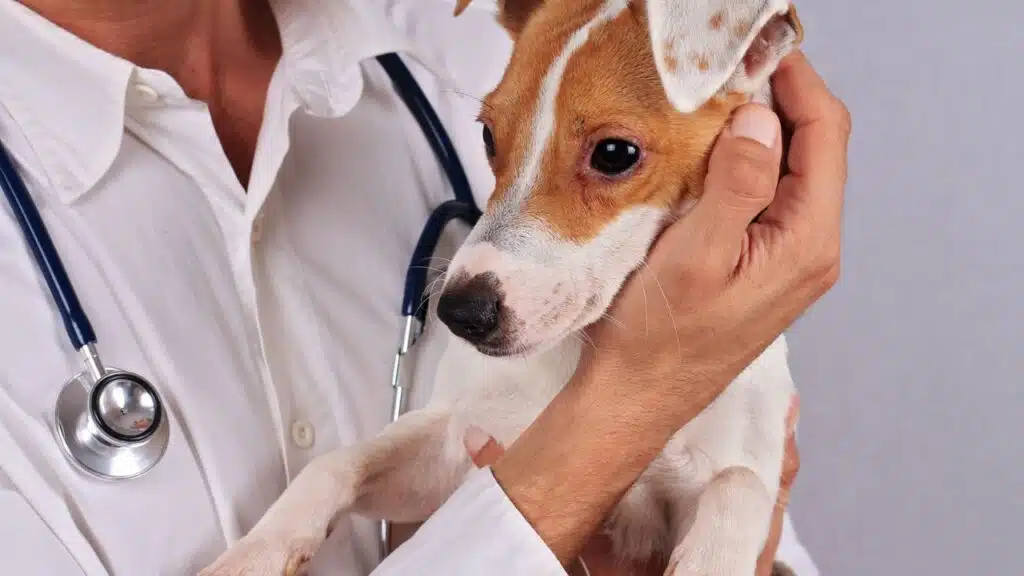
Eye infections and vision issues are common in pets, especially as they age. These can result from trauma, infections, or genetic factors. Symptoms include redness, discharge, squinting, or excessive tearing, which can lead to vision impairment if untreated.
Signs and Symptoms of Eye Issues
- Redness, swelling, or discharge from the eyes
- Squinting or pawing at the eyes
- Cloudiness or change in eye color
- Reluctance to move in dim lighting
Prevention Tips for Eye Health
| Prevention Strategy | Description |
| Clean Eyes Gently | Use a soft cloth to wipe away any discharge from the eyes. |
| Regular Vet Check-Ups | Routine eye exams can catch early signs of eye issues. |
| Protect Against Eye Injuries | For active pets, consider protective eyewear to prevent eye injuries. |
| Monitor for Changes | Keep an eye on any changes in appearance or behavior that may indicate eye problems. |
Regular eye care and vigilance can prevent or mitigate eye issues, especially in aging pets.
Conclusion: Proactive Care for a Healthier Pet
Caring for a pet goes beyond providing food and shelter; it requires proactive attention to their health and well-being.
Understanding common health issues in pets, from obesity and dental disease to parasites and cancer, allows us to be vigilant in recognizing symptoms early and implementing preventive strategies.
Regular veterinary check-ups, a balanced diet, and a clean, safe environment are all crucial for keeping your pet healthy.
By being proactive in our approach to pet health, we can minimize the impact of these common issues, ensuring that our beloved companions lead long, happy, and healthy lives by our side.
























