

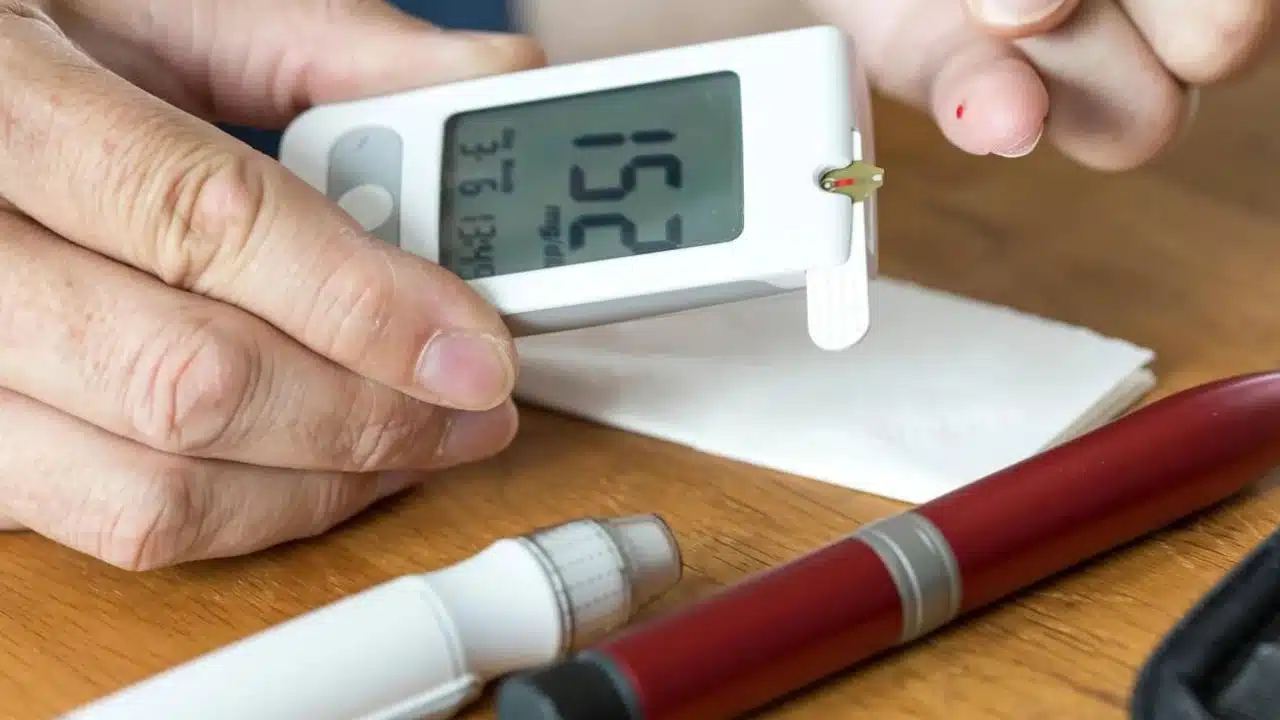
As temperatures rise during the summer months, managing diabetes becomes even more critical. Extreme heat can affect blood sugar levels and increase the risk of dehydration, making it essential for individuals with diabetes to take proactive steps.
Whether you’re enjoying outdoor activities or going about your daily routine, here are some expert tips to help you stay safe and healthy in the summer heat.
1. Stay Hydrated
Dehydration can lead to higher blood sugar levels. Drink plenty of water throughout the day to stay hydrated and prevent dehydration.
Avoid sugary drinks and opt for water or sugar-free beverages instead.
Carry a refillable water bottle with you, and aim to drink at least 8-10 glasses of water per day.
2. Monitor Blood Sugar Levels
Heat can affect how your body responds to insulin.
Check your blood sugar more frequently during hot weather, especially if you’re spending time outdoors or engaging in physical activity.
Be prepared to adjust your insulin dosage or treatment plan as needed to maintain stable blood sugar levels.
3. Protect Your Skin
Excessive sun exposure can increase the risk of sunburn, which can stress your body and affect blood sugar levels.
Wear sunscreen with a high SPF and reapply it regularly, especially if you’re sweating or swimming.
Wear lightweight, breathable clothing that covers your skin to protect against sunburn and overheating.
4. Plan Your Meals
Heat can affect your appetite and digestion. Plan your meals to include lighter, cooler foods rich in fruits, vegetables, and lean proteins.
Avoid heavy, high-fat foods that can lead to indigestion. Eat smaller, more frequent meals throughout the day to help maintain stable blood sugar levels.
5. Seek Shade
When outdoors, seek shade whenever possible to avoid overheating and sun exposure.
Use umbrellas, hats, or canopies to create shade. Limit outdoor activities during the hottest parts of the day, typically between 10 a.m. and 4 p.m.
6. Be Prepared for Emergencies
Always carry a diabetes emergency kit with you, especially when traveling or spending time outdoors.
Include items such as glucose tablets or gel, snacks, insulin, syringes or insulin pens, a blood glucose meter, and emergency contact information.
Ensure that family members or travel companions are aware of your diabetes and know how to help in an emergency.
7. Stay Cool Indoors
If temperatures become too extreme, seek refuge indoors in air-conditioned spaces.
Use fans or air conditioners to stay cool and comfortable, especially during the hottest parts of the day.
If you don’t have access to air conditioning at home, consider visiting public places like shopping malls, libraries, or community centers.
8. Wear Appropriate Clothing
Wear loose-fitting, lightweight clothing, a hat, and sunglasses when going outdoors.
Use sunscreen with an SPF of at least 30 to protect your skin from the sun’s harmful rays.
9. Exercise Smartly
Exercise is crucial for managing diabetes but should be planned carefully.
Engage in outdoor activities early in the morning or late in the evening to avoid peak heat times.
Alternatively, opt for indoor activities such as yoga or gym workouts.
10. Maintain a Cool Environment
If staying indoors, draw curtains and use air conditioning and fans to maintain a cool environment.
Avoid staying in the sun for extended periods, as decreased activity can lead to elevated blood sugar levels.
11. Store Insulin Properly
Insulin should be stored in a cool place. If temperatures are excessively high, refrigeration is recommended.
When going out, carry insulin in a cool bag or pouch to ensure it remains effective.
12. Check Blood Sugar Levels Frequently
Check your blood sugar levels more frequently during the summer to account for changes caused by heat and activity levels.
Maintain dietary control and stay indoors when necessary to prevent spikes or drops in blood sugar.
13. Choose Hydrating Foods
Incorporate hydrating foods into your diet, such as celery, cucumbers, tomatoes, and berries.
These foods have high water content and provide essential nutrients without raising blood sugar levels.
14. Avoid Overeating
Avoid overeating, as it can lead to ketoacidosis.
Opt for cold foods and beverages instead of hot ones like tea and coffee. Small, frequent meals can help keep blood sugar levels stable.
Wrap up
By following these tips, individuals living with diabetes can enjoy a safe and healthy summer season, even in extreme heat.
Listen to your body, stay vigilant about monitoring your blood sugar levels, and take proactive steps to stay cool and hydrated.
With proper planning and preparation, you can manage your diabetes effectively and enjoy all that summer has to offer.