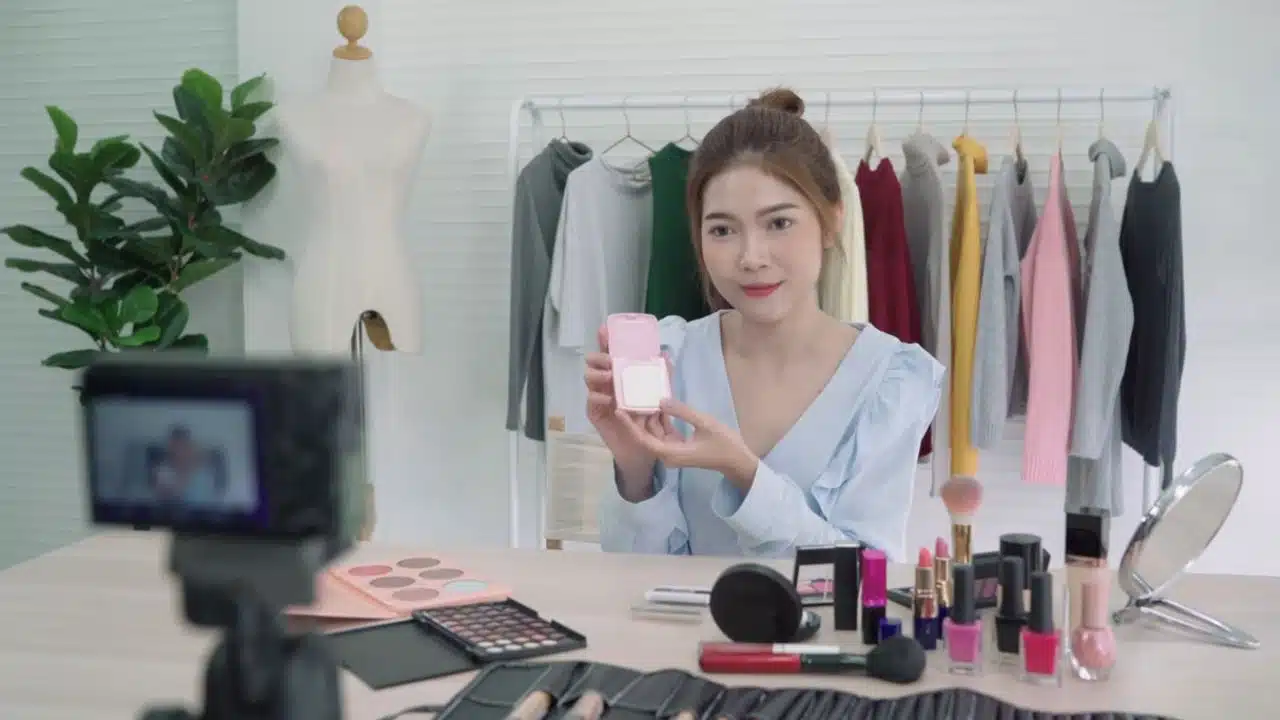
For millions of skincare lovers around the world, K-beauty—South Korea’s innovative skincare and cosmetics industry—represents more than just beauty products. It’s a cultural phenomenon known for its effective formulas, gentle ingredients, affordable prices, and influence from K-pop and K-drama culture.
In the United States, this fascination with K-beauty has led to a surge in imports. From snail mucin serums to green tea cleansers and heartleaf toners, Korean brands are dominating bathroom cabinets across the country.
According to 2024 estimates from global market research platforms such as Statista and Korea Customs Service, American consumers spent nearly $1.7 billion USD on K-beauty products—a staggering 50% increase compared to 2023. However, this booming trade now faces a significant hurdle.
The Tariff That’s Sending Shockwaves
In a controversial trade move, former President Donald Trump has imposed a 15% import tariff on South Korean goods—including K-beauty products—entering the United States. This decision is part of a broader effort to prioritize American-made goods and reduce trade deficits.
While 15% may seem moderate, it’s a sharp pivot from the zero-tariff policy K-beauty exporters previously enjoyed under bilateral trade agreements. In fact, Trump had initially threatened a 25% tariff, which alarmed importers, retailers, and consumers alike.
The announcement caused immediate ripple effects across both industries and consumers.
Why the U.S. Loves K-Beauty: More Than Just Products
K-beauty has gained cult status in the U.S. for several reasons:
- Skin-Friendly Formulas: Korean skincare is known for being gentle, effective, and focused on long-term skin health.
- Unique Ingredients: Many products feature ingredients uncommon in Western beauty—like snail mucin, fermented rice water, mugwort, and ginseng.
- Affordable Luxury: Korean brands often provide high-quality products at more competitive prices than luxury Western labels.
- Cultural Influence: The global rise of Korean pop culture—especially K-dramas and K-pop—has fueled interest in Korean beauty standards and routines.
These elements combined make K-beauty hard to replace, even as trade barriers rise.
Retailers and Consumers React Swiftly
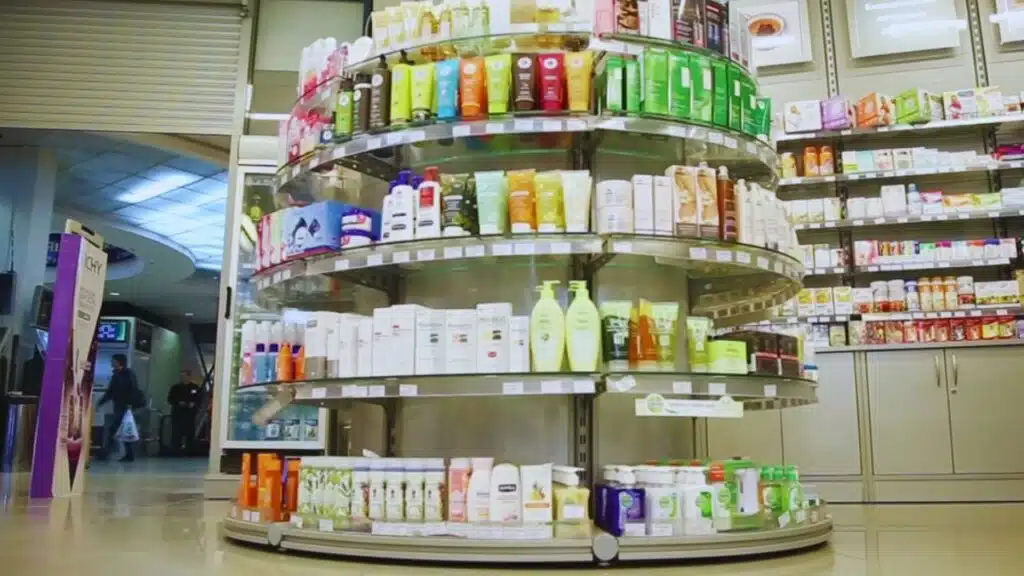
As soon as the new tariffs were announced, U.S.-based retailers and shoppers took action.
Surge in Demand Before Tariffs Hit
At Santé Brand, a fast-growing online K-beauty retailer based in the U.S., sales spiked by almost 30% in April. Founder Cheyenne Ware attributes the surge to consumers “getting strategic” about stocking up before potential price hikes.
“When the tariff announcements hit, customers got strategic with how they were going to weather the storm,” she said. “Consumers are preparing against the uncertainty.”
Ware says that many customers began bulk-buying their favorite products—especially toners, serums, and sheet masks—in anticipation of higher costs later in the year.
Suppliers Urge Retailers to “Stock Up”
Retailers like Senti Senti, another K-beauty importer in the U.S., say they’ve received urgent messages from Korean suppliers. According to manager Winnie Zhong, suppliers began sending alerts to resellers urging them to increase orders before tariffs took effect.
These moves indicate that supply chain disruptions could hit small-to-medium sellers on platforms like Amazon, where even small cost increases can wipe out profits.
Price Hikes Are Inevitable, Experts Warn
While the 15% tariff might not seem dramatic on paper, it cascades through the supply chain, affecting manufacturers, exporters, freight handlers, importers, retailers, and ultimately consumers.
According to economist Munseob Lee from the University of California, San Diego, smaller sellers—those with thin profit margins—will be hit the hardest:
“Anyone telling you prices will stay flat through the next two years is naive. Casual buyers might be turned off by the higher price, but fans won’t find an easy substitute.”
Ware agrees. She believes we’re likely to see noticeable price increases across the industry by late 2025, especially for niche or trending items.
Loyal Fans Still Committed—For Now
Despite warnings of rising costs, many American K-beauty users say they’ll continue buying their favorite products, even if prices go up.
Take Pearl Mak, a 27-year-old graphic designer in California. She says 95% of her skincare routine consists of K-beauty products, and she hasn’t found U.S.-made alternatives that suit her sensitive skin as well.
“It depends on how much the price shoots up, but as of now, I’m willing to pay more,” she says.
This reflects a broader pattern among beauty enthusiasts: brand loyalty and product performance often outweigh price concerns—at least in the short term.
Can U.S. Beauty Brands Compete?
A central goal of Trump’s trade policies is to encourage more manufacturing in America. But will U.S. beauty brands be able to step in and replace K-beauty for American consumers?
So far, the answer appears to be no.
Ms. Mak says she actively looks for American-made alternatives but hasn’t found any that compare in terms of formulation, gentleness, or innovation.
“I search for American-made alternatives often, but I have yet to find any that are as effective as the ones I use,” she says.
Industry analysts agree that while American brands may eventually catch up in terms of ingredients and technology, they are not currently viewed as viable substitutes for hardcore K-beauty users.
Big Brands vs Small Brands: A Tale of Two Realities
Not all companies are affected equally by the new tariffs.
According to Eyal Victor Mamou, a South Korea-based business consultant, larger K-beauty brands like Etude House, Innisfree, and COSRX are more likely to absorb the extra costs, thanks to:
- Higher profit margins
- Economies of scale
- Established global distribution channels
However, smaller brands and startups—especially those based entirely in South Korea—will find it difficult to avoid passing the cost onto consumers.
“It will take some time to take effect since most goods being sold in the short-run have already been commissioned at current prices,” Mamou said, “but we’ll see it play out soon.”
As inventory cycles out and new stock comes in under higher import costs, prices will inevitably reflect the tariff burden.
South Korea Isn’t Alone: Japan and EU Also Targeted
In a broader development, Trump’s trade team has also struck deals to apply the same 15% tariff to goods from Japan and the European Union. This includes beauty products from powerhouse brands like Shiseido (Japan), L’Oréal (France), and Essence (Germany).
This means that global cosmetic giants now face the same tariff structure as smaller K-beauty exporters—a move that could level the competitive playing field but also inflate prices across the board for American consumers.
What Lies Ahead for the K-Beauty Market?
Although the new tariffs create uncertainty, experts predict K-beauty will continue to thrive in the U.S., albeit with some strategic shifts:
- Price increases are expected, especially for niche and luxury Korean products.
- Consumer loyalty will likely endure, particularly among fans who value product performance over price.
- Retailers may adjust by sourcing from third countries, or investing in U.S.-based fulfillment centers to lower distribution costs.
- Some K-beauty brands may explore overseas manufacturing, in countries like Vietnam or Indonesia, to bypass the tariffs while maintaining quality.
The Current Impact of Tariffs on K-Beauty
| Factor | Impact |
| Tariff Rate | 15% on South Korean goods including K-beauty |
| U.S. K-Beauty Market (2024) | $1.7 billion in sales (50% YoY growth) |
| Retailer Reaction | Bulk ordering, stockpiling before tariff enforcement |
| Consumer Behavior | Continued loyalty, but expected to reduce basket sizes |
| Small Brands | Struggling with cost increases, risk of losing U.S. market share |
| Big Brands | Can absorb cost hikes, maintain competitive pricing |
| Other Countries Affected | Japan, EU exports now face the same tariffs as South Korea |
| Policy Goal | Encourage U.S.-made product consumption and manufacturing |
| Long-Term Outcome | Shift in sourcing strategies; possible production diversification abroad |
Trump’s trade policies are already beginning to reshape the global beauty supply chain, and South Korea’s K-beauty industry is feeling the effects. While the new tariffs pose challenges, strong consumer demand and brand loyalty are likely to cushion the blow for top brands.
The real test will be whether smaller, independent Korean brands can survive and adapt in a climate where higher prices may change how much—if not whether—consumers buy.
For now, the shelves in American bathrooms will likely continue to feature K-beauty favorites, even if they come with a slightly higher price tag.
The Information is Collected from BBC and AOL.