
The relentless grind of the traditional Monday-to-Friday schedule has long been the unquestioned backbone of modern economies, but rising burnout rates are forcing a desperate search for alternatives. When the world began paying attention to the massive four-day work week trials in UK, it wasn’t just another fleeting HR experiment; it was a seismic shift that fundamentally challenged decades of entrenched corporate dogma.
Suddenly, the conversation wasn’t just about giving people an extra day off; it became a hard-hitting debate on the true metrics of productivity, the hidden costs of presenteeism, and the sustainable future of human capital. Navigating this complex shift requires breaking down the core realities that emerged from these unprecedented studies. Establishing a clear baseline for evaluating these massive cultural shifts ensures we separate verified data from wishful thinking.
How We Selected Our 10 Key Insights on the UK’s Working Revolution
To bring you the most accurate and transformative insights, we developed a rigorous methodology for evaluating the outcomes of these experiments. We filtered our findings by looking exclusively at systemic, verifiable changes across multiple sectors.
-
Direct outcomes from the official 2022-2023 UK pilot programs and their subsequent follow-up reports.
-
Measurable shifts in corporate retention and productivity metrics.
-
Documented changes in national media narratives surrounding labor laws.
Understanding the parameters of our analysis clarifies exactly who can benefit from examining these national shifts.
Whom This Breakdown is For
This deep dive is tailored for organizational leaders, HR professionals, policy advocates, and curious employees trying to grasp the macro-level impact of reduced working hours.
Delving into the specific outcomes reveals a landscape that defied many initial economic predictions. Let’s explore the critical takeaways that redefined the national dialogue.
10 Surprising Realities From the Four-Day Work Week Trials in UK
The strategies and outcomes from these pilot programs went far beyond simple scheduling changes. Here is a detailed breakdown of the fundamental realities that shifted public perception.
Addressing the largest economic fear was the first major victory of the initiative.
1. Productivity Did Not Collapse as Predicted
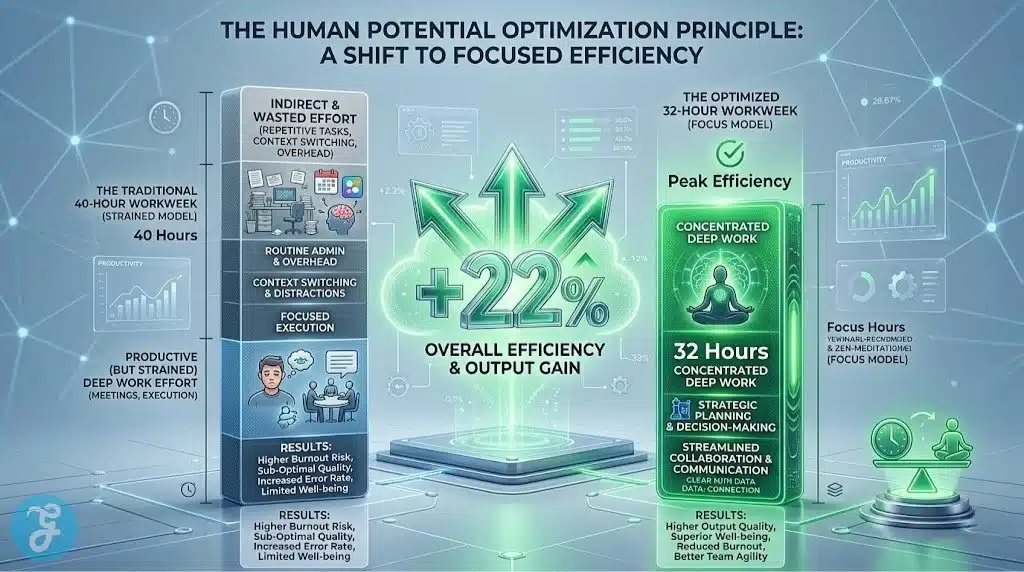
Critics vehemently argued that cutting working hours by 20% would trigger an immediate and proportional drop in national output. Instead, participating companies found that condensed schedules forced the elimination of bloated meetings and redundant processes. By optimizing daily workflows, teams maintained or even exceeded previous output levels, completely debunking the myth that sheer hours equal high performance.
Best Feature/For: Proving that deep, focused work trumps prolonged desk presence.
Why We Chose It:
-
Directly counters the strongest argument against reduced hours.
-
Highlights the massive inefficiencies hidden in a standard 40-hour week.
-
Forces a complete reevaluation of traditional KPI tracking methods.
Things to consider: It requires ruthless time management and the adoption of strict asynchronous communication protocols.
Beyond office walls, the extra time triggered unexpected behavioral shifts at home.
2. Male Caregiving Responsibilities Spiked Significantly
One of the most unexpected social shifts was the immediate leveling of domestic labor among participating households. With an extra day returned to them, male employees reported a dramatic increase in time spent on childcare and household management. This accidental demographic shift provided a compelling argument for how restructured working hours could organically help close the gender pay and progression gap.
Best Feature/For: Promoting domestic equality and supporting working mothers.
Why We Chose It:
-
Moves the conversation beyond simple economics into vital societal restructuring.
-
Provides a tangible, organic solution to systemic gender imbalances.
Things to consider: Cultural stigmas around male caregiving still need to be addressed at the broader corporate level to maximize this benefit.
For business owners, the program quickly evolved from a wellness initiative into a cutthroat business strategy.
3. Retention Became the Ultimate Corporate Weapon
In a fiercely competitive labor market, companies participating in the trials suddenly possessed a massive advantage over their five-day rivals. Voluntary turnover plummeted, saving organizations thousands in recruitment, onboarding, and training costs. The perk became so culturally entrenched that many employees stated no realistic salary increase could convince them to return to a standard schedule.
Best Feature/For: Slashing recruitment costs and keeping top-tier talent locked in.
Why We Chose It:
-
Demonstrates a massive financial upside that offsets any theoretical lost hours.
-
Shifts power dynamics back toward employee well-being as a hard retention tool.
Things to consider: Non-participating companies are being forced to artificially inflate salaries just to compete for the exact same talent pool.
The compression of time ruthlessly exposed outdated management comforts.
4. The End of “Fake Work” and Presenteeism
For decades, office culture has subtly rewarded employees for simply looking busy, a phenomenon known as presenteeism. The condensed schedule left absolutely zero room for performative tasks or digital loitering. Employees became intensely focused on high-impact deliverables, changing the national conversation from “how long were you at your desk?” to “what did you actually achieve?”
Best Feature/For: Eradicating office politics and focusing purely on tangible results.
Why We Chose It:
-
Exposes the massive amount of wasted time in traditional corporate environments.
-
Aligns perfectly with the rise of modern, outcome-based management styles.
Things to consider: Managers who rely on visual oversight for comfort often struggle deeply with this transition.
The human element of the trial produced undeniable medical data.
5. Sleep and Mental Health Metrics Skyrocketed
The immediate health dividends of the program were staggering, completely reshaping the dialogue around public health and corporate responsibility. Employees reported massive reductions in burnout, anxiety, and severe sleep deprivation. This tangible improvement forced national health services and policymakers to view labor reform as a highly viable strategy for reducing the burden on public healthcare infrastructure.
Best Feature/For: Proactively reducing burnout before it requires medical intervention.
Why We Chose It:
-
Connects corporate policy directly to national public health outcomes.
-
Provides undeniable qualitative data supporting the human element of the trials.
Things to consider: Maintaining these benefits requires preventing the remaining four working days from becoming excessively stressful.
Sustaining the business mathematically was the final nail in the coffin for skeptics.
6. Revenue Remained Astonishingly Stable
Economic doom-sayers predicted severe financial losses for companies attempting this transition. However, the trial data revealed that company revenues stayed broadly the same, with some even reporting marginal increases during the six-month pilot period. This financial stability completely legitimized the movement, proving it wasn’t just a utopian fantasy but a mathematically sound business model.
Best Feature/For: Silencing economic critics and providing financial safety nets for transitioning companies.
Why We Chose It:
-
Serves as the foundational proof-of-concept for broader enterprise adoption.
-
Encourages highly risk-averse executives to reconsider their operational models.
Things to consider: Service-based industries with constant client-facing needs require complex rostering to maintain this continuous revenue stability.
Environmental advocates quickly realized the secondary benefits of the movement.
7. The Carbon Footprint Reduction Effect
An initially overlooked benefit was the sudden drop in commuter emissions across participating regions. With a 20% reduction in travel to and from physical offices, the national conversation began linking labor reform to aggressive climate change goals. This environmental angle provided a powerful new tool for green policy advocates pushing for systemic, nationwide changes.
Best Feature/For: Contributing to corporate ESG goals and dramatically lowering individual carbon footprints.
Why We Chose It:
-
Broadens the appeal of the movement to environmental and sustainable sectors.
-
Offers a passive, large-scale method for reducing urban congestion and pollution.
Things to consider: The environmental benefits are slightly offset if employees use their extra day off for high-emission travel or heavy leisure activities.
The conclusion of the pilot program revealed the true staying power of the model.
8. The Permanent Adoption Rate Was Staggering
The most telling metric of the entire national experiment was what happened when the official trial period finally ended. Over 90% of participating companies chose to make the transition permanent. This massive retention rate shifted the narrative from a temporary, quirky experiment to an inevitable evolution of the modern British workforce.
Best Feature/For: Proving the long-term sustainability and overwhelming popularity of the model.
Why We Chose It:
-
Confirms that the positive benefits are not just a short-term “honeymoon” effect.
-
Sets a powerful, documented precedent for future legislative action.
Things to consider: Companies scaling up post-trial must ensure new hires are properly integrated into this highly efficient, fast-paced culture.
Breaking the class divide associated with flexible work was a major cultural victory.

9. Blue-Collar Feasibility Was Finally Addressed
Early critiques argued this model was exclusively for privileged laptop workers, ignoring manufacturing and frontline staff. However, the trials actively included fish and chip shops, manufacturing plants, and care facilities, proving that rota-based systems could work anywhere. This inclusion forced the national conversation to acknowledge that a balanced life shouldn’t be a luxury reserved only for the corporate elite.
Best Feature/For: Expanding the massive benefits of the movement to essential and manual workers.
Why We Chose It:
-
Dismantles the elitism often associated with flexible working arrangements.
-
Provides actionable operational blueprints for complex, shift-based industries.
Things to consider: Implementing this in 24/7 service industries often requires slightly increasing overall headcount to cover the missing hours.
Finally, the way human resources evaluate talent had to be entirely rewritten.
10. A Shift From Input to Output Appraisals
The trials forced a complete rewiring of how HR departments evaluate employee success and overall value. Instead of tracking hours logged on a timesheet, managers had to develop sophisticated metrics focused entirely on the quality and speed of deliverables. This shift completely modernized performance reviews, making them fairer, more objective, and fiercely aligned with actual company goals.
Best Feature/For: Creating true meritocratic environments where skill is valued over sheer endurance.
Why We Chose It:
-
Fundamentally upgrades outdated HR practices across the board.
-
Empowers highly efficient workers to reclaim their time without financial penalty.
Things to consider: Developing accurate, objective output metrics can be incredibly difficult for abstract or highly creative roles.
To better digest the sweeping changes brought about by these national experiments, a visual breakdown helps categorize the specific areas of impact.
An Overview Of The Four-Day Work Week Trials in UK Impacts
Reviewing the core outcomes side-by-side reveals exactly where the most significant transformations occurred during the pilot programs.
Overview Comparison Table
| Impact Area | Primary Benefit | Implementation Challenge | Long-Term Shift |
| Economic | Revenue Stability | Rethinking KPIs | Output-based focus |
| Social | Domestic Equality | Cultural Stigmas | Shared caregiving |
| Health | Reduced Burnout | Maintaining Pace | Proactive wellness |
| Environmental | Lower Emissions | Leisure Footprint | Commuter reduction |
| Operational | High Retention | Rota Management | Eradicating fake work |
Analyzing these key impact areas naturally highlights the most critical takeaways for immediate consideration.
Our Top 3 Picks and Why?
Focusing on the most transformative elements, these three outcomes stand out:
-
Productivity Stability: It fundamentally disproves the biggest economic fear preventing widespread global adoption.
-
Retention Spikes: In a tight economy, keeping top talent is the ultimate financial cheat code for growing businesses.
-
Blue-Collar Feasibility: Proving it works outside the office makes this a genuine societal shift, not just a tech-bro perk.
Taking the lessons from these national studies and applying them to your own organizational thinking requires a structured approach.
How to Adapt to the Lessons of the Four-Day Work Week Trials in UK
Whether you are pushing for policy change or just trying to hack your own schedule, these foundational steps are crucial.
-
Evaluate output over hours: Shift your mindset from desk-time to actual deliverables.
-
Audit your meetings: Identify and eliminate any gathering that doesn’t lead to a direct action or decision.
-
Assess burnout risk: Monitor your own energy levels to see if a compressed schedule would enhance or damage your mental health.
Before pushing for systemic changes in your own environment, running through a final verification process is vital.
The Final Checklist
Ensure your infrastructure is ready before attempting to compress your workflows.
-
Have you quantified the amount of administrative “waste” in your current week?
-
Are your performance metrics currently tied to time or tangible results?
-
Does your industry support asynchronous communication models?
-
Have you calculated the potential retention savings of offering reduced hours?
-
Are management teams prepared to surrender visual oversight in favor of trust?
Moving beyond the enthusiastic headlines requires a sobering look at the long-term reality of altering societal norms.
The Brutal Realities of Restructuring Time
While the success stories heavily dominate the media, a critical analysis of the four-day work week trials in UK reveals some uncomfortable truths about our relationship with labor. The future of this topic isn’t just a utopian dream of endless long weekends; it represents a brutal, hyper-efficient compression of our working lives. When you strip away the buffer zones of casual watercooler chats, prolonged lunches, and relaxed Friday afternoons, the remaining four days become intensely demanding. There is a palpable risk that we are simply trading slow-burn exhaustion for high-intensity, condensed stress.
Furthermore, the divide between progressive companies that adopt this model and traditionalists who refuse will likely create a bifurcated labor market, exacerbating wealth and wellness inequalities.
Ultimately, giving people time back is a noble pursuit, but it requires us to relentlessly audit our own efficiency. If we cannot collectively figure out how to work smarter rather than just faster, we risk turning a massive step forward into a grueling sprint that leaves us just as breathless. Navigating this massive shift in workplace dynamics naturally brings up a multitude of complex queries from both employees and employers.
Frequently Asked Questions (FAQs) About the Four-Day Work Week Trials in UK
Addressing these common concerns helps demystify the logistics of such a profound operational shift.
Did employees take a pay cut during these trials?
No. The central premise of the trials was the 100-80-100 model. Employees retained 100% of their pay for 80% of their time, provided they maintained 100% of their previous productivity.
Can a four-day week work for customer service roles?
Yes, but it requires complex shift rotation. Businesses remain open five or six days a week, but individual staff members are staggered to ensure no one works more than four days.
Did the UK government mandate these changes?
No, the trials were independently organized by advocacy groups and academic researchers. However, the overwhelmingly positive data is now being used to heavily lobby the government for legislative changes.
What happens to annual leave in this system?
Generally, annual leave allowances are mathematically prorated down to reflect the new working hours. However, because employees already receive an extra 52 days off a year, the overall time away from work significantly increases.
Is Friday always the designated day off?
Not necessarily. While many companies choose a universal Friday closure to create a three-day weekend, others allow employees to choose a Wednesday or stagger their days to ensure continuous business operation.