

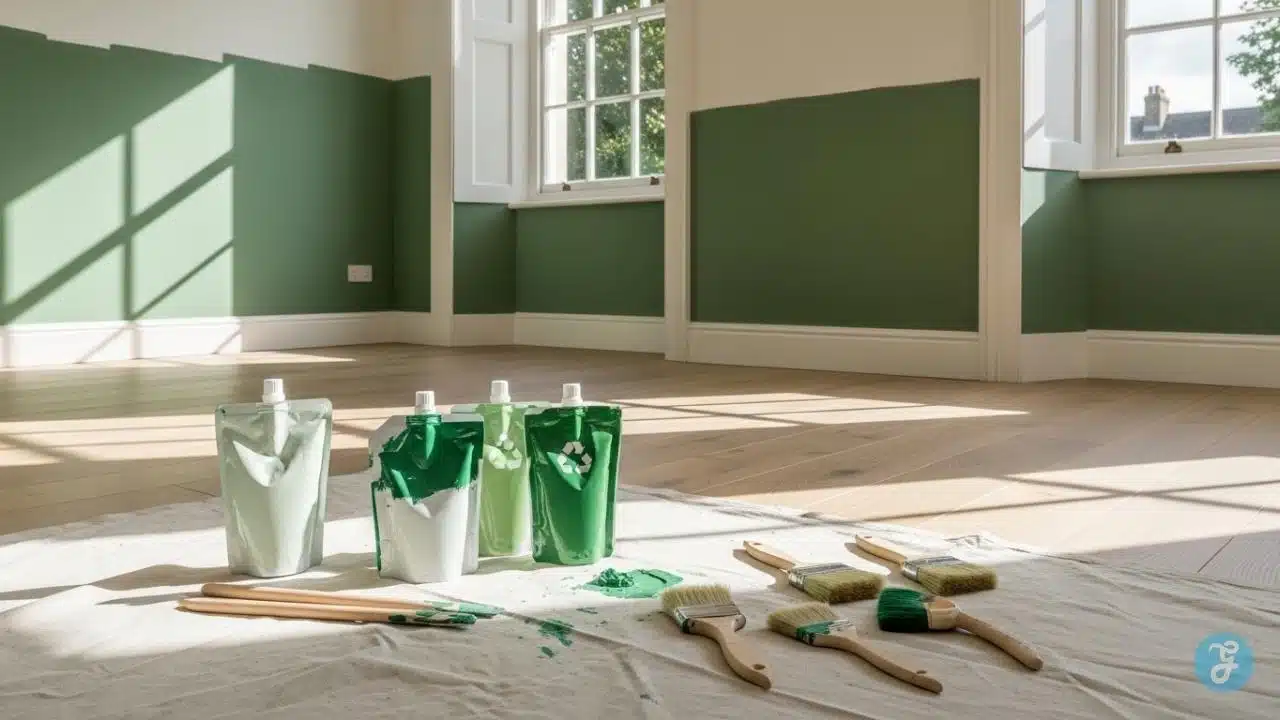
The spaces where we live and work have a direct impact on our health. For decades, the construction and renovation industry accepted harsh chemicals and strong odors as a normal part of updating a home. However, consumers are waking up to the reality that the paint on their walls and the finishes on their floors often release invisible pollutants into the air long after the paint dries.
This growing awareness is creating a massive shift in how we buy building materials in 2026. As homeowners refuse to compromise their indoor air quality for a fresh look, the demand for non-toxic home finishes in the UK has skyrocketed, transforming it from a niche request into a market standard.
To fully grasp why this industry is changing so fast, it helps to look at the market forces driving consumer choices today.
Why Non-Toxic Home Finishes UK are Exploding Right Now
The sudden demand for clean building materials is not just a passing trend. It is a fundamental change in consumer behavior backed by new regulations and health research. People now know that traditional paints are packed with Volatile Organic Compounds (VOCs). These chemicals evaporate at room temperature and can cause headaches, allergic reactions, and long-term respiratory issues.
At the same time, the environmental cost of traditional paint is becoming impossible to ignore. Microplastics from standard wall coatings wash into local water systems, while the manufacturing process relies heavily on fossil fuels. In 2026, buyers are actively searching for non-toxic home finishes in the UK to find safe alternatives that protect both their families and the planet. Venture capital is following this consumer demand, funding innovative companies that are completely rewriting the rules of home renovation.
The 10 UK Innovators Leading the Clean Finish Revolution in 2026
These ten companies are currently reshaping how we approach interior design by prioritizing human health and ecological safety.
1. YesColours
HQ Location: London, UK
YesColours is tackling the massive waste problem in the paint industry by completely rethinking how products are packaged. Instead of traditional metal tins that often end up in landfills, they use fully recyclable pouches that save water and reduce greenhouse gas emissions during transport.
They matter because they prove that zero-VOC, vegan, and child-safe paints can still offer incredibly vibrant colors for interior design. Their approach makes eco-friendly painting accessible and highly appealing to everyday DIY renovators.
While YesColours solves the packaging waste issue, our next startup is changing the physical state of the paint itself.
2. Paint Zero
HQ Location: London, UK
Paint Zero has developed a plant-based paint that completely avoids the petrochemical liquids and plastics found in standard household paints. They ship their product as a dry powder, which users mix with regular tap water at home to create a vibrant liquid paint in just 90 seconds. This innovation is vital because it removes the need to transport heavy liquids across the country, significantly cutting down on shipping emissions and costs.
Innovations in the base paint are crucial, but replacing the toxic elements that give paint its color is just as important.
3. Sparxell
HQ Location: Cambridge, UK
Sparxell operates as a deep-tech ingredient supplier, creating the world’s first fully natural and biodegradable color platform. Instead of using toxic artificial dyes or mined minerals, they use plant-based cellulose to replicate the bright, structural colors found in nature. They matter because their technology allows paint manufacturers to eliminate heavy metals and toxic pigments from their supply chains entirely, making the raw materials safer from the very start.
Moving from raw ingredients to finished products, this next company has a long-standing reputation for breathable solutions.
4. Earthborn Paints
HQ Location: Frodsham, UK
Earthborn is highly regarded for its signature Claypaint, a breathable formula free from harsh chemicals and horrible smells. Their products hold the strict EU Ecolabel certification and are uniquely suited for older properties that require breathable finishes like lime plaster or natural stone. They are an important player because they offer specialized, high-performance finishes that protect the structural integrity of heritage buildings while keeping indoor air safe for children.
Similar to Earthborn, this next brand balances heritage aesthetics with modern sustainable practices.
5. Little Greene
HQ Location: Manchester, UK
Little Greene is an established brand that manufactures all its paints and wallpapers domestically in the UK. They offer high-quality, water-based paints with virtually zero VOC content, ensuring interior spaces remain free from unwanted chemical off-gassing. They matter because they have successfully reformulated even their traditional oil-based paints using sustainable vegetable oils, proving that luxury heritage finishes do not require toxic solvents.
While established companies continue to refine their formulas, regional startups are also making waves in local communities.
6. The Big Bang Paint Company
HQ Location: Liverpool, UK
Originating from a vision to paint homes without harming the environment, The Big Bang Paint Company provides an extensive array of environmentally conscious paint products. They are hyper-focused on fostering local economic growth and community engagement in the Liverpool and Sefton areas. This localized approach matters because it shows how sustainable business models can thrive by building strong, direct relationships with regional decorators and homeowners.
For homeowners looking for absolute chemical purity, this next pioneer has been setting standards for decades.
7. Lakeland Paints
HQ Location: Heysham, UK
Lakeland Paints offers a massive range of 100% VOC-free, odorless, and chemical-free paints. Their formulas are completely free from heavy metals, solvents, formaldehyde, and plastics. They are essential to the clean finish movement because their products provide a genuinely safe option for highly sensitive environments like nurseries, hospitals, and homes of individuals suffering from severe allergies or respiratory issues.
For those who want to avoid synthetic ingredients altogether, our next company focuses purely on botanical sources.
8. Edward Bulmer Natural Paint
HQ Location: Herefordshire, UK
Edward Bulmer Natural Paint provides an all-natural option by completely avoiding synthetic chemicals in its production process. Their paints are crafted using plant oils, resins, and natural earth pigments. This approach matters because it results in a product with a remarkably low environmental impact that still delivers the soft, rich finish desired by premium interior designers.
While some brands rely entirely on plants, others are incorporating advanced materials to improve durability.
9. Graphenstone
HQ Location: Norfolk, UK
Graphenstone combines eco-friendly natural bases with cutting-edge technology by infusing their paints with graphene. This advanced material significantly strengthens the paint and improves its coverage without adding harmful chemicals. They matter because the addition of graphene creates an incredibly durable finish, making it a perfect eco-friendly option for high-traffic commercial spaces and busy family homes.
Finally, we look at a startup attacking the toxic finish problem from a completely different scientific angle.
10. Green Beads
HQ Location: London, UK
Founded by researchers from Imperial College London, Green Beads is a startup developing a sustainable alternative to the harmful microplastics often added to paints for texture and binding. They harvest and shape biodegradable algae into natural beads that can be used directly in paint formulations. They are a crucial innovator because they represent the future of clean raw material sourcing, helping the entire industry move away from plastic additives.
Understanding what these specific companies are doing helps clarify the broader trends shaping the renovation industry.
What These Startups Tell Us
The emergence and success of these ten companies reveal several major truths about the future of interior design and home improvement.
- Health Trumps Convenience: Consumers are no longer willing to risk their respiratory health for a quick coat of paint. Odorless, zero-VOC formulas are becoming the baseline expectation rather than a premium luxury.
- Waste is a Design Flaw: Innovations like recyclable pouches and dry-powder paints show that the industry is finally addressing the massive carbon footprint of shipping heavy liquids and sending metal tins to landfills.
- Nature is the Best Chemist: From algae-based microplastic replacements to plant-cellulose pigments, the best-performing materials in 2026 are being grown in nature rather than synthesized in chemical plants.
- Performance Without Compromise: The addition of natural strengtheners like graphene proves that eco-friendly paints can be just as durable and washable as their toxic, plastic-heavy predecessors.
These lessons point to a completely redefined landscape for anyone involved in building and remodeling.
How UK Innovators Are Rewriting the Rules
While traditional, large-scale paint manufacturers are often slow to change their massive, established supply chains, agile UK startups and dedicated SMEs are moving fast. They are not simply tweaking old formulas to meet minimum government standards; they are attacking the toxic finish problem from three entirely new angles.
Rethinking the Format
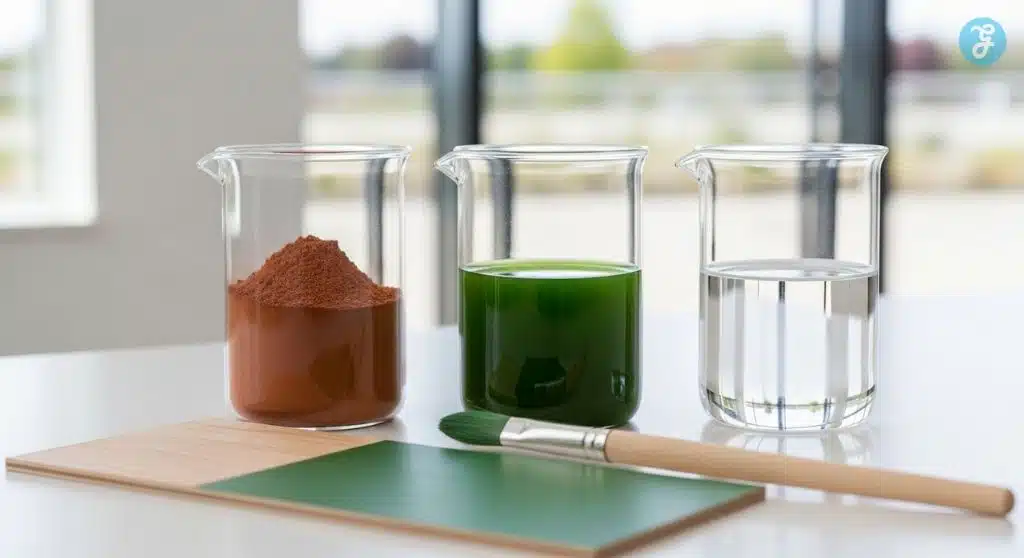
Some innovators are completely eliminating the standard metal tin and heavy liquid shipping model, replacing it with recyclable pouches or water-activated powders to drastically reduce carbon footprints and landfill waste.
Harnessing Biotechnology
Instead of relying on mined minerals and petrochemicals, deep-tech startups are turning to nature. They are using algae, plant cellulose, and natural food waste to grow pigments and binders in a lab.
Upgrading Performance
A major hurdle for early eco-paints was durability. Today’s market leaders are proving that zero-VOC does not mean zero performance by utilizing advanced materials, like graphene, to create finishes that are actually stronger than their toxic competitors.
With these three approaches in mind, let’s explore the specific companies leading the charge. Here are the top ten innovators transforming the UK renovation market.
The True Cost of Clean: What Buyers Need to Know
While the environmental and health benefits of non-toxic paints are undeniable, many SMB buyers, contractors, and interior designers hesitate to make the switch due to perceived costs. Here is a breakdown of the financial and operational realities of adopting these new materials in 2026.
The Upfront Premium is Shrinking
Historically, eco-paints were considered luxury items with a hefty price tag. However, as the 10 startups listed above scale their operations and secure venture funding, production costs are dropping rapidly. While some highly specialized finishes (like graphene-infused paints) still command a premium, many zero-VOC options are now price-competitive with high-end traditional brands.
Faster Turnaround Times
For commercial contractors and property developers, time is money. Traditional oil-based paints and high-VOC finishes require extensive ventilation and often force a site to be evacuated for 24 to 48 hours to allow toxic fumes to dissipate. Because zero-VOC and plant-based paints are virtually odorless and dry quickly, tradespeople can work faster, and clients can reoccupy the space immediately.
The Cost of Compliance
As the UK government continues to tighten regulations around indoor air quality and corporate sustainability reporting, using toxic materials is becoming a financial liability. Investing in clean finishes now helps commercial buyers avoid future compliance fines and expensive retrofits when building codes inevitably become stricter.
The Marketing ROI
For interior designers and residential contractors, offering exclusively non-toxic finishes is no longer just a nice gesture; it is a highly marketable, unique selling proposition (USP). Health-conscious homeowners are actively seeking out and are willing to pay a premium for professionals who guarantee a chemical-free renovation.
At a Glance: The UK’s Top Clean Paint Innovators
Here is a quick-scan directory of the ten UK startups and SMEs leading the charge in sustainable home finishes for 2026.
| Company Name | Business Type | Core Innovation |
| YesColours | Startup | Zero VOC paints in fully recyclable pouches |
| Paint Zero | Startup | Fossil-fuel-free, water-activated powder paint |
| Sparxell | Startup | 100% natural, biodegradable plant-based pigments |
| Earthborn Paints | SME | Highly breathable clay paints and silicate finishes |
| Little Greene | SME | Heritage colors with zero VOC water-based formulas |
| The Big Bang Paint Company | Startup | Community-focused, eco-friendly architectural paints |
| Lakeland Paints | SME | 100% chemical-free formulas for sensitive environments |
| Edward Bulmer | SME | Luxury finishes crafted entirely from plant oils and natural earth |
| Graphenstone | SME | Extreme durability through graphene-infused eco-paints |
| Green Beads | Startup | Algae-based biodegradable beads to replace microplastics |
The Blueprint for a Clean Home Ecosystem
The transition away from toxic chemicals in home finishes is a core business necessity for the modern era. For founders entering the space, the success of these UK innovators proves there is a massive market appetite for deep-tech biological solutions and clever packaging redesigns.
For SMB buyers, interior designers, and procurement officers, the time to source from these clean brands is right now. Offering verified, zero-VOC options will future-proof your contracting business and give you a powerful edge with health-conscious clients. Finally, for investors, the message is clear. The next unicorns in the home improvement sector will be the biotech firms and green manufacturers holding the intellectual property that cleans up our living spaces.
To help clarify some of the practical aspects of switching to clean finishes, we have answered the most common questions below.
Frequently Asked Questions (FAQs) on Non-Toxic Home Finishes UK
1. What does VOC mean, and why is it bad?
VOC stands for Volatile Organic Compounds. These are chemicals used in traditional paints that evaporate into the air as the paint dries. They can cause headaches, dizziness, and long-term respiratory problems.
2. Are non-toxic paints as durable as traditional paints?
Yes. Many modern eco-paints use advanced natural binders or materials like graphene to ensure they are highly durable, washable, and long-lasting.
3. Do zero-VOC paints still smell?
True zero-VOC and chemical-free paints are virtually odorless. You can paint a bedroom in the afternoon and safely sleep in it that same night without opening all the windows.
4. Can I use eco-friendly paint in a damp room like a bathroom?
Absolutely. Many natural paints, especially clay paints and silicate masonry paints, are highly breathable. This allows moisture to escape from the walls, which actually helps prevent mold and dampness better than traditional plastic-based paints.
5. How do powder paints work?
Powder paints arrive dry in a simple package. You pour the powder into a container, add a specific amount of tap water, and stir. Within minutes, the powder activates into a standard liquid paint ready for your walls.






















