
In the high-stakes environment of modern business, burnout is costing the global economy billions annually, forcing a massive shift in corporate culture. We are seeing a profound evolution in how top-tier organizations handle employee well-being, but looking specifically at Northern Europe reveals a completely different paradigm. Understanding exactly what psychological safety means at work is no longer just an HR buzzword; it is a critical growth metric that dictates retention, innovation, and overall market survival. By examining the pioneering approaches originating in Finland, leaders worldwide can discover actionable blueprints to transform their own toxic or stagnant workplace environments into thriving ecosystems of trust.
Developing a clear framework to evaluate these corporate shifts requires looking past superficial perks and digging into foundational structural changes.
How We Selected Our 7 Key Insights on Finnish Workplace Culture
To bring you the most accurate and transformative insights, we developed a rigorous methodology for evaluating these corporate shifts. We filtered our findings by looking exclusively at systemic changes rather than one-off wellness campaigns.
-
Verified implementation in enterprise-level Finnish companies with over 500 employees.
-
Measurable, documented impact on employee retention and absentee metrics.
-
Direct correlation to independent mental health and workplace well-being reports.
-
Scalability of the concept to international markets and remote-first teams.
Understanding the parameters of our research helps contextualize who will benefit most from these findings and how they can be applied.
Whom This Insight is For
This breakdown is specifically designed for HR professionals, C-suite executives, and forward-thinking team leaders looking to radically restructure their corporate environment and retention strategies.
With the groundwork and target audience established, let us dive into the core strategies that are fundamentally altering the corporate landscape.
7 Transformative Ways Finnish Companies Are Changing What Psychological Safety Means at Work
The strategies employed by these Nordic pioneers go far beyond standard operational policies, embedding deep systemic changes into daily team dynamics. Here is a detailed breakdown of the fundamental shifts redefining employee trust and security.
Moving away from rigid corporate ladders is often the first and most impactful step these organizations take.
1. Radical Flat Hierarchies
Finnish corporate structures heavily favor a flat hierarchy where the distance between a new hire and the CEO is virtually non-existent. This structural design actively encourages open dialogue, ensuring that junior staff feel completely comfortable challenging ideas without fear of retribution. By stripping away intimidating layers of middle management, companies naturally cultivate an environment where every voice is genuinely heard and respected.
Best Feature/For: Eliminating bureaucratic intimidation and fostering rapid, collaborative problem-solving across all pay grades.
Why We Chose It:
-
Demonstrates a physical shift in corporate design rather than just a policy update.
-
Directly correlates with higher employee satisfaction and lower stress levels.
-
Proven to accelerate innovation by removing excessive approval bottlenecks.
Things to consider: Transitioning to a flat structure requires extensive training for legacy managers who may struggle with losing traditional authority markers.
Establishing boundaries around working hours is the next critical component of preserving mental bandwidth.
2. The “Right to Disconnect” Mandates
Long before remote work blurred the lines between home and the office, Finnish companies championed the absolute right to disconnect after designated working hours. Communication platforms are often muted company-wide during evenings and weekends, actively discouraging the glorification of overworking. This institutional boundary proves to employees that their personal time is highly valued, preventing the creeping anxiety of missing after-hours messages.
Best Feature/For: Establishing clear boundaries between professional obligations and personal recovery time.
Why We Chose It:
-
Effectively combats digital burnout in an increasingly hyper-connected world.
-
Forces leadership to manage project timelines more efficiently during actual working hours.
-
Creates a culturally enforced safety net against micromanagement.
Things to consider: Global teams spanning multiple time zones may find rigid disconnection mandates challenging to coordinate without proper asynchronous workflows.
Once boundaries are set, altering how an organization views mistakes becomes the primary focus for generating trust.
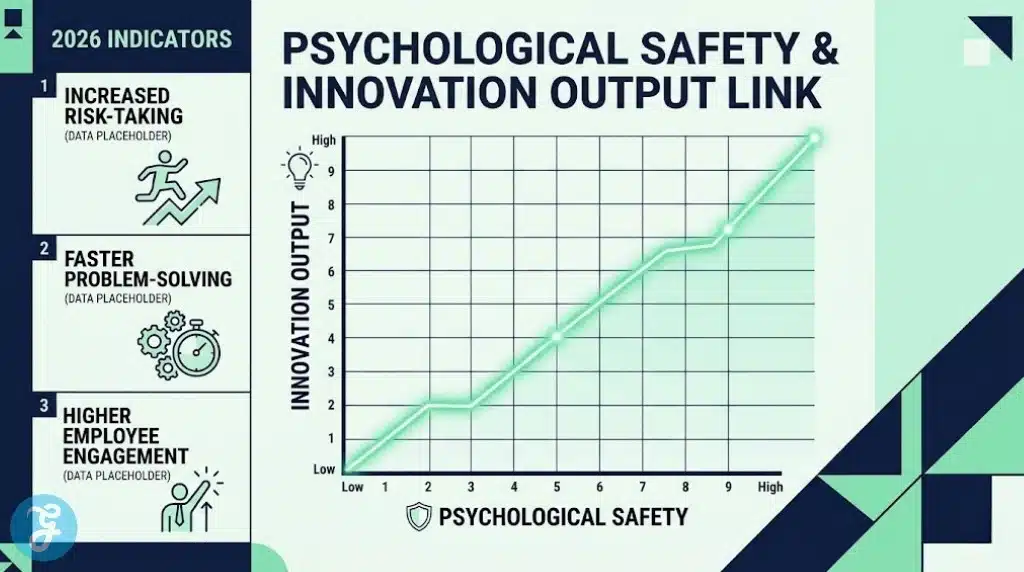
3. Destigmatizing Failure Through “Try Campaigns”
In an effort to boost innovation, many Finnish tech firms have integrated specific campaigns that actively celebrate failed projects alongside successful ones. Teams are encouraged to present what went wrong during quarterly reviews, focusing entirely on the educational value rather than assigning blame. This profound shift in perspective neutralizes the paralyzing fear of failure that stifles creativity in traditional corporate settings.
Best Feature/For: Encouraging aggressive innovation and creative risk-taking without the fear of punitive consequences.
Why We Chose It:
-
Directly targets the root cause of corporate anxiety and imposter syndrome.
-
Creates a comprehensive internal knowledge base of what does not work.
-
Builds immense trust between project managers and their executing teams.
Things to consider: It requires immense emotional intelligence from leadership to ensure these reviews remain constructive rather than subtly critical.
Proactive health management seamlessly follows the destigmatization of failure in the workplace.
4. Mandatory Mental Health Days
Rather than waiting for an employee to hit a breaking point, Finnish workplace policies often include preemptive mental health days built into their standard leave structures. These are distinct from sick days and are meant to be utilized without any requirement for a medical justification or detailed explanation. By institutionalizing these days, companies remove the guilt traditionally associated with needing a pause to reset one’s mental state.
Best Feature/For: Providing immediate, unquestioned relief for employees experiencing early signs of extreme stress or burnout.
Why We Chose It:
-
Removes the stigma of asking for psychological breathing room.
-
Reduces long-term absenteeism by addressing stress before it manifests physically.
-
Signals a genuine corporate investment in human capital.
Things to consider: Teams must have robust coverage plans in place to ensure unexpected absences do not overload remaining colleagues.
Transparency in compensation is another crucial pillar that removes background anxiety and office politics.
5. Transparent Salary and Progression Frameworks
Wage secrecy often breeds resentment and paranoia, which is why leading Finnish companies are adopting radically transparent salary bands and promotion criteria. Every employee has clear visibility into what is required to reach the next tier, eliminating the suspicion of favoritism or wage gaps. This level of honesty builds a foundation of institutional trust, allowing employees to focus entirely on their performance rather than negotiating tactics.
Best Feature/For: Eradicating internal politics, wage-gap anxiety, and toxic competitive behaviors among peers.
Why We Chose It:
-
Provides clear, actionable career roadmaps for all organizational levels.
-
Ensures absolute fairness and equity in compensation models.
-
Drastically improves employee retention by removing progression ambiguity.
Things to consider: The initial rollout of transparent salaries can cause temporary friction if historical pay discrepancies are revealed.
Maintaining this level of trust requires constant maintenance through safe communication channels.
6. Anonymous Continuous Feedback Loops
Annual performance reviews are being replaced by continuous, anonymous feedback loops that allow employees to voice concerns about company culture in real-time. These digital platforms bypass the anxiety of face-to-face confrontations, ensuring that systemic issues are caught and addressed immediately. The key is that leadership publicly acknowledges and acts upon this feedback, proving that the system is not just a placebo.
Best Feature/For: Providing a secure, consequence-free avenue for whistleblowing and constructive cultural criticism.
Why We Chose It:
-
Catches toxic micro-cultures before they infect the broader organization.
-
Gives introverted or marginalized employees an equal voice in company matters.
-
Keeps executive leadership grounded in the daily reality of their workforce.
Things to consider: Leadership must be prepared to hear uncomfortable truths and have the resources ready to enact rapid changes.
Finally, ensuring that the people at the top are equipped to handle these changes is the glue that holds the system together.
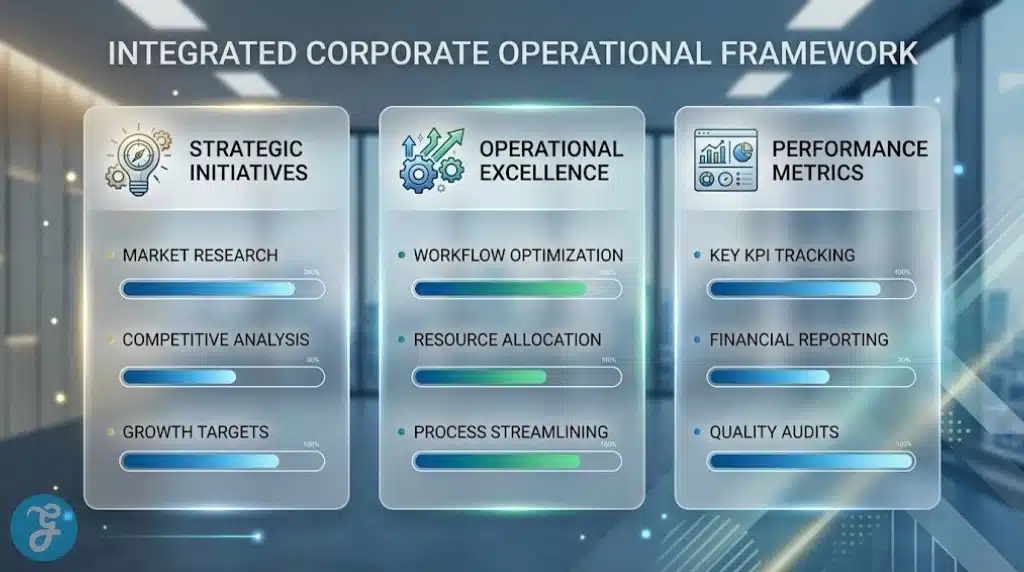
7. Empathetic Leadership Training
Technical proficiency is no longer the sole criteria for promotion in Finland; managers must now undergo rigorous training in emotional intelligence and empathetic leadership. Leaders are taught how to spot the signs of burnout, mediate conflicts without assigning guilt, and lead with vulnerability. This ensures that the individuals setting the tone for the company are actively equipped to protect the psychological well-being of their teams.
Best Feature/For: Ensuring that company policies regarding mental health are actually executed with care at the managerial level.
Why We Chose It:
-
Transforms managers from mere taskmasters into supportive mentors.
-
Creates a top-down culture of psychological safety that feels authentic.
-
Reduces turnover rates linked specifically to poor middle management.
Things to consider: Measuring the exact ROI of empathy training can be difficult for highly analytical, data-driven executive boards.
To better visualize how these distinct strategies compare against one another, we have compiled a comprehensive breakdown.
An Overview Of What Psychological Safety Means at Work in Finland
The following data matrix illustrates the primary focus areas and implementation difficulties of each foundational approach.
Overview Comparison Table
| Strategy | Primary Focus Area | Implementation Difficulty | Impact on Culture |
| Radical Flat Hierarchies | Structural Equality | High | Transformative |
| Right to Disconnect | Boundary Setting | Medium | High |
| Destigmatizing Failure | Innovation & Trust | High | Transformative |
| Mandatory Mental Health Days | Proactive Wellness | Low | Medium |
| Transparent Salary Frameworks | Equity & Fairness | High | High |
| Continuous Feedback Loops | Real-time Communication | Low | Medium |
| Empathetic Leadership Training | Managerial Support | Medium | High |
Comparing these elements allows us to pinpoint the most effective strategies for immediate adoption.
Our Top 3 Picks and Why?
Focusing on a few key areas can yield the most significant initial results for any organization looking to pivot.
-
Radical Flat Hierarchies: This structural change forces the most immediate and undeniable shift in how a company communicates daily.
-
Destigmatizing Failure: Innovation cannot exist in an environment of fear, making this crucial for long-term business survival.
-
Empathetic Leadership Training: Policies are useless without managers who genuinely understand how to apply them with emotional intelligence.
Translating these macro-level national trends into your personal team environment requires a systematic approach to change management.
How to Implement What Psychological Safety Means at Work by Yourself?
Taking ownership of your immediate team’s culture is entirely possible, even if the broader company has not yet caught up to these ideals.
-
Assess Current Baseline: Conduct anonymous surveys to understand exactly where your team feels the most vulnerable or stressed.
-
Identify Key Bottlenecks: Look for specific processes, such as rigid approval chains, that are causing unnecessary friction or anxiety.
-
Audit Your Own Reactions: Analyze how you personally respond when a team member brings you bad news or a failed project.
Before rolling out any new initiatives to your team, it is crucial to verify your environment is thoroughly prepared for the transition.
The Final Checklist
Ensure you have reviewed these critical points before altering your team dynamics.
-
Have you secured a safe, anonymous channel for team feedback?
-
Are your personal expectations regarding after-hours communication explicitly clear?
-
Do you have a plan in place for how to constructively handle the next project failure?
-
Are team members aware of exactly how their performance is currently being measured?
-
Have you dedicated time to active listening during your 1-on-1 meetings this month?
Looking beyond immediate implementation, we must examine the broader implications of these cultural shifts.
The Future of Corporate Vulnerability and Trust
As we observe the profound shifts occurring in Northern Europe, it becomes clear that the traditional, stoic model of corporate professionalism is rapidly becoming obsolete. The future of global business relies heavily on an organization’s capacity to treat its workforce as complex human beings rather than mere operational assets on a balance sheet. However, adopting these Nordic models outside of their cultural context presents a distinct set of uncomfortable truths for Western and Eastern enterprises. Implementing genuine empathy and structural flatness can feel incredibly destabilizing for legacy executives who have spent decades climbing a rigid, cutthroat corporate ladder. It actively challenges the very ego of traditional leadership, demanding raw vulnerability where absolute authority once stood.
Ultimately, defining exactly what psychological safety means at work is not a static, universally achieved destination, but rather a continuous, often messy evolution of human interaction. Companies that merely pay lip service to these concepts while maintaining punitive underlying structures will inevitably lose their top talent to organizations that possess the courage to completely dismantle and rebuild their operational DNA.
Navigating the nuances of psychological safety often brings up common queries among corporate professionals and HR teams.
Frequently Asked Questions (FAQs) About What Psychological Safety Means at Work
Addressing these common concerns can help clarify the practical application of these concepts.
Does a flat hierarchy mean there are no managers?
No, flat hierarchies still have leadership roles and project coordinators. However, the structural layers are minimized to ensure leaders remain highly accessible and collaborative rather than purely authoritative.
How do you measure psychological safety accurately?
It is typically measured through continuous pulse surveys, employee net promoter scores (eNPS), and tracking metrics like internal promotion rates versus voluntary turnover.
Can you enforce the right to disconnect in global teams?
Yes, but it requires highly disciplined asynchronous communication protocols. Teams must learn to rely on detailed documentation and scheduled hand-offs rather than expecting immediate replies across time zones.
Is absolute salary transparency always beneficial?
While it builds long-term trust, the initial transition can be highly disruptive. It forces companies to immediately rectify any existing unjust pay gaps before making the data public to avoid massive internal fallout.
How do you train empathy in legacy leaders?
Empathy training involves behavioral coaching, active listening workshops, and role-playing difficult conversations. It is a slow process that requires the leader to be open to self-reflection and personal growth.