


Have you ever found yourself tossing and turning on a sweltering summer night, desperately seeking that perfect cool spot on your pillow? You’re not alone. Millions of people worldwide struggle with sleep during hot weather, and there’s solid science behind why heat disrupts our rest. Our bodies naturally need to cool down to initiate sleep – specifically, our core temperature needs to drop by about 2-3 degrees Fahrenheit. But when the mercury rises, this natural process becomes challenging.
Let’s dive into proven solutions that can help you get the restful sleep you deserve, even during the hottest nights of the year. Whether you’re dealing with a summer heatwave or living in a naturally warm climate, these practical tips will transform your nights from sweaty and restless to cool and peaceful.
What Temperature Is Ideal for Sleep?
Before we explore the solutions, let’s understand what we’re aiming for. Here’s a comprehensive breakdown of how different temperatures affect your sleep:
| Temperature Range | Sleep Quality Impact | Body’s Response |
|---|---|---|
| Below 60°F (15.6°C) | Too cold for comfort | Shivering may occur, disrupting sleep |
| 60-67°F (15.6-19.4°C) | Optimal sleep temperature | Perfect for deep, restful sleep |
| 68-72°F (20-22.2°C) | Still comfortable | Most people sleep well |
| 73-75°F (22.8-23.9°C) | Beginning to affect sleep | May cause mild restlessness |
| Above 75°F (23.9°C) | Sleep quality decreases | Increased tossing and turning |
| Above 80°F (26.7°C) | Significant disruption | Reduced REM sleep, more wakeful periods |
15 Detailed Tips for Cool, Comfortable Sleep

1. Master Your Bedding Strategy
Don’t just pick any sheets – choose bedding that actively helps you stay cool. Here’s what research shows works best:
Best Materials for Hot Weather:
- 100% cotton with 200-400 thread count
- Bamboo sheets (naturally antimicrobial and cooling)
- Linen (absorbs 20% of its weight in moisture before feeling damp)
Pro Tips:
- Replace heavy comforters with lightweight quilts
- Use the “layer method” – multiple thin layers you can remove as needed
- Consider moisture-wicking mattress protectors
- Rotate multiple pillowcases for a fresh, cool surface throughout the night
2. Perfect Your Room’s Airflow
Creating optimal air circulation can reduce room temperature by up to 4°F (2.2°C). Here’s how:
Strategic Fan Placement:
- Window fan pointing inward on the shady side of your house
- Second fan pointing outward on the opposite side
- Ceiling fan rotating counterclockwise (summer setting)
- Small personal fan aimed at your body
Advanced Airflow Tips:
- Create a wind tunnel effect by positioning fans to pull cool air from lower floors
- Use the “box fan sandwich” method: place a box fan in one window blowing in, another blowing out
- Add bowl of ice in front of fans for DIY air conditioning
3. The Egyptian Method 2.0
This ancient technique has been refined for modern use:
Steps for Maximum Cooling:
- Dampen a flat sheet with cool water (not dripping)
- Wring out thoroughly
- Snap it in the air several times to activate cooling
- Use as a light covering
Enhanced Version:
- Add a few drops of peppermint essential oil for extra cooling sensation
- Use multiple sheets, rotating them throughout the night
- Combine with a fan for increased cooling effect
4. Optimize Your Cooling Technology
Modern cooling solutions can transform your sleep environment. Here’s how to maximize their effectiveness:
Cooling Mattress Pad Options:
- Gel-infused (reduces surface temperature by 8°F/4.4°C)
- Phase change materials (maintains constant temperature)
- Water-cooled systems (precise temperature control)
- Electric cooling pads (programmable settings)
Setup Tips:
- Place pads directly under fitted sheet
- Pre-cool 30 minutes before bedtime
- Clean monthly to maintain efficiency
- Consider dual-zone for partners
5. Strategic Hydration Plan
Proper hydration significantly impacts temperature regulation. Research shows dehydration can raise body temperature by 1-2°F.
Optimal Hydration Schedule:
- 2 hours before bed: 16 oz water
- 1 hour before bed: 8 oz water
- Bedside: 8 oz water for night sipping
Advanced Hydration Tips:
- Add electrolytes for better retention
- Use insulated water bottle to keep water cool
- Avoid caffeine after 2 PM
- Monitor urine color (should be light yellow)
6. Advanced Ice Pack Strategies
Strategic cooling point targeting can lower body temperature effectively.
Key Cooling Points:
- Behind neck (cools blood flow to brain)
- Inside wrists (cools blood near surface)
- Behind knees (major blood vessels)
- Ankles (peripheral cooling)
Ice Pack Types and Uses:
- Gel packs (longer-lasting, flexible)
- Frozen water bottles (good for foot cooling)
- Rice packs (can be frozen or heated)
- Cooling towels (reactivate with water)
7. AC Optimization Guide
Make your air conditioning work smarter, not harder:
Maintenance Schedule:
- Monthly: Clean/replace filters
- Quarterly: Clean vents and returns
- Bi-annually: Check refrigerant levels
- Annually: Professional inspection
Smart Programming:
- Start cooling 2 hours before bedtime
- Set temperature to rise 2°F after falling asleep
- Use “sleep mode” if available
- Program morning warm-up gradually
8. Enhanced Cool-Down Routine
Create a pre-sleep ritual that naturally lowers body temperature:
90-Minute Cool-Down Timeline:
- 90 mins before bed: lukewarm shower
- 60 mins before bed: light stretching
- 30 mins before bed: cool face mask
- 15 mins before bed: cooling breathing exercises
Temperature-Lowering Activities:
- Practice “cooling” yoga poses
- Use cooling face mist
- Apply menthol-based products
- Do gentle hand/foot soaks
9. Smart Sleep Attire Selection
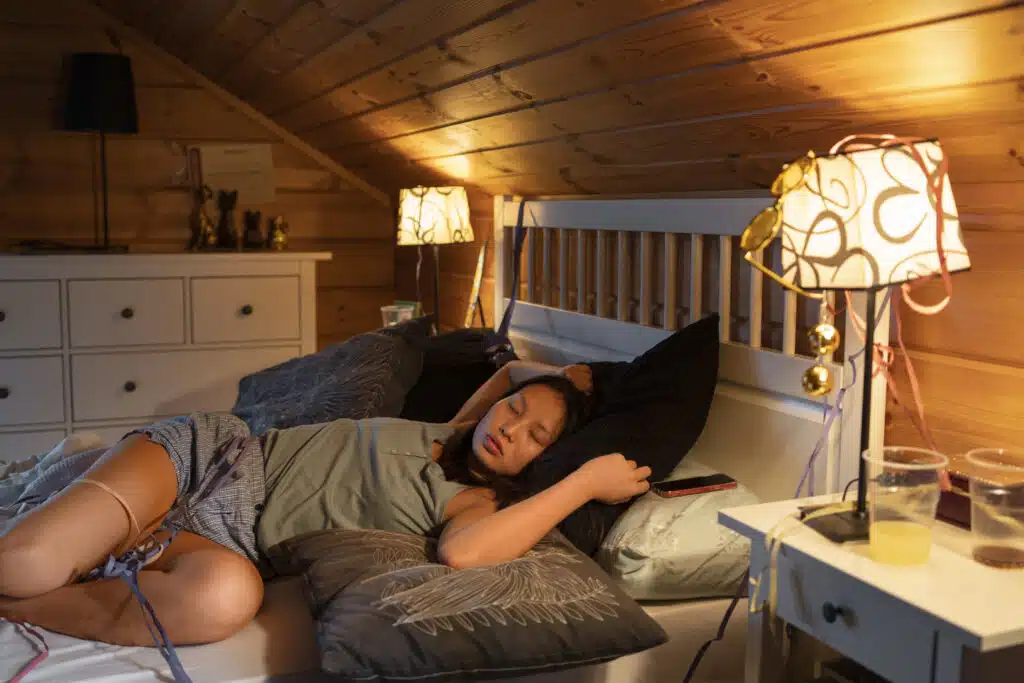
Choose clothing that actively helps cool your body:
Best Materials Ranked:
- Bamboo (30% cooler than cotton)
- Linen (highly breathable)
- Cotton (natural cooling)
- Technical moisture-wicking fabrics
Clothing Strategies:
- Loose-fit for air circulation
- Light colors to reflect heat
- Minimal coverage while maintaining comfort
- Consider cooling sleepwear technologies
10. Heat-Blocking Master Plan
Prevent heat buildup with these proven techniques:
Daily Schedule:
- Dawn: Open windows briefly
- Morning: Close all windows and blinds
- Afternoon: Use reflective barriers
- Evening: Strategic window opening
Window Treatment Efficiency:
- Blackout curtains (blocks 99% of light)
- Reflective films (reduces heat by 78%)
- External shutters (blocks 90% of heat)
- Light-colored blinds (reflects 80% of light)
11. Smart Fan Programming
Maximize fan effectiveness with these settings:
Optimal Fan Settings:
- Evening: High speed, direct flow
- Early night: Medium speed, indirect flow
- Middle night: Low speed, oscillating
- Morning: Programmed increase
Advanced Fan Techniques:
- Create multiple air layers
- Use timer settings
- Implement speed changes
- Coordinate multiple fans
12. Sleep Position Science
Research shows position affects body temperature:
Temperature Impact by Position:
- Side sleeping (reduced heat exposure)
- Starfish (maximum cooling)
- Elevated legs (improved circulation)
- Modified fetal (balanced cooling)
Position Optimization:
- Use cooling pillows strategically
- Elevate limbs properly
- Maintain spinal alignment
- Allow air circulation around body
13. Humidity Management System
Control moisture levels for better sleep:
Target Humidity Levels:
- Optimal: 30-50%
- Too high: Above 60%
- Too low: Below 30%
- Adjustment needed: ±5%
Humidity Control Methods:
- Dehumidifier settings by season
- Moisture-absorbing products
- Ventilation timing
- Plant placement strategy
14. Advanced Pillow Cooling
Maximize pillow cooling effectiveness:
Pillow Technology Options:
- Gel-infused memory foam
- Phase change materials
- Ventilated designs
- Cooling cover technologies
Pillow Management:
- Rotate every 2 hours
- Use multiple pillows
- Implement cooling inserts
- Regular cleaning schedule
15. Exercise Timing Optimization
Time physical activity for optimal sleep temperature:
Ideal Exercise Windows:
- Morning: 6-8 AM (optimal)
- Afternoon: 2-4 PM (acceptable)
- Evening: Light activity only
- Night: Gentle stretching only
Cool-Down Protocols:
- Post-exercise cooling routine
- Temperature regulation exercises
- Proper hydration timing
- Recovery position techniques
Seasonal Sleep Temperature Guide
| Season | Recommended Room Temperature | Humidity Level | Additional Considerations |
|---|---|---|---|
| Summer | 65-68°F (18.3-20°C) | 30-45% | Use dehumidifier if needed |
| Spring | 67-70°F (19.4-21.1°C) | 40-50% | Monitor morning temperature rises |
| Fall | 68-72°F (20-22.2°C) | 40-50% | Adjust for temperature swings |
| Winter | 70-72°F (21.1-22.2°C) | 30-40% | Consider humidifier use |
Advanced Temperature Management Techniques
Body Temperature Regulation Zones
Understanding your body’s natural cooling points can help you target cooling efforts:
- Wrists (radial pulse point)
- Neck (carotid pulse point)
- Behind knees
- Inner ankles
- Temple areas
- Inside elbows
Time-Based Temperature Management
Create a 24-hour cooling strategy:
Morning (6 AM – 10 AM)
- Open windows to let in cool air
- Close blinds before sun hits windows
- Run fans to circulate cool morning air
Afternoon (11 AM – 5 PM)
- Keep windows and blinds closed
- Use reflective window coverings
- Minimize use of heat-generating appliances
Evening (6 PM – 10 PM)
- Open windows when outside temperature drops
- Create cross-ventilation
- Begin bedroom cooling procedures
Night (11 PM – 5 AM)
- Maintain optimal sleeping temperature
- Use programmed fans or cooling systems
- Adjust coverings as needed
Long-Term Cooling Investments
Consider these permanent solutions for consistent temperature control:
| Solution | Cost Range | Energy Savings | Temperature Impact |
|---|---|---|---|
| Ceiling Fans | $100-300 | 15-25% | -4°F perceived |
| Window Films | $200-400 | 30-40% | -10°F actual |
| Attic Insulation | $1000-2000 | 40-50% | -15°F actual |
| Mini Split AC | $2000-5000 | Variable | Complete control |
Takeaway: Your Path to Better Sleep
Remember, achieving comfortable sleep during hot weather isn’t just about one solution – it’s about creating a comprehensive cooling strategy that works for you. Start with the simplest, most cost-effective methods and monitor their impact on your sleep quality. Keep a sleep journal to track which combinations work best for your specific situation.
Don’t let hot weather rob you of precious sleep anymore. By implementing these evidence-based cooling strategies, you can create your perfect sleep environment regardless of outside temperatures. Stay cool, sleep well, and wake up refreshed – even during the hottest nights of the year.





















