


Running a small business can be both exciting and challenging. With so many companies competing in the market, it’s essential to have strategies to stand out and grow. While there’s no one-size-fits-all approach to scaling your business, some tried-and-true methods can help you achieve significant growth.
This article will explore 15 practical strategies that can help skyrocket your small business growth. Whether you’re just starting or looking to take your business to the next level, these strategies will provide actionable insights to help you succeed.
1. Focus on Customer Experience

Customer experience (CX) refers to a customer’s overall journey when interacting with your business. This includes everything from their first encounter with your brand to post-purchase support.
A positive customer experience can lead to repeat business, customer loyalty, and positive word-of-mouth referrals.
Strategies to Enhance Customer Experience
- Personalized Communication:
Email customers by name and follow up with customized messages.
- Fast and Efficient Service:
Ensure customer inquiries and complaints are handled quickly.
- User-Friendly Website:
Ensure your website is easy to navigate, with clear information and a smooth checkout process.
- After-Sales Support:
Offer excellent support after a sale to ensure customer satisfaction and retention.
The Impact of Customer Experience
A report by PwC indicates that 73% of consumers point to customer experience as an essential factor in their purchasing decisions, highlighting its critical role in driving business growth.
2. Leverage Social Media Marketing
Social media platforms like Facebook, Instagram, and Twitter have billions of active users. These platforms are not just for socializing; they are powerful tools for marketing and customer engagement.
Social media allows businesses to reach a broad audience, build brand awareness, and engage with customers directly.
Social Media Strategies
- Content Creation:
Post valuable and engaging content regularly. Use a mix of text, images, and videos to keep your audience interested.
- Targeted Advertising:
Use social media ads to target specific demographics, ensuring your ads reach the most relevant audience.
- Engage with Followers:
Respond to comments, answer questions, and engage with your followers to build a loyal community.
- Analyze Performance:
Use analytics tools to track the performance of your social media campaigns and adjust your strategies accordingly.
3. Implement Content Marketing
Content marketing involves creating and sharing valuable content to attract and engage your target audience. This content can take various forms, such as blog posts, videos, infographics, podcasts, etc.
Content Marketing Strategies
- Create High-Quality Blog Posts:
Write informative and engaging blog posts that address the pain points of your target audience.
- Use SEO Best Practices:
Optimize your content for search engines by using relevant keywords, meta descriptions, and internal linking.
- Repurpose Content:
Turn blog posts into videos, podcasts, or social media posts to reach different segments of your audience.
- Build a Content Calendar:
Plan and schedule your content to ensure consistency and alignment with your marketing goals.
The Benefits of Content Marketing
Content marketing can help establish your brand as an authority in your industry, drive organic traffic to your website, and generate leads.
According to the Content Marketing Institute, content marketing costs 62% less than traditional marketing and generates about three times as many leads.
4. Invest in Search Engine Optimization (SEO)
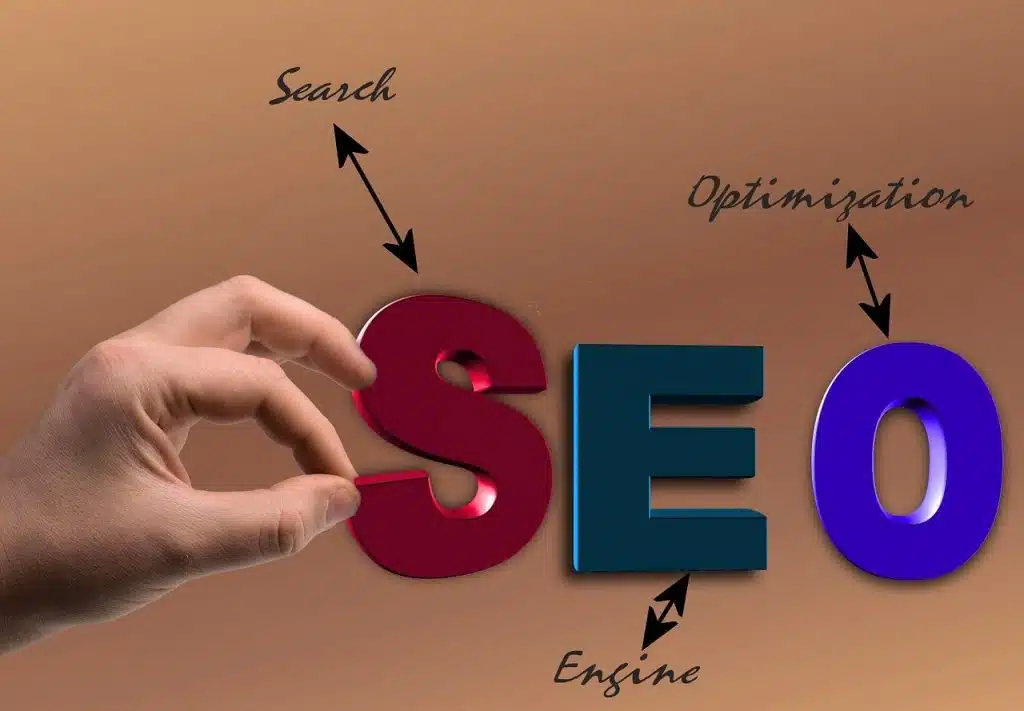
Search Engine Optimization (SEO) is optimizing your website to rank higher on search engine results pages (SERPs). Higher rankings increase your website’s visibility, leading to more traffic and potential customers.
SEO Strategies
- Keyword Research:
Identify the keywords your target audience is searching for and incorporate them into your content.
- On-Page SEO:
Optimize your website’s content, meta tags, headers, and URLs to improve search engine rankings.
- Off-Page SEO:
Build backlinks from reputable websites to increase your site’s authority and ranking.
- Technical SEO:
Ensure your website is mobile-friendly, has a fast loading speed, and is free from technical issues that could hinder its performance.
The ROI of SEO
SEO offers a higher return on investment (ROI) than other marketing strategies. Businesses that invest in SEO typically see long-term benefits, including sustained organic traffic and improved brand credibility.
5. Diversify Your Product or Service Offerings
Diversifying your product or service offerings can help you tap into new markets, meet the evolving needs of your customers, and reduce dependence on a single revenue stream.
Strategies for Diversification
- Market Research:
Conduct research to identify new products or services that align with your brand and meet customer needs.
- Test the Market:
Before launching a new product or service, test it with a small segment of your audience to gauge interest and gather feedback.
- Expand Distribution Channels:
Consider selling your products on platforms like online marketplaces or physical retail locations.
- Bundle Products:
Offer product bundles at a discounted price to encourage customers to purchase more items.
Success Story: Diversification in Action
A local coffee shop that only sold coffee began offering baked goods and sandwiches, resulting in a 30% increase in sales within the first three months of diversification.
6. Build Strategic Partnerships
Strategic partnerships involve collaborating with other businesses to achieve mutual benefits. These partnerships can help you reach new audiences, enhance your offerings, and share resources.
Strategies for Building Partnerships
- Identify Potential Partners:
Look for businesses that complement your products or services and share your target audience.
- Propose a Win-Win Partnership:
Clearly outline how both parties can benefit from the partnership.
- Collaborate on Marketing Campaigns:
Partner on joint marketing campaigns, such as co-hosted events, shared promotions, or cross-promotions.
- Offer Combined Products or Services:
Create bundled offerings with your partner to provide added value to customers.
Example of a Successful Partnership
A small online clothing boutique partnered with a local jewelry designer to create exclusive fashion and accessory bundles, which boosted sales for both businesses and introduced each brand to a new customer base.
7. Focus on Employee Development
Your employees are the backbone of your business. Investing in their development improves their skills and productivity and enhances employee satisfaction and retention.
Strategies for Employee Development
- Provide Training Programs:
Offer regular training sessions to help employees develop new skills and stay updated on industry trends.
- Encourage Professional Growth:
Support employees in pursuing further education, certifications, or attending industry conferences.
- Implement a Mentorship Program:
Pair less experienced employees with seasoned mentors to foster learning and growth.
- Offer Career Advancement Opportunities:
Provide clear pathways for employees to advance within the company.
Benefits of Employee Development
Companies prioritizing employee development see higher employee retention rates, improved performance, and a more motivated workforce. According to LinkedIn’s 2023 Workplace Learning Report, companies that invest in employee development are 53% more likely to be seen as industry leaders.
8. Utilize Email Marketing
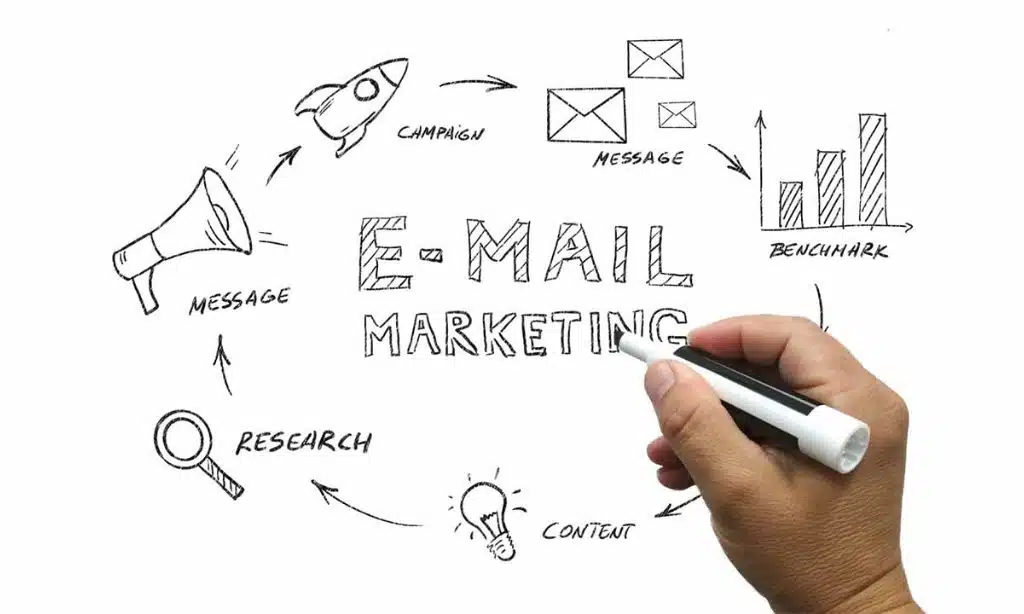
Email marketing remains one of the most cost-effective ways to reach and engage customers. With a high ROI, it’s an essential tool for small businesses looking to nurture leads and drive sales.
Email Marketing Strategies
- Build an Email List:
Collect email addresses through your website, social media, and in-store promotions.
- Segment Your Audience:
Divide your email list into segments based on demographics, behavior, or purchase history to send targeted messages.
- Create Engaging Content:
Write compelling subject lines, use personalized content, and include clear calls to action in your emails.
- Automate Email Campaigns:
Use email marketing software to automate welcome emails, abandoned cart reminders, and follow-up emails.
Measuring Email Marketing Success
Track metrics such as open rates, click-through rates, and conversion rates to measure the effectiveness of your email campaigns and make necessary adjustments.
9. Adopt E-commerce Solutions
With the increasing shift towards online shopping, having an e-commerce platform is crucial for small businesses. E-commerce allows you to reach a broader audience, operate 24/7, and provide a convenient shopping experience for customers.
E-commerce Strategies
- Choose the Right Platform:
Select an e-commerce platform that suits your business needs, whether it’s Shopify, WooCommerce, or another provider.
- Optimize Your Online Store:
Ensure your online store is user-friendly, with high-quality images, detailed product descriptions, and easy navigation.
- Implement Secure Payment Options:
Offer multiple secure payment methods to build customer trust and reduce cart abandonment.
- Offer Fast and Reliable Shipping:
Partner with reputable shipping companies to ensure timely delivery and provide tracking options.
The Impact of E-commerce on Growth
Small businesses that embrace e-commerce see significant growth in sales and customer reach. A study by Statista projects global e-commerce sales to reach $6.54 trillion by 2024, highlighting the immense potential of this channel.
10. Engage in Community Involvement
Supporting and engaging with your local community can strengthen your brand’s reputation, build customer loyalty, and create meaningful relationships.
Community Engagement Strategies
- Sponsor Local Events:
Sponsor or participate in local events to increase your brand’s visibility and show your support for the community.
- Volunteer:
Organize volunteer activities for your team to give back to the community and build team spirit.
- Partner with Local Charities:
Collaborate with local charities to donate a portion of your sales or host fundraising events.
- Host Community Events:
Hold workshops, meet-and-greets, or open houses to connect with your local audience.
The Benefits of Community Involvement
Businesses that engage with their communities often see increased customer loyalty, positive brand recognition, and stronger relationships with local customers and businesses.
11. Offer Exceptional Customer Service
Exceptional customer service is crucial for retaining customers and generating repeat business. It can set your business apart from competitors and build long-term customer relationships.
Customer Service Strategies
- Train Your Team:
Ensure all employees are well-trained in customer service best practices, including communication, problem-solving, and empathy.
- Be Responsive:
Respond promptly to customer inquiries and complaints through phone, email, or social media.
- Go the Extra Mile:
Surprise your customers with small gestures, such as handwritten thank-you notes or follow-up calls, to ensure satisfaction.
- Gather Feedback:
Regularly collect customer feedback to identify areas for improvement and show customers that their opinions are valued.
The Impact of Exceptional Customer Service
Businesses prioritizing customer service see higher customer satisfaction rates, increased loyalty, and positive word-of-mouth referrals.
According to the American Express 2020 Customer Service Barometer, 68% of customers are willing to pay more for products or services from a company with excellent customer service.
12. Utilize Data Analytics
Data analytics involves analyzing data to gain insights into business performance, customer behavior, and market trends.
Small businesses can make informed decisions, optimize operations, and drive growth by leveraging data.
Data Analytics Strategies
- Use Analytics Tools:
Utilize tools like Google Analytics, SEMrush, or HubSpot to track website traffic, customer behavior, and marketing performance.
- Monitor Key Metrics:
Focus on metrics that matter most to your business, such as customer acquisition cost (CAC), lifetime value (LTV), and conversion rates.
- Conduct A/B Testing:
Test marketing strategies like email subject lines or landing page designs to determine the best.
- Make Data-Driven Decisions:
Use data insights to guide your business decisions, such as product development, marketing campaigns, and pricing strategies.
The Benefits of Data Analytics
Data-driven businesses are more likely to achieve long-term success. According to a report by McKinsey, companies that use data analytics effectively are 23 times more likely to acquire customers, six times more likely to retain them, and 19 times more likely to be profitable.
13. Expand Your Marketing Channels
Relying on a single marketing channel can limit your reach and growth potential. Expanding your marketing efforts across multiple channels allows you to connect with a broader audience and diversify your customer base.
Multi-Channel Marketing Strategies
- Social Media:
Leverage multiple social media platforms to reach different audience segments.
- Email Marketing:
Email marketing is used to nurture leads and communicate with existing customers.
- Content Marketing:
Publish blog posts, videos, and infographics to attract and engage your target audience.
- Paid Advertising:
Invest in paid advertising, such as Google Ads or Facebook Ads, to increase brand visibility and drive traffic to your website.
The Benefits of Expanding Marketing Channels
A multi-channel marketing approach increases brand exposure, enhances customer engagement, and improves your chances of reaching potential customers. Businesses that utilize multiple marketing channels see higher conversion rates and more robust brand recognition.
14. Improve Your Online Presence

In today’s digital age, a solid online presence is essential for attracting customers and building brand credibility. Your online presence includes your website, social media profiles, reviews, and digital content.
Strategies to Enhance Your Online Presence
- Optimize Your Website:
Ensure your website is user-friendly, mobile-responsive, and optimized for search engines.
- Manage Online Reviews:
Encourage satisfied customers to leave positive reviews on platforms like Google, Yelp, or Trustpilot.
- Engage on Social Media:
Actively engage with your audience by posting regularly and responding to comments and messages.
- Create Valuable Content:
Publish high-quality content that addresses the needs and interests of your target audience.
The Impact of a Strong Online Presence
A robust online presence can significantly impact your business’s growth. According to BrightLocal, 87% of consumers read online reviews for local businesses, and a positive online reputation can attract more customers and increase sales.
15. Embrace Innovation and Technology
Innovation and technology are driving forces behind business growth. By embracing new technologies and innovative practices, small businesses can stay competitive, improve efficiency, and meet the evolving needs of their customers.
Strategies for Embracing Innovation
- Adopt New Technologies:
Implement cloud computing, AI, or automation tools to streamline operations and improve productivity.
- Encourage a Culture of Innovation:
Foster a workplace culture that encourages creativity, experimentation, and continuous improvement.
- Stay Updated on Industry Trends:
Keep an eye on industry trends and emerging technologies that could impact your business.
- Invest in Research and Development:
Allocate resources to research and development to explore new products, services, or processes.
The Benefits of Innovation
Innovative businesses are better positioned to adapt to market changes, improve customer satisfaction, and achieve long-term growth. According to a study by PwC, 61% of CEOs consider innovation a priority for their business, recognizing its importance in driving success.
Takeaways
Skyrocketing small business growth requires strategic planning, customer focus, and embracing innovation. By implementing these 15 strategies—from enhancing customer experience to leveraging data analytics and adopting new technologies—you can set your business on a path to success.
Remember, growth doesn’t happen overnight, but your small business can achieve significant progress with consistent effort and the right strategies.
Start by identifying the methods that align best with your business goals and gradually incorporate them into your operations. With dedication and a growth mindset, you’ll be well on your way to taking your business to new heights.
























