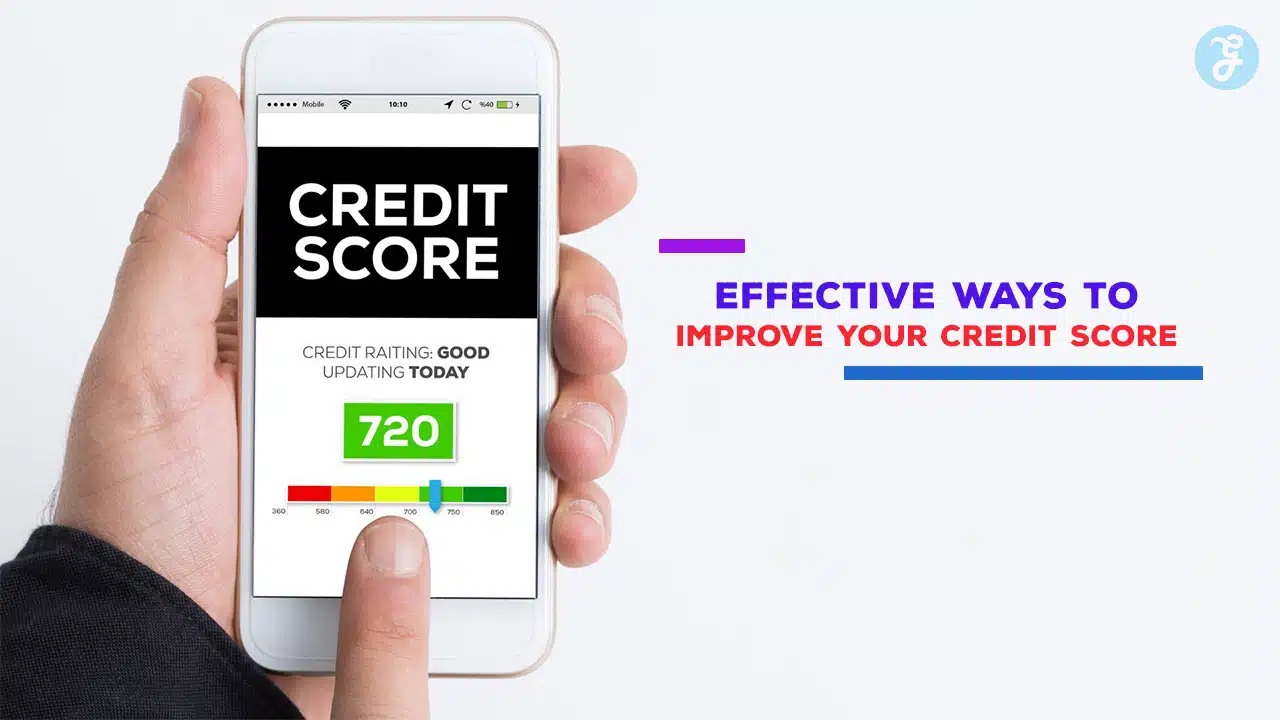
Your credit score plays a critical role in your financial health, influencing everything from loan approvals and interest rates to insurance premiums and even employment opportunities.
A high credit score can unlock better financial products, while a low score can limit your options and make borrowing more expensive.
If your credit score needs improvement, there are several actionable strategies you can take to boost it over time.
In this guide, we’ll explore 10 effective ways to improve your credit score.
By understanding how credit scores are calculated and adopting responsible financial habits, you can make steady progress toward a healthier credit profile.
1. Check Your Credit Report Regularly
The first step in improving your credit score is to understand where you currently stand by reviewing your credit report.
Credit reports contain information about your credit history, including payment records, outstanding debts, and any negative marks like late payments or bankruptcies.
How to Do It
- Request Your Free Credit Report:
In the U.S., you are entitled to a free credit report from each of the three major credit bureaus (Equifax, Experian, and TransUnion) once a year through AnnualCreditReport.com.
- Look for Errors:
Check your report for errors, such as incorrect account information, duplicate listings, or fraudulent accounts.
- Dispute Any Inaccuracies:
If you find any mistakes, file a dispute with the credit bureau and the creditor to correct the error.
A corrected error can result in a quick credit score boost.
Why It’s Important
Monitoring your credit report allows you to spot inaccuracies that may be dragging down your score.
Correcting even a small error can lead to a significant improvement in your credit rating.
2. Pay Your Bills on Time
Your payment history accounts for 35% of your credit score, making it the most influential factor.
Consistently paying your bills on time shows lenders that you are responsible with credit and can manage your financial obligations.
How to Do It
- Set Up Payment Reminders:
Use your phone or email alerts to remind you when bills are due, or set up automatic payments through your bank.
- Pay at Least the Minimum:
Even if you can’t pay off your full balance, make sure to at least pay the minimum amount due to avoid a missed or late payment.
- Prioritize Debt Payments:
If you have multiple bills, prioritize paying off loans or credit cards that report to credit bureaus.
Why It’s Important
A single late payment can stay on your credit report for up to seven years and can cause a significant drop in your score.
By maintaining a track record of on-time payments, you build credibility and boost your credit score.
3. Reduce Credit Card Balances
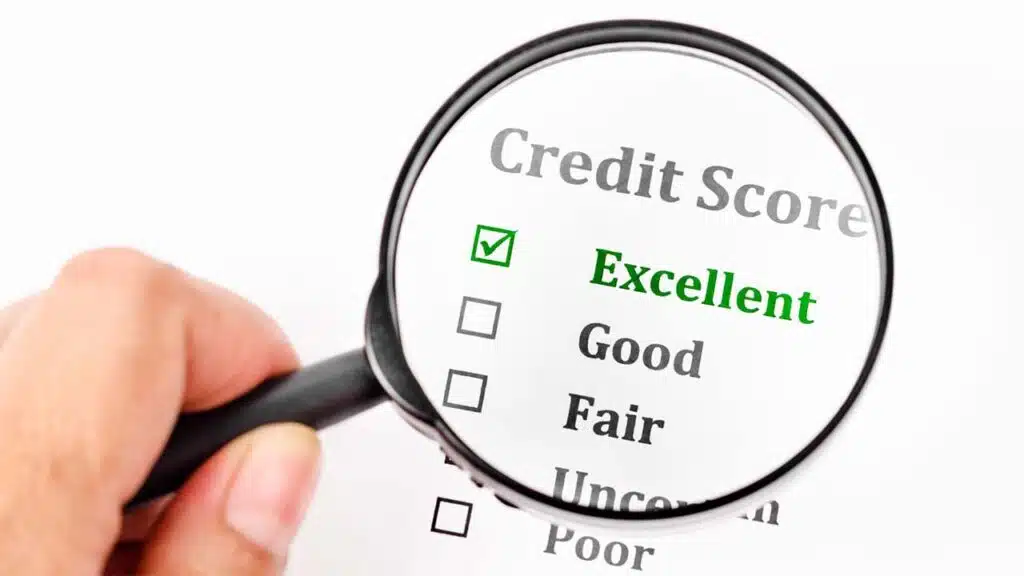
Your credit utilization ratio is the percentage of your available credit that you’re currently using, and it accounts for about 30% of your credit score.
Keeping your credit card balances low relative to your credit limits demonstrates that you are using credit responsibly.
How to Do It
- Aim for a Utilization Rate Below 30%:
Ideally, your credit card balances should be less than 30% of your total available credit.
For example, if your credit limit is $10,000, try to keep your balances below $3,000.
- Pay Off Balances in Full:
Whenever possible, pay off your credit card balances in full each month to avoid interest charges and lower your utilization rate.
- Consider Making Multiple Payments:
If you can’t pay off the full balance at once, consider making more than one payment per month to keep your balance low as it is reported to the credit bureaus.
Why It’s Important
A high credit utilization ratio signals to lenders that you may be over-reliant on credit, which can negatively impact your score.
Lowering your credit card balances can lead to an improvement in your credit score fairly quickly.
4. Avoid Closing Old Credit Accounts
The length of your credit history makes up 15% of your credit score.
Closing old accounts, especially ones with a long history, can shorten your credit history and negatively affect your score.
It can also increase your credit utilization rate by reducing your total available credit.
How to Do It
- Keep Long-Standing Accounts Open:
Even if you’re not using an old credit card, keep it open to preserve the length of your credit history.
This shows lenders that you have a long track record of managing credit responsibly.
- Use Old Cards Occasionally:
If you want to keep an old account active, use the card occasionally for small purchases and pay it off immediately to avoid interest charges.
- Avoid Closing Multiple Accounts at Once:
If you must close accounts, spread it out over time to minimize the impact on your credit score.
Why It’s Important
Keeping older accounts open helps maintain a longer credit history and keeps your credit utilization ratio lower by preserving your available credit.
Both factors contribute positively to your overall score.
5. Diversify Your Credit Mix
Your credit mix—the variety of credit accounts you have—accounts for 10% of your credit score.
Lenders like to see that you can manage different types of credit, such as credit cards, installment loans (like auto or student loans), and mortgages.
How to Do It
- Diversify Your Credit:
If you only have credit cards, consider adding an installment loan, such as a personal loan or car loan, to your credit portfolio.
- Be Cautious When Taking New Credit:
Only take out new loans if necessary.
Don’t apply for credit simply to diversify your credit mix, as this can increase debt and harm your score if you can’t manage it responsibly.
Why It’s Important
Having a balanced mix of credit types shows that you can handle various forms of credit, making you more attractive to lenders.
However, responsible management of these accounts is key.
6. Limit New Credit Applications
Each time you apply for a new credit card or loan, the lender conducts a hard inquiry on your credit report, which can cause a small dip in your credit score.
Multiple hard inquiries within a short period can make you look financially unstable, as it may suggest you’re relying too much on credit.
How to Do It
- Apply for Credit Sparingly:
Only apply for new credit when absolutely necessary, such as when you’re making a large purchase like a car or home.
- Prequalification Checks:
Use soft inquiries (which don’t affect your score) to check if you prequalified for a loan or credit card before applying.
- Consolidate Inquiries:
When shopping for a mortgage or auto loan, make sure to do it within a short window (typically 14-45 days) to limit the impact of multiple inquiries.
Why It’s Important
Limiting new credit applications prevents unnecessary hard inquiries from affecting your score.
It also helps you avoid accumulating excessive debt, which can harm your creditworthiness.
7. Become an Authorized User on a Responsible Account
If you have a family member or close friend with a strong credit history, you can improve your credit score by becoming an authorized user on their credit card account.
As an authorized user, the primary cardholder’s positive credit activity can be reported on your credit report.
How to Do It
- Choose the Right Person:
The primary cardholder should have a long history of on-time payments and low credit utilization.
Their responsible behavior will positively affect your credit score.
- Clarify Usage Expectations:
Make sure you understand whether or not you’re allowed to use the card and how any spending will be handled.
- Monitor Your Credit Report:
Ensure that the account is reported to the credit bureaus as an authorized user.
Not all credit card companies report authorized users to the credit bureaus, so confirm this beforehand.
Why It’s Important
Being an authorized user can help you build credit history without taking on debt yourself. It’s a good strategy for individuals with thin credit files or those trying to rebuild their credit.
8. Consolidate High-Interest Debt
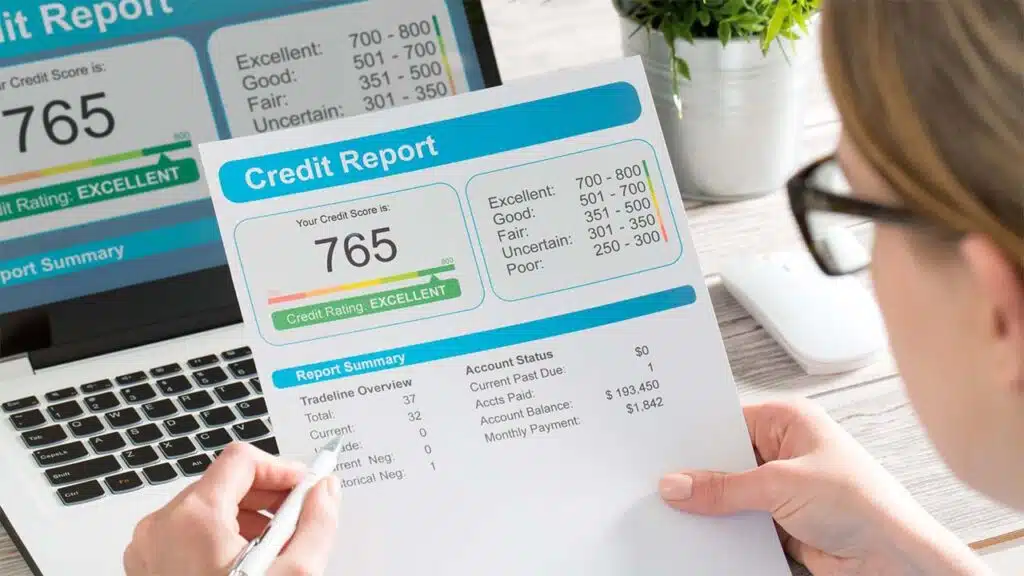
High-interest debt, especially from credit cards, can make it difficult to pay off balances, which can negatively impact your credit score.
Consolidating high-interest debt into a lower-interest loan, such as a debt consolidation loan or balance transfer card, can make it easier to pay down your debt faster and improve your credit score.
How to Do It
- Debt Consolidation Loan:
Apply for a personal loan with a lower interest rate than your current debt and use it to pay off your high-interest credit card balances.
This leaves you with one loan to pay off at a lower interest rate.
- Balance Transfer Credit Card:
Some credit cards offer 0% introductory APR on balance transfers for a set period (usually 12-18 months).
Transfer your high-interest balances to this card and focus on paying off the balance before the promotional period ends.
Why It’s Important
By consolidating debt at a lower interest rate, you can reduce the total amount of interest paid, pay down your debt faster, and lower your credit utilization ratio, all of which will positively impact your credit score.
9. Pay Off Debt Strategically
Paying off your debt can significantly improve your credit score, but the strategy you use matters.
Tackling the most impactful debts first can help you see results more quickly and improve your overall financial situation.
How to Do It
- Use the Avalanche Method:
Focus on paying off the debt with the highest interest rate first, while making minimum payments on your other accounts.
Once the highest-interest debt is paid off, move on to the next one.
This minimizes the amount of interest you’ll pay over time.
- Try the Snowball Method:
Pay off your smallest debts first, regardless of the interest rate.
This approach helps build momentum and motivation as you see debts being cleared quickly.
- Focus on Revolving Credit:
If you have both installment loans (like auto or student loans) and revolving credit (like credit cards), prioritize paying down your revolving debt since it has a greater impact on your credit score.
Why It’s Important
Paying off debt reduces your credit utilization and improves your overall debt-to-income ratio, both of which are key factors in boosting your credit score.
By following a strategic repayment plan, you can see faster results.
10. Seek Professional Help if Necessary
If you’re struggling to improve your credit score on your own or dealing with overwhelming debt, professional help may be necessary.
Credit counseling agencies or financial advisors can help you create a plan to improve your credit and manage your debt.
How to Do It
- Find a Certified Credit Counselor:
Look for a reputable, nonprofit credit counseling agency.
Certified counselors can provide personalized advice and help you develop a debt management plan.
- Debt Management Plans (DMPs):
With a DMP, the agency negotiates with your creditors to reduce interest rates and set up a manageable payment plan, which can help improve your credit score over time.
- Avoid Scams:
Be wary of credit repair companies that promise quick fixes.
Legitimate agencies won’t ask for large upfront fees and won’t make unrealistic promises about improving your credit score.
Why It’s Important
Professional guidance can help you get back on track if you’re struggling with credit issues.
They can provide tailored advice and support to improve your financial situation and credit score over the long term.
Wrap Up
Improving your credit score takes time, patience, and consistent financial habits, but the rewards are worth the effort.
By following these 10 effective strategies—from paying your bills on time and reducing credit card balances to checking your credit report and seeking professional help when necessary—you can boost your credit score and unlock better financial opportunities.
The key to success is persistence.
Making small, incremental changes to your financial behavior can lead to significant improvements in your credit score over time.
Whether you’re working to rebuild your credit or aiming to achieve a higher score, these strategies will set you on the path toward financial health and stability.