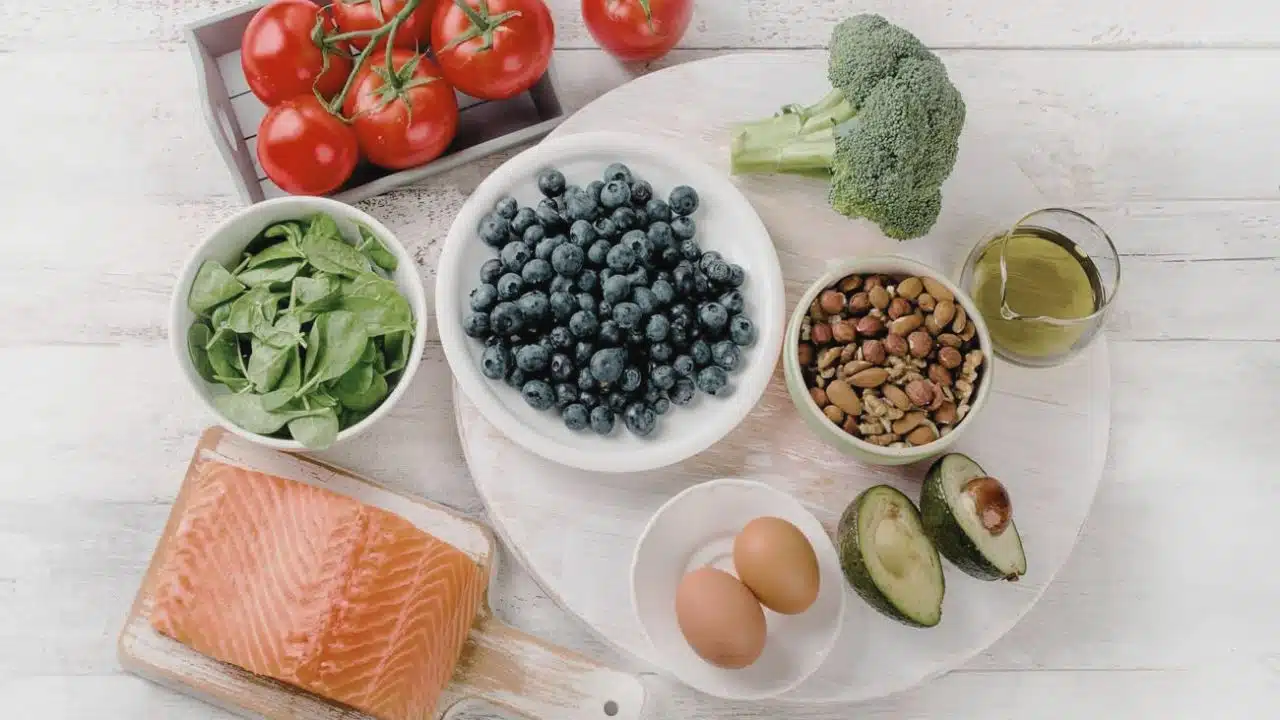
Staying full and satisfied throughout the day is crucial for maintaining energy levels and preventing unhealthy snacking. By incorporating certain habits and nutritious foods into your daily routine, you can achieve lasting fullness and satisfaction.
This article explores 30 effective habits and healthy foods that will help keep you satiated, energized, and on track with your wellness goals.
From high-fiber foods to healthy fats, discover the best strategies to nourish your body and mind all day long.
25 Healthy High-Fat Foods
Here are the 25 most healthy foods that you should definitely incorporate into your diet.
1. Avocados
Avocados are rich in monounsaturated fats and fiber. One medium avocado has about 21 grams of fat and 9 grams of fiber.
These creamy, green sources of fat are also packed with vitamins C, E, K, and B-6, as well as folate, magnesium, and potassium.
Avocados are excellent for heart health and help reduce cholesterol levels.
Try it: Enjoy avocados on toast, in salads, or as guacamole. You can also blend them into smoothies for a creamy texture or use them as a substitute for butter in baking.
2. Walnuts
Walnuts offer 21 grams of fat per ounce and are a fantastic source of omega-3 and omega-6 fatty acids.
They’re also rich in the minerals manganese and copper, which support metabolism and bone health. Walnuts are known to improve brain health and reduce inflammation.
Try it: Sprinkle chopped walnuts on a salad or bowl of cereal or oatmeal, mix them into a cake, or munch on them plain. Turn walnuts into a tasty nut butter for a creamy spread.
3. Almonds
Almonds provide 15 grams of fat in a 1-oz. serving (about 22 nuts) and are rich in vitamin E, which is essential for skin health and immune function.
They also contain magnesium, which helps with muscle function and energy production.
Try it: Raw or roasted, salted or unsalted; almonds are great for snacking, adding to cereal, and salads.
You can also make almond butter or almond milk as a nutritious alternative to dairy.
4. Nut and Seed Butter
Nut and seed butter, like peanut butter, almond butter, and sunflower seed butter, are creamy sources of healthy fats.
They also provide protein and fiber, making them a satisfying snack.
Try it: Spread 2 tablespoons on toast or eat it with fresh apple slices.
You can also add nut butter to smoothies or oatmeal. You may also use them as a dip for vegetables.
5. Olives
Olives are small but mighty, with about 4 grams of fat per ounce.
They are rich in monounsaturated fats and contain antioxidants such as vitamin E. Olives also provide anti-inflammatory benefits and are good for heart health.
Try it: Add olives to salad pizzas, or enjoy them as a snack.
They also make a great addition to a cheese plate, along with some crackers and veggies.
6. Olive Oil
Olive oil is a tremendous source of healthy fats, with 14 grams of fat per tablespoon.
It’s rich in monounsaturated fats and antioxidants, which help reduce inflammation and lower the risk of heart disease.
Try it: Use olive oil for cooking, drizzling over salads, or as a base for dressings.
Try drizzling olive oil over Greek yogurt with cracked pepper for a savory dip to eat with chips, pita, or crackers.
7. Ground Flaxseed
Flaxseed is packed with omega-3 fatty acids and fiber, with about 8 grams of fat per ounce.
Flaxseed also contains both insoluble and soluble fiber, which are good for feeling satiated, digestive health, stabilizing blood sugar, and regular bowel movements.
Try it: Sprinkle some whole or ground flaxseed on yogurt or oatmeal, scoop a spoonful into a smoothie, or put an interesting spin on a salad with a flaxseed oil-based dressing.
You can even make chocolatey energy bites with this versatile seed.
8. Salmon
Salmon is full of omega-3 fatty acids—whether it’s smoked, baked, raw, or pan-seared.
A cooked 3-oz. filet of Atlantic salmon has 11 grams of fat.
Omega-3s in salmon support heart health, reduce inflammation and improve brain function.
Try it: Eating two servings of fish a week is a great way to get your fill of healthy fats. Try baking, grilling, or adding salmon to salads for a nutritious meal.
9. Tuna
Tuna is another type of fish packed with healthy fats and omega-3s.
One regular can have about 5 grams of fat. Omega-3s in tuna support cardiovascular health and improve cognitive function.
Try it: Enjoy seared tuna steaks, tuna burgers, tuna salad on a sandwich or bed of lettuce, or tuna casserole.
10. Dark Chocolate
A 1-oz. portion of dark chocolate boasts around 11 grams of fat and 2 grams of fiber.
Dark chocolate is rich in antioxidants, which help reduce inflammation and improve heart health.
Try it: Enjoy dark chocolate on its own or with fruit like raspberries. Mix slivers into Greek yogurt or use as a thin, delectable coating for fruit like strawberries or nuts like almonds.
11. Tofu
Tofu offers healthy fats and plant-based protein. A 3-oz. portion of super-firm tofu contains about 4 grams of fat.
Tofu is rich in iron and calcium, making it a nutritious addition to a balanced diet.
Try it: Use tofu in scrambles, stir-fries, or smoothies. For dinner, try sheet pan tofu combined with veggies and chickpeas.
12. Edamame
Edamame provides 4.5 grams of fat per half cup and is a great source of plant-based protein (9 grams a serving) and fiber (4 grams a serving).
Edamame is also rich in vitamins and minerals like folate, vitamin K, and magnesium.
Try it: Enjoy boiled and salted edamame as a snack or purée them into a green-hued twist on your usual hummus.
13. Sunflower Seeds
A 2-tbsp. A serving of sunflower seeds delivers about 14 grams of fat, along with 6 grams of protein and 2 grams of fiber.
They are also rich in vitamin E and magnesium.
Try it: Sprinkle sunflower seeds on salads, make a batch of trail mix, or enjoy a handful with a piece of fruit.
14. Chia Seeds
Chia seeds have 6 grams of fat per 2 tablespoons, including lots of omega-3 and omega-6 fatty acids.
They also provide fiber, protein, and essential minerals like calcium and phosphorus.
Try it: Add chia seeds to smoothies or oatmeal, or make an overnight chia seed pudding for a quick breakfast.
15. Eggs
One extra-large whole egg contains 6 grams of fat. Eggs are also rich in protein, vitamins, and minerals like selenium and choline.
The yolk, in particular, is packed with nutrients and healthy fats.
Try it: Enjoy eggs scrambled, poached, boiled, or in a frittata. They are versatile and can be included in a variety of meals.
16. Full-fat Dairy
Whole milk and full-fat yogurt each contain 8 grams of fat per cup, plus protein and calcium. Full-fat dairy is more satisfying and can help keep you full for longer.
Try it: Use full-fat dairy in smoothies, with cereal, or as snacks. Top full-fat Greek yogurt with fruit, nuts, and granola for a nutritious breakfast.
17. Hemp Seeds
Hemp seeds have a nutty taste, creamy texture, and 15 grams of fat in a serving (3 tablespoons).
They also provide 9 grams of protein and essential minerals like magnesium, zinc, and iron.
Try it: Sprinkle hemp seeds on oatmeal, salads, cereals, grain bowls, pasta, or avocado toast.
18. Shredded Coconut
Coconut flakes pack 8 grams of fat per ounce and a lot of tropical flavor. They are also rich in fiber and essential minerals like manganese and copper.
Try it: Toast shredded coconut in a skillet or under the broiler for a couple of minutes until golden brown, and use it in baking, as a topping for yogurt, or in savory dishes.
19. Anchovies
Anchovies are small but mighty, with 4.5 grams of fat and 13 grams of protein per 2-ounce can. They are also a great source of omega-3 fatty acids.
Try it: Add anchovies to pizza, pasta, and salads, or use them in dressings for a salty punch.
20. Pumpkin Seeds
Pumpkin seeds, or pepitas, have 13 grams of fat per ounce and are rich in protein, iron, magnesium, and other essential minerals.
Try it: Enjoy roasted and salted pumpkin seeds on their own, sprinkle them on soups and salads, or make a pesto.
21. Macadamia Nuts
Macadamia nuts contain 22 grams of healthy fats per serving (1 oz., or 10–12 whole nuts). They are also high in protein and fiber, making them a satisfying snack.
Try it: Enjoy raw or roasted macadamia nuts as a snack, grind them for macadamia-crusted fish, or make macadamia nut butter.
22. Sesame Seeds
Sesame seeds provide approximately 4.5 grams of poly- and monounsaturated fats per tablespoon.
They are also rich in calcium, phosphorus, and magnesium.
Try it: Use sesame seeds in smoothies, sprinkle them on top of cakes, or incorporate them into dressings and marinades.
23. Sardines
Sardines are rich in omega-3 fatty acids, with about 4 grams of fat and 12 grams of protein per half can. They are also high in vitamins B12 and D, as well as calcium and selenium.
Try it: Add sardines to pasta and salads, or enjoy them on toast. Be sure to remove the spines and bones before eating.
24. Soy Milk
Soy milk contains roughly 3.5 grams of healthy fats per cup. It is also a good source of protein, calcium, and vitamins B and D.
Try it: Use soy milk in coffee, with cereal, or in savory dishes like pasta and casseroles.
25. Peanuts
Peanuts offer 14 grams of fat per ounce and are high in protein and fiber.
They also provide essential vitamins and minerals like niacin, magnesium, and phosphorus.
Try it: Enjoy peanuts on their own, in trail mix, or in savory dishes like stir-fries and salads
5 Simple Habits to Maintain Fullness Throughout the Day
These 5 habits are beneficial for maintaining your healthy lifestyle and ensuring you stay full and satisfied throughout the day, preventing unnecessary snacking and promoting overall well-being.
-
Eat Balanced Meals
Eating balanced meals is essential for maintaining fullness and energy throughout the day. Ensure that each meal includes a good mix of protein, healthy fats, and fiber.
Protein sources like lean meats, beans, and legumes help build and repair tissues, and they also play a crucial role in satiety.
Healthy fats, found in foods like avocados, nuts, and olive oil, provide long-lasting energy and help absorb essential vitamins. Fiber, found in whole grains, fruits, and vegetables, aids in digestion and keeps you feeling full longer.
This combination not only stabilizes blood sugar levels, preventing spikes and crashes but also provides sustained energy, helping you stay active and focused.
-
Stay Hydrated
Staying hydrated is crucial for overall health and can significantly impact your feeling of fullness. Drinking plenty of water throughout the day helps control hunger by filling your stomach and promoting a sense of satiety.
Aim to drink at least 8 glasses of water daily to maintain optimal hydration levels. Proper hydration supports various bodily functions, including digestion, circulation, and temperature regulation.
Drinking water before meals can also help you feel fuller and reduce the likelihood of overeating. Additionally, hydration aids in the efficient breakdown and absorption of nutrients from food.
-
Eat Mindfully
Mindful eating involves paying close attention to your hunger and fullness cues, eating slowly, and savoring each bite. This practice helps you enjoy your food more and recognize when you are genuinely full, preventing overeating.
To eat mindfully, eliminate distractions like TV or smartphones during meals, and focus on the taste, texture, and aroma of your food.
Chew thoroughly and take small bites, which can enhance the eating experience and improve digestion. Mindful eating also encourages a better connection with your body’s signals, helping you make healthier food choices and enjoy meals without guilt.
-
Snack Smart
Snacking smart means choosing nutrient-dense snacks that provide essential nutrients and keep you satisfied between meals.
Opt for snacks like nuts, seeds, yogurt, and fresh fruits, which are packed with protein, healthy fats, and fiber. These snacks not only help curb hunger but also offer a steady release of energy, preventing the energy dips that can lead to unhealthy cravings.
Nuts and seeds are rich in healthy fats and protein, making them excellent for satiety. Yogurt provides probiotics and protein, supporting gut health and fullness.
-
Plan Your Meals
Meal planning is a powerful tool for promoting a healthy lifestyle and ensuring a well-balanced diet.
Having a meal plan also allows you to control your portions more effectively and reduces the likelihood of impulsive, unhealthy food choices.
Additionally, it helps save time during busy weeks and ensures that you have all the necessary ingredients on hand to prepare nutritious meals.
This proactive approach can also support your health goals, whether it’s weight management, improving nutrient intake, or simply adopting a healthier lifestyle.
To get started with meal planning, consider the following steps:
- Make a weekly or monthly meal calendar to plan your meals in advance.
- Browse recipe books, websites, or apps for healthy and appealing meal ideas.
- Create a grocery list based on your meal plan, ensuring you have all the necessary ingredients on hand.
- Prepare and portion meals in advance when possible, making healthy choices readily available.
- Be flexible and adjust your plan as needed, but always have a backup plan for busy days or unexpected situations.
By taking the time to plan your meals, you’ll not only enjoy the benefits of a well-balanced diet but also the convenience and satisfaction of making mindful and healthful choices every day.
Final Thoughts
Adopting healthy habits and incorporating nutrient-dense foods into your diet is the key to maintaining a state of satiety throughout the day.
By practicing mindful eating, staying hydrated, prioritizing fiber, protein, and healthy fats, and embracing a balanced approach to snacking, you can bid farewell to constant hunger pangs and embrace a more fulfilling relationship with food.
Remember, sustainable lifestyle changes take time and commitment, but the rewards of feeling energized, focused, and content are well worth the effort.
Make sure to use these habits and foods as your allies in the pursuit of a healthier, more satisfied you.