
Moving isn’t exactly known for being an environmentally friendly process. Sure, moving boxes are recyclable, but along the way, most movers accumulate a lot of trash, waste a lot of materials, and do a lot of driving.
And with the average American moving 11.7 times in their lifetime (and many people moving more than that), we make a significant environmental impact throughout our moves.
Fortunately, reducing your carbon footprint by embracing green moving is relatively simple, especially when you plan. Do the planet — and, in most cases, your wallet — a favor by incorporating these eco-friendly tips into your next move.
1. Utilize Existing Containers
Before purchasing new moving boxes, consider using containers you already own. Items like plastic bins, suitcases, dresser drawers, gym bags, and reusable grocery totes can be excellent substitutes for traditional moving boxes.
For example, you can line your small bathroom trash bin with a fresh garbage bag and use it to store items from under your sink. Maximizing the use of containers you already have can significantly reduce the number of new boxes you need to buy and use.
This approach saves money and reduces waste, making your move more eco-friendly and efficient. Moreover, using your existing containers helps to keep your belongings organized and accessible throughout the moving process.
2. Save Boxes You Collect Throughout the Year
Online shopping might not be the most environmentally conscious way to stock up on what you need, but the boxes your items come in can be reused for your move. If you know you have an impending move, save the boxes you receive throughout the year.
Break them down and store them in your garage, basement, or under your bed. When moving day arrives, you’ll have a stash of boxes ready to use, reducing the need to purchase new ones.
This method also allows you to reuse sturdy, high-quality boxes that might otherwise be discarded. Planning and storing these boxes can reduce environmental impact and make your move smoother.
3. The Source Used Boxes Instead of New Ones
Try to avoid buying brand-new moving boxes. Instead, compile boxes from various sources that were used. Contact friends, family, and local stores to see if they have spare boxes you can use.
You can also check online platforms like Craigslist and Freecycle for people who are giving away free moving boxes in your area. Websites like UsedCardboardBoxes.com offer boxes rejected by manufacturers for minor flaws, which are still perfectly usable for moving.
By sourcing used boxes, you can save money and reduce waste. Additionally, reusing boxes keeps them out of landfills and extends their lifecycle, contributing to a more sustainable moving process.
4. Innovate with Packing Materials
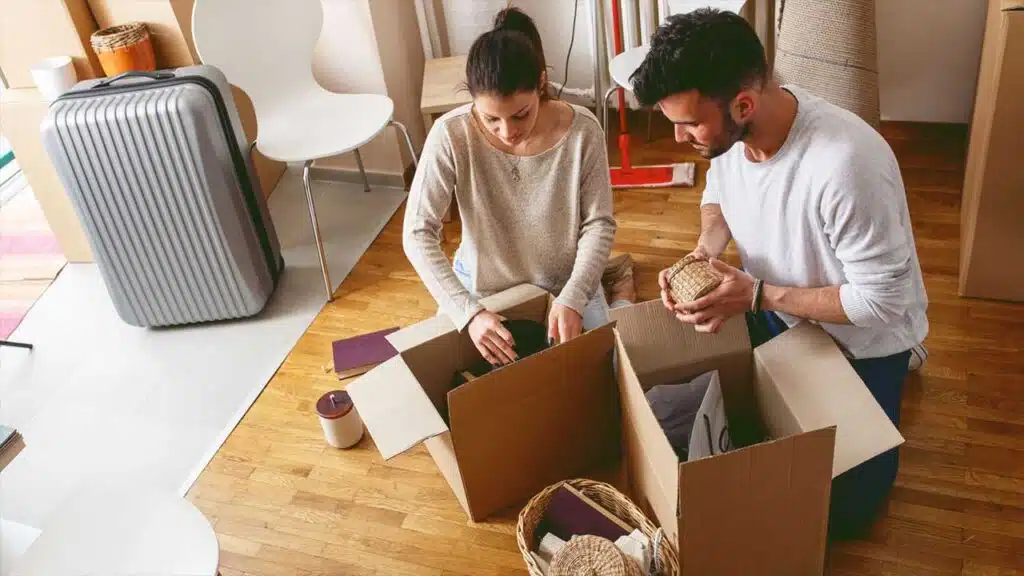
Traditional packing materials like bubble wrap and packing peanuts are not easily recyclable and often end up in landfills. Instead, use what you already have at home, such as towels, linens, comforters, and clothes, to wrap up fragile items.
Newspapers can also be a good option. Consider sustainable alternatives made from seaweed, cornstarch, or mushrooms if you need additional materials. These materials are compostable and biodegradable, making them a more eco-friendly choice.
If you do need to use plastic packing materials, recycle them properly after your move using a site like Recycle Finder to locate drop-off points. This approach helps reduce waste and ensures your packing process is as green as possible.
5. Sell What You Don’t Need
Moving is an excellent opportunity to declutter. Instead of throwing away items you no longer need, consider selling them. There are various online platforms for selling clothes, furniture, electronics, and other items, such as Craigslist, Facebook Marketplace, and specialized consignment websites.
Hosting a pre-move garage sale can also help you eliminate unwanted items while making extra cash. Selling your items reduces waste and gives your belongings a second life.
This allows the environment and benefits others who might need what you no longer use. Plus, the extra income can offset some of your moving expenses.
6. Give Away What You Can’t Sell
For items that you can’t sell, consider donating them. Many charities, including Goodwill, Veterans for America, and local organizations, accept donations of gently used items.
Sorting your belongings into “donate,” “recycle,” and “toss” piles can help ensure that as little as possible ends up in the trash. Donating items helps those in need and keeps usable goods out of landfills.
Additionally, some charities offer free donation pick-up services, making it easy to donate more significant items. This approach is a win-win, as it supports charitable causes and promotes sustainability by reducing waste.
7. Keep Essential Kitchen Items Accessible

Packing the kitchen is often one of the first tasks movers tackle, but this can lead to reliance on disposable plates, cups, and utensils once all your dishes are packed away. To avoid this, leave out just enough kitchen items to get you through the moving process.
This will minimize the need to use non-sustainable meal materials and reduce waste. Keeping a few essentials accessible also makes the transition smoother and more convenient.
By planning your kitchen packing strategically, you can maintain an eco-friendly move and avoid unnecessary waste.
8. Hire a Green Moving Company
Consider hiring a moving company that prioritizes eco-friendly practices. Green moving companies often use trucks that run on biodiesel fuel and offer reusable moving boxes. They can help ensure that your move is as environmentally friendly as possible.
Look for reputable movers through a moving company directory and choose one with a proven sustainability commitment. These companies often have additional green practices, such as recycling packing materials and reducing emissions.
By choosing a green moving company, you can support businesses that prioritize the environment and ensure that your move aligns with your eco-friendly values.
9. Consolidate Your Trips
Make as few trips as possible during your move to minimize fuel consumption and reduce your carbon footprint. Instead of making multiple small trips, pack your car or moving truck as efficiently as possible to transport more items at once.
This not only saves fuel but also reduces the overall environmental impact of your move. Efficient packing can also save you time and reduce stress.
Planning your move to minimize trips helps you stay organized and maximize each journey, contributing to a greener moving process.
10. Recycle Your Moving Supplies

Once your move is complete, don’t simply throw away your moving supplies. Consider offering them to someone else who is moving soon. Posting on social media platforms like Facebook or OfferUp can help you find people who could use your boxes, packing materials, and other supplies.
This extends the life of these materials and helps reduce waste. Recycling or reusing your moving supplies ensures that they do not end up in landfills and promotes a culture of sustainability. By sharing your supplies, you can also help others have a more eco-friendly move.
Summary
Moving to a new home presents a unique opportunity to adopt eco-friendly practices and reduce environmental impact. Planning and making conscious choices can turn a traditionally wasteful process into a green one.
There are numerous ways to make your move more sustainable, from using existing containers and recycled boxes to hiring a green moving company and minimizing trips.
Implementing these tips benefits the planet and can lead to cost savings. Embrace green moving practices for a more environmentally responsible and rewarding relocation experience.