Remodeling your home to enhance comfort and efficiency is essential, but approaching this transformation with sustainability in mind is even better. Embracing eco-friendly home improvements benefits the environment and improves your quality of life.
From air sealing and energy-efficient appliances to solar panels and VOC-free paint, there are numerous ways to make your home more sustainable. These green tips help reduce your carbon footprint and significantly save money over time.
Whether planning a major renovation or just looking to make small changes, incorporating eco-friendly practices can make a big difference.
1. Air Sealing
Air sealing is a crucial practice for new builds and renovations alike. By sealing gaps and cracks in your home, you can prevent air leaks that cause significant energy loss. Proper air sealing ensures that your home remains climate-controlled, reducing energy bills and making your home more comfortable year-round.
This process typically involves inspecting areas around windows, doors, and plumbing fixtures and using caulk or weatherstripping to seal any leaks. Consider a professional blower door test to identify hidden leaks.
With better air sealing, your home can maintain consistent temperatures, which is vital for energy efficiency and comfort.
2. Chemical-Free Products
Many traditional building materials contain harmful chemicals, such as formaldehyde, which can harm health and the environment.
Opting for chemical-free products reduces exposure to these toxins and promotes a healthier living environment. For instance, low-VOC (volatile organic compounds) paints, formaldehyde-free insulation, and natural cleaning products made from ingredients like vinegar and baking soda are excellent choices.
These products can improve indoor air quality and reduce your home’s environmental footprint. This switch is significant in areas like nurseries and children’s rooms, where air quality is paramount.
3. Deconstruction — Not Demolition
Before starting a renovation, consider deconstruction instead of demolition. Deconstruction involves carefully dismantling your home to salvage reusable materials like bricks, cabinets, flooring, and light fixtures.
This eco-friendly and cost-effective approach allows you to reuse materials and reduce waste. By rescuing and repurposing existing materials, you minimize the need for new resources and decrease the volume of waste sent to landfills.
Deconstruction not only benefits the environment but also adds character to your home through the use of unique, reclaimed items.
4. Donate Unwanted Items
If you’re remodeling your home and have unwanted items, consider donating them instead of discarding them. This is an eco-friendly way to clear space in your home while helping others.
Items such as furniture, appliances, and building materials can find new life with someone else. Donating helps those in need, reduces landfill waste, and supports the circular economy.
Many charitable organizations will even pick up items from your home, making it easy to give back. Plus, donations can often be tax-deductible, providing an additional benefit.
5. Energy-Efficient Appliances

Upgrading to energy-efficient appliances is one of the most effective ways to reduce your home’s energy consumption. Modern appliances use significantly less energy than older models, which lowers your utility bills and reduces your carbon footprint.
Look for appliances with the ENERGY STAR label, which signifies high energy efficiency. These appliances save energy and often have advanced features that enhance convenience and performance.
By investing in energy-efficient refrigerators, dishwashers, and washing machines, you can make a substantial impact on your home’s sustainability.
6. Insulation
Proper insulation is essential for maintaining a comfortable indoor temperature and reducing energy use. High-quality insulation minimizes heat loss in the winter and heat gain in the summer.
This leads to lower heating and cooling costs and reduces your carbon footprint. Eco-friendly insulation options include cellulose from recycled paper, wool, and cotton. These materials are not only practical but also sustainable.
Upgrading your insulation can significantly improve your home’s energy efficiency and create a more comfortable living environment. It’s an investment that pays off in energy savings and environmental benefits.
7. Green Cleaners
Using green cleaning products is a simple yet impactful way to make your home more eco-friendly. Green cleaners are made from natural ingredients and are free from harsh chemicals.
You can even create cleaning solutions using everyday items like vinegar and baking soda. These cleaners effectively maintain a clean home without compromising indoor air quality or harming the environment.
Green cleaners are especially beneficial for families with children or pets, as they reduce exposure to toxic substances. Switching to green cleaners is an easy step towards a healthier, more sustainable home.
8. Water Conservation
Water conservation is an essential aspect of green living. Simple changes in water usage can make a big difference. Installing low-flow faucets and showerheads, using a rain barrel to collect water for gardening, and fixing leaks promptly can significantly reduce water consumption.
Additionally, practices like turning off the tap while brushing your teeth can save gallons of water annually. Water conservation helps protect this vital resource and reduces your water bills.
By being mindful of water use and implementing these strategies, you can make your home more eco-friendly and cost-effective.
9. Low-Flow Toilets
Toilets account for a significant portion of household water use. Replacing old toilets with low-flow models can drastically reduce water consumption. Low-flow toilets use less than 1.6 gallons per flush, compared to older models that use up to 7 gallons.
This simple upgrade can save thousands of gallons of water annually, substantially impacting your home’s water efficiency.
Low-flow toilets are available at most hardware stores and are priced comparably to standard models. This switch is an easy and effective way to enhance your home’s sustainability.
10. Low Maintenance, Long-Lasting Materials
Choosing durable, low-maintenance materials for your home reduces the need for frequent replacements and repairs, saving resources and money. Materials like composite decking made from recycled materials, metal roofing, and high-quality stone or ceramic tiles are excellent choices.
These materials are designed to withstand the elements and require minimal upkeep, making them cost-effective and environmentally friendly.
Investing in long-lasting materials reduces waste and ensures your home remains functional and attractive for years. This approach benefits the environment and enhances your home’s value and longevity.
11. Programmable Thermostat
A programmable thermostat helps optimize your home’s heating and cooling, reducing energy waste. These thermostats can be set to adjust the temperature based on your schedule, ensuring that energy isn’t wasted when you’re not home.
Smart thermostats, like those offered by Nest, can even learn your habits and adjust settings automatically. On average, programmable thermostats can save homeowners up to 10% on their energy costs.
They are easy to install and can be controlled remotely via smartphone apps. This small investment can yield significant energy savings and a more eco-friendly home.
12. Solar and Renewable Energy
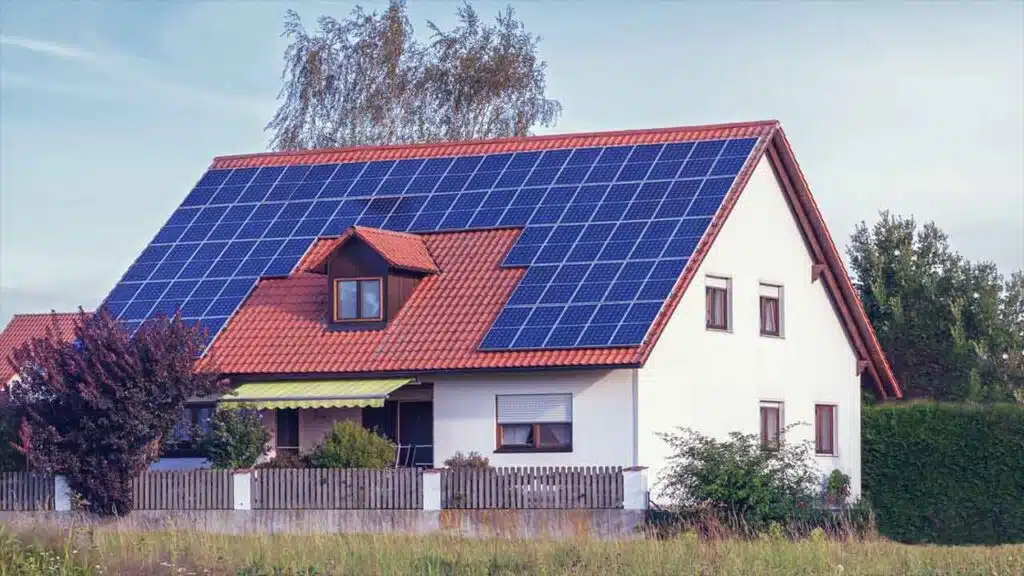
Investing in renewable energy sources, like solar panels, is one of the most effective ways to make your home eco-friendly. Solar energy reduces reliance on fossil fuels and lowers electricity bills.
Solar panels can be installed on rooftops or in yards, and many governments offer incentives and rebates to offset the initial costs. In addition to solar panels, consider solar water heaters and solar-powered generators.
These renewable energy solutions reduce your carbon footprint and provide long-term savings on energy costs. Embracing renewable energy is a significant step towards a sustainable lifestyle.
13. Ventilation
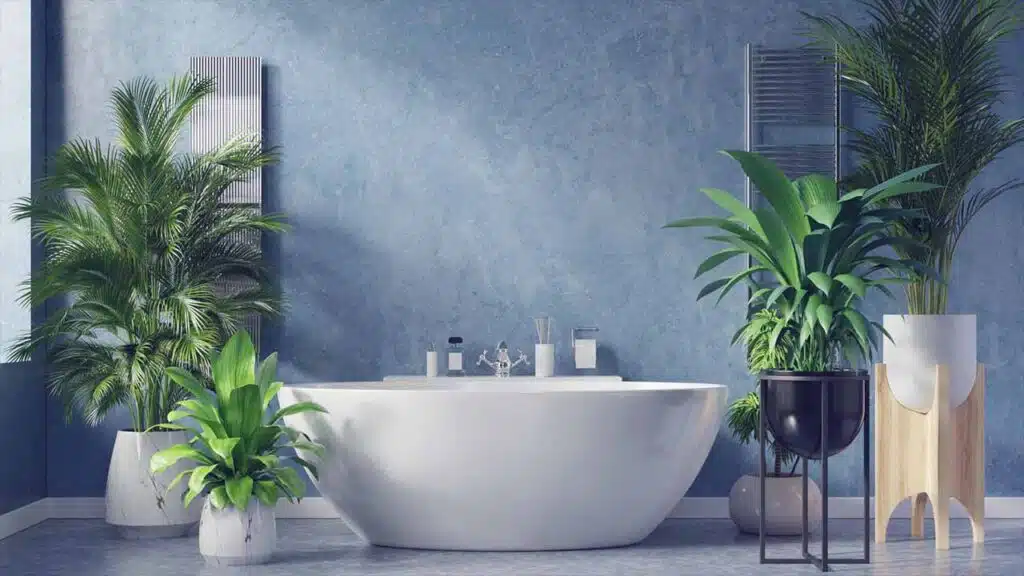
Proper ventilation is essential for maintaining indoor air quality and energy efficiency. Natural ventilation reduces the need for mechanical systems and ensures a fresh, healthy living environment.
Installing windows on opposite walls to create cross-ventilation, using exhaust fans in kitchens and bathrooms, and incorporating skylights or roof vents are effective strategies.
Natural ventilation helps remove pollutants, moisture, and odors from your home, improving overall air quality. Enhancing ventilation creates a healthier living space while reducing the energy needed for air conditioning and heating.
14. VOC-Free Paint
Traditional paints can emit volatile organic compounds (VOCs), which harm health and the environment. VOC-free paints are a safer alternative, especially for indoor use.
These paints are made without the toxic chemicals found in conventional paints, making them a healthier choice for your home.
VOC-free paints are ideal for children’s rooms, nurseries, and high-occupancy areas. They help improve indoor air quality and reduce the environmental impact of your home improvement projects. Choosing VOC-free paint is a simple yet impactful way to make your home more eco-friendly.
Wrap up
Incorporating eco-friendly home improvements can significantly reduce environmental impact and create a healthier living space. Whether you’re making small changes like switching to green cleaners or investing in significant upgrades like solar panels, every effort counts.
Sustainable Design can provide expert advice and solutions for making your home more eco-friendly. By following these green tips, you can enjoy a more sustainable and comfortable home while contributing to a healthier planet.
Embrace the opportunity to transform your living space into an eco-friendly haven, benefiting your wallet and the environment.