In architecture and interior design, sustainability has become increasingly paramount. As society collectively gravitates towards more eco-conscious practices, the significance of materials that endure and contribute to sustainable living has surged.
Amidst this landscape, natural stone is a timeless choice that seamlessly integrates sustainability with elegance. That’s why you should look for a trusted local natural stone supplier in your area. In this exploration, we delve into the multifaceted relationship between natural stone and sustainable design, uncovering how this ancient material continues to elevate modern architectural practices.
Embracing Timelessness
Natural stone, forged over millennia by geological processes, embodies a sense of permanence and timelessness that few materials can rival. Each slab or tile tells a story of the Earth’s evolution, showcasing unparalleled patterns, textures, and colours. This inherent beauty ensures that structures adorned with natural stone possess an enduring aesthetic appeal, transcending fleeting design trends and fostering a connection with the natural world.
Environmental Responsibility
At the core of sustainable design lies a commitment to minimising environmental impact throughout a material’s lifecycle. Natural stone aligns seamlessly with this ethos, as its extraction, processing, and disposal entail minimal ecological degradation compared to many synthetic alternatives.
Moreover, advancements in quarrying techniques and increased emphasis on responsible sourcing have further mitigated the environmental footprint of natural stone, ensuring that its utilisation remains in harmony with ecological preservation efforts.
Durability and Longevity
One of natural stone’s most compelling attributes is its exceptional durability and longevity. Unlike synthetic materials that degrade over time, natural stone possesses inherent strength and resilience, capable of withstanding the test of time and enduring harsh environmental conditions.
By choosing natural stone for architectural and interior applications, designers can significantly extend the lifespan of structures, thereby reducing the need for frequent renovations or replacements—a fundamental tenet of sustainable design.
Thermal Mass and Energy Efficiency
Natural stone’s high thermal mass properties make it an invaluable asset in enhancing the energy efficiency of buildings. Due to its density, natural stone can absorb and store heat energy, effectively moderating indoor temperatures and reducing reliance on mechanical heating and cooling systems.
As a result, structures incorporating natural stone often exhibit improved energy performance, leading to decreased energy consumption and lower carbon emissions—an essential consideration in pursuing sustainable architecture.
Versatility and Adaptability
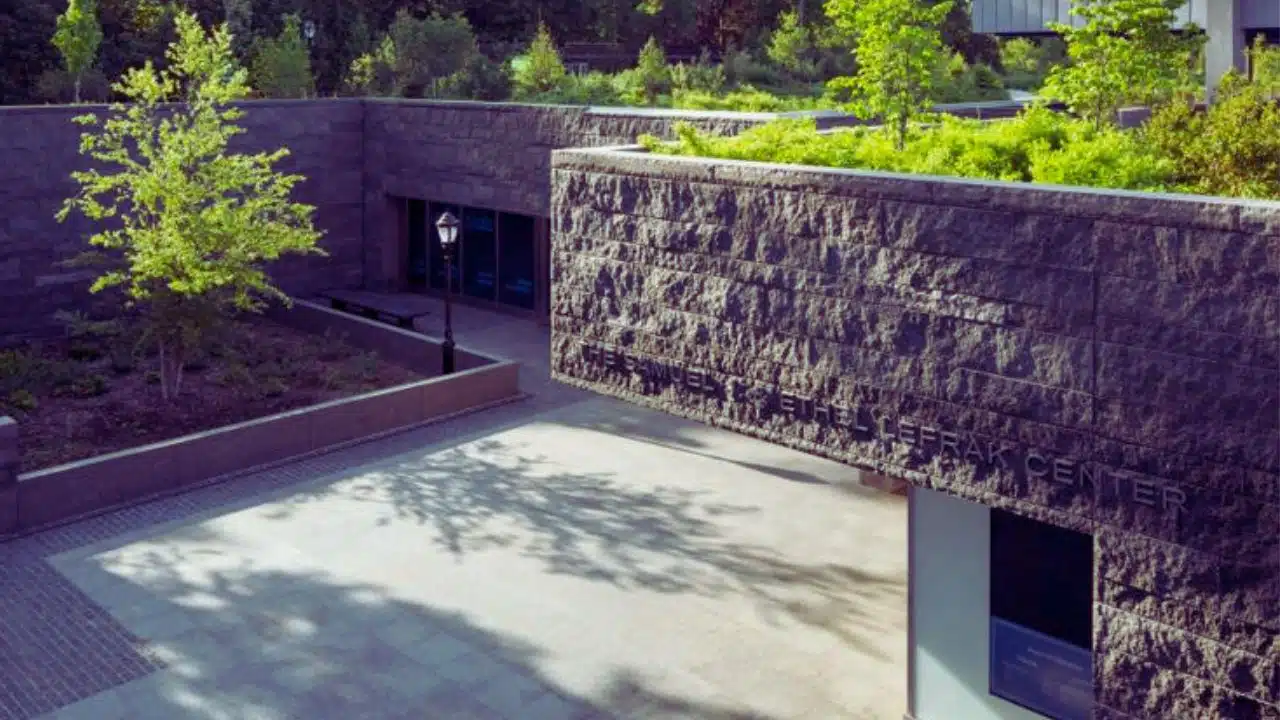
Contrary to popular perception, natural stone offers remarkable versatility and adaptability, capable of complementing a wide array of architectural styles and design preferences. From marble’s sleek elegance to granite’s rugged charm, natural stone encompasses a diverse spectrum of options, each with its unique aesthetic and functional properties.
Whether employed as cladding, flooring, countertops, or decorative elements, natural stone lends an air of sophistication and timelessness to any space while contributing to sustainable design principles.
Local Sourcing and Regional Identity
In recent years, a growing emphasis has been on promoting local sourcing and celebrating regional identity within sustainable design. Natural stone plays a pivotal role in this regard, as its availability varies significantly based on geographical location, resulting in the emergence of distinct regional styles and traditions.
By prioritising locally sourced natural stone, designers can minimise transportation-related emissions, support local economies, and imbue their projects with a sense of place—a vital aspect of creating sustainable and culturally resonant spaces.
Advances in Natural Stone Technology
While natural stone has long been revered for its timeless beauty and durability, recent technological advancements have expanded its potential even further. Innovations in quarrying, fabrication, and installation techniques have enhanced the efficiency and precision of working with natural stone and contributed to its sustainability credentials.
Modern quarrying practices prioritise minimising environmental impact through water recycling, dust suppression, and land reclamation. Additionally, advancements in diamond wire sawing and computer-controlled cutting machinery have optimised the extraction process, reducing waste and increasing yield from stone quarries.
In the realm of fabrication, cutting-edge technologies such as waterjet and CNC (Computer Numerical Control) machining enable intricate detailing and customisation with minimal material waste. This precision craftsmanship enhances the aesthetic appeal of natural stone and maximises resource efficiency—a crucial aspect of sustainable design.
Furthermore, innovations in installation methods, such as dry stone cladding systems and thin stone veneers, offer lightweight and efficient alternatives to traditional installation techniques. These systems minimise material usage, transportation costs, and labour requirements, reducing the environmental footprint associated with natural stone applications.
Circular Economy and Material Reuse
In line with the principles of the circular economy, the reuse and repurposing of materials have gained prominence as strategies for minimising waste and conserving resources. Natural stone lends itself well to this ethos, as its durability and timeless appeal make it eminently suitable for reuse in future projects.
Architectural salvage yards and reclaimed stone suppliers offer many options for designers to incorporate reclaimed natural stone into their projects. Salvaged stone elements, such as reclaimed cobblestones, antique columns, and historic facades, not only imbue spaces with character and authenticity but also contribute to preserving cultural heritage—a testament to the enduring legacy of natural stone in sustainable design.
Biophilic Design and Connection to Nature
Biophilic design, which seeks to foster a deep connection between occupants and the natural environment, has become an essential strategy for promoting health and well-being in built environments. Natural stone plays a pivotal role in biophilic design, serving as a tangible link to the natural world and evoking feelings of tranquillity and harmony.
Whether using raw stone finishes, organic shapes, or naturalistic patterns, incorporating natural stone into interior spaces can evoke a sense of grounding and connection to nature—an essential component of human flourishing. By integrating natural elements into the built environment, designers can create spaces that resonate profoundly emotionally with occupants, enhancing their overall well-being and satisfaction.
Conclusion
In the quest for sustainable design solutions, natural stone emerges as a compelling choice that transcends mere aesthetics, embodying a harmonious synthesis of durability, elegance, and environmental responsibility. From its timeless beauty to its innate durability and thermal performance, natural stone offers many benefits that elevate architectural and interior design to new heights. By harnessing the enduring allure of natural stone, designers can create spaces that not only captivate the senses but also embody a profound commitment to sustainability. This enduring legacy resonates with both present and future generations.