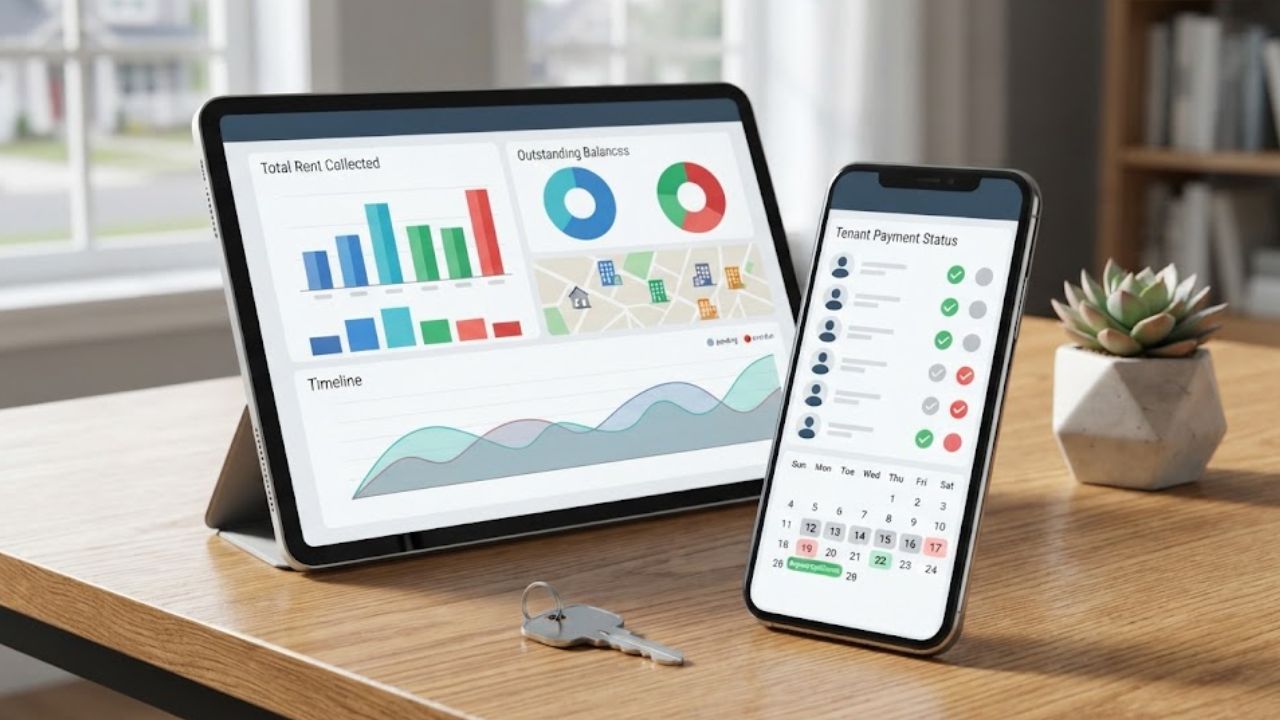
The adoption of Software as a Service (SaaS) has surged as businesses move away from traditional on-premises software. With SaaS, companies can access powerful tools via the cloud without managing complex infrastructures, which improves efficiency, cuts costs, and allows greater flexibility.
However, SaaS’s accessibility and widespread use also mean organizations must prioritize robust security measures. With cyber threats evolving rapidly, SaaS platforms face various security risks, from data breaches to insider threats.
In this article, we explore ten common SaaS security risks and provide comprehensive strategies for mitigating them, allowing businesses to protect sensitive data, maintain compliance, and ensure operational continuity.
1. Data Breaches
Data breaches occur when unauthorized parties gain access to sensitive information. Such incidents can lead to significant financial losses, reputational damage, regulatory fines, and even loss of customer trust. Weak access controls, unpatched software vulnerabilities, or social engineering attacks targeting user credentials often cause SaaS data breaches.
Mitigation Strategy
- Data Encryption: Encrypt data at rest (stored data) and in transit (data being transferred) to protect sensitive information even if a breach occurs.
- Access Controls: Apply stringent access control measures, such as role-based access control (RBAC), to limit access based on job roles.
- Security Audits and Testing: Regularly conduct security audits and penetration tests to identify and fix vulnerabilities in the SaaS platform.
- Anomaly Detection: Use behavior-based monitoring to identify and respond to unusual activity, which could indicate a breach in progress.
Real-World Example
In 2019, a major social media platform experienced a data breach that exposed millions of records due to insufficient access controls. Implementing multi-layered encryption and anomaly detection could have mitigated this risk.
SaaS platforms often face the risk of unauthorized access, especially when users fail to verify their identity or compromise their login credentials. Unauthorized users gaining access to SaaS applications can lead to sensitive data exposure or malicious actions within the system.
Mitigation Strategy
- Multi-Factor Authentication (MFA): Requiring MFA significantly reduces unauthorized access by adding an extra layer of identity verification.
- Single Sign-On (SSO): Centralized identity management using SSO helps streamline authentication while enhancing security, particularly for large organizations with multiple SaaS applications.
- Session Management: Monitor and manage user sessions, especially for high-privilege accounts, to detect and respond to suspicious logins or session hijacking.
Advanced Measures
- Time-Based Access Control: Limit access to sensitive data only during certain hours, making it harder for unauthorized parties to access information outside of business hours.
3. Lack of Data Encryption
Data encryption is a critical security measure. Without it, data stored or transmitted across the internet is vulnerable to interception or unauthorized access. Transfers between a user’s device and the SaaS application or storage within cloud databases can expose unencrypted data.
Mitigation Strategy
- End-to-End Encryption: Encrypt data from the point of entry (user’s device) to the final storage location to ensure that it remains protected.
- TLS (Transport Layer Security): Always enable TLS for data in transit, which secures data as it travels over networks.
- Key Management: Use a secure key management solution to protect and store encryption keys, preventing unauthorized decryption of sensitive data.
Industry Insight
Research shows that a lack of encryption at rest and in transit is responsible for a significant percentage of data breaches. According to a report from IBM, encrypting data can reduce breach-related costs by nearly $400,000.
4. Insider Threats

Insider threats are a risk in any environment but can be particularly challenging in SaaS, where users access cloud-based resources. Insider threats may be malicious (e.g., disgruntled employees) or accidental (e.g., unintentional data exposure).
Mitigation Strategy
- User Activity Monitoring: Track user actions within the SaaS platform and set up alerts for unusual behavior.
- The Principle of Least Privilege (PoLP): Grant users only the minimum permissions necessary for their roles to reduce the chance of accidental or intentional misuse of privileges.
- Employee Security Training: Educate employees on data security, including recognizing phishing attempts, social engineering, and best practices for managing sensitive information.
Example Scenario
A financial institution experienced significant data loss when an employee accidentally shared sensitive information. Implementing PoLP and ongoing training could have minimized this risk.
5. Insufficient Identity and Access Management (IAM)
Weak IAM practices can create vulnerabilities by allowing unauthorized access to SaaS applications. Without adequate IAM policies, companies risk exposure to external and internal threats that can lead to data theft and compromised systems.
Mitigation Strategy
- Role-Based Access Control (RBAC): Implement RBAC to assign access based on job responsibilities, preventing over-privileged access.
- Regular Access Reviews: Periodically review user access levels to ensure permissions align with current job roles and responsibilities.
- Identity Verification: Integrate identity verification tools to validate user identities before granting access to critical systems.
Advanced Tips
Using adaptive authentication can further enhance security by assessing user behavior patterns and adjusting access permissions based on risk levels.
6. Misconfigured Settings
Misconfigured SaaS settings are one of the most common sources of data exposure. Common misconfigurations include open permissions, unsecured databases, and incorrect user roles, all of which increase the likelihood of data breaches and unauthorized access.
Mitigation Strategy
- Configuration Audits: Regularly audit configurations to ensure they align with best security practices and organizational policies.
- Automation Tools: Use tools like AWS Config or Azure Security Center to identify and correct misconfigurations in real-time.
- Least Privilege Permissions: Only grant permissions essential to user roles and restrict access to sensitive data or features unless necessary.
Noteworthy Example
A cloud storage misconfiguration in 2019 exposed millions of unprotected files. Regular audits and automated checks could have helped prevent this incident.
7. Vulnerabilities in API Integrations
APIs are integral to many SaaS applications, enabling integrations with other software and systems. However, exploitation of poorly secured or outdated APIs can grant unauthorized access to sensitive data or create pathways for attacks.
Mitigation Strategy
- Secure API Frameworks: Follow industry standards for API security, including OpenAPI or RESTful guidelines.
- Token-Based Authentication: Use token-based authentication, such as OAuth, to verify API requests and limit access.
- Rate Limiting and Throttling: Limit the number of API requests to prevent abuse, which can also help prevent DDoS attacks.
Additional Measures
Monitor all API activities and log data to detect potential security issues early, enabling faster incident response.
Conclusion
The transition to SaaS has brought countless advantages but also unique security challenges. Understanding and addressing common SaaS security risks, such as data breaches, unauthorized access, and insider threats, allows organizations to operate safely in the cloud.
Mitigating these risks requires a proactive approach with robust security practices, regular audits, employee training, and continuous monitoring. With these measures, businesses can enjoy the benefits of SaaS while keeping sensitive information secure.