Are you thinking of hiring a logo designer who can help you create an eye-pleasing business logo? Yes? Well, there are so many logo design services provider on the web. And selecting the right one may seem a bit challenging to you.
One thing you will notice in business logos of great brands
Your business logo creates a significant impact on your brand so you can’t afford to compromise on quality. Note that there are repercussions of a bad logo design. It will not only create an inferior image of your brand, but will also create a perception that your products/services are of poor quality.
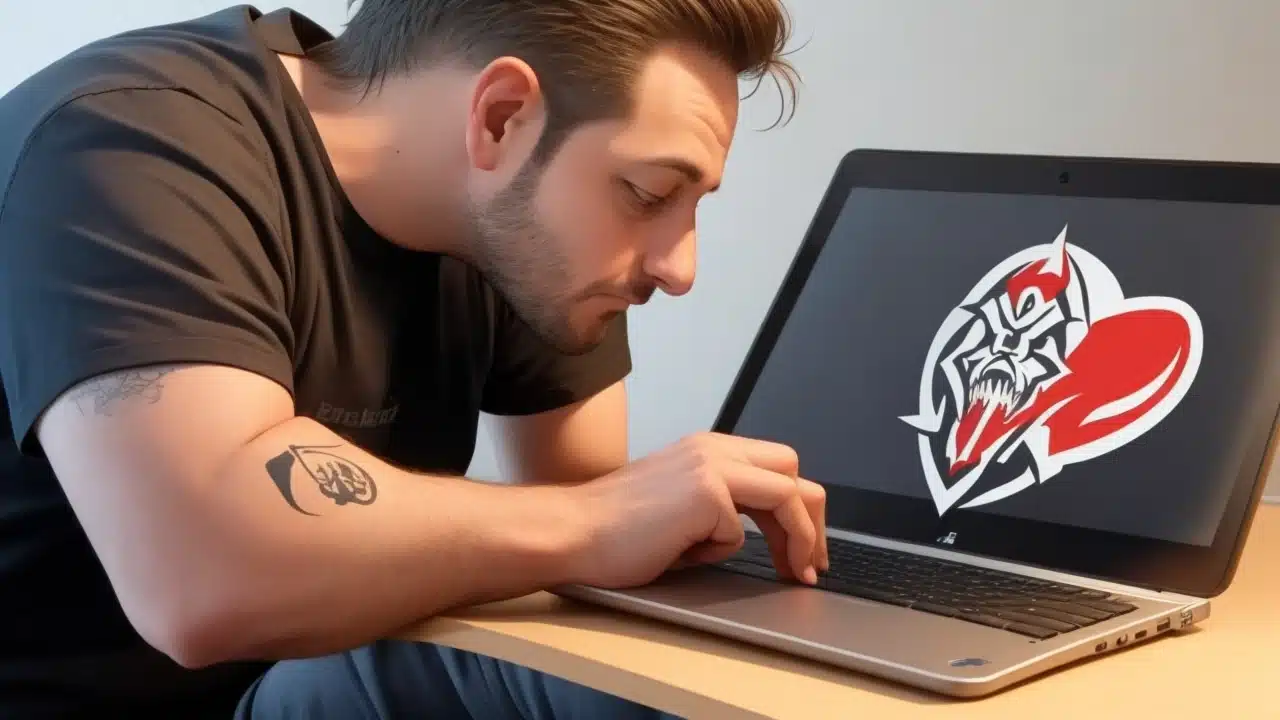
Another problem is, a bad logo will deliver the wrong message to your audience. As a result, it can even lead to your brand being disliked.
Therefore, the best thing you can do is, do some research and find the professional logo designer. The amount you spend on logo designing is worth it.
It’s okay if you don’t have design knowledge, and don’t need to learn it either. However, there are several things you need to consider before hiring a logo designer. With so many options available today, you might be having a hard time finding a reliable designer.
Well, let’s talk about some points to consider when hiring a logo designer:
1. Look at Their Portfolio
A designer’s portfolio is like their professional resume. It showcases their past work, style, and range. When evaluating a logo designer, carefully examine their portfolio to get a sense of their design aesthetics and capabilities. Look for diversity in their work; it’s essential that they can adapt to various styles and industries. Pay attention to the following:
- Quality: Assess the overall quality of their work. Do the logos look polished and professional?
- Relevance: Check if they have experience in your industry or with businesses similar to yours.
- Consistency: Look for a consistent level of quality across different projects. Consistency is a sign of reliability.
2. Analyze Their Creative Abilities
Creativity is a fundamental trait of a good logo designer. Analyze their ability to come up with fresh and original ideas. Ask questions about their creative process, such as how they brainstorm concepts and how they handle revisions.
Also know the fact that you don’t want your logo to be bloated with complex ideas or design elements. It needs to be simple yet creative. A creative logo designer should be able to:
- Think Uniquely: Create logos that stand out and aren’t generic or cliché.
- Problem-Solve: Address design challenges and find innovative solutions.
- Adapt: Tailor their creativity to your specific brand needs and goals.
3. Understand Different Types of Logos
Different types of logos serve different purposes. Understand the options available and discuss with the designer which type is most suitable for your brand. Here are different types of logos you need to know about:
Wordmark
A wordmark logo focuses primarily on the brand’s name, typically using custom typography (font) to create a unique visual identity.
- When to Use: Wordmarks are ideal when your brand name is distinct and memorable. They can help reinforce your brand’s name in the minds of your audience.
- Examples: Google, Coca-Cola, Disney
Symbol (Icon) Logo
Symbol logos rely on a unique graphic element or symbol that represents the brand. They often work well without the company name, making them highly recognizable.
- When to Use: Symbol logos are suitable when you want a strong visual representation that can transcend language barriers. They work especially well for global brands.
- Examples: Apple, Nike, Twitter
Combination Mark
Combination marks combine a wordmark with a symbol or icon. This approach offers flexibility, allowing the brand to use both elements together or separately.
- When to Use: Combination marks are versatile and work for many types of businesses. They provide the best of both worlds by combining brand name recognition with a memorable symbol.
- Examples: McDonald’s, FedEx, Starbucks
Emblem Logo
Emblem logos consist of a symbol or icon enclosed within a shape or border. They often convey a sense of tradition and authority.
- When to Use: Emblems are popular for government organizations, schools, and businesses with a historical or prestigious image.
- Examples: Harley-Davidson, BMW, Starbucks (older version)
Abstract Mark Logo
Abstract mark logos use abstract shapes or forms to represent the brand. They are highly creative and open to interpretation.
- When to Use: Abstract mark logos are suitable for brands that want to convey a sense of creativity, innovation, or uniqueness.
- Examples: Pepsi, Airbnb, Chase Bank
Mascot Logo
Mascot logos feature a character or figure as the brand’s representative. These logos are often fun and personable.
- When to Use: Mascot logos are effective for businesses targeting a younger audience or those aiming to create a friendly, approachable brand image.
- Examples: KFC’s Colonel Sanders, Michelin Man, Tony the Tiger (Kellogg’s)
A skilled designer will guide you in selecting the type that aligns best with your brand identity.
4. Set a Project Timeline
Time is of the essence when creating a logo, especially if you have launch or marketing deadlines. Work with the designer to establish a project timeline that includes milestones and deadlines for each phase of the design process. A clear timeline ensures that both parties are accountable and that the project progresses smoothly.
5. Specify Your Requirements & Preferences
Effective communication is key to a successful logo design. Clearly articulate your brand’s identity, values, and target audience to the designer. Share any specific design elements you want to see in the logo, such as color schemes, imagery, or themes. The more detailed your brief, the better the designer can understand and execute your vision.
6. Check Reviews
Before committing to a designer, research their reputation and credibility. Read reviews and testimonials from previous clients to gauge their professionalism, responsiveness, and ability to meet deadlines. Positive feedback from past clients is a reassuring sign that you’re working with a reputable designer.
7. Know the Design Process
Understanding the designer’s process is crucial for a harmonious working relationship. Ask about their step-by-step approach, including how they gather initial ideas, develop concepts, and handle revisions. A structured design process ensures transparency and accountability throughout the project.
8. Make Them Understand Your Brand and Audience
A logo should resonate with your target audience and encapsulate your brand’s essence. Provide the designer with comprehensive information about your business, including:
- Brand Values: What your company stands for and its mission.
- Target Audience: Demographics, preferences, and behaviors of your ideal customers.
- Competitors: Insights into your industry and what sets you apart.
The more the designer knows about your brand and audience, the more effective the logo will be in conveying your message.
9. Cost
Make sure to discuss the cost of the logo design in advance. Different designers have varied pricing structures. It depends so much on whether you hire an expert agency or a freelancer. Inquire about what the cost includes, such as the number of design concepts, revisions, and the final deliverables. Understanding the pricing details helps you budget effectively and avoid unexpected expenses.
10. Ask About Deliverables
Clarify what you will receive once the logo design is complete. Typical deliverables include:
- Final Logo Files: In various formats suitable for different applications (e.g., PNG, vector files).
- Color Codes: Hex, RGB, or CMYK values for consistent branding.
- Brand Guidelines: Instructions on logo usage, spacing, and typography for maintaining a consistent brand identity.
Having a clear understanding of the deliverables ensures that you have everything you need to effectively use and promote your new logo.
Options Available For Creatiing A Logo
When it comes to creating a business logo, there are several options available:
- Design agency: The best and recommended way to get your brand logo designed is via a design agency. The main benefit of hiring a design agency is professional expertise. Design agencies have a wealth of experience in crafting logos for a wide range of clients. As a result, you can expect quality design with attention to detail, when working with a design agency.
- Freelance designer: Hiring a freelance designer can also be a good idea when looking for professional services, but at an affordable rates. The major benefit of hiring a freelancer is cost flexibility. Freelance designers often offer a range of pricing options, making it possible to find a designer who fits your budget.
- DIY (do it yourself): If you are on a tight budget and/or want to get a complete creative control, designing a logo your own can be a good idea. With cost being the main advantage, DIY has many limitations like learning curve, limitations in terms of design complexity.
Wondering which one is the best? Well, there’s no direct answer to this because it’s highly based on your budget, design preferences, the level of expertise you require, and so on.
Regardless of which option you select, the ultimate goal is to create a logo that resonates with the audience.
Selecting the right logo designer is an important decision for you. The considerations we shared above will help you make an informed choice.