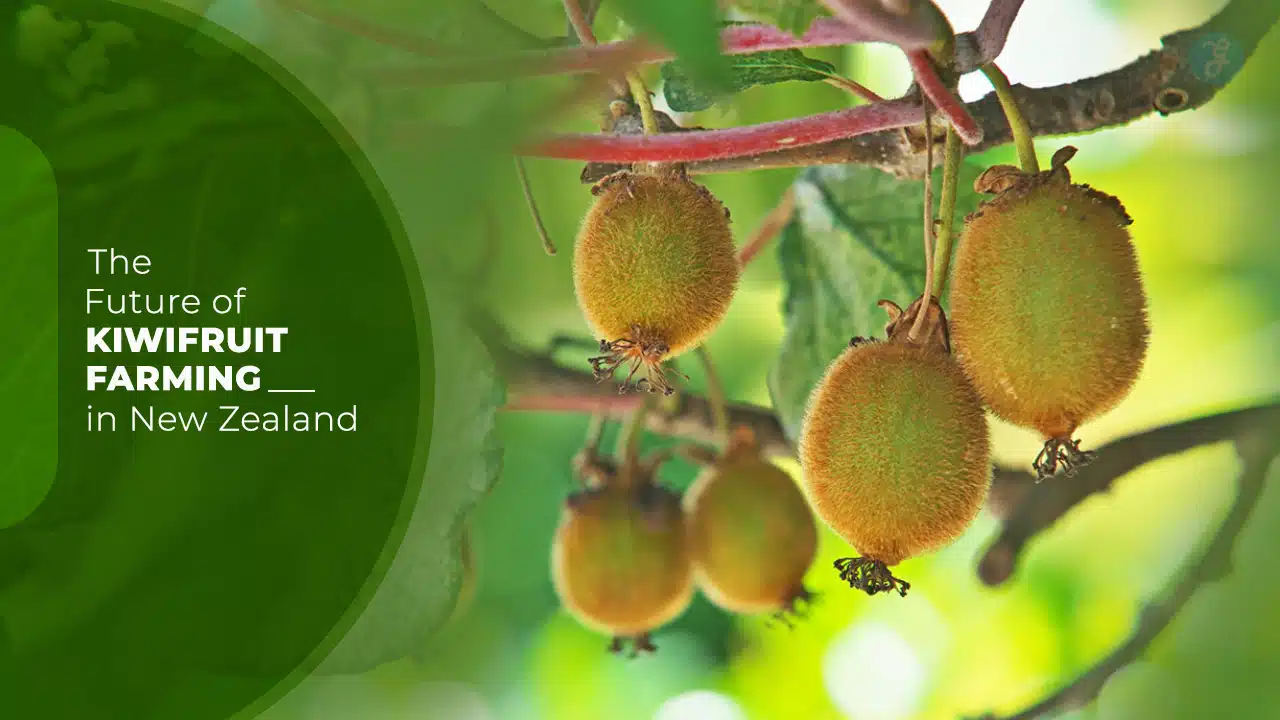
Kiwifruit farming has long been a cornerstone of New Zealand’s agricultural industry, earning the country a reputation as a global leader in the production and export of this nutrient-packed fruit.
The sector’s growth is a testament to its innovation and adaptability. As global trends shift toward sustainability, technological integration, and diversification, the future of kiwifruit farming in New Zealand offers exciting opportunities and challenges.
This article delves into emerging trends, challenges, and potential pathways for growth, ensuring the nation’s position as a global kiwifruit powerhouse.
Overview of Kiwifruit Farming in New Zealand
Kiwifruit, originally known as the Chinese gooseberry, found its way to New Zealand in the early 20th century.
The fruit’s introduction to international markets during the 1950s marked the beginning of its transformation into a global commodity.
Over the years, advancements in cultivation methods and marketing strategies helped New Zealand establish itself as the leading exporter of premium kiwifruit.
Today, the industry’s success is built on decades of dedication to quality and innovation, positioning New Zealand as a pioneer in kiwifruit farming.
Current Economic Impact
Kiwifruit farming contributes significantly to New Zealand’s GDP, generating approximately NZD 2 billion annually in export revenue.
The Bay of Plenty remains the heart of production, responsible for nearly 80% of the nation’s output.
The industry supports over 15,000 jobs across farming, packaging, and logistics, making it a vital pillar of New Zealand’s economy.
| Key Metrics of Kiwifruit Farming | Value |
| Annual Export Revenue | NZD 2 billion |
| Contribution to Global Kiwifruit Market | 33% |
| Regional Production (Bay of Plenty) | 80% |
| Employment Generated | Over 15,000 jobs |
Emerging Trends in Kiwifruit Farming
Sustainable Farming Practices
Sustainability is a cornerstone of the future of kiwifruit farming in New Zealand. Farmers are prioritizing eco-friendly practices, including minimizing chemical inputs, using renewable energy, and focusing on soil health.
Techniques like planting cover crops, composting, and using biological pest controls are increasingly common.
These efforts not only improve environmental outcomes but also align with growing consumer demand for sustainably produced goods.
Practical initiatives include water recycling systems, solar-powered irrigation, and adopting regenerative agriculture to enhance biodiversity.
| Sustainable Practices | Benefits |
| Organic Farming | Higher market value, reduced chemicals |
| Renewable Energy (e.g., solar) | Lower energy costs, reduced carbon footprint |
| Biological Pest Control | Eco-friendly alternative to pesticides |
| Regenerative Agriculture Techniques | Enhanced soil fertility and resilience |
Technological Innovations

Technological advancements are reshaping how kiwifruit is cultivated. Precision agriculture tools, such as drones and IoT sensors, offer real-time data on soil health, irrigation needs, and pest activity.
These tools enable farmers to make data-driven decisions, optimizing yields and reducing resource waste.
Automated harvesting machines and AI-based forecasting tools are further streamlining operations, ensuring the industry stays competitive.
Practical Example: A farm in the Bay of Plenty integrated IoT sensors across its orchards, resulting in a 30% reduction in water usage and a 20% increase in yield consistency.
| Technology | Application | Impact |
| IoT Sensors | Monitor soil moisture, pest activity | Efficient irrigation, reduced waste |
| Drones | Crop health analysis | Faster data collection, targeted care |
| Automated Harvesters | Mechanical fruit picking | Reduced labor costs, consistent harvest |
Diversification of Kiwifruit Varieties
To meet changing consumer tastes, New Zealand’s kiwifruit growers are diversifying their offerings. Golden kiwifruit, known for its sweet flavor and high vitamin C content, has gained immense popularity.
Red kiwifruit, a relatively new entrant, is carving out a niche for its vibrant color and unique taste.
This diversification strategy helps growers tap into new markets and cater to health-conscious consumers.
Additionally, low-sugar and high-antioxidant varieties are being developed to address specific health trends.
| Kiwifruit Variety | Features | Market Appeal |
| Green | Tangy flavor, high fiber | Traditional choice, widely recognized |
| Gold | Sweet, rich in vitamin C | Premium market, growing demand |
| Red | Sweet-tart, visually striking | Emerging markets, niche appeal |
| Low-Sugar | Reduced sugar content | Health-conscious consumers |
Challenges Facing the Industry
Climate Change and Weather Uncertainty
The unpredictable effects of climate change, including extreme weather events and shifting rainfall patterns, pose serious risks to the future of kiwifruit farming in New Zealand.
These changes can lead to reduced yields, increased pest pressures, and altered growing seasons.
Farmers are addressing these challenges by investing in water-efficient irrigation systems, protective canopy structures, and climate-resilient kiwifruit varieties.
| Climate Challenges | Adaptation Strategies |
| Increased Droughts | Drip irrigation, drought-tolerant varieties |
| Heavy Rainfall Events | Drainage systems, canopy structures |
| Rising Temperatures | Shade nets, breeding for heat tolerance |
Labour Shortages and Automation
A shrinking pool of seasonal workers is driving the adoption of automation in the kiwifruit industry.
Robotic harvesters and automated sorting systems are being implemented to address labor shortages.
While initial investment costs are high, these technologies offer long-term cost savings and efficiency gains.
| Automation Technologies | Role in Kiwifruit Farming |
| Robotic Harvesters | Automated picking of fruits |
| Smart Sorting Machines | Efficient grading and packaging |
| AI-Powered Forecasting | Yield prediction and pest risk assessment |
Market Competition and Export Challenges

Countries like Italy, Greece, and Chile are increasing their presence in the global kiwifruit market. To maintain its competitive edge, New Zealand’s industry must focus on quality, innovation, and branding. Overcoming trade barriers and navigating complex international regulations remain critical challenges.
| Competitive Threats | Response Strategies |
| Increased Global Production | Focus on premium quality, branding efforts |
| Tariffs and Trade Barriers | Lobbying for fair trade agreements |
| Consumer Trends | Innovation in packaging and product variety |
Opportunities for Growth in Kiwifruit Farming
Expansion into New Markets
Growing demand in regions like Asia and the Middle East presents significant opportunities for the future of kiwifruit farming in New Zealand.
Customized marketing campaigns emphasizing the health benefits and superior quality of New Zealand kiwifruit can help capture these emerging markets.
Leveraging e-commerce platforms to reach international consumers directly is also gaining traction.
Collaboration with Research Institutes
Collaborations with research institutions are key to driving innovation. Recent breakthroughs in kiwifruit genetics have resulted in varieties resistant to diseases and better suited for varying climates.
These partnerships ensure that New Zealand remains at the forefront of agricultural innovation.
| Research Collaboration Areas | Benefits |
| Disease Resistance | Lower crop loss, higher yields |
| Climate Adaptation | Resilience against extreme weather |
| Nutritional Improvements | Higher consumer appeal, health benefits |
Focus on Agri-Tourism
Agri-tourism is an emerging avenue for kiwifruit farmers. Offering farm tours, tasting sessions, and educational experiences allows farmers to diversify income while enhancing consumer engagement. Popular regions like the Bay of Plenty have already begun leveraging this opportunity.
| Agri-Tourism Activities | Impact |
| Orchard Tours | Consumer education, additional income |
| Tasting Sessions | Brand loyalty, experiential marketing |
| Farm Stays | Promotes sustainable tourism |
Government Policies and Support for Farmers
Subsidies and Incentives
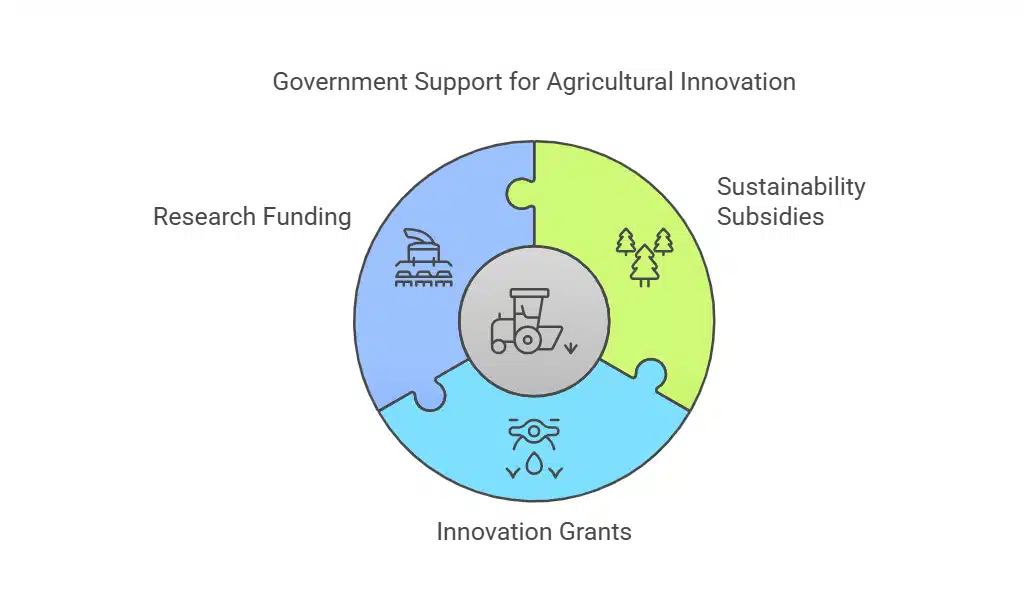
The New Zealand government provides various subsidies aimed at promoting sustainable farming and technological innovation.
These programs help offset the cost of adopting eco-friendly practices and advanced tools.
Research and Development Grants
Government grants enable farmers to participate in cutting-edge research, fostering advancements in crop resilience, pest management, and sustainable practices.
These grants are crucial for ensuring the long-term viability of the industry.
| Government Support Programs | Purpose |
| Sustainability Subsidies | Support eco-friendly practices |
| Innovation Grants | Encourage technological advancements |
| Research Funding | Drive breakthroughs in farming techniques |
Case Studies of Successful Kiwifruit Farms
Sustainable Farming Success Stories
An orchard in the Bay of Plenty reduced its carbon footprint by 40% by incorporating solar energy and transitioning to organic farming methods.
These changes not only lowered operational costs but also attracted premium market prices.
Technology Integration in Farms
A leading kiwifruit producer implemented IoT sensors and AI-based analytics, achieving a 25% increase in yield while cutting water usage by 30%.
This case highlights the transformative potential of technology in modern agriculture.
| Case Study Insights | Outcome |
| Solar-Powered Irrigation | Reduced energy costs by 35% |
| AI Analytics | Improved pest management strategies |
| Organic Certification | Access to premium global markets |
Interactive Insights: Kiwifruit Farming by the Numbers
| Metric | Value (2025 Projections) |
| Export Revenue | NZD 2 Billion |
| Global Market Share | 33% |
| Organic Production | 20% of total output |
| Employment Generated | 15,000+ jobs |
Takeaways
The future of kiwifruit farming in New Zealand hinges on sustainability, innovation, and adaptability.
While challenges like climate change and labor shortages persist, the industry’s proactive approach to leveraging technology and exploring new markets positions it for continued success.
By prioritizing collaboration, quality, and forward-thinking practices, New Zealand can remain a global leader in kiwifruit farming for decades to come.