

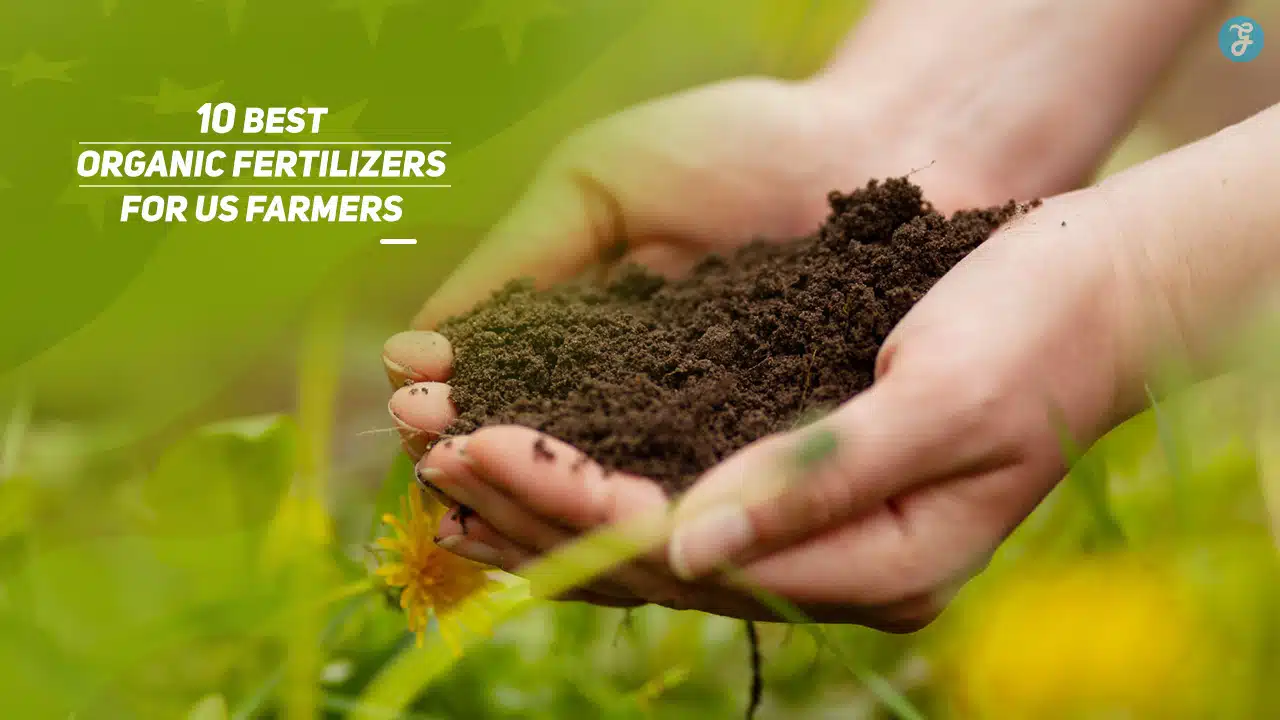
In recent years, organic farming has gained significant traction as farmers seek sustainable methods to improve soil health, increase crop yields, and reduce environmental impact.
A vital component of this transition is the use of organic fertilizers, which provide essential nutrients while promoting long-term soil fertility.
This guide highlights the 10 best organic fertilizers for US farmers, detailing their benefits, applications, and why they are a must-have for sustainable agriculture. Whether you’re growing vegetables, grains, or fruits, these fertilizers can help maximize productivity while maintaining eco-friendly practices.
Organic Fertilizers for Farmers
Organic fertilizers are natural soil amendments derived from plant, animal, or mineral sources. They enhance soil health, increase fertility, and improve crop yields without harming the environment.
Benefits of Organic Fertilizers:
- Enrich soil with essential nutrients like nitrogen, phosphorus, and potassium.
- Promote microbial activity, enhancing long-term soil productivity.
- Reduce dependency on chemical fertilizers, lowering costs over time.
Below you will get the 10 best organic fertilizers for US farmers.
1. Compost
Compost is a natural fertilizer made from decomposed organic matter such as food scraps, yard waste, and manure. It enriches soil with a broad range of nutrients and improves its structure.
Benefits
- Enhances soil fertility by adding nitrogen, phosphorus, and potassium.
- Increases water retention and aeration.
- Promotes beneficial microbial activity in the soil.
Application
- Spread a 1-2 inch layer over the field before planting.
- Mix with soil for container plants or raised beds.
Best For
- Vegetable gardens, fruit orchards, and general crop farming.
2. Bone Meal

Bone meal is a slow-release organic fertilizer derived from crushed animal bones. It is particularly rich in phosphorus and calcium, essential for root development.
Benefits
- Encourages healthy root systems and flowering.
- Improves soil pH in acidic soils.
- Boosts overall plant vigor.
Application
- Mix with soil at planting or sprinkle around existing plants.
- Use 2-4 pounds per 100 square feet for optimal results.
Best For
- Root vegetables, fruit trees, and flowering plants.
3. Blood Meal
Blood meal is a high-nitrogen fertilizer made from dried animal blood. It is ideal for stimulating lush green growth in crops.
Benefits
- Provides a quick nitrogen boost.
- Deters pests like deer and rabbits.
- Enhances soil microbial activity.
Application
- Apply as a top dressing or mix into the soil.
- Use sparingly to avoid nitrogen burn.
Best For
- Leafy greens, grass pastures, and nitrogen-deficient soils.
4. Fish Emulsion
Fish emulsion is a liquid fertilizer made from fish waste. It is a fast-acting source of nitrogen, phosphorus, and trace minerals.
Benefits
- Promotes rapid plant growth and strong roots.
- Easy to apply and quick to absorb.
- Supports microbial diversity in the soil.
Application
- Dilute 1-2 tablespoons per gallon of water and apply as a foliar spray or soil drench.
- Reapply every 2-3 weeks during the growing season.
Best For
- Vegetables, herbs, and fruiting plants.
5. Manure
Manure from animals such as cows, horses, or chickens is a time-tested organic fertilizer. It provides a balanced mix of nutrients while improving soil texture.
Benefits
- Adds organic matter and improves soil structure.
- Enhances water retention and drainage.
- Supplies essential nutrients like nitrogen and potassium.
Application
- Apply aged or composted manure to avoid burning plants.
- Spread evenly over fields and till into the soil.
Best For
- Large-scale farming, orchards, and pasturelands.
6. Alfalfa Meal
Alfalfa meal is a plant-based fertilizer rich in nitrogen, potassium, and trace elements. It also contains triacontanol, a natural growth stimulant.
Benefits
- Encourages rapid plant growth.
- Improves microbial activity and organic matter in the soil.
- Acts as a soil conditioner.
Application
- Sprinkle on the soil surface or mix into the planting bed.
- Use 5-10 pounds per 100 square feet.
Best For
- Flowering crops, legumes, and fruit-bearing plants.
7. Rock Phosphate

Rock phosphate is a slow-release fertilizer that provides phosphorus and calcium. It is ideal for long-term soil fertility.
Benefits
- Strengthens root systems and flowering.
- Reduces soil acidity.
- Long-lasting, with effects lasting several years.
Application
- Mix into the soil at planting time.
- Use 1-2 pounds per 10 square feet.
Best For
- Perennial crops, fruit trees, and flowering plants.
8. Worm Castings
Worm castings, also known as vermicompost, are nutrient-rich excretions from earthworms. They are a potent organic fertilizer with excellent microbial content.
Benefits
- Improves soil aeration and water retention.
- Contains essential nutrients in a readily available form.
- Enhances plant growth and disease resistance.
Application
- Mix with soil or use as a top dressing.
- Use 10-20% worm castings in potting mixes.
Best For
- Seedlings, container plants, and high-value crops.
9. Seaweed Fertilizer
Seaweed fertilizer, available in liquid or powdered form, is derived from ocean plants. It provides trace elements and natural growth hormones.
Benefits
- Enhances root development and overall plant health.
- Stimulates microbial activity in the soil.
- Improves stress tolerance in plants.
Application
- Dilute according to package instructions and apply as a foliar spray or soil drench.
- Use every 2-4 weeks during the growing season.
Best For
- Vegetables, flowers, and fruit crops.
10. Green Manure (Cover Crops)
Green manure refers to cover crops like clover, vetch, or rye that are grown and tilled into the soil to improve its fertility.
Benefits
- Adds organic matter and prevents soil erosion.
- Fixes nitrogen and suppresses weeds.
- Enhances soil structure and moisture retention.
Application
- Plant cover crops in the off-season.
- Mow and till the crops into the soil before planting the next crop.
Best For
- Large-scale farming and sustainable crop rotation systems.
Takeaways
Organic fertilizers offer a sustainable way to enhance soil health, boost crop yields, and reduce environmental impact. By understanding the unique benefits of each type, US farmers can select the best options tailored to their crops and soil conditions.
From nutrient-rich compost and bone meal to versatile fish emulsion and seaweed fertilizers, these 10 organic solutions provide the tools for a successful and eco-friendly farming operation.
Embrace these fertilizers to promote healthy, productive soils and sustainable agricultural practices.
By investing in the right organic fertilizers, you’re not just nourishing your crops—you’re contributing to a healthier planet and a more resilient farming future.





















