

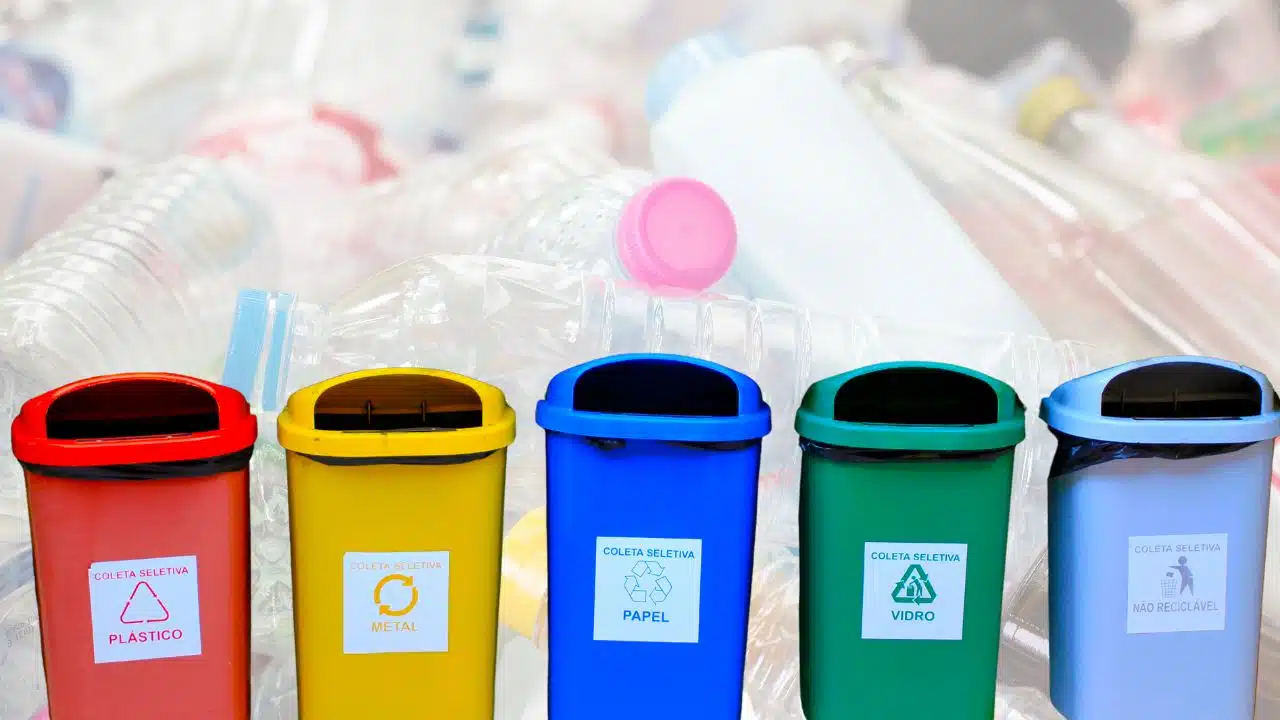
Sustainable waste management plays a pivotal role in addressing global environmental challenges. With increasing waste generation and mounting pressure on natural resources, finding effective solutions has become a critical focus.
So, what is the top sustainable waste management priority? Understanding this priority is key to implementing strategies that reduce waste, conserve resources, and create a cleaner, greener planet.
Understanding the Waste Management Hierarchy
To fully grasp why waste reduction is the top priority, it’s essential to understand the waste management hierarchy. This framework prioritizes waste management strategies based on their environmental impact:
- Waste Prevention/Reduction
- Reuse
- Recycling
- Energy Recovery
- Disposal
The hierarchy places waste prevention at the top because it is the most effective way to reduce the environmental impact of waste. By preventing waste from being created, we eliminate the need for subsequent waste management processes, which all have some degree of environmental impact.
The Importance of Waste Reduction
Waste reduction is crucial for several reasons:
Environmental Benefits
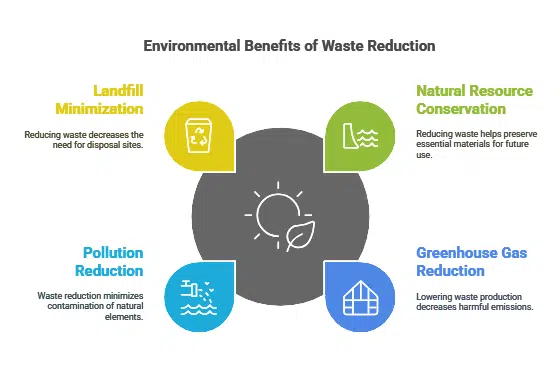
By reducing waste at the source, we:
- Conserve natural resources
- Decrease greenhouse gas emissions
- Reduce pollution of air, water, and soil
- Minimize the need for landfills and incineration
Economic Advantages
Waste reduction can lead to significant cost savings for businesses and communities by:
- Lowering waste disposal costs
- Reducing the need for raw materials
- Improving operational efficiency
Social Impact
Implementing waste reduction strategies can:
- Create green jobs in innovative industries
- Improve public health by reducing pollution
- Foster a culture of sustainability in communities
Strategies for Waste Reduction
To effectively reduce waste, various strategies can be implemented at different levels:
Individual Level
- Choose products with minimal packaging
- Use reusable bags, containers, and water bottles
- Repair items instead of replacing them
- Compost food scraps and yard waste
Business Level
- Implement lean manufacturing processes
- Design products for longevity and recyclability
- Adopt circular economy principles
- Use digital solutions to reduce paper waste
Government Level
- Implement Extended Producer Responsibility (EPR) policies
- Provide incentives for waste reduction initiatives
- Develop and enforce regulations on packaging and single-use items
- Invest in public education and awareness campaigns
The Global Waste Crisis: A Call for Action
The urgency of prioritizing waste reduction becomes clear when we look at global waste statistics:
| Statistic | Value | Source |
| Annual global waste generation | 2.01 billion tonnes | World Bank (2018) |
| Projected annual waste by 2050 | 3.40 billion tonnes | World Bank (2018) |
| Percentage of waste landfilled or burned openly in low-income countries | Over 90% | World Bank (2018) |
| Percentage of plastic waste recycled globally | Only 9% | UNEP (2018) |
| Annual cost of solid waste management globally | $205.4 billion | World Bank (2018) |
These statistics highlight the growing waste crisis and the need for immediate action to reduce waste generation.
Success Stories in Waste Reduction
Several countries and cities have successfully implemented waste reduction strategies:
San Francisco, USA
San Francisco has achieved an 80% waste diversion rate through:
- Mandatory recycling and composting
- Bans on single-use plastic bags and Styrofoam containers
- Extensive public education programs
South Korea
South Korea has significantly reduced food waste by:
- Implementing a “pay-as-you-throw” system for food waste
- Investing in high-tech food waste recycling facilities
- Conducting nationwide awareness campaigns
Sweden
Sweden has achieved a 99% waste recycling rate by:
- Implementing a deposit-refund system for beverage containers
- Developing waste-to-energy facilities for non-recyclable waste
- Promoting repair and reuse through tax incentives
Challenges in Prioritizing Waste Reduction
Despite its importance, prioritizing waste reduction faces several challenges:
Consumer Behavior
Changing deeply ingrained consumption habits can be difficult. Many consumers are accustomed to convenience and disposable products.
Economic Interests
Some industries profit from high consumption and waste generation, creating resistance to waste reduction initiatives.
Lack of Infrastructure
Many regions lack the necessary infrastructure and systems to support comprehensive waste reduction programs.
Limited Awareness
There is often a lack of understanding about the importance of waste reduction and how to implement it effectively.
The Future of Waste Reduction
As we move towards a more sustainable future, several trends and innovations are shaping the landscape of waste reduction:
Circular Economy
The concept of a circular economy, where resources are kept in use for as long as possible, is gaining traction. This approach aims to design out waste and pollution from the start.
Smart Waste Management
IoT (Internet of Things) and AI (Artificial Intelligence) technologies are being used to optimize waste collection and sorting, making waste management more efficient.
Zero Waste Movement
The zero waste movement, which aims to send nothing to landfills, is growing in popularity among individuals and businesses.
Sustainable Product Design
More companies are focusing on designing products that are durable, repairable, and easily recyclable at the end of their life.
Takeaways
In addressing what is the top sustainable waste management priority, it becomes clear that waste reduction at the source is the foundation for a sustainable future.
This strategy not only curbs the volume of waste entering our landfills but also minimizes environmental harm and promotes long-term sustainability. By embracing waste reduction efforts at all levels, we can ensure a cleaner, healthier planet for generations to come.
The journey towards sustainable waste management starts with a simple question: “How can I reduce my waste today?” By asking this question and taking action, we can collectively work towards a cleaner, greener, and more sustainable world.





















