
In a world where the news cycle often highlights violence and crime, it is refreshing to focus on the positive—countries where safety and security are paramount. This article delves into the 20 countries with the lowest rates of crime, offering insights into the policies, societal norms, and community practices that contribute to their remarkable safety records. By examining these nations, we can uncover lessons and strategies that could inform global efforts to enhance security and peace. The concept of “lowest rates of crime” is not just about numbers but reflects the quality of life, governance, and societal cohesion that these countries exemplify.
1. Iceland
Leading the pack, Iceland consistently ranks as the country with the lowest rate of crime. This island nation’s success can be attributed to its robust social welfare system, high levels of trust in law enforcement, and strong community bonds. The low population density and cohesive societal structure further contribute to its minimal crime rates, making it a model of safety and peace.
2. Denmark
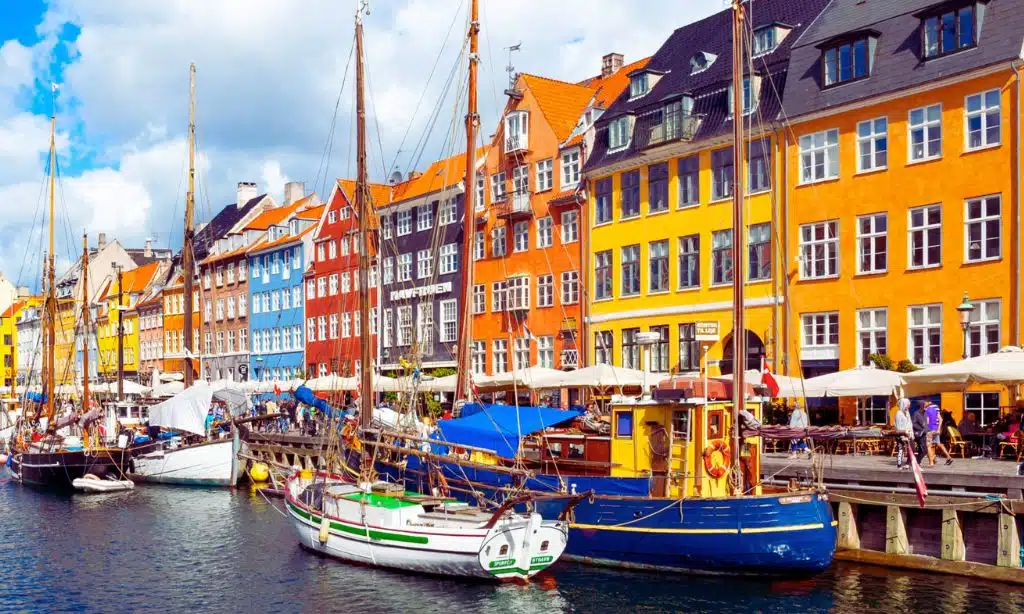
Denmark, with its comprehensive social policies and focus on rehabilitation over punishment, maintains one of the lowest rates of crime globally. The Danish model emphasizes social welfare and community support, reducing the factors that often lead to crime. Additionally, Denmark’s effective law enforcement and justice system play critical roles in maintaining its safety.
3. Singapore
Singapore’s approach to maintaining one of the lowest rates of crime involves strict laws, rigorous enforcement, and a focus on public education about the consequences of criminal activities. The city-state’s comprehensive surveillance system and efficient legal system deter crime and ensure public safety, reflecting the government’s commitment to a secure living environment.
4. Japan
Japan is renowned for its low crime rate, a result of its cultural emphasis on respect, honor, and community. The country’s efficient justice system and proactive police force contribute to its safety. Furthermore, Japan’s focus on education and societal integration helps prevent crime, showcasing the importance of cohesive social policies in maintaining public security.
5. Finland
Finland’s low crime rate can be attributed to its emphasis on social equality and comprehensive welfare system. The Finnish approach includes a focus on preventative measures, education, and rehabilitation, aiming to address the root causes of crime. The country’s trust in the police and justice system further reinforces its position as one of the safest in the world. If you want you can also read- Healthiest Countries in the World.
6. Norway
Norway’s emphasis on restorative justice and rehabilitation contributes to its low crime rates. The Norwegian model focuses on treating the causes of crime rather than merely punishing the act, fostering a society where safety and security are paramount. Norway’s high standard of living and strong community bonds further reduce the inclination towards criminal behavior.
7. Switzerland

Switzerland’s safety is underpinned by its high standard of living, effective law enforcement, and community engagement in crime prevention. The country’s decentralized political system and strong social welfare policies contribute to its low crime rates, emphasizing the role of economic stability and social cohesion in preventing crime.
8. Austria
Austria enjoys one of the lowest rates of crime, thanks to its robust social welfare system, effective policing, and public awareness programs. The Austrian approach to crime prevention focuses on social integration and support, reducing the factors that lead to criminal activities and ensuring a high level of public safety.
9. New Zealand
New Zealand’s community-oriented approach to law enforcement and its focus on preventative measures contribute to its low crime rates. The country’s efforts to address social inequalities and provide support for vulnerable populations illustrate the importance of a holistic approach to crime prevention.
10. Ireland
Ireland’s low crime rate is a result of its effective community policing strategies, comprehensive social support systems, and focus on rehabilitation. The country’s emphasis on social cohesion and community support plays a vital role in maintaining its safety and security.
11. Sweden
Sweden’s low crime rate can be attributed to its welfare model, which focuses on reducing social inequalities and providing extensive support services. The Swedish approach to crime prevention includes comprehensive education and rehabilitation programs, highlighting the importance of addressing the social determinants of crime.
12. Germany
Germany maintains one of the lowest rates of crime through its balanced approach to law enforcement and social policies aimed at preventing crime. The country’s focus on education, integration, and rehabilitation, alongside efficient policing, contributes to its high level of safety and security.
13. Netherlands
The Netherlands is known for its progressive social policies and effective law enforcement, which have contributed to its low crime rates. The Dutch approach emphasizes prevention, rehabilitation, and community policing, showcasing the effectiveness of inclusive and progressive policies in maintaining public safety.
14. Canada
Canada’s low crime rate is the result of its inclusive social policies, effective law enforcement, and strong community engagement. The Canadian approach to public safety includes a focus on addressing the root causes of crime, such as poverty and social inequality, through comprehensive support systems.
Read More: Budget-Friendly Travel Destination
15. Luxembourg
Luxembourg, with its high standard of living and effective law enforcement, maintains low crime rates. The country’s comprehensive social welfare system and focus on crime prevention through education and social support underscore the importance of a multifaceted approach to maintaining safety.
16. Portugal
Portugal’s emphasis on rehabilitation and social integration contributes to its low crime rates. The country’s decriminalization of drug use and focus on treatment rather than punishment reflect its progressive approach to crime prevention, emphasizing the role of social policies in enhancing public safety.
17. Czech Republic
The Czech Republic’s low crime rate can be attributed to its effective policing strategies and social policies aimed at preventing crime. The country’s focus on education, social welfare, and community engagement illustrates the importance of a holistic approach to maintaining safety and security.
18. Australia

Australia’s comprehensive approach to crime prevention, including effective law enforcement, community engagement, and social support services, contributes to its low crime rates. The country’s emphasis on addressing the root causes of crime and providing support for vulnerable populations highlights the importance of a comprehensive approach to safety.
19. Slovenia
Slovenia’s low crime rate is the result of its effective law enforcement, social welfare policies, and community-oriented approach to crime prevention. The country’s focus on social cohesion and support services underscores the importance of a multifaceted approach to maintaining public safety.
20. South Korea
South Korea’s low crime rate can be attributed to its strict laws, efficient law enforcement, and emphasis on education and social cohesion. The country’s approach to crime prevention includes a focus on technological innovation and community engagement, highlighting the role of modern solutions in enhancing safety.
Conclusion
The countries with the lowest rates of crime share common themes in their approaches to public safety: a strong emphasis on social welfare, effective law enforcement, community engagement, and a focus on prevention and rehabilitation. These nations exemplify how addressing the root causes of crime, fostering social cohesion, and maintaining trust in the justice system can create safe, secure societies. By learning from their models, other countries can develop strategies to reduce crime rates and improve the quality of life for their citizens.