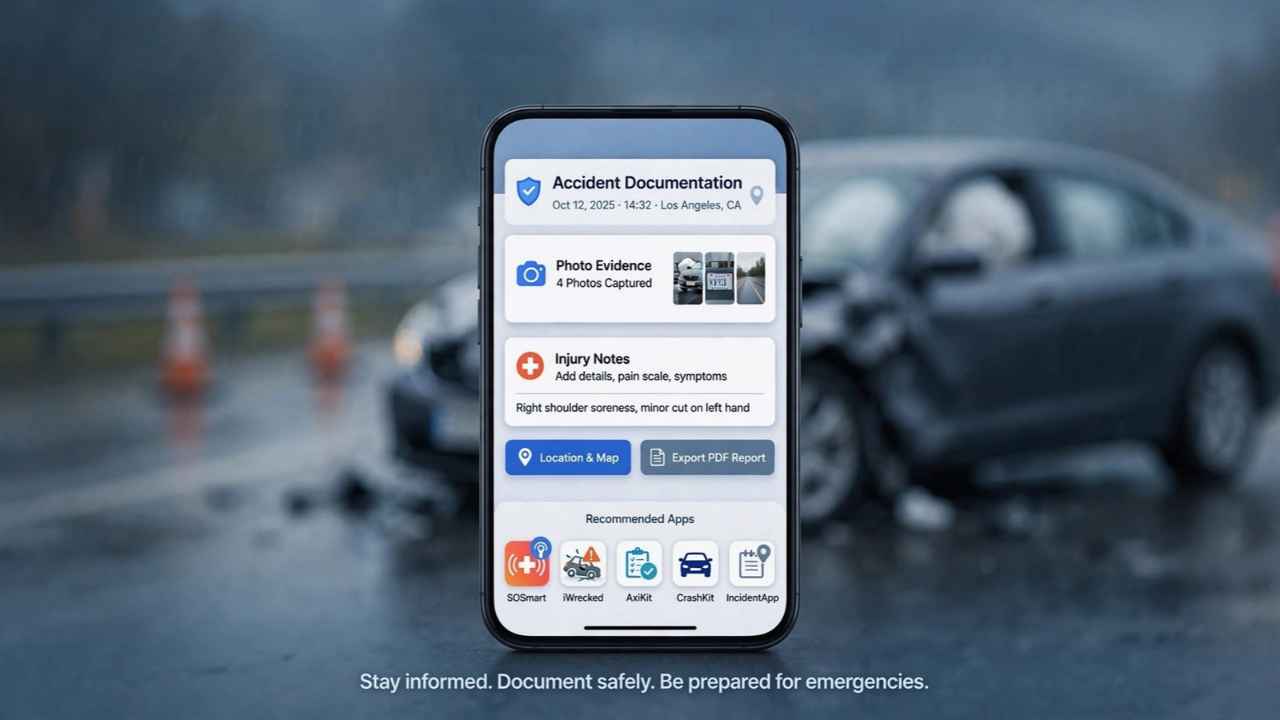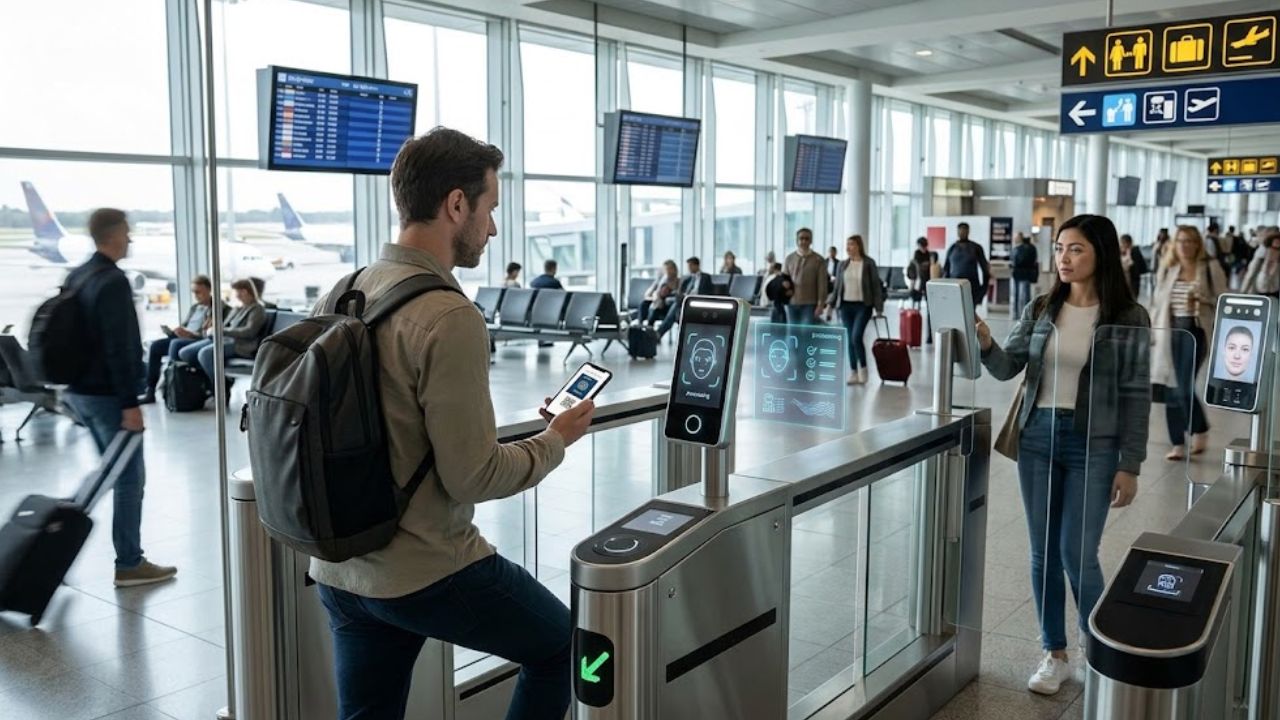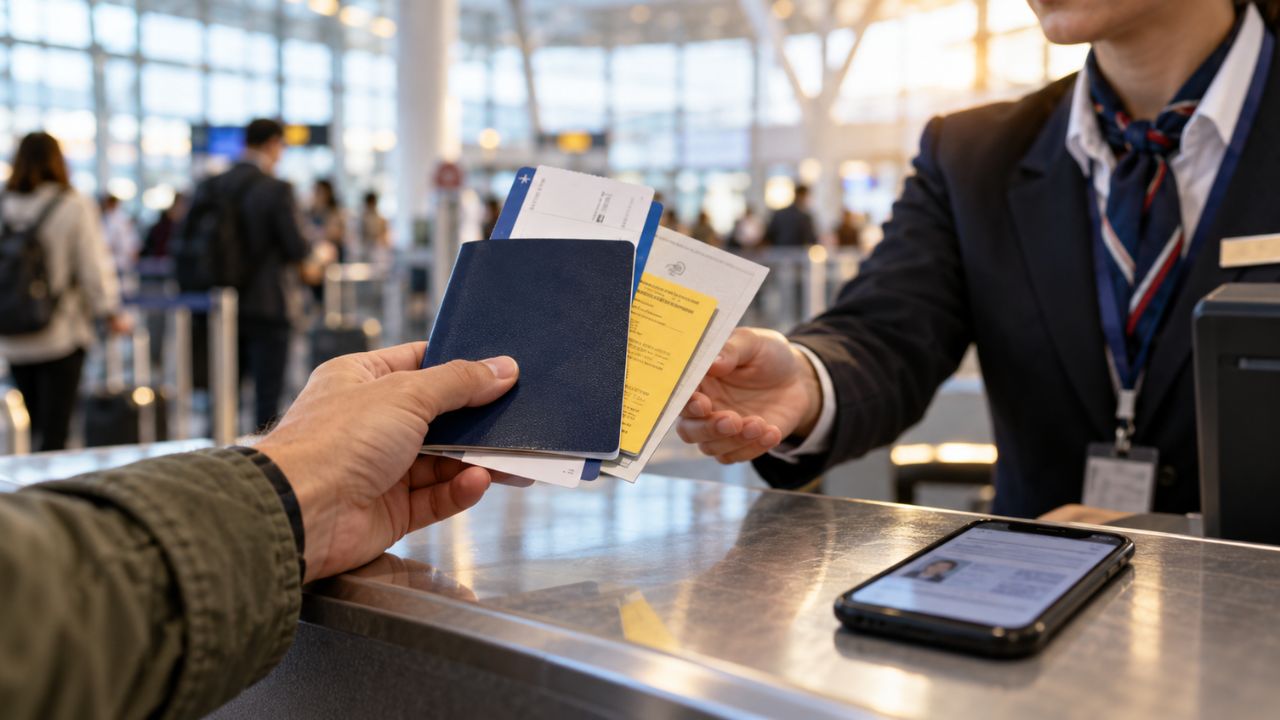
A screenshot feels reassuring when a passport, visa, or certificate is already saved on a phone. It keeps the document number close and may help if the original is lost. But it does not automatically become valid proof at an airline counter, border checkpoint, roadside stop, or customs desk.
Authorities may need to inspect a chip, confirm a live government record, verify an original signature, or certify a customs movement. An ordinary image cannot complete those checks.
This does not mean all international travel documents must be printed. Official eVisas, mobile credentials, and digital customs systems can be valid because the issuing authority designed them for verification. The important distinction is between an official credential and a picture of one.
Here, “travel documents” includes entry credentials and supporting paperwork that may determine whether a traveler, child, medicine, pet, vehicle, or piece of professional equipment can complete a journey.
Why International Travel Documents Need More Than a Screenshot
A screenshot captures what appeared on a screen at one moment. An official digital credential works differently. It may be generated inside a government account, linked to a passport, protected by verification technology, or checked against a live database. A mobile boarding pass or government-issued digital identity can therefore be valid where the relevant system accepts it.
Copies still matter. The U.S. Department of State recommends keeping document copies and phone photos because they can assist with replacement after loss or theft. Their role is recovery and reference, not permission to travel.
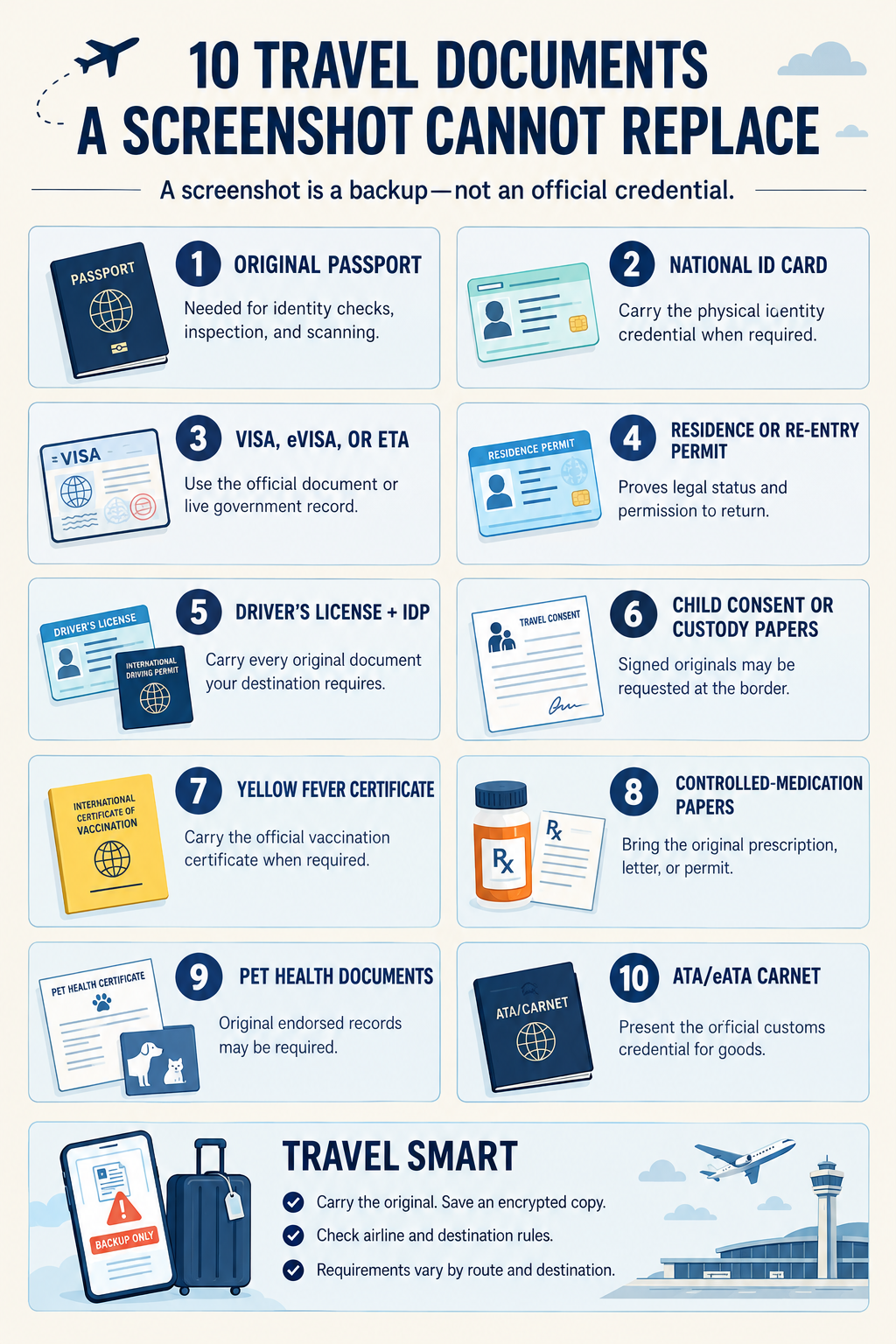
| No. | Document | What Officials May Need | Useful Role of a Screenshot |
|---|---|---|---|
| 1 | Passport or recognized travel document | Original physical document | Replacement and reference details |
| 2 | National identity card used for border travel | Original card or accepted official digital credential | Backup image |
| 3 | Visa, eVisa, or travel authorization | Valid visa or verifiable official record | Approval details and reference number |
| 4 | Residence or re-entry document | Original card, permit, or accepted live status | Identification of a lost document |
| 5 | Driver’s license and IDP | Physical license and permit where required | Document numbers and expiry dates |
| 6 | Child consent and custody records | Signed, notarized, certified, or court-issued papers | Accessible reference copy |
| 7 | Yellow fever certificate | Properly signed and stamped certificate | Vaccination details |
| 8 | Controlled-medication paperwork | Prescription, medical certificate, or permit required by the country | Backup medical information |
| 9 | Pet health and import papers | Signed or endorsed certificates and permits | Record-recovery support |
| 10 | ATA Carnet or eATA credential | Official customs document or accepted digital credential | Copy of the goods list and reference details |
1. A Passport or Recognized Travel Document
For ordinary international travel, a passport screenshot is not a passport. Airline and border staff may need the physical document to read its machine-readable zone, scan its chip, inspect security features, and confirm that it has not been altered or cancelled.
The U.S. Department of State states that travelers must present the original physical passport. Other countries recognize different travel documents on certain routes, but a clear image does not become valid merely because every detail is visible. A secure scan of the identification page is still worth keeping. It can help an embassy identify the missing passport and begin the replacement process.
2. A National Identity Card Used for Border Travel
Some regional agreements let eligible travelers cross borders with a national identity card instead of a passport. EU nationals can travel within covered EU and Schengen destinations with a valid passport or national identity card, although route-specific rules and temporary border controls still apply.
That permission applies to the accepted identity document, not a photograph of it. Officials may need to inspect the card and its security features. A driver’s license, bank card, or saved image is not an automatic substitute.
3. A Visa, eVisa, or Electronic Travel Authorization
Visas can appear as passport stickers, separate papers, official PDFs, QR codes, or digital records linked to a passport. The issuing country decides which form is valid and how a traveler must present it.
A screenshot of an application receipt or payment confirmation is not proof of approval. Even an approval screenshot may be only a backup if the airline must verify the authorization through an official system.
Before departure, confirm that the authorization is approved, valid for every planned entry, and connected to the correct passport.
4. A Residence Card or Re-entry Document
People returning to the country where they live may need evidence of immigration status in addition to a passport. Depending on the system, that proof could be a residence card, green card, re-entry permit, refugee travel document, advance parole document, visa, or official online status.
U.S. lawful permanent residents, for example, generally need a valid Permanent Resident Card or re-entry permit when returning from travel. U.S. Customs and Border Protection explains the applicable documents and the possible need for replacement or carrier documentation when one is lost abroad.
5. A Driver’s License and International Driving Permit
A license photo may contain the right details, but police, rental companies, and road authorities may still require the physical license. The original carries the security features issued by the licensing authority.
Many countries also require an International Driving Permit, or IDP. It translates identifying and license information into multiple languages, but it does not replace the domestic license. USAGov tells travelers who need an IDP to carry both documents.
An approved mobile driver’s license may work in a participating jurisdiction. A screenshot is not an approved mobile license.
6. A Child Travel Consent Letter and Custody Records
Children need their own passports and any visas required for the route. Additional paperwork may be needed when a child travels alone, with one parent, with relatives, or with another adult.
Depending on the family situation and destination, officials may ask for a consent letter, birth certificate, custody or parenting order, guardianship record, or death certificate for a deceased parent.
Planning for travelling abroad with kids should therefore begin early enough to resolve name differences, obtain signatures, request certified records, or seek legal advice in a complex custody situation.
7. An International Certificate of Vaccination or Prophylaxis
Some destinations require proof of yellow fever vaccination based on where a traveler lives, recently visited, or transited. The recognized record is the International Certificate of Vaccination or Prophylaxis, commonly called the yellow card.
According to the CDC Yellow Book, the certificate must be completed, signed by the vaccine provider, and validated with the vaccination center’s official stamp. It must carry the provider’s original signature.
A properly completed certificate becomes valid 10 days after the primary vaccination and is generally valid for the vaccinated person’s lifetime under the International Health Regulations.
8. Controlled-Medication Prescriptions and Permits
A prescription that is valid at home does not automatically make a medicine legal in another country. Restrictions can be especially strict for stimulants, sedatives, opioid pain medicines, medical cannabis products, and other controlled substances.
The U.S. Department of State advises travelers to check every destination and transit country, keep medicines in their original labeled packaging, and carry a doctor’s letter listing the generic names. Some countries also require advance approval or a government permit.
9. A Pet Health Certificate and Import Papers
International pet travel may involve a microchip record, rabies certificate, laboratory results, veterinary health certificate, government endorsement, written declaration, and import permit. The destination sets the sequence and validity window.
For animals leaving the United States, USDA guidance requires the original signed or endorsed paperwork to accompany the pet. It states that destination officials will not accept electronic versions in place of the required papers.
10. An ATA Carnet or Official eATA Credential
Photographers, filmmakers, musicians, engineers, exhibitors, and business travelers may carry professional equipment or commercial samples across borders. An ATA Carnet acts as a “passport for goods,” allowing eligible items to enter participating customs territories temporarily without the usual duty and tax process.
Paper carnets must travel with the goods and be presented at the required customs points. Officers validate the document as the equipment enters and leaves each territory. A screenshot cannot receive those customs certifications.
What Screenshots Can Still Do
Screenshots and scans remain valuable when they are treated as backups. The practical approach is selective rather than completely paperless. A balanced digital travel wallet can hold bookings, maps, hotel details, insurance contacts, tickets, and reference copies while required originals remain protected in carry-on luggage. Useful travel apps for a safer journey can organize an itinerary and official entry forms, but they should support the document system rather than replace it.
Before leaving, build three layers:
- Required proof: Carry the originals and official digital credentials needed at each checkpoint.
- Offline backup: Save clear scans, issued PDFs, reference numbers, and approved wallet passes on a secured device.
- Remote recovery copy: Keep an encrypted backup or leave a copy with a trusted person who can access it if the phone and documents disappear together.
Store the backups separately from the originals. Passport and identity scans contain valuable personal data, so avoid leaving them in an unlocked gallery, open group chat, or shared photo album.
Commonly Asked Questions about International Travel Documents
Is an eVisa Screenshot Enough?
Only if the issuing authority expressly accepts that presentation method. Some countries issue an official PDF or QR code, while others verify a live record linked to the passport. Save the approval offline, but follow the official instructions for printing, account access, carrier checks, or share codes.
Can a Boarding-Pass Screenshot Work?
Sometimes. It may scan when the barcode is static, and the airline and airport accept mobile boarding passes. It can fail if the code changes, the pass must remain inside an app or wallet, or staff need to complete a document check. The airline-issued pass should remain the primary version.
Must Every Travel Document Be Printed?
No. Many tickets, reservations, itineraries, and official authorizations are designed for digital use. The deciding factor is whether the issuing authority and every organization that must inspect the document accept that format. An official digital credential is different from an ordinary screenshot.
Carry the Proof, Keep the Copy
International travel documents are no longer limited to paper. Some are physical, some are digital, and others combine a physical passport with a live online authorization. What matters is whether the credential can be authenticated by the airline, border officer, police officer, customs service, or other authority that needs to inspect it.
Keep screenshots for reference and recovery. For the journey itself, carry the original, signed certificate, stampable paper, or official digital credential the route requires.