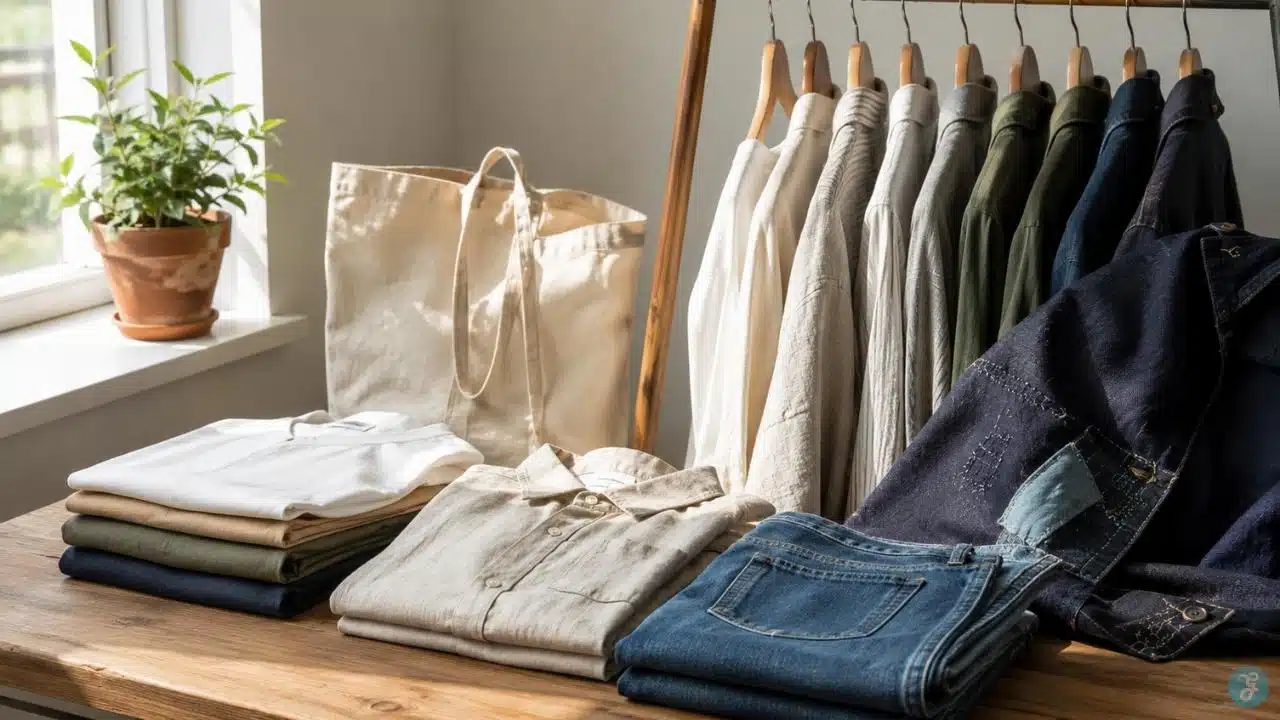
Searching for sustainable clothing brands reviewed honestly can feel more confusing than helpful. Every fashion brand seems to have a green page now. Some talk about organic cotton. Some mention recycled polyester. Some say they are ethical, conscious, responsible, climate-friendly, or slow fashion. But when you try to understand what that actually means, the details are often thin.
That is the problem this list is trying to solve. A sustainable clothing brand should not only look earthy, soft, and minimal on Instagram. It should give you better reasons to trust it. The clothes should last. The materials should make sense. The supply chain should not be hidden. The brand should care about workers, waste, packaging, repair, and product life beyond the first sale.
No clothing brand is perfect. Fashion always has an impact because fabric needs land, water, energy, labor, dyeing, packaging, and transport. But some ethical fashion brands are clearly trying harder than the average label.
This review looks at nine clothing brands worth considering if you want better wardrobe choices without falling for empty green marketing.
How I Reviewed These Sustainable Clothing Brands
This is not a list of brands that simply “look sustainable.” Each brand was reviewed through a practical buyer lens. The question was not just “Does this brand say the right things?” The better question was “Would this brand help someone buy fewer, better clothes?”
The review focused on:
- Materials used in core products
- Evidence of ethical or responsible production
- Repair, resale, take-back, or circular programs
- Product durability and everyday usefulness
- Transparency around sourcing or sustainability
- Fit for real wardrobes, not only idealized eco lifestyles
- Possible drawbacks before buying
That last point matters. A good review should not make every brand sound perfect. Some are expensive. Some have limited sizing. Some use synthetic materials. Some work best only for certain wardrobes. The goal is to help readers choose carefully, not push them toward more shopping.
9 Sustainable Clothing Brands Reviewed for Smarter Fashion Choices
Before choosing any brand, look beyond the eco-friendly label. These sustainable clothing brands reviewed below were selected for their materials, transparency, repair value, everyday wearability, and whether they help you buy fewer, better clothes.
1. Patagonia
Patagonia is one of the strongest sustainable clothing brands because it does something many fashion companies avoid: it tries to keep clothing in use longer.
The brand is best known for outdoor clothing, fleece, jackets, base layers, rainwear, bags, and technical gear. Its sustainability reputation is not built only on recycled fabric. The bigger reason Patagonia stands out is its Worn Wear model, which encourages repair, trade-in, and buying used gear.
That matters because clothing waste is not solved by buying new, eco-friendly items every season. A jacket that lasts ten years is usually a better choice than three cheaper jackets that fail quickly.
Patagonia’s clothes make the most sense for people who hike, travel, work outdoors, commute in changing weather, or simply want durable layers. Its fleece and outerwear are especially strong because they are practical, easy to wear, and built for repeated use.
The main downside is price. Patagonia is not a cheap brand. Also, many of its performance products still use synthetics, which can raise microfiber concerns. But in outdoor clothing, synthetics are sometimes used for performance, weather resistance, and durability.
The real buying rule is simple: buy Patagonia when you need long-lasting gear, not when you just want the logo.
Patagonia is strongest for: outdoor layers, jackets, fleece, repairable gear, and long-term use.
Smart buyer note: Check Worn Wear before buying new. Used Patagonia gear can be a better value and a better sustainability choice.
2. Pact
Pact is one of the easiest eco clothing labels to recommend for beginners because it focuses on items people actually wear every day.
The brand sells organic cotton underwear, socks, T-shirts, leggings, hoodies, sleepwear, loungewear, baby clothes, and bedding. It is not trying to be high fashion. That is part of the appeal. Pact is useful because basics are where most wardrobes start.
If you are replacing worn-out underwear, tees, pajamas, or cotton leggings, Pact makes the switch simple. The brand uses organic cotton and works with Fair Trade Certified factories for its cut-and-sew production.
That gives it a stronger foundation than many low-cost basics brands that say very little about cotton sourcing or factory standards. The clothing style is simple, soft, and practical. It works for people who want comfort, not runway design. The pieces are good for home, errands, layering, sleep, and daily wear.
The limitation is that Pact is not the brand for a highly styled wardrobe. The designs are basic. The fits can also vary depending on the item, so checking reviews and size charts is important.
Still, if someone wants to stop buying cheap cotton basics from fast-fashion brands, Pact is a sensible first move.
Pact is strongest for: organic cotton basics, underwear, socks, tees, leggings, and loungewear.
Smart buyer note: Start with repeat-use items. Underwear, socks, and sleepwear are where better fabric choices are used most often.
3. Eileen Fisher
Eileen Fisher is a strong choice for people who want slow fashion brands that feel grown-up, minimal, and built for long-term use.
The brand’s style is quiet: simple silhouettes, neutral colors, linen, organic cotton, silk, wool, and relaxed workwear pieces. It is not built around trends. That gives the clothing a longer shelf life in a real wardrobe.
What makes Eileen Fisher especially important is its Renew program. The brand takes back used Eileen Fisher garments and sorts them for resale, donation, repair, or remaking. That is a serious circular fashion signal because it deals with clothing after the first sale.
A lot of brands talk about sustainable materials. Fewer brands build a system for what happens after a customer is finished with the product.
Eileen Fisher is best for people who want fewer, better pieces for work, travel, casual polish, or an easy capsule wardrobe. Its pants, linen tops, cardigans, dresses, and simple jackets are the most useful categories.
The main drawback is cost. This is a premium brand. The styling is also specific. If your wardrobe is bold, trend-driven, or streetwear-heavy, Eileen Fisher may feel too plain.
But if you want calm, timeless clothing that can move between office, weekend, and travel, it deserves attention.
Eileen Fisher is strongest for: minimalist workwear, linen, relaxed tailoring, resale, and circular fashion.
Smart buyer note: Look at Renew before buying new. Pre-owned pieces often fit the brand’s whole philosophy better than a full-price new purchase.
4. Nudie Jeans
Nudie Jeans is one of the most practical ethical fashion brands for denim lovers. Denim is a difficult category. It can involve heavy water use, chemical processing, dyeing, and intensive cotton production. Nudie Jeans stands out because it focuses on organic cotton denim and free repairs.
The repair model is the real reason it belongs on this list. Jeans are not supposed to be perfect forever. They fade, stretch, soften, tear, and age. A brand that repairs them helps customers treat denim as a long-term product instead of a disposable one.
Nudie is especially good for people who like raw denim, everyday jeans, denim jackets, and pieces that develop character over time.
The brand’s design language is classic rather than trendy. That works well for sustainability because jeans should not feel outdated after one season.
The caution is fit. Denim is personal. You need to understand your measurements, rise preference, stretch level, and whether you want raw or washed denim. Nudie has many fits, so do not buy blindly.
Also, free repair access depends on whether you are near a repair shop or repair partner. If you are not, the convenience may vary. Still, for people who actually wear jeans often, Nudie is one of the strongest choices.
Nudie Jeans is strongest for: organic cotton denim, jeans, denim jackets, and long-term repair.
Smart buyer note: Buy the right fit slowly. One excellent pair of jeans beats three almost-right pairs sitting unused.
5. Outerknown
Outerknown works best for people who want sustainable clothing that feels casual, coastal, and easy to wear.
The brand was built around responsible materials and fairer production standards. Its clothing includes shirts, tees, sweaters, denim, pants, jackets, swim, and relaxed everyday pieces. The overall look is clean, comfortable, and slightly beach-inspired without feeling too young.
Outerknown’s strongest value is that it makes sustainable fashion feel normal. You can wear the pieces without looking like you are trying to make a statement. That is useful because sustainable clothing should fit real life.
The brand has worked with preferred fibers such as organic cotton, hemp, recycled cotton, recycled nylon, responsible wool, and regenerative organic cotton. Its approach is more interesting than a generic “eco collection” because sustainability is part of the brand identity.
Outerknown is best for people who want durable casual clothing, not formal office wear or high-fashion pieces. Its shirts and denim are especially easy to recommend.
The drawback is pricing. Like many better-made clothing brands, Outerknown costs more than mall basics. Some shoppers may also find the aesthetic too laid-back.
But if your wardrobe leans casual and you want fewer pieces that work across weekends, travel, and everyday life, Outerknown is a strong option.
Outerknown is strongest for: casual shirts, denim, relaxed basics, and coastal everyday clothing.
Smart buyer note: Focus on core staples. Outerknown is best when you buy pieces you can repeat often.
6. Kotn
Kotn is a good fit for shoppers who want better cotton basics with a cleaner supply-chain story. The brand is designed in Canada and closely tied to Egyptian cotton. It focuses on simple T-shirts, sweats, tanks, shirts, pants, socks, and home goods. The clothing is minimal, soft, and easy to wear.
Kotn’s sustainability angle is less about flashy innovation and more about traceability, direct trade, long-lasting basics, and community investment. The brand is a Certified B Corp and describes its model around sourcing cotton from small-holder farmers in Egypt and working with responsible facilities.
That makes Kotn useful for readers who want everyday basics but do not want another anonymous cotton T-shirt from a brand with no visible sourcing story.
The clothes are best for simple wardrobes: tees, sweatshirts, tanks, relaxed pants, and clean layering pieces. If you like plain, soft, well-cut basics, Kotn is easy to understand.
The limitation is that cotton needs care. Some items may shrink if washed or dried carelessly, so cold washing and air drying are safer. The designs are also understated, so this is not the best choice for shoppers who want bold fashion.
Still, Kotn is a strong middle-ground brand for people who want basics that feel better than fast fashion but do not want luxury pricing.
Kotn is strongest for: Egyptian cotton basics, tees, sweats, soft everyday layers.
Smart buyer note: Treat the clothes well. Cold wash and line dry will help cotton pieces last longer.
7. tentree
tentree is one of the more recognizable eco clothing labels because its message is simple: every item plants trees.
The brand sells hoodies, joggers, T-shirts, sweatshirts, sweaters, outerwear, leggings, and accessories. Its materials include options such as organic cotton, recycled polyester, hemp, and TENCEL blends.
The tree-planting model gives tentree a clear environmental identity. But the best reason to buy from the brand is not the tree claim alone. It is the combination of comfortable casual wear and preferred materials.
tentree works well for people who want relaxed clothing for home, errands, light travel, casual offices, or weekend wear. The brand’s sweatshirts, joggers, and tees are the easiest entry points.
The caution is that tree planting should not be treated as a full sustainability solution. Planting trees can be useful, but it does not erase every impact of clothing production. The product still needs to be worn often and kept in use.
tentree is strongest when you need comfortable basics and actually like the style. It should not become an excuse to overbuy hoodies just because the purchase feels good.
tentree is strongest for: casual basics, hoodies, joggers, tees, and relaxed everyday wear.
Smart buyer note: Buy the item, not the tree promise. Choose pieces you will wear repeatedly.
8. ARMEDANGELS
ARMEDANGELS is a German brand that fits well for shoppers looking for European slow fashion with modern styling. The brand sells denim, knitwear, T-shirts, dresses, shirts, jackets, underwear, and everyday clothing. Its design is cleaner and more fashion-forward than some basic-only sustainable brands, but it still avoids feeling overly trend-driven.
ARMEDANGELS focuses on materials such as organic cotton, recycled fibers, TENCEL Lyocell, and other lower-impact options. It also publishes impact reporting, which makes it easier for shoppers to understand where the brand is making progress and where challenges remain.
This brand works best for people who want sustainable fashion that still feels current. It is useful for denim, knitwear, daily tops, and simple outfits that look polished without being too formal.
The main issue is availability. Depending on where you live, shipping, returns, and sizing may be less convenient than buying from a local brand. As with many European labels, fit can also vary by product type.
Still, ARMEDANGELS is a strong brand to know if you want eco-conscious clothing with a sharper everyday style.
ARMEDANGELS is strongest for: modern basics, denim, knits, and European slow fashion.
Smart buyer note: Check return options before ordering internationally. Sustainable shopping still needs practical fit decisions.
9. Girlfriend Collective
Girlfriend Collective is one of the most useful sustainable clothing brands for activewear. The brand is known for leggings, sports bras, bike shorts, unitards, sweats, and workout clothing made with recycled materials. Its recycled fabrics are certified Standard 100 by OEKO-TEX, and the brand has become popular partly because it offers a wider size range than many activewear labels.
Activewear is a tough category for sustainability. Performance clothing often uses synthetics because shoppers expect stretch, compression, sweat management, and durability. Girlfriend Collective does not remove that impact completely, but it improves the material story by using recycled inputs.
The brand is best for people who want comfortable workout sets, yoga clothes, walking outfits, low-impact training gear, or casual athleisure.
The main caution is microfiber shedding. Recycled polyester and nylon are still synthetic materials. Washing less often, using cold water, air drying, and using a microfiber-catching laundry bag can help reduce impact.
Fit is also personal. Some pieces are better for low-impact activity, while others work for training. Read product details carefully. Girlfriend Collective is a smart choice when you need activewear and want something better than standard virgin-synthetic leggings.
Girlfriend Collective is strongest for: recycled activewear, leggings, sports bras, and size-inclusive workout clothing.
Smart buyer note: Buy activewear only when you need it. Recycled synthetics are better, but still not impact-free.
Quick Comparison of the 9 Sustainable Clothing Brands
| Brand | Strongest Category | Best Wardrobe Use | Main Sustainability Angle |
| Patagonia | Outdoor and active lifestyle | Jackets, fleece, outdoor layers | Repair, resale, recycled materials |
| Pact | Organic basics | Underwear, tees, loungewear | Organic cotton, Fair Trade factories |
| Eileen Fisher | Minimalist wardrobe | Workwear, linen, timeless pieces | Circular fashion, take-back, resale |
| Nudie Jeans | Denim | Jeans and denim jackets | Organic cotton denim, free repairs |
| Outerknown | Casual clothing | Shirts, denim, coastal basics | Preferred fibers, responsible sourcing |
| Kotn | Cotton essentials | Tees, sweats, simple basics | Egyptian cotton, direct trade, traceability |
| tentree | Casual basics | Hoodies, joggers, everyday wear | Tree planting, preferred materials |
| ARMEDANGELS | European slow fashion | Denim, knits, daily clothing | Organic and recycled materials, impact reporting |
| Girlfriend Collective | Activewear | Leggings, bras, workout sets | Recycled fabrics, OEKO-TEX certified materials |
Which Sustainable Clothing Brand Should You Choose?
The right brand depends on what your wardrobe actually needs.
- If you need outdoor gear, start with Patagonia.
- If you need organic basics, Pact is the easiest place to begin.
- If you want timeless workwear or minimalist clothing, Eileen Fisher is stronger.
- If you wear jeans constantly, Nudie Jeans is one of the best options.
- If your style is relaxed and coastal, Outerknown fits naturally.
- If you want soft cotton essentials with a traceable sourcing story, Kotn makes sense.
- If you want casual wear with a simple environmental mission, tentree is easy to understand.
- If you want modern European slow fashion, ARMEDANGELS is worth checking.
- If you need leggings or workout clothes, Girlfriend Collective is the strongest choice here.
The best sustainable clothing brand is not the one with the loudest green message. It is the one you will actually wear, care for, repair, and keep.
How to Buy Sustainable Clothing Without Overbuying
Sustainable fashion can easily become another shopping trap. People discover ethical fashion brands and suddenly feel pressure to replace everything: jeans, tees, underwear, shoes, jackets, gym clothes, dresses, pajamas, and workwear. That is not slow fashion. That is fast consumption wearing better branding.
A smarter approach is slower. Start with what is already worn out. Replace one item at a time. Choose better only when you actually need something.
Before buying, ask yourself:
- Will I wear this at least 30 times?
- Does it work with clothes I already own?
- Can I wash and care for it easily?
- Is the material right for my climate?
- Does the brand offer proof, not just nice words?
- Could I buy this secondhand instead?
Also, remember that sustainable clothing is not always about buying new. Repairing a jacket, tailoring pants, washing clothes gently, air drying, removing stains quickly, and buying secondhand can all reduce wardrobe waste. The most sustainable closet is not the most expensive one. It is the one where clothes are used well.
Greenwashing Red Flags in Sustainable Fashion
Fashion greenwashing is everywhere because shoppers now care about sustainability.
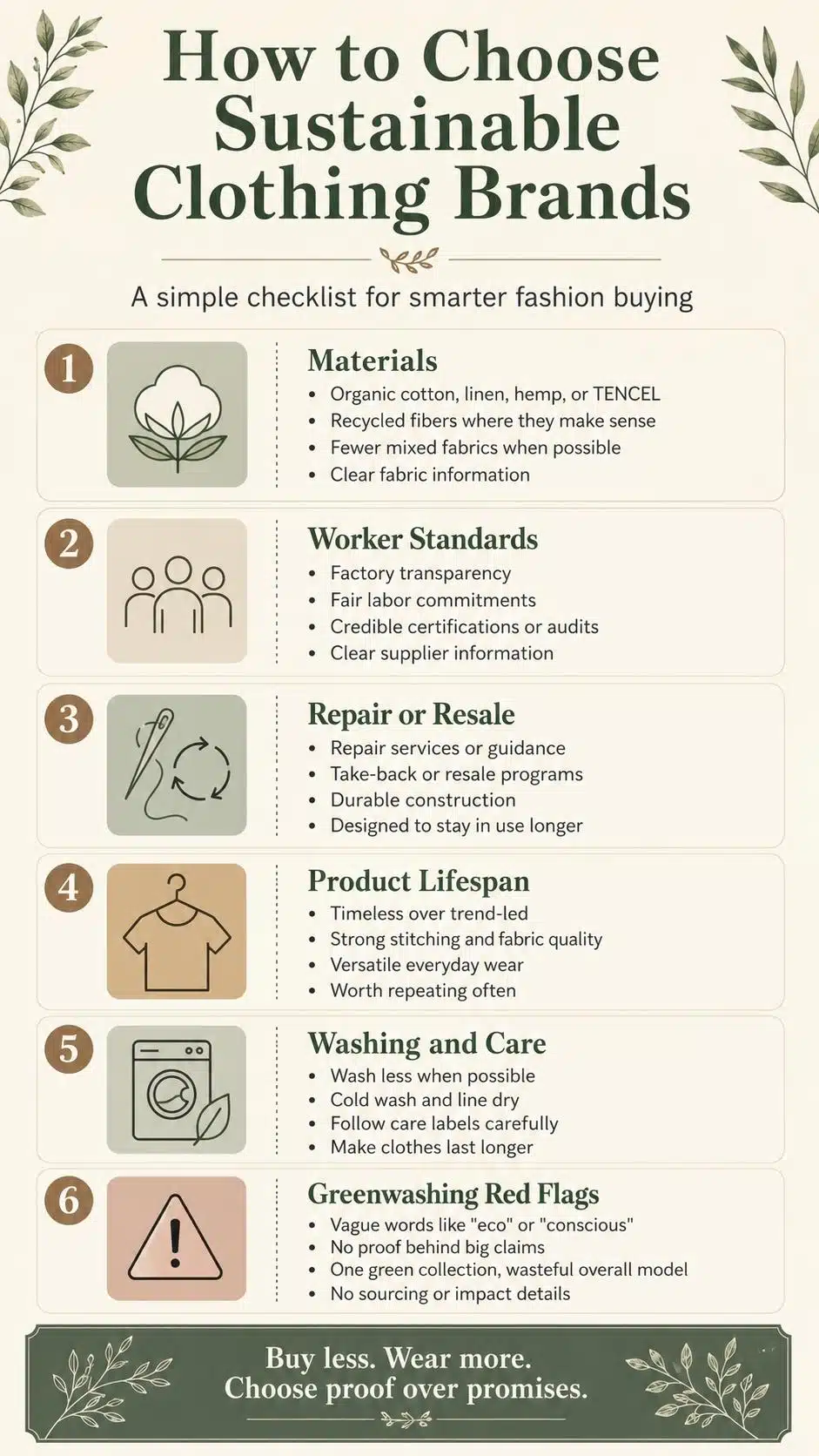
Be careful when a brand uses vague words without proof. Terms like conscious, natural, clean, green, eco-friendly, planet-safe, and responsible can mean very little if the brand does not explain the materials, factories, certifications, wages, packaging, or end-of-life options. A real sustainable clothing brand should make important information easy to find.
Look for:
- Material details
- Factory or supplier information
- Organic, recycled, Fair Trade, GOTS, OEKO-TEX, Fair Wear, or B Corp evidence where relevant
- Repair, resale, take-back, or recycling options
- Clear care instructions
- Public sustainability reports or impact updates
- Honest discussion of trade-offs
Avoid brands that make one small “eco” collection while the rest of the business still pushes constant trend cycles, overproduction, and low-quality clothing. Sustainability is not a capsule collection. It is a business model.
Wrapping Up: Buy Less, Then Buy Better
The best lesson from these sustainable clothing brands reviewed is not that you need a brand-new eco wardrobe. You do not. Most people need fewer clothes, better choices, and more patience. Buy a jacket that lasts. Repair jeans instead of replacing them.
Choose organic cotton basics when your old ones are truly finished. Pick activewear carefully. Avoid trend pieces you already know you will stop wearing. Patagonia, Pact, Eileen Fisher, Nudie Jeans, Outerknown, Kotn, tentree, ARMEDANGELS, and Girlfriend Collective all offer better options in different wardrobe categories. But none of them can make overconsumption sustainable.
Use this list as a filter, not a shopping command. Buy less. Wear more. Repair when possible. Choose proof over promises. That is the real heart of sustainable fashion.
Frequently Asked Questions About Sustainable Clothing Brands
1. What are the best sustainable clothing brands for beginners?
Pact, tentree, Kotn, and Girlfriend Collective are easy starting points because they cover everyday basics, casualwear, cotton essentials, and activewear. These are categories most people already buy, so the switch feels practical rather than overwhelming.
2. Are sustainable clothing brands always expensive?
Not always, but many cost more upfront because better materials, the brand reports certified factory production, repair systems, and transparency add cost. The smarter question is cost per wear. A $120 pair of jeans worn 150 times is better value than a $35 pair worn five times.
3. Which sustainable clothing brand is best for jeans?
Nudie Jeans is one of the strongest choices for denim because it uses organic cotton and offers free repairs. Eileen Fisher, Outerknown, and ARMEDANGELS are also worth checking, depending on your style and fit preference.
4. What is the difference between ethical fashion and sustainable fashion?
Ethical fashion usually focuses more on people, including wages, worker rights, fair treatment, and safer conditions. Sustainable fashion focuses more on environmental impact, including materials, waste, water, chemicals, emissions, and product lifespan. The best brands care about both.
5. Are recycled polyester clothes sustainable?
Recycled polyester can be better than virgin polyester because it uses existing plastic waste, but it is still synthetic. It can shed microfibers and is not a perfect circular solution. It is most useful in activewear or performance clothing that will be worn often and cared for properly.
6. How do I know if a clothing brand is greenwashing?
Look for proof. Stronger brands share material details, certifications, factory information, repair or resale programs, supplier standards, and impact reports. Weak brands rely on vague language, green visuals, and broad claims without explaining how their clothes are actually made.