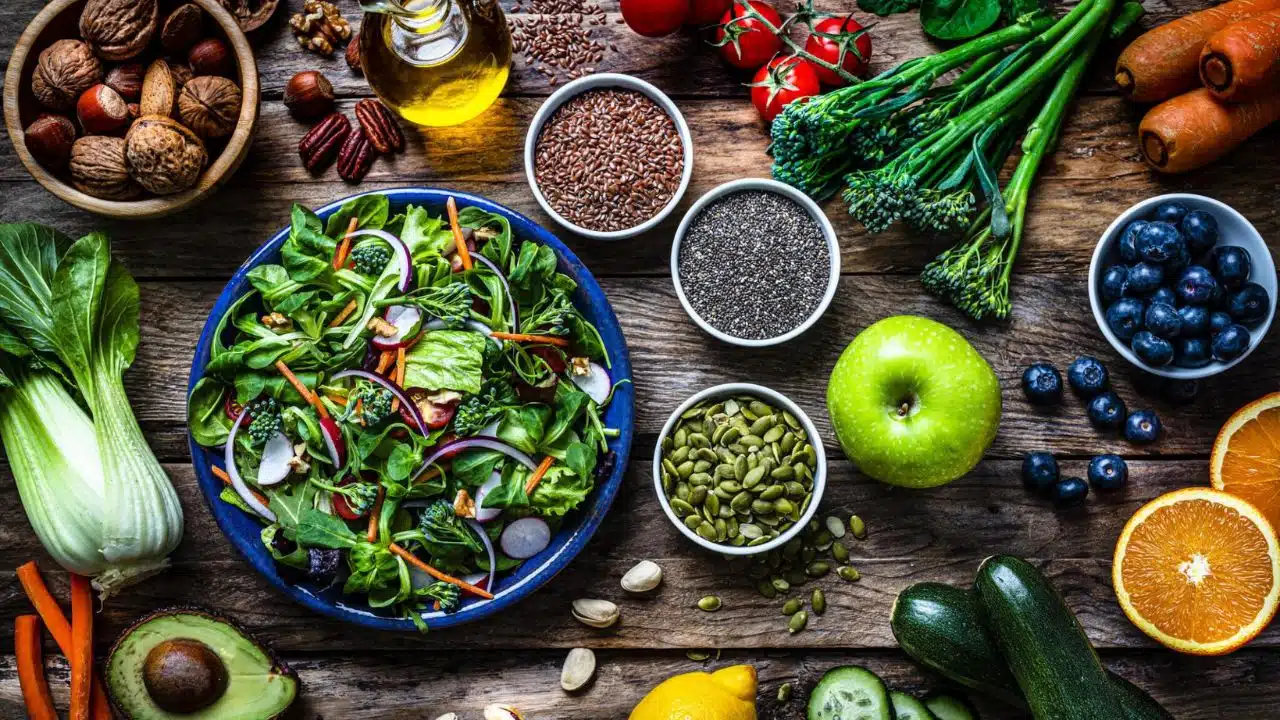
In the quest for optimal health, nutrition plays a crucial role. While a balanced diet is essential, certain foods stand out for their exceptional nutritional value and potential health benefits.
These “superfoods” are packed with vitamins, minerals, antioxidants, and other beneficial compounds that can help support overall well-being. In this article, we’ll explore the 15 best superfoods for optimal health that you should consider incorporating into your diet.
15 Best Superfoods for Optimal Health
The term “superfood” has captivated the health and wellness industry, often describing foods that offer maximum nutritional benefits for minimal calories.
These foods are loaded with antioxidants, polyphenols, vitamins, and minerals, which can help prevent chronic diseases, improve digestion, and enhance immune function. Incorporating the best superfoods for optimal health into your diet can be a game-changer, offering a path to improved well-being and vitality.
1. Blueberries
Blueberries are a powerhouse of antioxidants, particularly anthocyanins, which give them their vibrant blue color. These antioxidants help combat oxidative stress and inflammation in the body, potentially reducing the risk of chronic diseases such as heart disease, cancer, and cognitive decline. Blueberries are also rich in vitamin C, vitamin K, and fiber, making them a nutritious addition to your diet.
2. Salmon
Salmon is an excellent source of omega-3 fatty acids, specifically EPA and DHA, which are essential for brain function, heart health, and reducing inflammation. These healthy fats have been linked to a lower risk of cardiovascular disease, improved cognitive function, and better eye health. Salmon is also a good source of protein, vitamin D, and selenium.
3. Spinach
Spinach is a nutrient-dense leafy green that is low in calories but high in vitamins and minerals. It is an excellent source of vitamin K, vitamin A, vitamin C, folate, and iron. The antioxidants in spinach, such as lutein and zeaxanthin, help protect eye health and may reduce the risk of age-related macular degeneration. Spinach also contains nitrates, which can help improve blood flow and lower blood pressure.
4. Quinoa
Quinoa is a gluten-free pseudocereal that is a complete protein source, containing all nine essential amino acids. It is also rich in fiber, magnesium, phosphorus, and iron. The fiber in quinoa can help promote digestive health and feelings of fullness, while the magnesium and phosphorus contribute to bone health. Quinoa’s versatility makes it easy to incorporate into various dishes, from salads to stir-fries.
5. Avocado
Avocados are a great source of healthy monounsaturated fats, fiber, potassium, and vitamins K, C, and B6. The healthy fats in avocados can help improve cholesterol levels and support heart health. The fiber and potassium content may also contribute to better digestive health and blood pressure regulation. Avocados’ creamy texture and mild flavor make them a tasty addition to sandwiches, salads, and smoothies.
6. Berries
Berries (Raspberries, Strawberries, and Blackberries) Like blueberries, other berries such as raspberries, strawberries, and blackberries are rich in antioxidants, particularly flavonoids and ellagic acid. These antioxidants help protect cells from damage and may reduce the risk of chronic diseases. Berries are also a good source of vitamin C, folate, and fiber, which support immune function, cell growth, and digestive health.
7. Broccoli
Broccoli is a cruciferous vegetable that is packed with nutrients, including vitamin C, vitamin K, folate, and fiber. It also contains sulforaphane, a potent antioxidant that has been linked to cancer prevention. The fiber in broccoli supports digestive health and may help reduce the risk of chronic diseases such as diabetes and heart disease. Broccoli is versatile and can be enjoyed raw, steamed, or roasted.
8. Garlic
Garlic is not only a flavorful addition to many dishes but also a superfood with numerous health benefits. It contains sulfur compounds, such as allicin, which have anti-inflammatory and antimicrobial properties. Garlic has been shown to help lower blood pressure, improve cholesterol levels, and boost immune function. It may also have cancer-preventive properties, particularly against gastrointestinal cancers.
9. Chia Seeds
Chia seeds are tiny but mighty, packed with nutrients such as fiber, protein, omega-3 fatty acids, calcium, magnesium, and phosphorus. The high fiber content in chia seeds can help promote feelings of fullness, support digestive health, and regulate blood sugar levels. The omega-3 fatty acids in chia seeds are beneficial for heart health and brain function. Chia seeds can be easily incorporated into yogurt, smoothies, or baked goods.
10. Kale
Kale is another nutrient-dense leafy green that is rich in vitamins A, C, and K, as well as antioxidants such as lutein and zeaxanthin. Like spinach, these antioxidants support eye health and may reduce the risk of age-related macular degeneration. Kale is also a good source of calcium and iron, which are essential for bone health and oxygen transport in the body. Kale can be enjoyed raw in salads, sautéed, or baked into crispy chips.
11. Sweet Potatoes
Sweet potatoes are a nutritious root vegetable that is high in vitamin A, vitamin C, manganese, and potassium. The vitamin A in sweet potatoes is in the form of beta-carotene, which is converted to vitamin A in the body and supports eye health, immune function, and skin health. The fiber in sweet potatoes can help regulate blood sugar levels and promote digestive health. Sweet potatoes can be baked, roasted, or mashed for a delicious and healthy side dish.
12. Nuts
Nuts (Almonds, Walnuts, and pistachios) Nuts such as almonds, walnuts, and pistachios are nutrient-dense and offer a variety of health benefits. They are rich in healthy monounsaturated and polyunsaturated fats, protein, fiber, vitamin E, magnesium, and potassium. The healthy fats in nuts can help improve cholesterol levels and reduce the risk of heart disease. The fiber and protein content may also contribute to feelings of fullness and blood sugar regulation. Nuts make a great snack on their own or can be added to salads, yogurt, or oatmeal.
13. Turmeric
Turmeric is a spice that contains curcumin, a potent anti-inflammatory compound. Chronic inflammation is linked to various diseases, including heart disease, cancer, and Alzheimer’s disease. Curcumin has been shown to help reduce inflammation in the body and may have potential cancer-preventive properties. Turmeric can be added to curries, stir-fries, or even beverages like golden milk for a flavorful and health-boosting kick.
14. Ginger
Ginger is another spice with anti-inflammatory properties, thanks to compounds such as gingerols and shogaols. It has been used for centuries to help alleviate digestive issues, such as nausea and indigestion. Ginger may also help reduce muscle pain and soreness, as well as lower blood sugar levels. Fresh or dried ginger can be added to teas, smoothies, or stir-fries for a zesty and healthy flavor boost.
15. Dark Chocolate
Dark chocolate, with a cocoa content of 70% or higher, is rich in antioxidants called flavonoids. These antioxidants help protect cells from damage and may reduce the risk of heart disease by improving blood flow and lowering blood pressure. Dark chocolate also contains magnesium, iron, and fiber. However, it is important to choose dark chocolate with minimal added sugars and enjoy it in moderation as part of a balanced diet.
Incorporating these 15 best superfoods for optimal health into your diet can help provide a wide range of essential nutrients and potential health benefits. However, it is important to remember that no single food can provide all the nutrients your body needs. A balanced diet that includes a variety of fruits, vegetables, whole grains, lean proteins, and healthy fats is key to optimal health.
When adding superfoods to your diet, consider your individual needs and preferences. Some people may have allergies or sensitivities to certain foods, so it is essential to listen to your body and consult with a healthcare professional if you have any concerns.
In addition to diet, regular physical activity, adequate sleep, stress management, and staying hydrated are all crucial components of a healthy lifestyle. By incorporating these best superfoods for optimal health and adopting other healthy habits, you can support your overall well-being and reduce the risk of chronic diseases.
As with any dietary change, it is always best to consult with a qualified healthcare professional, such as a registered dietitian, to develop a personalized plan that meets your unique needs and goals. They can help you determine the appropriate portion sizes and frequency of consumption for each superfood based on your individual health status and requirements.
Conclusion
The 15 best superfoods for optimal health mentioned in this article—blueberries, salmon, spinach, quinoa, avocado, berries, broccoli, garlic, chia seeds, kale, sweet potatoes, nuts, turmeric, ginger, and dark chocolate—are nutrient-dense foods that can help support various aspects of health, from heart function to brain health to digestive wellness.
By incorporating these superfoods into a balanced diet and leading an overall healthy lifestyle, you can take proactive steps towards achieving optimal health and well-being.