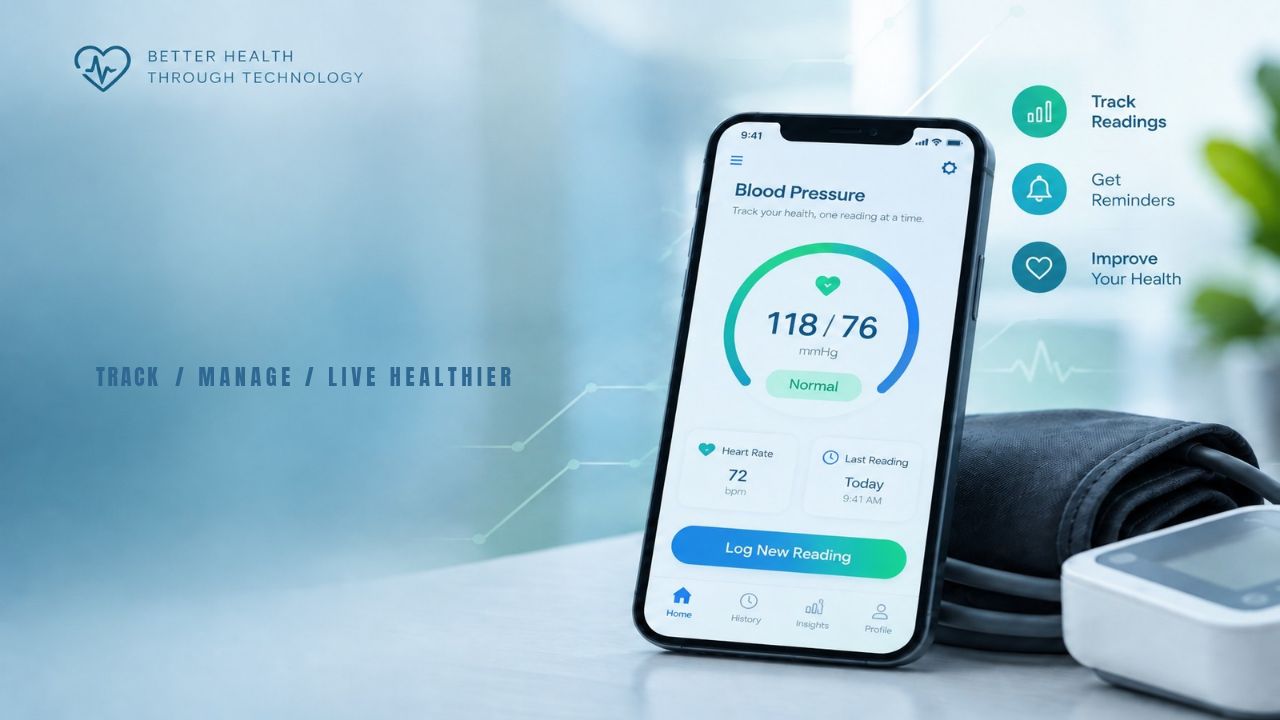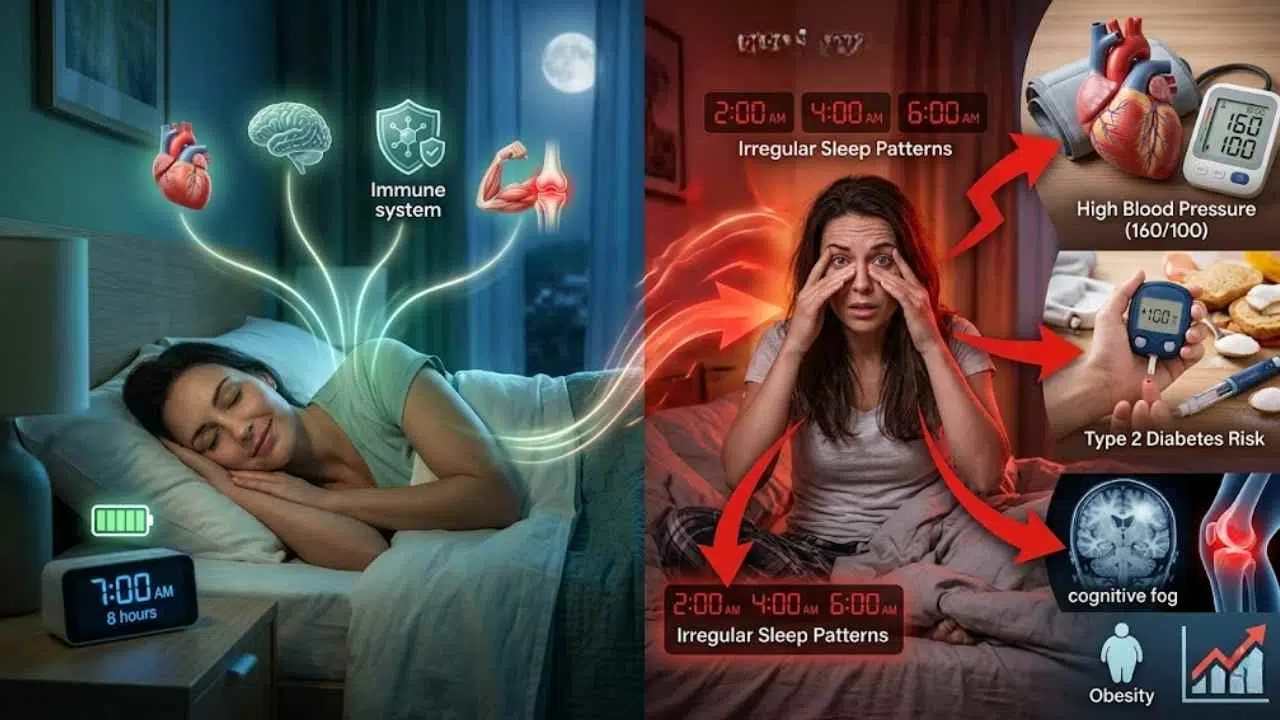
Ever wake up exhausted after a restless night? Poor sleep quality can quietly disrupt daily life and significantly impact long-term health. The Sleep Quality and Chronic Disease Link is clear—insufficient sleep increases the risk of obesity, diabetes, and cardiovascular disease, according to the National Institutes of Health. Like a car running on empty, the body struggles to function without proper rest.
This article explores how sleep patterns affect chronic illness and shares expert-backed strategies from the American Academy of Sleep Medicine to improve sleep and reduce health risks. Ready to take control of better sleep?
Understanding Sleep Quality
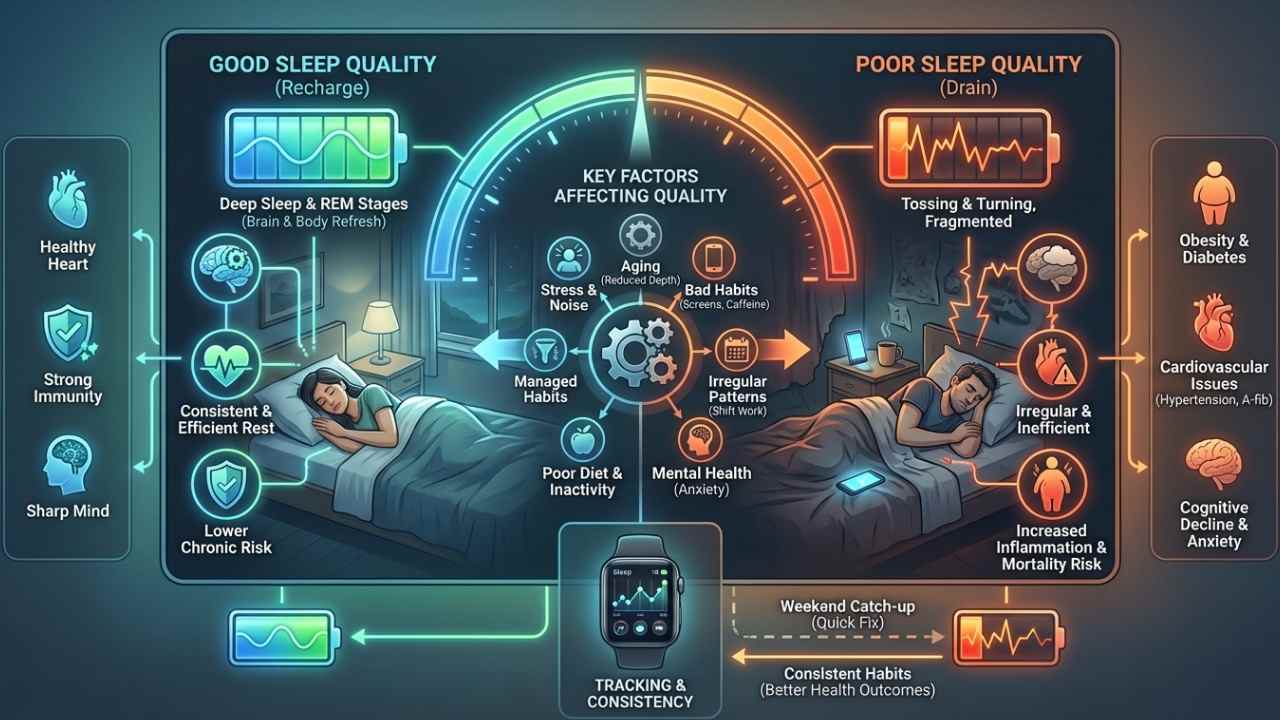
Ever wonder why some nights leave you refreshed, while others make you drag through the day like a zombie? Sleep quality goes beyond just hours in bed; it involves deep sleep stages, REM cycles, and how well you stay asleep without tossing and turning.
Definition of sleep quality
Sleep quality means how well you rest each night, not just the hours you clock in bed. Experts from the National Sleep Foundation describe it as a mix of sleep duration, sleep regularity, and sleep efficiency.
You get deep sleep and rapid eye movement (REM) sleep stages that refresh your body and mind. Poor sleep quality hits hard, linking to obesity, diabetes, and cardiovascular diseases like hypertension and atrial fibrillation.
Think of it like a battery recharge; skimpy or choppy sleep leaves you running on fumes, raising risks for chronic conditions and even all-cause mortality. Aging often cuts sleep quality and quantity, fueling chronic illness and inflammation.
People with these issues need solid sleep for better health outcomes, as the Centers for Disease Control and Prevention note in their reports.
Poor sleep health is associated with increased all-cause mortality rates, says a study from Nature Medicine.
Sleep disorders mess with this quality, leading to sleep deprivation that strains your heart and boosts chances of depression, anxiety, and cognitive decline. Track it with wearable devices or actigraphy for data-driven insights, like those from the All of Us Research Program.
Healthy People 2030 pushes for better sleep habits to prevent chronic disease, including heart disease and stroke. Weekend catch-up sleepers might feel a quick fix, but consistency matters most for immune function and brain development.
Key factors affecting sleep quality
Poor sleep hits hard on your body, folks. Think of it like running a car without oil, it breaks down over time. Key factors mess with sleep quality, such as stress from daily life or noisy environments that keep you tossing all night.
Age plays a big role too, as folks get older, they often face a drop in both sleep amount and depth, which ramps up risks for chronic ills. Add in bad habits like late-night screens or caffeine binges, and you invite trouble.
These issues tie straight to problems like obesity, diabetes, and hypertension, as studies show. Even irregular patterns, you know, like shifting work hours, disrupt your body’s natural rhythm, leading to frailty and higher all-cause mortality rates.
Your lifestyle choices shape sleep big time, no joke. Diet packed with junk food stirs up inflammation, making rest tougher for those with chronic conditions. Physical activity levels matter; too little leaves you wired at bedtime.
Mental health sneaks in here, with anxiety or depression often stealing peaceful nights, boosting risks for cognitive decline and dementia. Don’t forget meds or health woes like hyperlipidemia that throw off your slumber.
Experts like Evan Brittain and Alberto R. Ramos point to longitudinal sleep data showing these links to cardiovascular diseases. Tools like commercial wearable devices help track this, offering data-driven insights to fight back against poor sleep’s grip on public health.
Chronic Diseases Linked to Poor Sleep
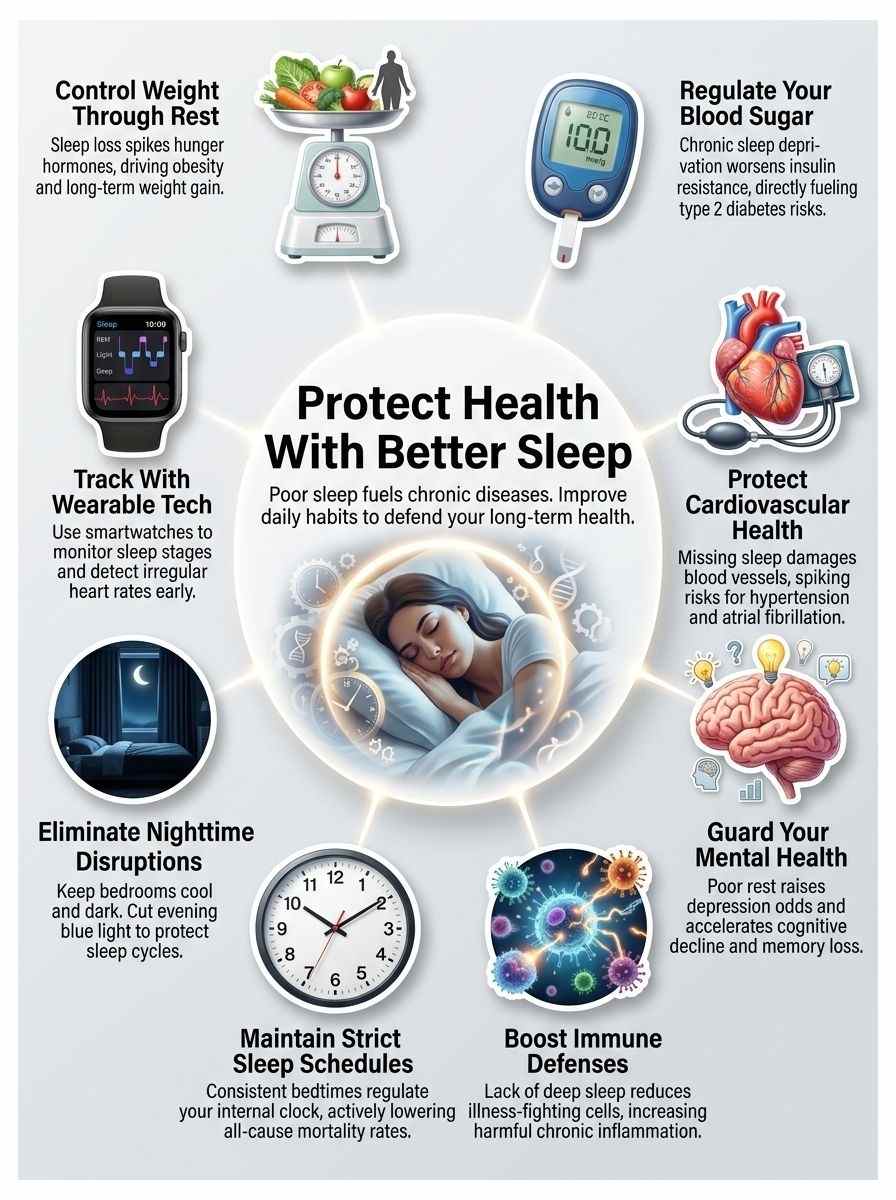
Your body as a car that runs low on fuel night after night, it starts breaking down in scary ways, like piling on extra weight or spiking blood sugar levels that scream type 2 diabetes.
Poor sleep doesn’t just leave you groggy, it ramps up risks for heart attacks and high blood pressure, according to groups like the American Heart Association, so let’s explore how to dodge these traps.
Obesity
Poor sleep hits hard on your weight. It links straight to obesity, as studies show. Insufficient sleep messes with your hormones, making you hungrier for junk food. Chronic sleep loss packs on the pounds over time.
Experts at the American Heart Association warn about this in their Life’s Essential 8 guidelines. They push for better sleep to fight obesity and boost cardiovascular health. Dayna A Johnson from Emory University points out how irregular sleep raises obesity risks, especially in adults.
Alberto R Ramos at the University of Miami ties poor sleep to higher chances of chronic conditions like obesity.
Chronic sleep deprivation may lead to obesity, diabetes, and cardiovascular disease in the long term, notes the U.S. Department of Health and Human Services.
Sleep shortfalls add up, increasing all-cause mortality rates too. Think of it like a slow-burning fire in your body, fueling inflammation that worsens obesity. The Sleep Research Society stresses consistent sleep patterns for preventing chronic disease.
Poor sleep health connects to many issues, including cognitive health dips. Grab those sleep recommendations, folks, and dodge the obesity trap with steady shut-eye.
Diabetes
Sleep robs your body of balance, and that hits hard with diabetes. Chronic sleep deprivation sparks obesity, which often leads to type 2 diabetes over time. You feel the drag, like running on empty, as your hormones go haywire without enough rest.
Studies show this link clear as day, with poor sleep boosting your risk for this chronic condition. Imagine skimping on shut-eye night after night; it piles on the pounds and messes with blood sugar control.
Experts, like those from the American Academy of Pediatrics, warn about these dangers, especially in youth. Data from the Behavioral Risk Factor Surveillance System backs this up, highlighting how irregular sleep patterns fuel diabetes rates across groups.
Folks already battling diabetes face extra hurdles with bad sleep. Chronic inflammation flares up in these cases, and quality rest helps tame it. Think of sleep as your body’s reset button, vital for managing symptoms.
Napping might seem like a quick fix, but it disrupts your circadian rhythm if not done right. Research from polysomnograms reveals how rapid eye movement sleep suffers in diabetics with poor habits.
The National Survey of Children’s Health points to rising issues in high school students, tying sleep woes to early diabetes risks. Electronic health records track these patterns, showing Life’s Essential 8 metrics improve with better sleep.
Cardiovascular diseases
Poor sleep hits your heart hard. It adds extra strain on the cardiovascular system, like a car engine running on fumes. Over time, this leads to damage that sneaks up, with severe symptoms popping up later.
Researchers, including Anne G. Wheaton, point out how insufficient sleep ties into atrial fibrillation and hypertension. Think of it as ignoring oil changes; eventually, the whole machine breaks down.
Chronic sleep loss boosts risks for cardiovascular diseases, obesity, and diabetes in the long run. Emerging evidence links sleep deprivation to adverse cardiometabolic health outcomes too.
People with these issues often deal with chronic inflammation, so quality rest becomes a key player in managing health.
Aging brings a drop in sleep quality and quantity, fueling chronic illnesses like heart problems. Poor sleep health connects to higher all-cause mortality rates, almost like shortening your own timeline.
It raises the incidence of many chronic conditions, including cancer in some studies. Circadian disparities throw off your body’s rhythm, worsening heart risks. Follow guidelines, such as the Canadian 24-Hour Movement Guidelines for Children and Youth, to build better habits early.
Data from the Youth Risk Behavior Surveillance System shows how school health ties into this, with sleep patterns affecting young hearts. Chronic sleep deprivation may even contribute to early mortality, making every night count for your ticker.
Hypertension
Hypertension sneaks up like a silent storm, folks. Insufficient sleep ties right into this blood pressure beast, raising your risks big time. Think about it, chronic sleep loss puts extra strain on your heart and vessels, leading to damage that builds over years.
Emerging evidence shows poor sleep links to hypertension and even atrial fibrillation, according to experts like Anne G. Wheaton. You feel that fatigue day in and day out? It adds up, folks, boosting chances for cardiovascular woes and higher all-cause mortality rates.
Aging makes matters worse, with sleep quality dipping and feeding into chronic illness like hypertension. People already dealing with high blood pressure face chronic inflammation too, so solid shut-eye becomes your secret weapon for management.
Irregular rest patterns? They spike obesity and diabetes risks, which often team up with hypertension for a tough combo. Stick to steady habits, and you cut those odds, keeping your system in check without the drama.
The Science Behind the Connection
Sleep acts like your body’s master mechanic, tuning hormones such as cortisol and melatonin to balance stress and energy, while charging up immune cells to battle infections and inflammation—research from experts like Anne G.
Wheaton shows this cuts chronic disease risks, so dive deeper with us below!
Role of sleep in regulating hormones
Your body relies on good sleep to balance hormones, like insulin and cortisol, that control hunger and stress. Chronic sleep loss disrupts this balance, spiking cortisol levels and throwing off insulin sensitivity.
Experts, including Anne G Wheaton from the CDC, highlight how this imbalance fuels obesity and diabetes over time. Think of it as your internal clock getting jammed; without enough rest, hormones go haywire, paving the way for weight gain and blood sugar issues.
Studies show insufficient sleep ties directly to these problems, adding strain that builds up quietly.
This hormonal chaos from poor sleep also links to heart troubles, boosting risks for hypertension and atrial fibrillation. Imagine hormones as traffic cops in your system; bad sleep lets chaos rule, leading to inflammation and long-term damage.
People facing chronic conditions need solid rest to manage this, as it cuts down on extra cardiovascular stress. Emerging evidence ties sleep deprivation to higher chances of dementia too, with irregular patterns worsening the mix.
All this raises all-cause mortality rates, making quality shut-eye a key player in dodging serious health pitfalls, even touching on major depressive disorder and generalized anxiety disorder through stress hormone spikes.
Impact of sleep on immune function
Sleep plays a key role in keeping your immune system strong. It regulates the body’s defense against illness and infection. Poor sleep disrupts this balance, leading to higher inflammation levels.
People with chronic conditions often face ongoing inflammation, so good sleep becomes vital for their health. Studies show that insufficient sleep links to obesity, diabetes, and heart issues, all tied to weakened immunity.
Chronic sleep loss strains the body, raising risks for many diseases.
Your body repairs itself during deep sleep stages. This process boosts immune cells that fight off threats. Emerging evidence points to sleep deprivation as a factor in dementia and higher mortality rates.
Aging brings drops in sleep quality, which adds to chronic illness through poor immune function. Think of sleep as fuel for your body’s warriors; without it, they falter. Consistent rest helps lower hypertension and atrial fibrillation risks by supporting immune health.
Effects of Poor Sleep on Mental Health
Lack of good sleep ramps up your chances for major depressive disorder and panic attacks, plus it fogs your thinking and wipes out sharp recall, like trying to recall your keys after a rough night—want the fix? Stick around for tips that hit home.
Increased risk of depression and anxiety
Poor sleep hits your mood hard, folks. It ramps up the odds of depression and anxiety sneaking in. Think of it like a storm cloud that won’t budge, darkening your days without enough rest.
Studies show sleep deprivation ties right into these mental health struggles, much like it boosts risks for dementia and other issues. You feel that weight, right? Chronic sleep loss strains your mind, making emotions tougher to handle.
This connection runs deep with general health woes. Poor sleep health links to higher all-cause mortality rates, and it spikes the incidence of many chronic conditions, including those nagging feelings of worry or sadness.
Imagine your brain as an overworked engine, sputtering from lack of downtime. Aging worsens this, with declining sleep quality fueling more illness. People with chronic issues face extra inflammation too, so solid shut-eye becomes a real lifeline for keeping anxiety at bay.
Cognitive decline and memory issues
Sleep robs your brain of its sharpness over time. You might forget names or struggle with focus after a few bad nights. Emerging evidence links sleep deprivation to a higher risk of dementia.
This hits hard as you age, since sleep quality often drops then. Think of your mind as a library; poor sleep scatters the books, making recall tough. Chronic sleep loss strains your whole system, boosting chances of cognitive slip-ups.
People face memory fog that creeps in, turning simple tasks into puzzles.
Aging brings less sleep, and that decline fuels brain woes. You could notice slower thinking or hazy recollections from skimping on rest. Studies show poor sleep ties to cognitive decline, like a fog rolling over your thoughts.
Imagine trying to jog with weights on; that’s your brain without good shut-eye. Chronic deprivation may lead to early mortality too, as inflammation builds in those with ongoing issues.
Quality rest acts like a reset button for memory, keeping your edge sharp against these threats.
Improving Sleep Quality to Prevent Chronic Disease
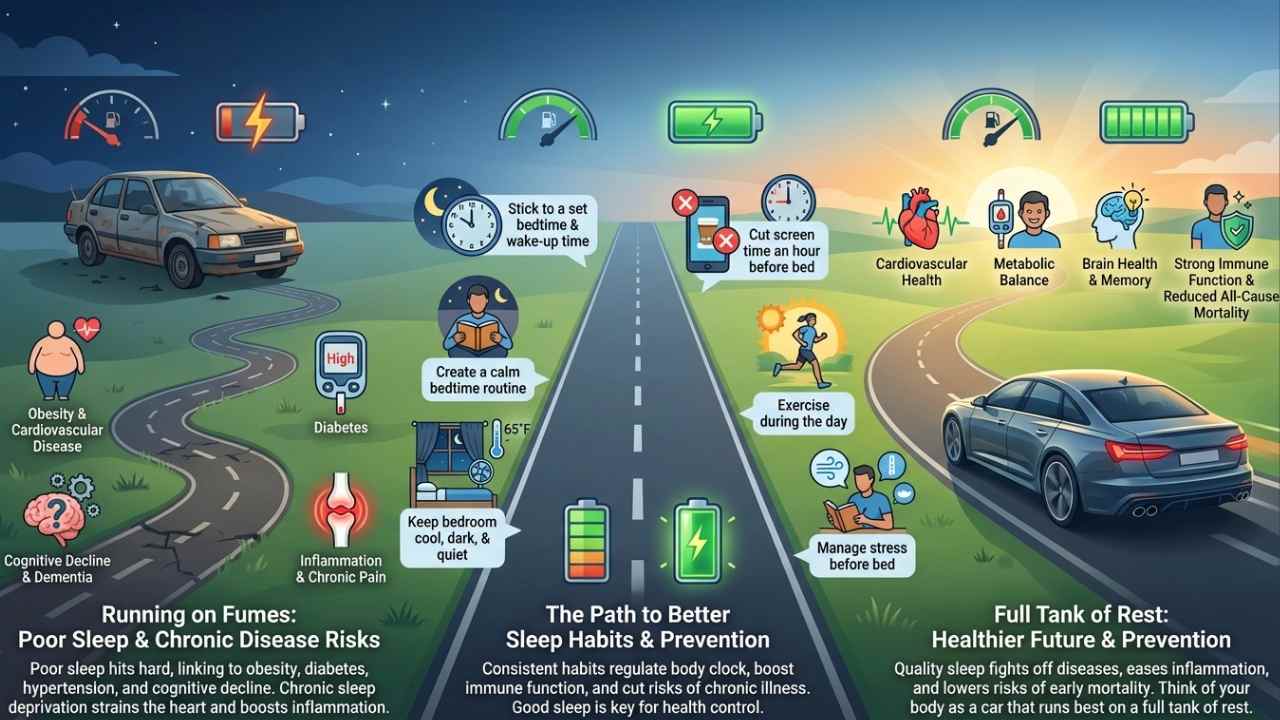
Think your body as a car that runs best on a full tank of rest, so kick off better habits like hitting the sack at the same time each night, ditching caffeine after noon to slash those pesky wake-ups, and keeping your bedroom cool and dark for deeper slumber that fights off diseases—curious how these tweaks can change your life, keep scrolling for more tips!
Adopting healthy sleep habits
Good sleep habits fight chronic diseases. They boost your health and cut risks, like those from sleep loss.
- Stick to a set bedtime and wake-up time every day, even on weekends, to keep your body’s clock steady; this cuts the risk of obesity, atrial fibrillation, and hypertension from irregular sleep, as studies show poor sleep ties to these issues and boosts all-cause mortality rates.
- Create a calm bedtime routine, like reading or light stretching, to signal your body it’s time to wind down; poor sleep health links to more chronic conditions, and consistent patterns help regulate hormones that prevent diabetes and heart disease, since chronic sleep loss strains the cardiovascular system over time.
- Keep your bedroom cool, dark, and quiet to avoid disruptions that harm sleep quality; emerging evidence connects sleep deprivation to bad cardiometabolic outcomes and higher dementia risk, so reducing noise or light eases inflammation in folks with chronic illnesses who need rest for better management.
- Cut screen time at least an hour before bed, as blue light messes with your sleep cycle; insufficient sleep raises chances of obesity, diabetes, and cardiovascular diseases in the long run, and it adds hidden damage to your heart that shows up later as severe symptoms.
- Limit caffeine and heavy meals in the evening to dodge restlessness that ruins rest; aging often brings less sleep quantity and quality, which fuels chronic illness, but healthy habits counter this by improving immune function and lowering risks of depression, anxiety, cognitive decline, and memory problems tied to poor sleep.
- Exercise during the day, but not too close to bedtime, to tire your body naturally; chronic sleep deprivation may lead to early mortality, and it stands as a firm risk factor for many chronic diseases, so active steps like this help you sleep deeper and fend off hypertension or other heart woes.
- Manage stress with techniques like deep breathing or journaling before bed, since tension steals quality shut-eye; people with chronic conditions face more inflammation, making solid sleep key for health control, and good habits reduce the extra cardiovascular strain from ongoing sleep loss.
Consistency in sleep patterns
Consistency matters a lot in your sleep routine. It helps fight off chronic diseases like obesity and diabetes.
- Stick to a fixed bedtime and wake-up time every day, even on weekends, to keep your body’s internal clock in sync; this cuts down on irregular sleep, which links to higher risks of obesity, atrial fibrillation, and hypertension, as studies show.
- Aim for the same sleep hours nightly, say seven to nine, to avoid the strain that chronic sleep loss puts on your heart; think of it like not letting your car’s engine run on empty, since that ongoing stress leads to cardiovascular damage over time.
- Build a pre-bed ritual, you know, like reading a book or dimming lights, to signal your brain it’s time to wind down; this fights the decline in sleep quality that comes with aging, a factor that boosts chronic illness and even dementia risks.
- Cut out naps that mess with your main sleep block, especially if you’re dealing with conditions tied to inflammation; quality sleep then becomes your secret weapon for managing health, reducing that all-cause mortality bump from poor sleep habits.
- Track your patterns with a simple journal, jotting down bedtimes and how you feel; evidence points to poor sleep as a clear risk for chronic diseases, including diabetes and heart issues, so this habit keeps things steady and wards off long-term threats like early mortality.
Reducing sleep disruptions
Poor sleep keeps you from feeling your best, and it ramps up risks for serious health issues like obesity and heart problems. Cut down on those nightly wake-ups, and you’ll guard against chronic diseases that sneak up over time.
- Create a cool, dark bedroom to fend off light and heat that jolt you awake; think blackout curtains and a fan, since chronic sleep loss strains your heart and boosts chances for diabetes or hypertension, as studies show.
- Stick to a no-screen rule an hour before bed, swapping scrolls for a book, because blue light messes with your hormones, tying into higher obesity rates and even atrial fibrillation from irregular sleep patterns.
- Cut caffeine after noon, folks, it lingers and sparks those 3 a.m. stares at the ceiling, and poor sleep health links to increased all-cause mortality, making every solid night a win against early death.
- Exercise in the morning or afternoon, not close to bedtime, to tire your body without revving it up; this habit fights the inflammation in chronic conditions, where quality rest becomes key for managing ills like cardiovascular disease.
- Wind down with a warm bath or herbal tea, like chamomile, to signal your brain it’s time to chill; emerging evidence ties sleep deprivation to dementia risks, so smooth nights help keep your mind sharp and fend off cognitive decline.
- Use a white noise machine to drown out street sounds or snoring partners, turning your room into a quiet cave; insufficient sleep associates with hypertension and obesity, and taming disruptions eases that extra cardiovascular strain over years.
- Keep pets out of the bed if they wiggle and wake you, opting for their own cozy spot instead; aging brings dips in sleep quality that fuel chronic illness, so steady rest counters those all-cause mortality hikes.
- Journal worries before lights out to unload your mind, like dumping mental baggage; poor sleep ramps up depression and anxiety, and curbing interruptions bolsters immune function against many chronic conditions.
Role of Technology in Sleep Monitoring
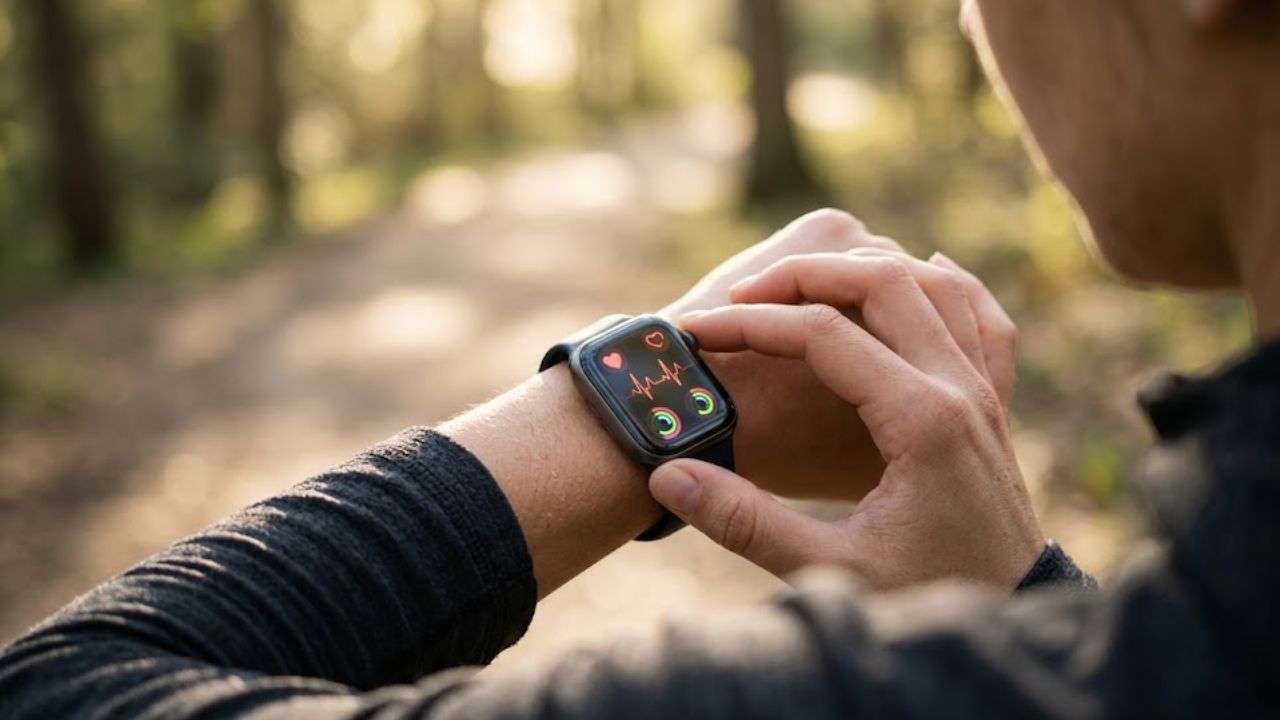
Ever feel like your watch knows you better than you do, tracking every toss and turn? Smartwatches and apps, like those from Fitbit or Oura Ring, monitor sleep stages and heart rate variability, giving you real data to tweak your habits and dodge those chronic health pitfalls down the road.
Wearable sleep tracking devices
You might wonder how gadgets on your wrist can battle chronic woes like obesity or hypertension, but they pack a punch by spotting sleep snags early.
| Device Type | How It Helps | Link to Health Risks |
|---|---|---|
| Smartwatch trackers like Apple Watch | These gadgets monitor your heart rate and movement at night. | They flag irregular sleep that ties to atrial fibrillation and higher all-cause mortality rates. |
| Ring devices such as Oura Ring | Trackers like this measure sleep stages and quality with precision. | Poor scores warn of risks for diabetes and cardiovascular disease from chronic sleep loss. |
| Wristband monitors, think Fitbit | They log your sleep patterns and alert you to disruptions. | Data shows ties to obesity and hypertension, plus extra strain on your heart over time. |
| Sleep apps paired with wearables | Apps analyze data for insights on hormones and immune tweaks. | They highlight how bad sleep boosts inflammation in folks with chronic conditions. |
| Advanced sensors in Garmin devices | Sensors detect light versus deep sleep phases. | Findings link poor sleep to dementia risks and cognitive decline as you age. |
| Portable EEG headbands | These tools scan brain waves for true rest quality. | They connect sleep dips to depression, anxiety, and even early mortality odds. |
Data-driven insights for better sleep management
Wearable devices track your sleep patterns with precision. They gather data on how long you sleep, and how deep that rest goes. This info reveals links to health risks, like obesity or diabetes from poor sleep.
Your smartwatch whispering, hey, that irregular schedule boosts your hypertension odds. Data shows chronic sleep loss strains your heart, leading to damage over time. People see real changes when they act on these insights, cutting risks for conditions such as atrial fibrillation.
You get alerts on immune dips from bad nights, tying into higher dementia chances. Trackers highlight inflammation in folks with chronic ills, stressing sleep’s role in management.
One user shared, my app flagged late snacks messing with my rest, and fixing that dropped my anxiety. Data ties poor sleep to more depression, plus early mortality. Use these tools to spot patterns, like aging’s toll on sleep quantity, then tweak habits for better health.
Final Thoughts
We’ve seen how poor sleep ties to obesity, diabetes, and heart issues, plus its hit on hormones and mental health. You can fight back with simple habits like steady bedtimes and fewer distractions, making big changes without much fuss.
These steps cut disease risks and boost your daily energy, proving good rest acts like a shield for long-term wellness. Check out apps or fitness bands for tracking your nights, they offer smart tips to tweak your routine.
Go ahead, prioritize that shut-eye tonight, your future self will thank you.
Frequently Asked Questions (FAQs) About Sleep Quality and Chronic Disease Link
1. What’s the real link between bad sleep and chronic diseases like diabetes?
Poor sleep messes with your body’s rhythms, you know, like throwing a wrench in the works, and that boosts risks for stuff like heart disease and obesity. Think of it as your body crying out for a good night’s rest to fight off those long-term health woes.
2. Can better sleep quality cut my chances of getting a chronic illness?
Yes, catching those Z’s properly acts like a shield against ailments such as high blood pressure. It helps regulate hormones and keeps inflammation in check, so you’re not just dreaming of better health, you’re living it.
3. Which chronic diseases tie back to how well I sleep?
Diseases like type 2 diabetes, stroke, and even depression often stem from skimpy sleep; it’s no joke, skimping on shut-eye is like inviting trouble to dinner. Your immune system weakens, and stress hormones skyrocket, paving the way for these issues. Remember that time you pulled an all-nighter and felt like a zombie? Multiply that feeling over years, and you’ve got a recipe for real problems.
4. How do I boost my sleep to dodge chronic diseases?
Start simple: stick to a bedtime routine, dim those lights early, and cut the caffeine after noon. It’s like training your body for a marathon of good health.