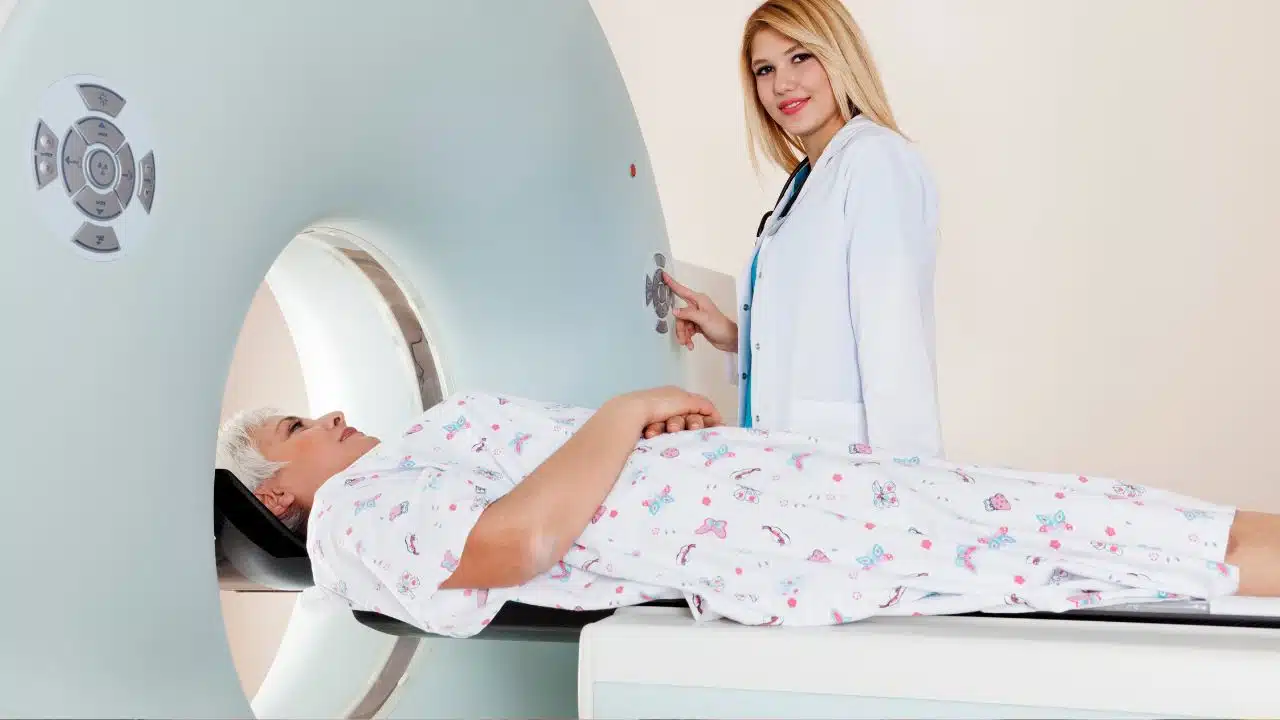
A large international clinical trial reports that many people with early-stage breast cancer who undergo a mastectomy and receive modern anti-cancer drug therapy can safely skip chest-wall radiotherapy. After a decade of follow-up, overall survival was essentially the same whether patients received radiotherapy or not. This challenges long-standing habits that defaulted to radiotherapy in many intermediate-risk cases and provides clearer ground for patient-clinician discussions focused on benefit, burden, and personal priorities.
Trial Overview: Who Was Studied and How the Research Was Run
The study—known as SUPREMO (Selective Use of Postoperative Radiotherapy after Mastectomy)—focused on patients at intermediate risk of the cancer returning after surgery. This group included those with one to three affected lymph nodes, as well as node-negative patients whose tumors had other aggressive features that raise recurrence risk. In total, 1,607 patients from 17 countries were enrolled. Every participant had a mastectomy, axillary surgery to remove lymph nodes from the armpit, and contemporary systemic therapy (the current standard mix of anti-cancer drugs tailored to tumor biology).
Participants were randomly assigned to either receive chest-wall radiotherapy (808 patients) or no radiotherapy (799 patients). Randomization and long follow-up are key strengths: they balance known and unknown factors between groups and allow the trial to capture both short- and long-term outcomes that truly matter.
Results in Detail: Survival, Recurrence, and Side Effects
After 10 years, overall survival was nearly identical: 81.4% of patients who had radiotherapy were alive versus 81.9% of those who did not—an immaterial difference that indicates no survival advantage from adding chest-wall radiotherapy for this population when modern drugs are used. Disease-free survival—the time patients lived without any return of cancer—was also similar between groups, and there was no reduction in cancer spreading elsewhere in the body.
Radiotherapy did lower local chest-wall recurrences: 9 patients who received radiotherapy had a return on the chest wall versus 20 among those who did not. This is a modest absolute reduction in local events that did not translate into longer life or improved freedom from spread. Reported side effects from radiotherapy were generally mild, and there was no excess of cardiac deaths in the radiotherapy group, an important safety signal given historical concerns about heart exposure during chest treatments.
Taken together, the data show that for most intermediate-risk patients, the trade-off of routine chest-wall radiotherapy—added visits, potential skin changes, fatigue, and possible impact on breast reconstruction—does not produce a survival gain in the modern treatment era. The local-control benefit exists but is small enough that many patients will reasonably choose to omit radiotherapy once fully informed.
Clinical Implications: Updating Habits Built on Older Evidence
For decades, use of post-mastectomy radiotherapy in intermediate-risk patients leaned on older trials conducted before today’s targeted and systemic therapies became routine. Those earlier studies often showed broader benefits from radiotherapy, especially in reducing local failure, and they shaped guidelines and practice patterns around the world. As systemic therapies improved and baseline recurrence risk fell, it became essential to re-test whether radiotherapy still adds meaningful benefit in these specific patients.
SUPREMO delivers that modern answer: when effective drug therapy is in place, routine chest-wall radiotherapy for intermediate-risk patients does not improve overall survival or disease-free survival at 10 years. This supports more selective, personalized decisions. Many will prioritize avoiding unnecessary treatment—particularly those planning or maintaining breast reconstruction, or those wishing to minimize long-term toxicity risk—while recognizing that a small reduction in local recurrence with radiotherapy may still sway some individuals.
Crucially, these results do not apply to everyone. Patients at higher risk—for example, with four or more positive lymph nodes or other very high-risk features—may still benefit from radiotherapy and should continue to be evaluated accordingly. The trial’s message is precision, not blanket omission: use radiotherapy where it meaningfully changes outcomes, and omit it where it doesn’t.
Collaboration and Leadership: How the Evidence Was Built
The trial was led from the University of Edinburgh with an international research network across the UK, Netherlands, Australia, China, and additional countries. It was supported by a partnership of public and charitable funders and jointly sponsored by academic and public health institutions.
Investigators emphasized that while radiotherapy toxicity was generally mild in this study, any avoidable exposure matters—especially because side effects can emerge years later and can affect reconstruction outcomes. They also underscored a broader point: high-quality, long-term, internationally coordinated trials are essential to retire outdated assumptions and ensure patients receive only the treatments that truly improve their long-term health and quality of life.
The Information is Collected from News Medical and NYTimes.