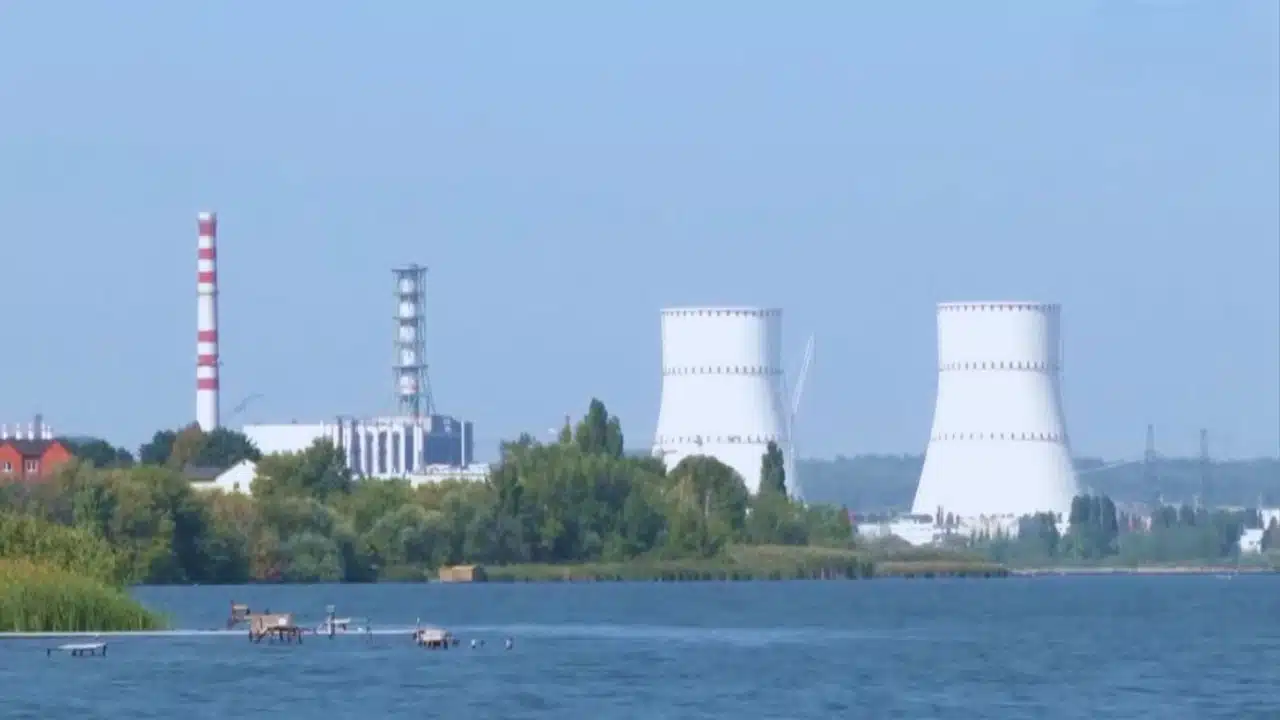
Russian officials reported on August 24, 2025, that a fire broke out at the Kursk Nuclear Power Plant in western Russia after a Ukrainian drone attack. According to statements from the plant’s operators, Russian air defenses intercepted the drone, but when it crashed, it exploded and damaged a power transformer outside the reactor area.
The incident temporarily reduced the capacity of Unit 3 at the plant by half, but radiation levels stayed within normal limits. Authorities quickly stressed that the fire was contained, no casualties were recorded, and there was no danger to the nuclear reactors themselves. Nuclear experts explained that transformers supply electricity for plant operations, but damage to them does not directly compromise the reactor core or radiation shielding.
The attack raised fresh concerns about the risks of military operations near nuclear facilities. The International Atomic Energy Agency (IAEA) has repeatedly urged both Moscow and Kyiv to exercise “maximum restraint” and avoid targeting or placing nuclear sites in danger, given the potential for catastrophic accidents.
Ukraine’s Independence Day: A Symbolic Backdrop
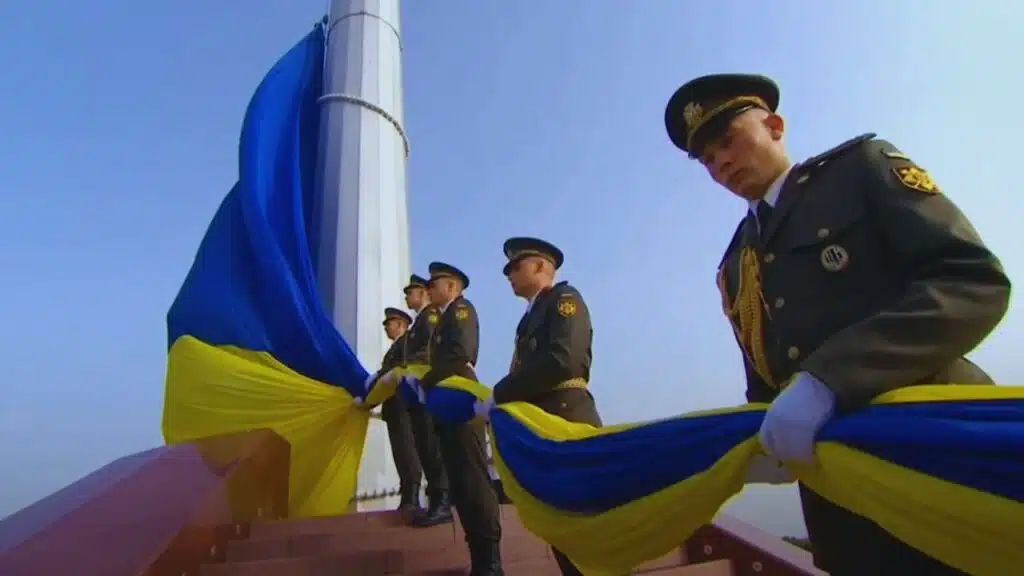
The timing of the strike carried symbolic weight. The incident happened as Ukraine celebrated its Independence Day, marking the 34th anniversary of its breakaway from the Soviet Union in 1991. Across Kyiv, citizens held parades, concerts, and remembrance events honoring soldiers and civilians who lost their lives since Russia’s full-scale invasion in February 2022.
Ukrainian officials framed the day as a reminder of resilience and sovereignty. While President Volodymyr Zelensky did not immediately comment on the Kursk incident, he highlighted Ukraine’s determination to continue fighting until peace and independence are fully secured.
Internationally, Ukraine’s allies marked the day with gestures of support. The UK government raised Ukrainian flags over Downing Street in London as a sign of solidarity. Britain also confirmed that its Operation Interflex training mission—the program that has already trained tens of thousands of Ukrainian soldiers since 2022—will continue at least until the end of 2026. According to Defence Secretary John Healey, this extension reflects the UK’s commitment to strengthening Ukraine’s defense capacity against Russian aggression.
Military Updates: Russia Claims Gains in Donetsk
While nuclear safety concerns dominated headlines, fighting on the battlefield continued. Russia announced that its forces had seized two villages in the Donetsk region, part of eastern Ukraine that Moscow has sought to fully capture since the early months of the war.
However, analysts noted that Russia’s advances remain slow and come at high human and material costs. More than three years after the start of the full-scale invasion, Russian troops control around 20% of Ukraine’s territory, including much of the Donbas and the Crimean Peninsula, annexed in 2014.
Ukrainian military officials said their troops remain engaged in heavy defensive battles across multiple fronts. They also suggested that Russia’s incremental territorial gains do not change the overall balance of the war, pointing to Russia’s high casualty rates and logistical strain.
Diplomatic Front: Peace Talks at a Standstill
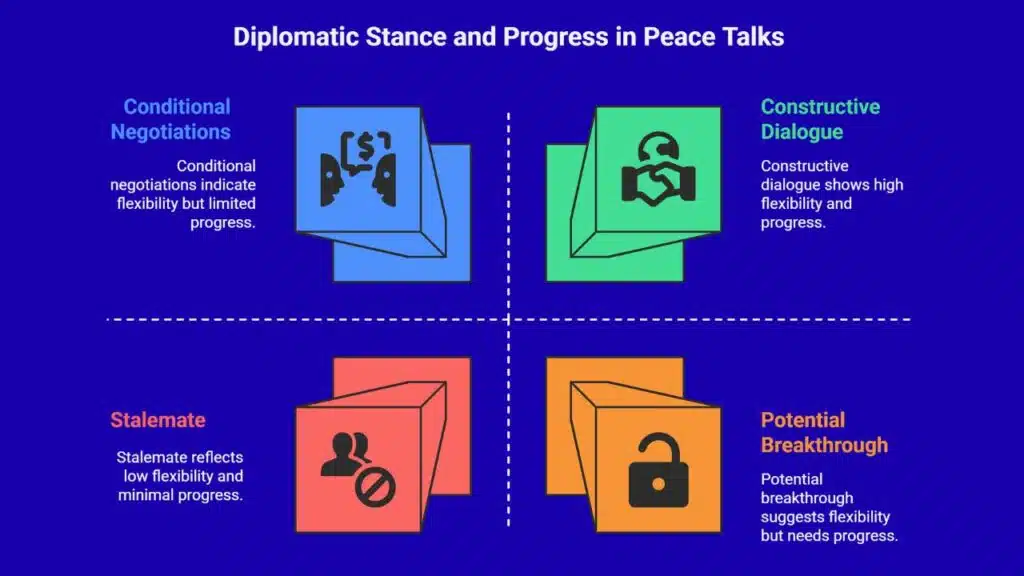
Diplomatic maneuvering has also intensified this month. On August 15, U.S. President Donald Trump and Russian President Vladimir Putin held a summit in Alaska, billed as a major step towards finding a peace framework. While both leaders initially described the talks as constructive, no breakthrough was announced.
Since then, Trump has publicly expressed frustration over the lack of progress. He warned that Washington is considering new economic measures, including massive sanctions or tariffs against Russia, if Moscow does not show flexibility in negotiations. “We’ll make a decision soon,” Trump said, suggesting that the U.S. could either increase pressure or step back and leave the conflict to the parties involved.
Meanwhile, President Zelensky has consistently called for an unconditional ceasefire and a comprehensive peace settlement. He has accused Moscow of blocking dialogue by refusing direct talks and by demanding terms Ukraine considers unacceptable.
Russia’s Foreign Minister Sergei Lavrov responded by saying Putin is ready to meet Zelensky “when the agenda is ready,” but claimed Kyiv has rejected every proposal so far. This stalemate highlights how far both sides remain from serious peace negotiations.
Global Reactions and Security Concerns
The Kursk nuclear plant incident has amplified concerns about nuclear safety in wartime. Experts recall similar risks at the Zaporizhzhia Nuclear Power Plant in southern Ukraine, Europe’s largest nuclear facility, which has been repeatedly shelled and occupied by Russian forces since 2022.
The IAEA has stationed monitors at Zaporizhzhia and continues to urge both parties to avoid military actions near nuclear infrastructure. The Kursk fire has now reinforced warnings that even “indirect” attacks—such as drones hitting transformers—can trigger emergencies with regional consequences.
Western leaders, particularly in the EU, NATO, and G7, continue to emphasize military aid, sanctions, and diplomatic pressure as the main tools for supporting Ukraine while pushing Russia toward negotiations. At the same time, humanitarian agencies warn that millions of Ukrainians remain displaced or reliant on international aid as the war drags on with no clear end in sight.
The Kursk nuclear plant fire highlights how unpredictable and dangerous the war in Ukraine has become—where even energy infrastructure far from the frontlines is vulnerable to drone warfare. The timing of the incident, coinciding with Ukraine’s Independence Day, underscored the enduring struggle for sovereignty that Kyiv and its allies seek to protect.
With fighting intensifying in the Donbas, diplomacy stalling despite high-level talks, and nuclear safety risks looming, the conflict shows little sign of easing. International pressure continues, but the path to peace remains uncertain, and both sides appear locked in a cycle of escalation rather than compromise.
The Information is Collected from BBC and Yahoo.