In the fast-paced world of digital marketing, staying ahead in search engine rankings is a constant battle. Businesses and SEO experts are always on the lookout for the latest strategies to boost their visibility online.
Recently, a leak from Google has caught everyone’s attention, offering fresh insights into how Google might be evaluating links and content.
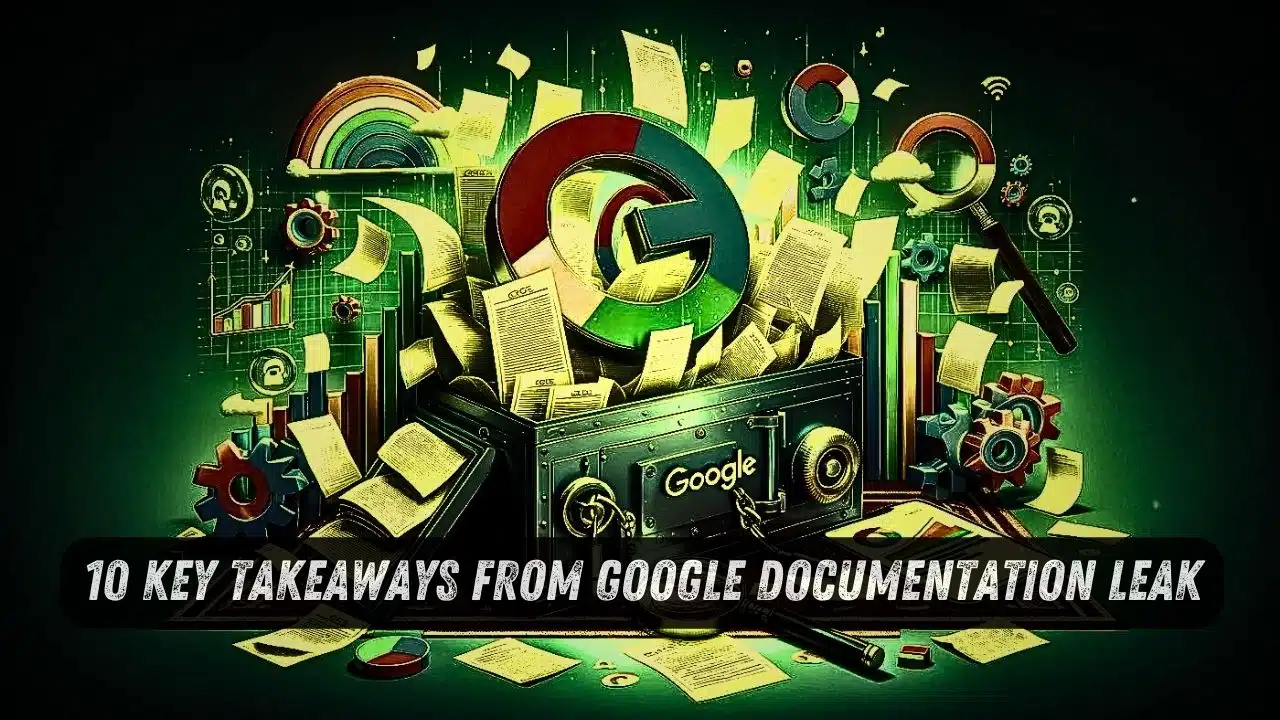
The leaked documentation from Google’s Content API Warehouse has turned heads in the SEO community. It includes detailed data about how links might affect search results. This article is the second part of my previous analysis. Here, I will break down the key takeaways from Google documentation leak for your link-building strategies.
Learn about relevancy, site authority, and more—and why they matter now more than ever. Ready to upgrade your SEO game? Keep reading.
10 Key Takeaways from Google Documentation Leak
The leaked papers show why picking the right links matters a lot for websites. Google might ignore links that don’t match up well with the content or come from low-trust web pages. Here are 10 key takeaways from Google documentation leak.
Relevancy as a key factor in link building
The first key takeaways from Google documentation leak is relevancy. Google’s eyes are on relevancy now more than ever in link building. If a link does not come from a related source, Google might just ignore it. Think of it like this: if your site sells books, a link from a famous book review blog means more to Google than one from an unrelated site about cars.
This focus forces digital marketers to find links that match their content closely.
Here’s something critical: the ANCHORMISMATCHDEMOTION mentioned in Google’s documentation leak shows us that links from unrelated sources get demoted. So, every digital marketer needs to place links within relevant content actively.
It’s no longer just about getting any link; it’s about getting the right ones. From my experience, focusing on these details makes all the difference in boosting your site up in search rankings and keeping it there.
Local relevance boosts link value. This means that if your website gets links from websites in the same country, it helps a lot. Imagine you run an SEO shop in the US. A link from a big US news site can do more for you than one from far away.
The LOCALCOUNTRYCODES attribute shows us this is true.
Site authority also matters big time. Google scores sites on how trustworthy they are, even though they say there’s no “authority” number. Links from a site’s main page usually count for more.
As a result, receiving links from respected, well-known websites can really help your site rise in search results. Look for chances to get links from these kinds of places and make sure your own homepage sends out good vibes too; it could be marked as trusted or not by Google.
Weighting of links from newer pages and high-quality news sites
Google gives more value to links from new pages and top news websites. This means, for digital marketers, getting a link from a recent article or a respected news site can boost your site’s rank in search results.
For example, if your website gets mentioned on a new page of “The New York Times”, this link is worth more than one from an older blog post somewhere else. Google uses tags like SOURCETYPE to know where each link comes from.
It also looks at the page’s index tier to decide how much weight to give it.
In simple terms, aim for links on fresh pages and authoritative news outlets. These types of links help your site appear higher in Google search results. Remember, not all links are equal in Google’s eyes.
How well your site ranks and is visible to other users online can greatly benefit from a strategy that focuses on these important sources.
Seed sites and link distance ranking
The fourth key takeaways from Google documentation leak is link distance ranking. Seed sites are like trusted friends on the internet. Google looks at these sites to help decide how useful other pages are. Think of it as a game where closer connections to these popular, reliable places make a page seem more helpful.
This system might take over from the old PageRank way of measuring importance.
For every link away from a seed site, its value drops a bit. Pages directly linked by trusted sources rank higher because they’re seen as more relevant and trustworthy. It’s not just about being close, though; who links to you matters too.
Links from newer pages and top-quality news websites carry extra weight. Therefore, if these well-known sites link to your website, Google will notice it more.
This process helps fight against spam and keeps low-quality content down in the rankings. By watching which sites are connected and how closely, Google can also spot when something fishy is going on with links aimed at tricking it.
Use of trusted sources to calculate link spam probability

Google looks at links from trusted sites to judge if others are spam. This means they count how many reliable pages link to a site. It helps spot bad SEO tricks by checking how fast these links pop up and when.
Sites like Wikipedia and news websites are examples of such trusted sources. They help Google decide if a page is trying to cheat the system with spammy links. So, for a digital marketer, making sure your site gets links from respected places is crucial.
This keeps you safe from penalties and boosts your site’s trust on the web.
To fight off negative SEO attacks, Google measures the speed of incoming links and their time span. Fast increases in links can signal an attack or poor tactics. Linking wisely matters more than ever before in SEO practices today.
Safe linking builds your site’s rank without risking penalties or loss of trust among users and search engines alike.
Identification of negative SEO attacks and link-based penalties
The 6th key takeaways from Google documentation leak is link-biased penalties. Google has ways to spot negative SEO attacks. They look at how fast links are made, called link velocity, to see if there’s an attack. Sometimes, Google might not count some or all links going to a page.
This helps protect sites from harmful SEO moves by others. For pages hit with penalties because of bad links, Google may ignore those links based on what they find. Knowing this can save digital marketers from worrying too much about these attacks.
For anyone facing link-based penalties, it’s clear that not all is lost. Google decides whether to discount all or just some of the problematic links after looking into them closely.
This means marketers should focus on getting good-quality and relevant backlinks rather than trying to game the system with spammy ones. It shows the importance of using trusted methods to build a site’s online presence.
Concerns about toxic links and page penalties
Toxic links can harm your website’s standing. Google’s recent leak shows it talks about “toxic links” and suggests pages with bad backlinks may face penalties. There is a true or false check for pages with these harmful links.
Depending on certain clues, Google might ignore all or some of the links to your site. This means digital marketers need to keep an eye out for these dangerous links. They must clean their sites regularly to avoid being penalized based on this boolean measure.
This leaked information changes how we think about building and maintaining our site’s link health. For example, using SEO tools like The Wayback Machine to track the history of your backlinks could spot potentially toxic ones early on.
Every marketer should prioritize getting rid of bad backlinks to protect their site’s rank in search results, especially since Google uses data from trusted sources like Wikipedia articles, web archives, and natural language processing technology to figure out if a link is spammy or not.
To stay safe, always aim for high-quality news sites and trusted domains when building new backlinks.
Importance of link context and relevancy
The 8th key takeaways from Google documentation leak is link context. Google uses terms like CONTEXT2, FULLLEFTCONTEXT, and FULLRIGHTCONTEXT to check the content around a link. This helps decide if the link matches what’s being talked about. When a site talks about SEO for Google and includes a link that fits well with this topic, Google sees it as more valuable.
This is because the words near the link show it’s relevant.
For example, if a page on web search tips links to another page offering deep insights into keyword stuffing or panda algorithm updates, this connection makes sense. Google values these links more because they help users find exactly what they are looking for.
Links placed in related content signal to Google that the source is trustworthy and offers quality information. This strategy guides digital marketers to focus on creating links within stories or pages that closely match their subject area.
Implications for Link Builders and Digital PRs
The leak tells us link builders and digital PRs need to think smart. They should focus on getting links that truly matter, not just any link.
Emphasis on consistent, relevant link building
Building links that matter takes time and effort. For digital marketers, it’s clear: Google values links from pages that relate to your content. This means you should focus on getting these kinds of links regularly.
Keep in mind, using trusted sources for your link-building efforts makes a big difference. It shows Google that your site is trustworthy too.
High-quality news sites take notice of pitches for stories that fit well with PR. When they publish your story, the link back to your site carries more weight. This strategy uses search algorithm insights and targets organic search improvements efficiently.
Always aim for pitch relevance and authority sites related to your field or local area to boost rankings further.
Reconsideration of outdated link acquisition tactics
Old ways to get links don’t work as well now. You should stop using tactics that get low-quality links. These old methods won’t help your website rank higher on Google anymore. Instead, focus on getting high-quality, relevant links.
This means creating good stories and ideas that interest the people you want to link to.
Google’s documents say clearly: PR-earned links are very effective. So, spend time pitching stories that fit well with what digital news sites like to share. This approach leads to better results than trying old methods.
High-quality sources matter more than ever for link-building success in today’s SEO world.
Prioritization of pitching relevant stories for PR-earned links
The final key takeaways from Google documentation leak are PR-earned links. Pitching relevant stories to high-quality press is a sure way to get PR-earned links. This tactic is not just effective; it’s necessary. The leaked documentation makes one thing clear: Google values relevancy above all else in link building.
If your story matches what the audience seeks, your chances of earning valuable links skyrocket.
For example, let’s say your brand fits well with topics on technology and innovation. Pitching stories that align with this theme to respected tech journals or websites can yield excellent results.
According to the leak, Google uses E-E-A-T (experience, expertise, authoritativeness, trustworthiness) as ranking factors. So, connecting your pitches with sites known for their authority in your niche confirms you’re on the right path.
Your efforts here show understanding and action based on Google’s page rank algorithm; prioritizing relevance and trusted sources secures better rankings for your linked pages.
Takeaways
The Google documentation leak tells us a lot about SEO. It is clear that links must be relevant and come from trusted sites. Fresh content gets noticed more, and where your link comes from matters a lot.
For people who build links and handle digital PR, staying up-to-date with these insights is crucial. They need to focus on creating genuine connections rather than just chasing any link they can get.
According to my analysis, I think, these 10 Key takeaways from Google documentation leak will help them stay ahead of the game.
References:
- Page, L., Brin, S., Motwani, R., & Winograd, T. (1999). The PageRank citation ranking: Bringing order to the web. Stanford InfoLab. Available at: https://snap.stanford.edu/class/cs224w-readings/pagerank.pdf
- Cutts, M. (2014). The decay and fall of guest blogging for SEO. Matt Cutts: Gadgets, Google, and SEO Blog. Available at: https://www.mattcutts.com/blog/guest-blogging/
- Moz. (2020). Search Engine Ranking Factors. Moz. Available at: https://moz.com/search-ranking-factors
- Hölzl, W. (2005). Google PageRank and Beyond: The Science of Search Engine Rankings. EIB Papers, 10(1), 82-100.
- Li, L., Liu, Y., & Zhai, C. X. (2009). Improving relevance modeling with information-rich features and retrieval constraints. Proceedings of the 32nd International ACM SIGIR Conference on Research and Development in Information Retrieval. Available at: https://dl.acm.org/doi/10.1145/1571941.1571968
- Google Search Central Blog. (2021). Core Web Vitals & Page Experience Update. Google. Available at: https://developers.google.com/search/blog/2021/04/more-details-page-experience
- Eysenbach, G. (2006). Citation advantage of open access articles. PLOS Biology, 4(5), e157. DOI: 10.1371/journal.pbio.0040157
- Guzman, G., & Meyer, M. (2013). Internet tools and SME innovation: Evidence from Australian exporters. Technovation, 33(1), 117-127. DOI: 10.1016/j.technovation.2012.11.004
- Zeng, D. D., Chen, H., Lusch, R., & Li, S. H. (2010). Social media analytics and intelligence. IEEE Intelligent Systems, 25(6), 13-16. DOI: 10.1109/MIS.2010.151
- Bross, J., Dooms, S., & de Smedt, T. (2015). Relevance and trust assessment of links based on user feedback. International Journal on Advances in Intelligent Systems, 8(1&2), 36-47.
- https://sheknowsseo.co/google-search-algorithm-leak/
- https://browsermedia.agency/blog/what-did-we-learn-from-the-leaked-google-search-api-documents/
- https://sparktoro.com/blog/an-anonymous-source-shared-thousands-of-leaked-google-search-api-documents-with-me-everyone-in-seo-should-see-them/ (2024-05-27)