
Understanding Google’s search algorithm has always been a daunting task for SEO experts. With the recent leaked Google Search API documents, we now have unprecedented insights into the ranking system that drives search results on the world’s largest search engine.
This treasure trove of information reveals key factors influencing website rankings, such as click-through rates (CTR), user engagement metrics, and even data collected from Chrome browsers.
As someone with over a decade of experience in digital marketing, I can attest to how these revelations could reshape our strategies. The leaked Google search API documents outline various parameters—like site authority scores and content freshness—that are vital for optimizing websites effectively. Stay with me as I unpack this goldmine of information to help you navigate the evolving landscape of SEO.
Overview of the Google Search API Leak
The leaked Google Search API documents revealed crucial insights into how the tech giant operates its search algorithms and prioritizes different ranking factors. The documents, shared by an anonymous source with Rand Fishkin, included over 2,500 pages of detailed API documentation covering more than 14,000 attributes, shedding light on previously hidden mechanisms. Uploaded to GitHub on March 27, 2024, these documents confirmed certain speculations and introduced new findings until their removal on May 7, 2024.
Three former Googlers verified the authenticity of the leaked materials. On March 29, 2024, Google itself acknowledged their legitimacy. Spanning from 2005 to early 2023, the documents highlighted significant trends in Google’s use of user click data via Chrome clickstreams for enhancing search results and underscored practices like whitelisting specific domains in areas such as travel and politics during critical periods like COVID-19.
Key Findings from the Leaked Google Search API Documents
The leaked Google Search API documents revealed how Google uses user data to improve search results. They also showed the role of Chrome browser data in powering these searches.
NavBoost ranks pages using clickstream data by measuring user behavior. It tracks metrics such as “goodClicks,” “badClicks,” and “lastLongestClicks.” NavBoost assesses clicks and engagement on searches before and after the main query.
It scores queries based on user intent, examining how long users stay on a page (long vs. short clicks). This method helps to find and rank content for Search Engine Results Pages (SERPs).
These leaked Google search API documents reveal that Google uses this click data extensively to understand what users like or dislike. For example, “unicorn clicks” indicate highly relevant links clicked by many users.
Pandu Nayak testified about these methods in DOJ hearings, aligning with leaked information.
Use of Chrome browser clickstreams to power Google Search
Google uses data from Chrome browsers to improve Google Search. This includes clickstreams, which are records of the links users click while browsing. With this information, Google identifies popular URLs on different sites.
They also use Chrome data to assess site-wide authority.
Chrome’s influence extends beyond desktops to Android devices as well. NavBoost leverages this data for search rankings, helping prioritize pages based on user clicks and interactions.
Google’s reliance on these indicators enhances their ability to deliver accurate search results quickly.
Whitelists in Travel, Covid, and Politics
Google employed whitelists for websites during Covid-related searches. These lists included trusted sites like WHO and CDC, ensuring users saw reliable information. In the travel sector, Google’s whitelist prioritized major airlines and booking platforms.
During democratic elections, Google used whitelists to highlight credible political news sources. This was aimed at reducing misinformation. The use of these whitelists impacted search results significantly in these areas.
Employing Quality Rater Feedback
Quality rating Feedback helps Google improve search results. Quality raters, using EWOK scores and data, directly influence rankings. These raters evaluate pages based on content quality and relevance.
Google uses this feedback to tweak algorithms, enhancing user experience. For example, internal linking and creating quality content can boost a site’s authority score. This approach ensures better search outcomes for users.
Google’s use of click data for link weighting in rankings
Google uses click data to rank links in search results. Click data shows how people interact with websites. This helps Google decide which links are most useful. Clicks can affect PageRank, a score Google gives to web pages based on their importance.
The number of clicks each page gets is important. Pages clicked more often get higher rankings. Chrome browser clicks also matter. They help power the sitelinks feature, showing popular sub-pages under main links in search results.
Quality matters; Google categorizes links into tiers using click data to ensure top spots go to reliable pages.
Impact on SEO and Digital Marketing
Google’s new ranking factors affect how websites show up in search results. Fresh content and user experience now play bigger roles in rankings.
Site authority scores play a big role in SEO rankings. The leaked Google search API documents show that high-quality backlinks are crucial. Fresh links from top news sites boost these scores, helping websites rank higher.
Chrome data adds more weight to site authority. This means the browser’s user data influences search rankings. Having strong, recent links from trusted sources like news sites improves your site’s overall score and visibility online.
Content authors play a big role in Google rankings. Google can identify who writes content and track their work across the web. This helps ensure that articles by trusted writers rank higher. Authorship affects credibility and can boost website authority.
Dates on content also matter. Fresh content gets more attention from search engines. If an article is old, it might lose its ranking power, even if it’s still relevant. Regularly updating posts keeps them current and improves SEO performance.
The role of user experience in rankings
User experience plays a big part in SEO rankings. Google looks at bounce rate, dwell time, and click-through rates to see if users like your site. High bounce rates can hurt your ranking.
Quick page loads, mobile-friendly designs, and easy navigation help keep users on your site longer.
Happy users send good signals to search engines. These signals improve rankings because they show the content is useful. Fresh content also keeps users engaged and coming back for more.
A good user experience means better SEO results and happier visitors.
The influence of Chrome data on rankings
Google uses Chrome data to refine search rankings. Clickstreams from the Chrome browser show how users interact with websites, which helps Google measure site authority and relevance.
This data includes clicks, time spent on a page, and bounce rates.
User interaction with Chrome contributes to organic search results. High-quality sites keep visitors longer, affecting their PageRank algorithm positively. Webmasters must focus on improving user experience to rank higher in search results.
The necessity for fresh content
Fresh content is crucial. Google keeps a record of every version of a webpage but uses only the last 20 versions. Content not updated regularly gets low storage priority, so it might not appear in searches. Produce high-quality and relevant content to maintain visibility.
Incorporate new information frequently. Readers look for up-to-date facts, which boosts your site’s authority score. Updated articles attract more visitors and improve user experience—factors that influence rankings.
Fresh content helps you stay competitive in SEO and digital marketing by keeping your material current with trends and data.
Practical Implications for SEO Strategies
Understanding the way Google ranks sites is now vital. Enhance your website by focusing on user experience and content.
Adjusting to Google’s ranking factors
Google’s ranking factors prioritize user intent and navigation patterns. Click-through rates (CTR), long vs. short clicks, and Chrome browser data all help boost rankings. User interaction with content matters more than just having many links or keywords.
SEO benefits big brands, as they have higher authority scores compared to new creators. Small businesses need time to build credibility with fresh content and consistent updates.
It’s crucial to focus on user experience too, making websites easy to navigate for better engagement.
Enhancing user experience
To boost user experience, websites need to focus on user intent and engagement. Classic ranking factors like PageRank are losing ground. Modern SEO must prioritize how users interact with a page.
Use clear calls to action and engaging content that meets the user’s needs quickly.
User data is crucial in improving search rankings. Google tracks interactions through Chrome clickstreams. This helps understand what keeps users engaged longer on a page. Longer clicks indicate better content quality and higher relevance to user queries.
Save your data, protect your privacy, and enhance security by following these practices—keep it fresh and relevant for visitors!
Prioritizing fresh and relevant content
Google values fresh, up-to-date content. High-quality content is very important for search visibility. Regular updates boost SEO performance and can help your site rank higher on Google Search.
To stay relevant, publish new information often. Use correct dates consistently across articles.
Websites like Wikipedia show the importance of timely updates—this keeps users and search engines happy. Include publishing dates to inform readers about recency. This not only aids ranking but also enhances user trust in the information’s accuracy.
The use of browsing behavior to refine results based on new content that users see on a daily basis using Google Chrome data further supports this practice.
Site authority plays a huge role in search rankings. Google rewards established brands that have consistent content. Websites with high authority scores often see better rankings.
Fresh links from quality sources boost this score.
Popular websites, known for their expertise, dominate search results due to their site authority. Consistent content dates build trust and credibility with Google’s ranking system.
This impacts how visible a site is on the internet.
How the Industry is Reacting
Companies are adjusting their SEO practices. They have started using new methods based on the leaked information to improve search rankings.
Updated SEO best practices post-leak
SEO experts are paying more attention to user experience. Sites must load fast and be easy to navigate. Fresh content is vital; keep updating blog posts and articles regularly. Google uses Chrome data to rank pages, so a good design matters.
Link building remains crucial but should focus on quality over quantity. Content authors and dates now play a significant role in rankings. Reliable sources like Wikipedia or high-authority websites boost your credibility. Adapting these strategies helps you stay ahead in SEO.
Key resources and analyses learned from the leak
The leaked Google Search API documents unveiled how to leverage AI-powered tools like Google’s Content Warehouse API. These tools help in semantic analysis and optimization, focusing on entities and relationships. Advanced techniques such as structured data improve search engine rankings by understanding user intent.
Local search optimization also benefits from these insights. Strong site architecture and local intent focus are essential for better rankings. The SEO community has updated best practices based on this new information, emphasizing transparency and ethical strategies to align with Google standards.
SEO community’s response and adjustments
Many in the SEO community feel Google broke tacit agreements about Search Engine Optimization. Concerns over data security and privacy have also emerged. Agencies now stress stronger security measures to protect user information.
SEO experts are updating their best practices based on new insights from the leak. They focus more on site authority scores, content dates, and author reputations. There’s a push to better understand click-through rates and the influence of Chrome data on rankings.
Future of SEO Post-Google API Leak
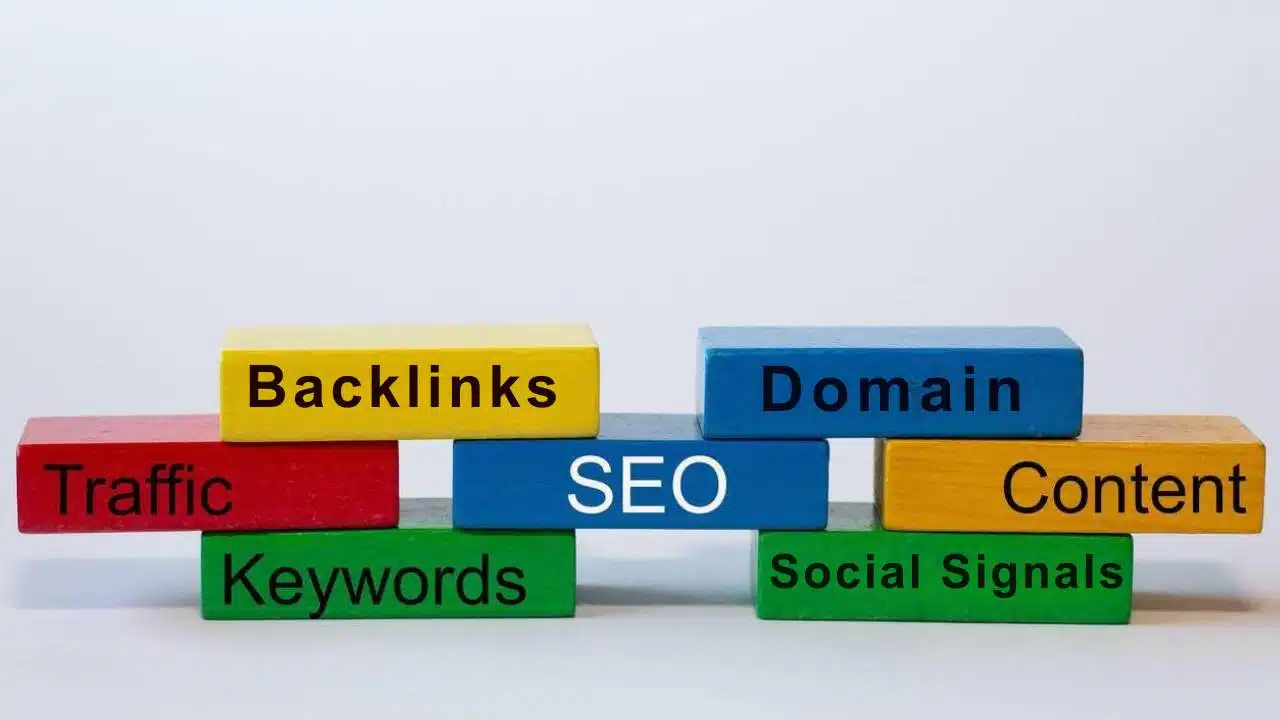
The future of SEO will likely see more focus on user data and behavior. Marketers will need to adapt quickly to these changes.
Predictions for search engine algorithms
Search engines will use more data from different sources. Google’s NAVBOOST uses clicks, click-through rates (CTR), and user data to rank content. For instance, Chrome browser clickstreams help improve search results.
Search algorithms increasingly focus on document understanding. Google also analyzes site authority scores to rank sites better. Fresh content will continue to be crucial for higher rankings.
Quality Rater Feedback remains a key factor in refining these algorithms too.
The evolving role of SEO in digital marketing
SEO (Search Engine Optimization) has become crucial in digital marketing. It pushes websites to the top of search results, attracting more clicks and visits. The leaked Google Search API documents highlight this by showing how user behavior impacts rankings.
Quality content is essential for good SEO. Google uses various factors like site authority scores, content dates, and user experience. Fresh content catches Google’s eye more than old postings.
Chrome browser data also plays a big role in ranking sites higher or lower based on user actions.
Takeaways
The leaked Google Search API documents taught us many things. We learned how Google collects and uses click data, CTR, and user behavior. Chrome browser’s data plays a huge role in rankings.
Whitelists affect searches for topics like Covid and politics. Site authority scores are crucial for better SEO.
References:
- https://sheknowsseo.co/google-search-algorithm-leak/
- https://browsermedia.agency/blog/what-did-we-learn-from-the-leaked-google-search-api-documents/
- https://sparktoro.com/blog/an-anonymous-source-shared-thousands-of-leaked-google-search-api-documents-with-me-everyone-in-seo-should-see-them/ (2024-05-27)
- https://sympler.ai/unveiling-googles-secret-ranking-signals-what-we-learned-from-leaked-search-api-documents/
- https://www.phocuswire.com/google-algorithm-leak-what-it-means-for-travel-SEO
- https://rockcontent.com/blog/insights-from-the-google-leak/
- https://searchengineland.com/google-search-document-leak-ranking-442617 (2024-05-28)
- https://www.figmentagency.com/news/7-things-we-have-learned-from-the-google-search-document-leak/
- https://www.resolutiondigital.com.au/insights/google-api-leak-top-seo-recommendations/
- https://searchengineland.com/google-leak-author-publisher-entities-seo-442963
- https://www.jumpfly.com/blog/google-searchs-internal-documentation-leak-points-to-new-seo-insights/
- https://www.linkedin.com/pulse/role-user-experience-ux-seo-rankings-himanshi-bade
- https://grumft.com/en/seo-impact-of-leaked-google-search-api/
- https://www.newzdash.com/guide/google-leak-71-news-seo-ranking-factors-revealed-impact-news-publishers
- https://supple.com.au/seo-factors-google-search-leak/
- https://www.brainz.digital/blog/google-api-leak-insights/
- https://searchengineland.com/links-digital-pr-key-takeaways-google-documentation-leak-442905
- https://boomcycle.com/blog/the-google-search-algorithm-leak-2024/
- https://growthrocks.com/blog/google-api-leaks/