In recent years, the healthcare industry has recognized the need to shift its focus from treating diseases to caring for individuals. The solution? A transformation in the way inpatient care facilities are designed and operated. However, adapting to changing patient needs is an ongoing challenge. As technology advances and societal expectations evolve, inpatient care facilities must continually innovate to stay relevant and effective.
That said, this article will explore how these facilities are responding to these challenges, focusing on critical areas such as patient-centered design, technological advancements, and the integration of holistic care.
1. Personalized Care Plans
Inpatient care facilities have increasingly shifted toward a patient-centered model, moving away from standardized care approaches to more personalized care plans. This means that each patient is treated based on their individual needs, medical history, and preferences. A patient-centered model requires healthcare providers to spend more time understanding a patient’s lifestyle, emotional needs, and specific medical conditions.
Furthermore, interdisciplinary teams consisting of doctors, nurses, therapists, social workers, and other healthcare professionals work together to create comprehensive, individualized care plans. These teams meet regularly to discuss and adjust the care of complex patients, ensuring that treatments are coordinated and tailored to produce the best outcomes.
In addition, personalized care reduces the likelihood of complications and enhances patient satisfaction, especially in chronic disease management, post-surgery recovery, and long-term rehabilitation cases. For more detailed insights into how this model is transforming healthcare practices, learn more in this section of the article.
2. Integration of Technology
The integration of advanced technology in an inpatient facility has dramatically improved the quality of care and patient outcomes. One key aspect is telemedicine, which allows patients to connect with specialists remotely, overcoming the challenges of geographic distance, especially in rural or underserved areas. This helps facilities provide specialist care even when specific experts aren’t physically present.
In addition, the adoption of electronic health records (EHRs) has revolutionized how patient information is shared across different healthcare providers. EHRs streamline communication between doctors, nurses, and specialists, reducing medical errors and allowing for more cohesive treatment plans.
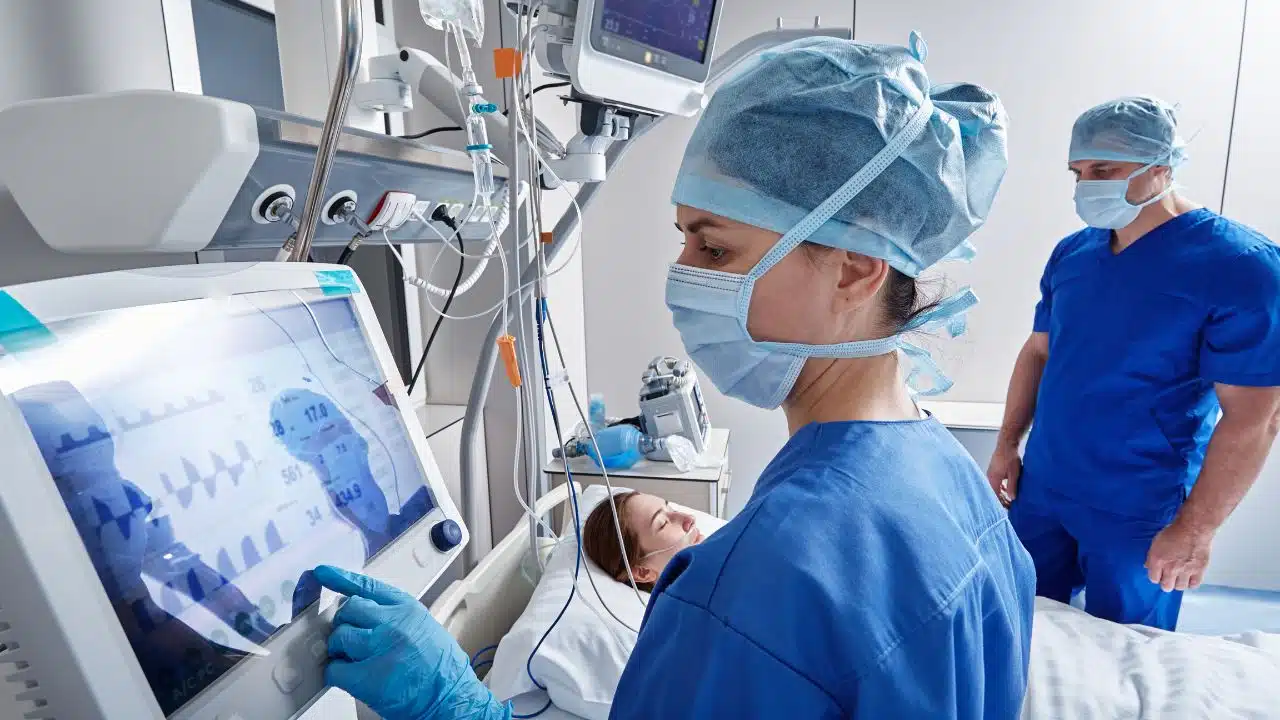
Another technological advancement is real-time monitoring through wearable devices or sensors. These devices allow healthcare teams to continuously track patient vitals, ensuring immediate action if any critical changes occur. These innovations not only improve the efficiency of primary care but also empower staff to make quicker, data-driven decisions that can save lives.
3. Advanced Medical Equipment and Procedures
Inpatient facilities continuously invest in advanced medical equipment and innovative procedures to meet patients’ evolving needs. Minimally invasive surgeries, such as laparoscopic or robotic-assisted surgeries, are now commonly used for various conditions, resulting in less pain, fewer complications, and shorter recovery times compared to traditional surgery. This reduces the length of hospital stays and helps patients return to their daily lives more quickly.
In addition, artificial intelligence (AI) and machine learning have started to play crucial roles in the diagnostic and treatment planning process. AI algorithms can analyze vast amounts of patient data to predict outcomes, identify potential complications early, and assist in decision-making. These tools help medical professionals provide more accurate diagnoses and personalized treatment plans, reducing the risks associated with human error and improving overall patient care.
4. Improved Patient Safety and Infection Control
As the global healthcare landscape evolves, patient safety and infection control have become paramount concerns in inpatient care facilities. The COVID-19 pandemic significantly accelerated the adoption of stricter infection prevention measures. Hospitals and other inpatient centers have revised their infection control protocols, introducing more rigorous cleaning practices, the use of personal protective equipment (PPE), and enhanced patient isolation procedures.
Many facilities have also improved the design of their spaces to prevent the spread of infections, moving toward more private, single-patient rooms rather than shared spaces to minimize contact between patients. Ventilation systems have been upgraded to ensure better airflow, reducing the risk of airborne diseases spreading. These measures, combined with frequent staff training, help to create safer environments for both patients and healthcare workers, lowering the incidence of hospital-acquired infections and improving overall patient outcomes.
5. Holistic and Mental Health Support
Nowadays, inpatient care facilities have placed greater emphasis on providing holistic care, recognizing that physical recovery is closely linked to mental health conditions and emotional well-being. Facilities are now incorporating psychological support into their treatment plans, offering counseling services to patients who may be dealing with anxiety, depression, or trauma associated with their illness or hospital stay.
This is particularly important for patients undergoing long-term treatment or those recovering from major surgeries who may feel isolated or fearful about their prognosis. Additionally, many facilities are integrating complementary therapies, such as acupuncture, massage, and mindfulness programs, into their care regimens.
These therapies aim to reduce stress, alleviate pain, and promote overall well-being, contributing to faster recoveries and improving the patient’s experience. The focus on holistic care ensures that patients receive not only physical treatment but also the emotional and psychological support they need to heal fully.

6. Focus on Rehabilitation and Post-Acute Care
As healthcare evolves, inpatient care facilities are increasingly prioritizing rehabilitation and post-acute care to ensure patients fully recover after hospital stays. Transitioning patients from inpatient care to home care or outpatient treatment has become a critical focus as hospitals seek to reduce re-admission rates and improve long-term outcomes.
Facilities are developing comprehensive rehabilitation programs that include physical therapy, occupational therapy, and speech therapy, depending on the patient’s needs. These programs are designed to help patients regain mobility, strength, and independence following surgery, injury, or illness.
In addition, many facilities have established home-based care programs, where healthcare professionals visit patients in their homes to provide follow-up care, monitor recovery, and offer support. Remote monitoring technologies also enable continuous tracking of a patient’s health after they are discharged, ensuring early detection of potential complications and reducing the likelihood of re-admissions.
7. Aging Population and Chronic Disease Management
The aging global population has led to significant changes in the way inpatient care facilities operate, with an increasing emphasis on geriatric care and chronic disease management. Older adults often present with multiple health issues that require specialized care, such as dementia, Alzheimer’s disease, or age-related frailty.
In response, many inpatient facilities have developed dedicated geriatric care units, where healthcare professionals with expertise in aging-related conditions provide tailored care. Chronic disease management has also become a core focus, as more patients suffer from long-term conditions like diabetes, heart disease, and chronic obstructive pulmonary disease (COPD).
These patients require ongoing monitoring, education, and interventions to prevent hospital readmissions and manage their conditions effectively. To address these needs, facilities offer specialized programs that teach patients how to manage their conditions through lifestyle changes, medication adherence, and regular check-ups, ensuring they can maintain a good quality of life.
8. Patient Education and Engagement
One of the most important developments in inpatient care is the growing emphasis on patient education and engagement. Empowering patients with the knowledge and tools they need to manage their own health is crucial for improving outcomes, especially after discharge. Inpatient facilities now provide comprehensive education programs that teach patients and their families about their medical conditions, treatment options, and what to expect during the recovery process.
These programs ensure that patients are well-prepared to take an active role in their care, reducing the likelihood of complications or readmissions. In addition to traditional education, many hospitals now use patient portals and mobile apps that allow patients to track their health, access their medical records, and communicate with healthcare providers. These tools encourage patients to engage with their care plans, ask questions, and stay informed, leading to better compliance with treatment recommendations and improved health outcomes.
9. Focus on Palliative and End-of-Life Care
As the demand for compassionate end-of-life care grows, inpatient facilities have increasingly focused on palliative care and hospice services. Palliative care teams work alongside other medical professionals to provide relief from the symptoms, pain, and stress associated with severe illnesses, enhancing the quality of life for patients and their families.
These teams also offer emotional and spiritual support, helping patients and their loved ones navigate the complexities of end-of-life decisions and care. Hospice services within inpatient facilities ensure that patients receive dignified, comfort-focused care during their final days, respecting their wishes and prioritizing their comfort.
Advanced care planning is another essential component of palliative care, allowing patients to express their preferences regarding treatment options, resuscitation, and life-sustaining measures. By focusing on palliative and end-of-life care, inpatient facilities provide compassionate, patient-centered care that addresses physical needs and emotional and existential concerns.
10. Adapting Facility Infrastructure
The physical design and infrastructure of inpatient care facilities are also evolving better to meet the needs of both patients and healthcare providers. Many hospitals are now incorporating modular and flexible spaces that can be easily adapted to different uses. For instance, rooms may be designed to quickly convert from an intensive care unit (ICU) to a recovery room or vice versa, depending on patient needs. This flexibility allows hospitals to respond more efficiently to surges in patient volume, such as during pandemics or other emergencies.
Additionally, there is a growing emphasis on sustainable and wellness-focused design in healthcare facilities. Natural lighting, healing gardens, and quiet zones are being integrated into hospital environments to promote healing and reduce stress for patients and staff alike.
Many facilities are also prioritizing energy efficiency and eco-friendly practices, recognizing the long-term benefits of sustainability for patient health and the environment. By adapting their infrastructure, inpatient care facilities can create safer, more welcoming environments that support their patients’ physical and emotional well-being.
Conclusion
Inpatient care facilities are at the forefront of a healthcare revolution, transforming from sterile, impersonal environments into welcoming, patient-centered spaces. By embracing patient-centered design, leveraging technological advancements, and integrating holistic care, these facilities are creating a more supportive and healing environment. While challenges remain, the ongoing transformation of inpatient care is a testament to the commitment to providing exceptional care experiences.